

CPOT Practice Test
Updated for September 2026Eye care professionals, particularly optometrists, rely heavily on skilled paraoptometric technicians to assist with clinical and administrative tasks, ensuring that patients receive high-quality eye care. If you're interested in advancing your career in the optometric field, obtaining the Certified Paraoptometric Technician (CPOT) certification is a key step toward enhancing your skills and professional standing.
The CPOT certification is a nationally recognized credential offered by the American Optometric Association (AOA). It demonstrates a technician's proficiency in performing a wide range of clinical tasks in an optometry office, such as patient care, diagnostic testing, and administrative duties. This certification is an excellent way to increase your job prospects, improve your salary potential, and provide better patient care in the optometric field.
This article will provide an in-depth look at the CPOT certification, its benefits, the exam preparation process, and why it is an essential step for those looking to advance their careers in eye care.
CPOT Practice Test Questions
Prepare for the CPOT - Certified Paraoptometric Technician exam with our free practice test modules. Each quiz covers key topics to help you pass on your first try.
CPOT Clinical Procedures & Protocols
CPOT Exam Questions covering Clinical Procedures & Protocols. Master CPOT Test concepts for certification prep.
CPOT Communication & Patient Relations
Free CPOT Practice Test featuring Communication & Patient Relations. Improve your CPOT Exam score with mock test prep.
CPOT Contact Lens Fitting & Patient Care
CPOT Mock Exam on Contact Lens Fitting & Patient Care. CPOT Study Guide questions to pass on your first try.
CPOT Ocular Anatomy & Physiology
CPOT Test Prep for CPOT Ocular Anatomy & Physiology. Practice CPOT Quiz questions and boost your score.
CPOT Optical Dispensing & Lens Technology
CPOT Questions and Answers on CPOT Optical Dispensing & Lens Technology. Free CPOT practice for exam readiness.
CPOT Emergency Procedures & Response
CPOT Mock Test covering Emergency Procedures & Response. Online CPOT Test practice with instant feedback.
CPOT Infection Control & Prevention
Free CPOT Quiz on Infection Control & Prevention. CPOT Exam prep questions with detailed explanations.
CPOT Medical Terminology & Documentation
CPOT Practice Questions for Medical Terminology & Documentation. Build confidence for your CPOT certification exam.
CPOT Patient Assessment & Evaluation
CPOT Test Online for Patient Assessment & Evaluation. Free practice with instant results and feedback.
CPOT Pharmacology & Medication Management
CPOT Study Material on Pharmacology & Medication Management. Prepare effectively with real exam-style questions.
CPOT Diagnostic Testing & Equipment Operation
Free CPOT Test covering Diagnostic Testing & Equipment Operation. Practice and track your CPOT exam readiness.
CPOT Optometric Procedures & Techniques
CPOT Exam Questions covering Optometric Procedures & Techniques. Master CPOT Test concepts for certification prep.
Key Takeaways
Free CPOT Practice Test Online
CPOT Certification Overview: The CPOT certification validates a technician's ability to assist optometrists in a clinical setting, ensuring competence in performing various tasks such as taking patient histories, conducting eye tests, and assisting with procedures.
Career Advancement: Earning the CPOT credential can lead to greater job security, increased opportunities for promotions, and a higher salary in the optometric field.
Eligibility Requirements: To qualify for the CPOT exam, candidates typically need a combination of work experience and relevant training in optometry, along with a basic understanding of vision care concepts.
Exam Structure: The CPOT exam consists of written and practical components designed to test the candidate’s knowledge and skill in areas such as patient care, diagnostic procedures, optical equipment, and office administration.
Ongoing Learning: Certification is maintained through continuing education, allowing professionals to stay up-to-date with advances in the field of optometry.
What is a Certified Paraoptometric Technician?
A Certified Paraoptometric Technician (CPOT) is a healthcare professional who supports optometrists in providing patient care, conducting diagnostic tests, and assisting with various procedures in an optometry practice. These technicians are vital members of the healthcare team, helping ensure the efficient operation of optometry offices and providing high-quality care to patients.
The CPOT credential is granted by the American Optometric Association (AOA) to individuals who meet specific education and experience requirements and pass a certification exam. This certification demonstrates that the technician possesses the skills necessary to perform a wide range of tasks in an optometry setting, including administering vision tests, taking medical histories, and assisting in vision therapy.
Obtaining CPOT certification allows technicians to prove their proficiency and expertise, which can significantly enhance their career prospects in a competitive job market. It is a crucial certification for those who want to advance their careers in eye care.
- ✓Review the official CPOT exam content outline
- ✓Take a diagnostic practice test to identify weak areas
- ✓Create a study schedule (4-8 weeks recommended)
- ✓Focus on your weakest domains first
- ✓Complete at least 3 full-length practice exams
- ✓Review all incorrect answers with detailed explanations
- ✓Take a final practice test 1 week before exam day
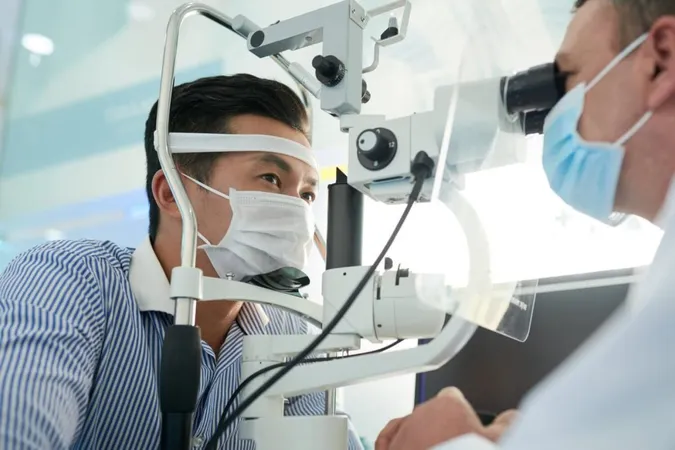
Eligibility Requirements for CPOT Certification
Before pursuing CPOT certification, candidates must meet certain eligibility criteria. These typically include:
Work Experience: A minimum of two years of experience working in an optometric practice or a similar clinical setting. This experience should cover a wide range of clinical duties, such as patient interaction, performing diagnostic tests, and working with optometrists during eye exams.
Training: While formal training is not mandatory, many candidates choose to complete optometry-related courses or attend workshops to prepare for the CPOT exam. These programs often focus on topics such as anatomy and physiology of the eye, optics, and patient care.
Examination: The CPOT exam is designed to test the candidate’s understanding and skills in optometry. The exam includes written questions and practical assessments covering key areas such as patient care, diagnostic tests, optometric equipment, and office management.
Meeting these requirements ensures that candidates are well-prepared for the challenges they will face as Certified Paraoptometric Technicians.
How to Prepare for the CPOT Exam
Proper preparation is essential for passing the CPOT exam and earning your certification. Here are a few tips for effective exam preparation:
Study the Exam Content Outline: The first step in preparing for the CPOT exam is to review the official content outline provided by the American Optometric Association. This outline breaks down the topics covered in the exam and helps you focus on the areas that are most important.
Use Study Materials: There are various study guides, books, and online resources specifically designed to help candidates prepare for the CPOT exam. These resources often include practice questions, detailed explanations, and sample exams.
Take Practice Exams: Many candidates find it helpful to take practice exams to familiarize themselves with the format and difficulty level of the actual exam. Practice exams also help identify areas where you may need additional study.
Enroll in a Prep Course: If you feel you need more structured preparation, consider enrolling in a prep course. These courses, often offered by professional organizations, provide in-depth instruction and allow you to learn from experienced instructors.
Gain Hands-On Experience: In addition to studying, hands-on experience in an optometry setting is crucial for understanding the practical aspects of the job. Work closely with optometrists and other paraoptometric professionals to gain real-world experience.
By following these preparation strategies, you will be well-equipped to pass the CPOT exam and achieve certification.
The Benefits of CPOT Certification
Obtaining the CPOT certification offers numerous advantages for eye care professionals, including:
Career Advancement: The CPOT certification is a recognized credential that can help you stand out in the competitive field of optometry. It can open doors to new job opportunities, promotions, and higher-level roles within the industry.
Increased Earning Potential: Certified professionals often command higher salaries compared to their non-certified counterparts. The CPOT certification is viewed as an indication of your expertise and commitment to providing quality patient care, which can lead to salary increases and job security.
Enhanced Professional Credibility: The CPOT certification is a testament to your knowledge and skills in optometry. Earning this certification enhances your professional credibility and provides reassurance to employers and patients that you are proficient in performing critical tasks.
Improved Patient Care: As a CPOT-certified technician, you will be better equipped to assist optometrists in delivering high-quality care. This leads to improved patient satisfaction and better health outcomes for individuals seeking eye care services.
In summary, CPOT certification helps technicians advance their careers, earn higher wages, and contribute more effectively to their optometric practices.
Maintaining Your CPOT Certification
Once you achieve CPOT certification, you must maintain it to ensure that you stay current with the latest trends and practices in optometry. To maintain your certification, you must:
Complete Continuing Education: Continuing education (CE) is a key component of maintaining your CPOT certification. You must complete a certain number of CE hours every year to stay informed about the latest developments in optometry.
Stay Updated on Industry Changes: Optometry is an ever-evolving field, and new technologies and best practices are constantly emerging. To remain certified, you must keep up-to-date with these changes through training programs, workshops, and professional conferences.
Maintaining your certification ensures that you continue to provide excellent care to your patients while advancing your career in the optometric field.

Conclusion
The Certified Paraoptometric Technician (CPOT) certification is a valuable credential for individuals seeking to advance their careers in eye care. It not only validates your skills and knowledge but also enhances your job prospects, earning potential, and professional credibility. Whether you are new to the field or looking to deepen your expertise, obtaining CPOT certification is a key step toward success in the optometry industry.
By meeting the eligibility requirements, preparing for the exam, and maintaining certification through continuing education, you can enjoy a fulfilling and rewarding career as a Certified Paraoptometric Technician.
- +Industry-recognized credential boosts your resume
- +Higher earning potential (10-20% salary increase on average)
- +Demonstrates commitment to professional development
- +Opens doors to advanced career opportunities
- −Exam preparation requires significant time investment (4-8 weeks)
- −Certification fees can be $100-$400+
- −May require continuing education to maintain
- −Some employers may not require certification
(CPOT) Certified Paraoptometric Technician Questions and Answers
About the Author

Senior Cloud Architect & Cybersecurity Certification Trainer
Stanford UniversityDavid Chen holds a Master of Science in Computer Science from Stanford University and has earned over 25 professional certifications across AWS, Microsoft Azure, Google Cloud, cybersecurity, and enterprise architecture domains. He works as a solutions architect and now focuses on helping IT professionals pass cloud, security, and technical certification exams.
Join the Discussion
Connect with other students preparing for this exam. Share tips, ask questions, and get advice from people who have been there.
View discussion (8 replies)