

CMRT Practice Test
Updated for September 2026Marine radar systems play a crucial role in modern navigation, helping vessels navigate safely through waters, avoid obstacles, and ensure the well-being of their crews. As these systems become more advanced, the need for qualified professionals to install, maintain, and repair them grows. A Certified Marine Radar Technician (CMRT) is a specialized professional trained to work with these complex systems, ensuring that they are functioning properly and efficiently.
The CMRT certification serves as a benchmark of expertise in the field of marine radar technology. In this article, we will dive into the essential aspects of the CMRT certification, including the required skills, the certification process, the daily responsibilities of a marine radar technician, and career opportunities in this high-demand field. Whether you are an aspiring technician or looking to expand your career in the maritime industry, this guide provides valuable insights.
Free CMRT Practice Test Online
Key Takeaways:
What is a Certified Marine Radar Technician (CMRT)?
A CMRT is a technician with specialized knowledge and skills to install, maintain, and repair marine radar systems aboard ships, boats, and other watercraft.Certification Process:
To become a CMRT, candidates must complete relevant training programs and pass an exam that demonstrates their competence in marine radar systems and troubleshooting.
Job Responsibilities:
CMRTs handle tasks such as installation, calibration, repair, and troubleshooting of radar equipment, ensuring they are working accurately and efficiently.
Education and Training:
Aspiring CMRTs typically undergo technical training in marine radar systems and may need to complete courses in electrical engineering, marine electronics, and similar fields.
Career Prospects:
CMRTs are in demand in various sectors, including commercial shipping, marine research, and the military, with competitive salaries and opportunities for career growth.
SVOP small vessel operator candidates often also prepare with our PADI practice test for the seamanship and marine safety knowledge both maritime certifications require.
Certified plant mechanic candidates often also prepare with our CMRP practice test for the reliability engineering and preventive maintenance fundamentals both industrial plant certifications assess.
CBET biomedical equipment technician candidates often also prepare with our IPC practice test for the electronics, circuit theory, and quality standards both biomedical and electronics certifications share.
CNG technicians building their alternative fuels knowledge often also prepare with ASVAB Practice Test 2026 to reinforce mechanical and automotive systems understanding.
CMRT Practice Test Questions
Prepare for the CMRT - Certified Marine Radar Technician exam with our free practice test modules. Each quiz covers key topics to help you pass on your first try.
CMRT Navigation Integration & Display Systems
CMRT Exam Questions covering CMRT Navigation Integration & Display Systems. Master CMRT Test concepts for certification prep.
CMRT Regulatory Compliance & Documentation
Free CMRT Practice Test featuring CMRT Regulatory Compliance & Documentation. Improve your CMRT Exam score with mock test prep.
CMRT Regulatory Compliance & Type Approval
CMRT Mock Exam on CMRT Regulatory Compliance & Type Approval. CMRT Study Guide questions to pass on your first try.
CMRT Target Tracking & ARPA
CMRT Test Prep for CMRT Target Tracking & ARPA. Practice CMRT Quiz questions and boost your score.
CMRT Equipment Operation & Maintenance
CMRT Questions and Answers on Equipment Operation & Maintenance. Free CMRT practice for exam readiness.
CMRT Installation & Maintenance Procedures
CMRT Mock Test covering Installation & Maintenance Procedures. Online CMRT Test practice with instant feedback.
CMRT Navigation & Chart Integration
Free CMRT Quiz on Navigation & Chart Integration. CMRT Exam prep questions with detailed explanations.
CMRT Network Architecture & Design
CMRT Practice Questions for Network Architecture & Design. Build confidence for your CMRT certification exam.
CMRT Power Systems & Interference Mitigation
CMRT Test Online for Power Systems & Interference Mitigation. Free practice with instant results and feedback.
CMRT Protocol & Standards Knowledge
CMRT Study Material on Protocol & Standards Knowledge. Prepare effectively with real exam-style questions.
CMRT Radar Performance Testing & Monitoring
Free CMRT Test covering Radar Performance Testing & Monitoring. Practice and track your CMRT exam readiness.
CMRT Radar System Fundamentals
CMRT Exam Questions covering Radar System Fundamentals. Master CMRT Test concepts for certification prep.
CMRT Safety & Compliance Standards
Free CMRT Practice Test featuring Safety & Compliance Standards. Improve your CMRT Exam score with mock test prep.
What Does a Marine Radar Technician Do?
A Certified Marine Radar Technician is responsible for ensuring that radar systems on vessels function correctly. These radar systems are critical for navigation, allowing ships to detect objects such as other vessels, buoys, and coastlines in challenging conditions like fog or darkness. Here are some of the primary responsibilities of a CMRT:
Installation of Marine Radar Systems:
CMRTs install radar equipment on vessels, ensuring that it is configured to meet the specific needs of the ship’s navigation system. This includes mounting the radar antenna and connecting it to the ship’s electrical system.Calibration and Testing:
After installation, the technician calibrates the radar system to ensure it operates correctly. This may involve fine-tuning settings and adjusting the system to accurately detect objects at varying distances and speeds.Routine Maintenance:
To keep radar systems in optimal working condition, CMRTs perform routine maintenance tasks, including software updates, sensor replacements, and antenna cleaning. Preventative maintenance is key to minimizing system failures.
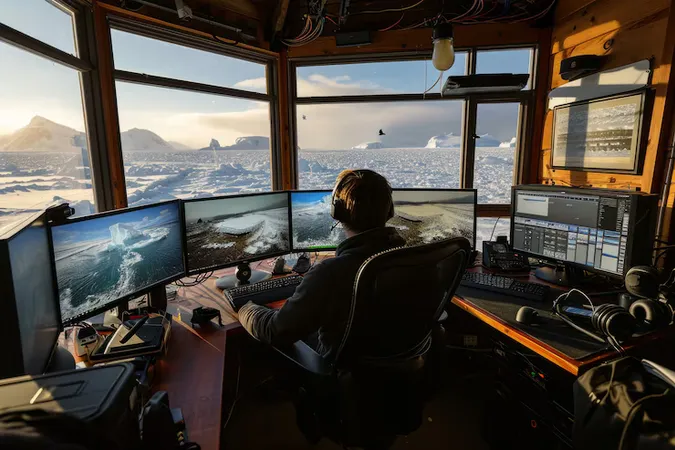
Troubleshooting and Repairs:
CMRTs are responsible for diagnosing and repairing any issues with marine radar systems. They identify problems in the system, troubleshoot the causes, and perform necessary repairs or replacements of faulty components.Training and Support:
In some cases, CMRTs provide training to vessel operators on how to use the radar system effectively. They may also offer ongoing technical support to ensure smooth operations.
CMRT Key Concepts
What is the passing score for the CMRT exam?
Most CMRT exams require 70-75% to pass. Check the official exam guide for exact requirements.
How long is the CMRT exam?
The CMRT exam typically allows 2-3 hours. Time management is critical for success.
How should I prepare for the CMRT exam?
Start with a diagnostic test, create a 4-8 week study plan, and take at least 3 full practice exams.
What topics does the CMRT exam cover?
The CMRT exam covers multiple domains. Review the official content outline for the complete list.
- ✓Review the official CMRT exam content outline
- ✓Take a diagnostic practice test to identify weak areas
- ✓Create a study schedule (4-8 weeks recommended)
- ✓Focus on your weakest domains first
- ✓Complete at least 3 full-length practice exams
- ✓Review all incorrect answers with detailed explanations
- ✓Take a final practice test 1 week before exam day
Certification Process: How to Become a CMRT
To become a Certified Marine Radar Technician, candidates must complete a series of training and testing requirements. Here's an overview of the steps involved:
Complete Technical Education:
Most CMRTs start with a background in marine electronics or a related field. This education typically includes courses on electrical systems, radar technology, and maritime safety regulations. Technical programs offered by community colleges or vocational schools are common pathways to enter the field.Hands-On Training:
Aspiring CMRTs gain practical experience by working with radar systems under the supervision of experienced professionals. This hands-on training is crucial for understanding how to install, calibrate, and troubleshoot marine radar systems.
Obtain CMRT Certification:
After completing education and training, candidates must pass a certification exam that tests their knowledge of radar systems, electronics, and troubleshooting techniques. Certification is often granted by recognized bodies, such as the National Association of Marine Electronics Associates (NMEA).
Maintain Certification:
Like many technical certifications, CMRT certification requires professionals to participate in continuing education to stay current with new radar technologies, software updates, and industry standards.
Educational Pathways for CMRTs
The road to becoming a CMRT typically involves several educational and training milestones:
Formal Education:
Many CMRTs begin their careers by pursuing an associate's or bachelor's degree in marine technology, electrical engineering, or a related field. These programs often include courses in electronics, radar systems, and maritime safety.Marine Radar-Specific Training:
Specialized training in marine radar systems is often necessary. Various trade schools and institutions offer programs focused on marine electronics and radar system maintenance. These programs cover topics such as radar principles, installation techniques, calibration, and diagnostics.On-the-Job Training:
Practical, on-the-job training is critical for gaining real-world experience. Aspiring CMRTs often work alongside experienced technicians on ships or in maritime companies to gain firsthand knowledge of radar system installations and troubleshooting.
Career Opportunities for CMRTs
The demand for Certified Marine Radar Technicians is growing as the maritime industry continues to expand. These professionals play a vital role in ensuring the safe operation of ships and vessels, particularly in challenging conditions. Career opportunities for CMRTs exist in several sectors:
Commercial Shipping:
Commercial vessels, such as cargo ships, tankers, and cruise ships, rely heavily on radar systems for navigation. CMRTs work in shipping companies to maintain radar systems on these vessels, ensuring their safety and compliance with regulations.Marine Research and Exploration:
Research vessels used for scientific studies often require specialized radar systems. CMRTs can find opportunities in marine research institutions or government agencies, ensuring that the equipment is functioning accurately for safe operations.
Naval and Military Services:
The military also employs marine radar technicians to maintain radar systems on military vessels, submarines, and coast guard ships. These positions often offer excellent job security and benefits.
Private and Recreational Vessels:
Smaller marine companies and private yacht owners also need radar technicians to install and maintain radar systems on recreational boats and personal vessels.
- +Industry-recognized credential boosts your resume
- +Higher earning potential (10-20% salary increase on average)
- +Demonstrates commitment to professional development
- +Opens doors to advanced career opportunities
- −Exam preparation requires significant time investment (4-8 weeks)
- −Certification fees can be $100-$400+
- −May require continuing education to maintain
- −Some employers may not require certification
Conclusion
Becoming a Certified Marine Radar Technician (CMRT) offers a rewarding career in the rapidly growing maritime industry. CMRTs play a crucial role in ensuring the safe and efficient operation of radar systems on vessels, contributing to the safety of ships, their crews, and their passengers. Through specialized education, hands-on training, and certification, aspiring CMRTs can enter a field that offers diverse career opportunities and job security.
With the continuous advancement of radar technologies and increasing demands for maritime safety, the need for skilled professionals in this field is only set to grow. Those who choose the path of a CMRT will find themselves at the heart of maritime technology, enjoying competitive salaries and opportunities for career advancement.
FAQs
What is the role of a Certified Marine Radar Technician (CMRT)?
CMRTs are responsible for the installation, maintenance, calibration, and troubleshooting of radar systems on marine vessels.
How do I become a CMRT?
To become a CMRT, you must complete specialized education in marine electronics, undergo hands-on training, and pass a certification exam from an accredited organization.
What are the job prospects for CMRTs?
CMRTs have a wide range of career opportunities in commercial shipping, marine research, the military, and private marine sectors.
Is certification necessary to work as a marine radar technician?
While certification is not always mandatory, it is highly recommended as it demonstrates expertise and improves job prospects in the industry.
About the Author

Master Mariner & Maritime Certification Specialist
Massachusetts Maritime AcademyCaptain David Harrington is a US Coast Guard licensed Master Mariner with a Bachelor of Science in Marine Transportation from Massachusetts Maritime Academy. He has 22 years of deep-sea and coastal navigation experience aboard commercial vessels and specializes in preparing maritime candidates for USCG licensing exams, STCW certification, dynamic positioning (DPO), and officer-of-the-watch qualifications.
Join the Discussion
Connect with other students preparing for this exam. Share tips, ask questions, and get advice from people who have been there.
View discussion (8 replies)