

CIT Practice Test
Updated for October 2026The field of implantology plays a critical role in modern dentistry, providing patients with solutions for tooth loss through the use of dental implants. The (CIT) Certified Implantology Technician designation is a highly respected certification that signifies a professional's expertise in the technical aspects of dental implant procedures. This guide provides a comprehensive overview of the CIT certification process, from training and coursework to exam preparation, career opportunities, and frequently asked questions. Whether you are just starting your career in implantology or looking to further your credentials, the CIT certification can enhance your qualifications and open doors to new professional opportunities.
CIT Practice Test Questions
Prepare for the CIT - Certified Implantology Technician exam with our free practice test modules. Each quiz covers key topics to help you pass on your first try.
CIT Anatomy & Physiology Fundamentals
CIT Exam Questions covering Anatomy & Physiology Fundamentals. Master CIT Test concepts for certification prep.
CIT Bone Grafting & Osseointegration
Free CIT Practice Test featuring CIT Bone Grafting & Osseointegration. Improve your CIT Exam score with mock test prep.
CIT Prosthetic Components & Restoration
CIT Mock Exam on CIT Prosthetic Components & Restoration. CIT Study Guide questions to pass on your first try.
CIT Prosthetics & Restoration
CIT Test Prep for CIT Prosthetics & Restoration. Practice CIT Quiz questions and boost your score.
CIT Radiography & Imaging
CIT Questions and Answers on CIT Radiography & Imaging. Free CIT practice for exam readiness.
CIT Dental Laboratory Communication & Impl...
CIT Mock Test covering Dental Laboratory Communication & Implant Prosthetics Workflow. Online CIT Test practice with instant feedback.
CIT Digital Impressions & CAD/CAM Workflow...
Free CIT Quiz on Digital Impressions & CAD/CAM Workflows for Implants. CIT Exam prep questions with detailed explanations.
CIT Documentation & Record Keeping
CIT Practice Questions for Documentation & Record Keeping. Build confidence for your CIT certification exam.
CIT Equipment Operation & Maintenance
CIT Test Online for Equipment Operation & Maintenance. Free practice with instant results and feedback.
CIT Implant Design & Fabrication
CIT Study Material on Implant Design & Fabrication. Prepare effectively with real exam-style questions.
CIT Implant Materials & Techniques
Free CIT Test covering Implant Materials & Techniques. Practice and track your CIT exam readiness.
CIT Medical Ethics & Patient Rights
CIT Exam Questions covering Medical Ethics & Patient Rights. Master CIT Test concepts for certification prep.
CIT Occlusion & Bite Registration in Impla...
Free CIT Practice Test featuring Occlusion & Bite Registration in Implant Dentistry. Improve your CIT Exam score with mock test prep.
CIT Patient Assessment & Clinical Evaluation
CIT Mock Exam on Patient Assessment & Clinical Evaluation. CIT Study Guide questions to pass on your first try.
CIT Patient Care & Post-Operative Management
CIT Test Prep for Patient Care & Post-Operative Management. Practice CIT Quiz questions and boost your score.
CIT Peri-Implant Disease & Long-Term Maint...
CIT Questions and Answers on Peri-Implant Disease & Long-Term Maintenance. Free CIT practice for exam readiness.
CIT Pharmacology & Medications in Implanto...
CIT Mock Test covering Pharmacology & Medications in Implantology. Online CIT Test practice with instant feedback.
CIT Regulatory Compliance & Standards
Free CIT Quiz on Regulatory Compliance & Standards. CIT Exam prep questions with detailed explanations.
CIT Safety & Infection Control
CIT Practice Questions for Safety & Infection Control. Build confidence for your CIT certification exam.
CIT Soft Tissue Management & Gingival Esth...
CIT Test Online for Soft Tissue Management & Gingival Esthetics Around Implants. Free practice with instant results and feedback.
Key Takeaways
Free CIT Practice Test Online
CIT Certification: Earning a Certified Implantology Technician credential demonstrates your expertise in the technical aspects of dental implant procedures and enhances your career opportunities in this growing field.
Training and Coursework: Completing a specialized dental implantology course is essential for building the theoretical knowledge and hands-on skills needed to succeed as a CIT.
Career Opportunities: Certified Implantology Technicians can work in a variety of settings, including dental clinics, oral surgery centers, and specialized implantology practices.
CIT Test: Your Path to Implantology Certification
Becoming a Certified Implantology Technician requires a blend of formal education, practical experience, and passing a comprehensive exam. This certification validates your ability to support dental professionals in placing and maintaining dental implants, as well as in using advanced tools and techniques in implantology.
Eligibility Requirements: To pursue CIT certification, candidates must typically have a background in dental assisting, dental technology, or a related field. Experience in working with dental implants is often necessary, either through on-the-job training or formal education.
Key Skills for CIT Certification:
- Thorough knowledge of dental anatomy and implantology.
- Proficiency in using specialized tools and technology related to dental implants.
- Ability to collaborate with dentists and oral surgeons during implant procedures.
- Understanding of patient care and post-implant follow-up processes.
Certification Process:
- Completing a formal training program in implantology is the first step. Afterward, you’ll need to pass the CIT certification exam, which tests your theoretical knowledge and practical skills.
- Ongoing education is crucial to maintaining certification and staying updated on the latest developments in dental implantology.

Implant Dentist: The Role of a Certified Implantology Technician
An implant dentist relies on the expertise of a Certified Implantology Technician (CIT) to ensure that dental implants are placed and maintained correctly. Implantology technicians work closely with dental professionals to ensure successful procedures, providing essential technical support during surgeries and follow-up care.
Responsibilities:
- Assisting the dentist or oral surgeon in placing implants by preparing the necessary tools and equipment.
- Monitoring patient health and safety during and after the procedure.
- Maintaining detailed records of implant procedures, materials used, and patient outcomes.
- Troubleshooting issues with dental implants, such as improper placement or complications.
Collaboration with Implant Dentists:
- Implantology technicians play a vital role in the preparation and aftercare of dental implants, working hand-in-hand with the dentist to ensure patients receive high-quality care.
Patient Interaction:
- Although most of the technical work is done behind the scenes, implantology technicians often engage with patients, providing them with essential information on implant care and maintenance.
Dental Implantology Courses: Your First Step to CIT Certification
Before you can become a Certified Implantology Technician, you’ll need to complete specialized dental implantology courses. These courses cover the theoretical knowledge and practical skills required to excel in this growing field.
Course Topics:
- Dental Anatomy and Physiology: Understanding the structure of the teeth, gums, and bone is crucial for implant placement.
- Surgical Techniques: Courses will teach the different surgical methods used to place dental implants and how to assist during these procedures.
- Implant Materials: A deep understanding of the various materials used in dental implants, such as titanium and zirconia, is essential for successful procedures.
- Radiography: Training in using dental X-rays and other imaging technologies to assess bone health and determine the best placement for implants.
Course Duration:
- Dental implantology courses typically last anywhere from several weeks to a few months, depending on the depth of the program. Some may be available in an online format, allowing flexibility for those currently employed in the dental field.
Practical Training:
- In addition to coursework, hands-on training is a crucial aspect of these programs. Working under the supervision of experienced implantologists, you’ll gain valuable real-world experience in dental implant procedures.
Certificate in Implantology: Earning Your CIT Credential
Upon completing your coursework, the next step is earning your Certificate in Implantology, which involves passing the CIT exam. This certification is recognized by dental associations and employers, confirming your skills and qualifications as an implantology technician.
Exam Structure:
- The CIT exam includes both a written portion, testing your knowledge of dental implant theory, and a practical portion, where you’ll demonstrate your hands-on abilities in implant procedures.
Exam Preparation:
- To prepare for the CIT exam, it’s essential to review all aspects of your coursework, including dental anatomy, surgical techniques, implant materials, and patient care protocols. Many candidates also benefit from practice exams and review courses, which provide an opportunity to assess their knowledge and identify areas for improvement.
Maintaining Certification:
- Once you’ve earned your CIT credential, ongoing education is required to maintain your certification. This may involve taking additional courses, attending conferences, or staying updated on the latest trends and techniques in dental implantology.
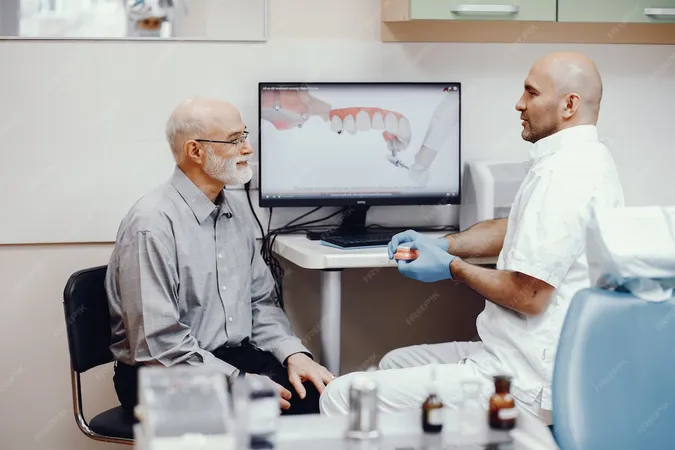
Implantology Training: The Importance of Continuous Learning
The field of dental implantology is constantly evolving, with new technologies and methods emerging to improve patient outcomes. To remain competitive and effective as a Certified Implantology Technician, continuous learning is vital.
Advanced Courses:
- After achieving CIT certification, consider taking advanced courses in implantology to stay at the forefront of the field. These courses cover topics such as advanced surgical techniques, digital implantology, and 3D imaging technologies.
Workshops and Seminars:
- Attending hands-on workshops and industry seminars provides valuable opportunities to network with other professionals and learn about new advancements in dental implant technology and patient care.
Professional Associations:
- Joining professional organizations, such as the American Academy of Implant Dentistry (AAID) or the International Congress of Oral Implantologists (ICOI), offers access to ongoing education, industry news, and certification maintenance programs.
Conclusion
The Certified Implantology Technician (CIT) certification is a valuable credential for those looking to excel in the dental implant field. By completing the necessary training and passing the CIT exam, professionals can demonstrate their knowledge and expertise in dental implantology, opening doors to rewarding career opportunities. With the growing demand for dental implants, there has never been a better time to pursue certification and enhance your skills in this specialized area of dentistry.
- +Validates your knowledge and skills objectively
- +Increases job market competitiveness
- +Provides structured learning goals
- +Networking opportunities with other certified professionals
- −Study materials can be expensive
- −Exam anxiety can affect performance
- −Requires dedicated preparation time
- −Retake fees apply if you don't pass
Pros and Cons at a Glance
| Pros | Cons |
|---|---|
| Validates your knowledge and skills objectively | Study materials can be expensive |
| Increases job market competitiveness | Exam anxiety can affect performance |
| Provides structured learning goals | Requires dedicated preparation time |
| Networking opportunities with other certified professionals | Retake fees apply if you don't pass |
Sample Certified Implantology Technician Practice Questions
Try these questions from our free Certified Implantology Technician practice tests. The correct answer and an explanation follow each question.
A Certified Implantology Technician receives a lab prescription that is incomplete. What is the correct action?
- A. Proceed based on best judgment
- B. Contact the prescribing clinician for clarification before fabricating
- C. Return the case without explanation
- D. Use a standard default design
Answer: B. Contact the prescribing clinician for clarification before fabricating
An incomplete prescription must be clarified with the prescribing clinician to ensure the restoration meets treatment requirements.
A Certified Implantology Technician discovers an error in a previously submitted electronic record. What is the appropriate step?
- A. Delete the original entry and replace it
- B. Add an addendum with the correct information, date, and author identification
- C. Leave the error uncorrected to avoid complications
- D. Notify only the billing department
Answer: B. Add an addendum with the correct information, date, and author identification
Electronic records should never be deleted; an addendum with correction details maintains an accurate and auditable record.
Which ethical principle obligates an implantology technician to act in the patient's best interest even when the patient may prefer a different course of action?
- A. Autonomy
- B. Non-maleficence
- C. Beneficence
- D. Justice
Answer: C. Beneficence
Beneficence requires healthcare providers to act in ways that promote the patient's best health interests and well-being.
A dental technician notices a fabrication error that could compromise an implant crown's longevity. Ethically, the technician should:
- A. Deliver the restoration and say nothing to avoid conflict
- B. Immediately notify the supervising dentist of the defect before delivery
- C. Repair the defect without informing anyone
- D. Charge the patient for a replacement without explanation
Answer: B. Immediately notify the supervising dentist of the defect before delivery
Patient safety requires disclosure of fabrication errors to the supervising dentist before delivery to prevent foreseeable harm.
Take the full Certified Implantology Technician practice test
About the Author

Certified Professional Development Expert & Niche Certification Advisor
University of Pennsylvania Graduate School of EducationDr. Alexandra Kim holds a PhD in Professional Studies from the University of Pennsylvania and is a Certified Professional in Learning and Performance (CPLP) and Certified Professional in Talent Development (CPTD). With 17 years of corporate training and professional certification advisory experience, she helps professionals navigate specialized, emerging, and cross-industry certification programs.