

CET Practice Test
Updated for October 2026Becoming a Certified Euthanasia Technician is an important and compassionate career in the animal care and veterinary field. Euthanasia technicians play a crucial role in helping pet owners and veterinarians navigate the difficult process of euthanasia, ensuring that it is done humanely and with respect. This article explores the qualifications, responsibilities, and career opportunities for those considering a role in euthanasia technology.
CET Practice Test Questions
Prepare for the CET - Certified Euthanasia Technician exam with our free practice test modules. Each quiz covers key topics to help you pass on your first try.
CET AC Circuit Analysis & Power
CET Exam Questions covering AC Circuit Analysis & Power. Master CET Test concepts for certification prep.
CET Animal Welfare and Compassion
Free CET Practice Test featuring Animal Welfare and Compassion. Improve your CET Exam score with mock test prep.
CET Behavioral Assessment & Animal Handling
CET Mock Exam on Behavioral Assessment & Animal Handling. CET Study Guide questions to pass on your first try.
CET Communication Systems & RF
CET Test Prep for Communication Systems & RF. Practice CET Quiz questions and boost your score.
CET DC Circuit Analysis & Theory
CET Questions and Answers on DC Circuit Analysis & Theory. Free CET practice for exam readiness.
CET Digital Logic & Microprocessors
CET Mock Test covering Digital Logic & Microprocessors. Online CET Test practice with instant feedback.
CET Embedded Systems & Programming
Free CET Quiz on Embedded Systems & Programming. CET Exam prep questions with detailed explanations.
CET Ethical and Legal Considerations
CET Practice Questions for Ethical and Legal Considerations. Build confidence for your CET certification exam.
CET Euthanasia Procedures and Techniques
CET Test Online for Euthanasia Procedures and Techniques. Free practice with instant results and feedback.
CET Facility Operations & Equipment Manage...
CET Study Material on Facility Operations & Equipment Management. Prepare effectively with real exam-style questions.
CET Pharmacology & Chemical Agents
Free CET Test covering Pharmacology & Chemical Agents. Practice and track your CET exam readiness.
CET Power Supply Design & Repair
CET Exam Questions covering Power Supply Design & Repair. Master CET Test concepts for certification prep.
CET Regulatory Compliance & Reporting
Free CET Practice Test featuring Regulatory Compliance & Reporting. Improve your CET Exam score with mock test prep.
CET Safety and Health Protocols
CET Mock Exam on Safety and Health Protocols. CET Study Guide questions to pass on your first try.
CET Semiconductor Devices & Circuits
CET Test Prep for Semiconductor Devices & Circuits. Practice CET Quiz questions and boost your score.
Key Takeaways
Free CET Practice Test Online
- Certification Requirements: Completing a euthanasia technician certification program, including hands-on training, and passing required exams.
- Core Skills: Knowledge of euthanasia procedures, handling emotionally charged situations, and understanding legal and ethical considerations.
- Career Path: Opportunities within animal shelters, veterinary clinics, and animal control agencies.
- Emotional Resilience: Handling the emotional challenges of working in euthanasia with professionalism and care.
Responsibilities, Skills, and Career Path
1. What is a Certified Euthanasia Technician?
A Certified Euthanasia Technician (CET) is a trained professional who administers euthanasia to animals in a humane and ethical manner. These technicians work closely with veterinarians, animal shelters, and pet owners, ensuring that animals are painlessly euthanized in accordance with both legal standards and ethical practices. Euthanasia technicians must be well-versed in the various methods of euthanasia, understanding the specific needs of each animal to ensure a peaceful and respectful end.
- ✓Confirm your exam appointment and location
- ✓Bring required identification documents
- ✓Arrive 30 minutes early to check in
- ✓Read each question carefully before answering
- ✓Flag difficult questions and return to them later
- ✓Manage your time — don't spend too long on one question
- ✓Review flagged questions before submitting
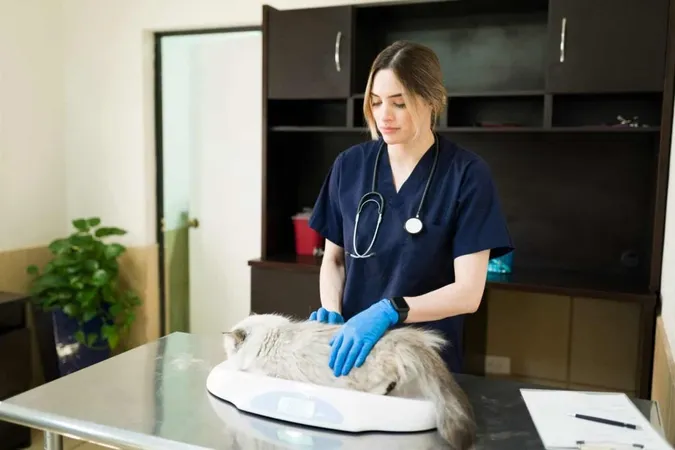
2. Certification Requirements and Training
To become a Certified Euthanasia Technician, candidates must undergo specific training programs, which include classroom learning and practical, hands-on experience. These programs typically cover a range of topics such as:
- Euthanasia techniques and medications
- Animal anatomy and physiology
- Legal and ethical considerations in euthanasia
- Emotional support for pet owners and staff
- Workplace safety and handling procedures
After completing training, candidates must pass an exam to demonstrate their understanding and competence in these areas. Some states or regions may require additional licensing or regulatory approval to work as a euthanasia technician.
3. Skills Needed for Success
Certified Euthanasia Technicians need a unique set of skills, including:
- Technical Proficiency: A solid understanding of euthanasia procedures and equipment is essential. Technicians must ensure that animals are treated with care and respect throughout the process.
- Emotional Intelligence: The ability to manage and cope with emotional situations, particularly when dealing with grieving pet owners, is critical. Compassion and professionalism are key.
- Communication Skills: Euthanasia technicians must communicate effectively with pet owners and team members, offering guidance, support, and comfort when needed.
4. Work Environments and Career Opportunities
Certified Euthanasia Technicians can find employment in a variety of settings, including:
- Animal Shelters: Shelters often employ euthanasia technicians to handle end-of-life decisions for animals that are unadoptable or suffering from illness.
- Veterinary Clinics: Some veterinary clinics offer euthanasia services as part of their overall care, providing technicians with additional opportunities for employment.
- Animal Control Agencies: These agencies may require euthanasia technicians to manage the euthanasia of animals in shelters or when handling overpopulation and stray animals.
Career advancement opportunities might include supervisory roles or transitioning into related fields such as veterinary technician or animal care management.
5. Legal and Ethical Considerations
Euthanasia technicians must adhere to both legal and ethical guidelines to ensure they are acting in the best interests of the animals and their owners. Laws governing euthanasia practices vary by region, and it's vital for technicians to stay informed about the rules in their area. Ethical considerations include ensuring that euthanasia is carried out with dignity, respect, and minimal suffering.

Conclusion
Becoming a Certified Euthanasia Technician is a challenging but highly rewarding career choice. It requires a combination of technical knowledge, emotional resilience, and compassion. With the proper certification and training, individuals can make a meaningful difference in the lives of pets and their owners, ensuring that animals are treated with respect and dignity during their final moments.
- +Validates your knowledge and skills objectively
- +Increases job market competitiveness
- +Provides structured learning goals
- +Networking opportunities with other certified professionals
- −Study materials can be expensive
- −Exam anxiety can affect performance
- −Requires dedicated preparation time
- −Retake fees apply if you don't pass
Pros and Cons at a Glance
| Pros | Cons |
|---|---|
| Validates your knowledge and skills objectively | Study materials can be expensive |
| Increases job market competitiveness | Exam anxiety can affect performance |
| Provides structured learning goals | Requires dedicated preparation time |
| Networking opportunities with other certified professionals | Retake fees apply if you don't pass |
Sample Certified Euthanasia Technician Practice Questions
Try these questions from our free Certified Euthanasia Technician practice tests. The correct answer and an explanation follow each question.
How does risk management apply to daily practice in DC Circuit Analysis & Theory for Certified Euthanasia Technician professionals?
- A. Through proactive identification of potential hazards and implementation of preventive measures
- B. Only through responding to incidents after they occur
- C. By avoiding high-risk situations entirely
- D. Through annual safety audits exclusively
Answer: A. Through proactive identification of potential hazards and implementation of preventive measures
Effective risk management in DC Circuit Analysis & Theory requires proactive hazard identification and preventive measures, not just reactive responses. This approach reduces incidents, improves outcomes, and protects both professionals and clients.
What are the signs a certified euthanasia technician uses to confirm death in an animal?
- A. Only checking for breathing
- B. Absence of heartbeat, respiration, corneal reflex, and onset of rigor mortis
- C. Checking body temperature only
- D. Waiting a standard 30 seconds after injection
Answer: B. Absence of heartbeat, respiration, corneal reflex, and onset of rigor mortis
Multiple signs must be checked including absence of heartbeat, respiration, and corneal reflex, with adequate observation time, to conclusively confirm death.
What documentation practice is considered essential in Embedded Systems & Programming within the Certified Euthanasia Technician field?
- A. Recording actions, observations, and outcomes in real-time or as close to the event as possible
- B. Completing all documentation at the end of the workday
- C. Only documenting unusual events or complications
- D. Using shorthand notes that can be expanded later if needed
Answer: A. Recording actions, observations, and outcomes in real-time or as close to the event as possible
Real-time or near-real-time documentation in Embedded Systems & Programming ensures accuracy, provides a contemporaneous record, and is considered the gold standard for professional accountability and legal defensibility.
What documentation practice is considered essential in AC Circuit Analysis & Power within the Certified Euthanasia Technician field?
- A. Recording actions, observations, and outcomes in real-time or as close to the event as possible
- B. Completing all documentation at the end of the workday
- C. Only documenting unusual events or complications
- D. Using shorthand notes that can be expanded later if needed
Answer: A. Recording actions, observations, and outcomes in real-time or as close to the event as possible
Real-time or near-real-time documentation in AC Circuit Analysis & Power ensures accuracy, provides a contemporaneous record, and is considered the gold standard for professional accountability and legal defensibility.
About the Author

Certified Professional Development Expert & Niche Certification Advisor
University of Pennsylvania Graduate School of EducationDr. Alexandra Kim holds a PhD in Professional Studies from the University of Pennsylvania and is a Certified Professional in Learning and Performance (CPLP) and Certified Professional in Talent Development (CPTD). With 17 years of corporate training and professional certification advisory experience, she helps professionals navigate specialized, emerging, and cross-industry certification programs.
Join the Discussion
Connect with other students preparing for this exam. Share tips, ask questions, and get advice from people who have been there.
View discussion (9 replies)