

CCC Practice Test
Updated for September 2026The automotive industry relies heavily on skilled professionals to repair and restore vehicles after accidents. Certified Collision Craft (CCC) technicians play a crucial role in ensuring that vehicles are safely and effectively repaired according to industry standards.
With certification, collision repair professionals gain credibility, increase job opportunities, and demonstrate proficiency in auto body repair, painting, and refinishing. This guide covers everything you need to know about obtaining collision repair certification, the benefits of becoming certified, and career prospects in the industry.
CCC Practice Test Questions
Prepare for the CCC - Certified Collision Craft exam with our free practice test modules. Each quiz covers key topics to help you pass on your first try.
CCC Automotive Refinishing & Paint Matching
CCC Exam Questions covering Automotive Refinishing & Paint Matching. Master CCC Test concepts for certification prep.
CCC Insurance Claims & Documentation
Free CCC Practice Test featuring CCC Insurance Claims & Documentation. Improve your CCC Exam score with mock test prep.
CCC Parts Procurement & Vehicle Restoration
CCC Mock Exam on CCC Parts Procurement & Vehicle Restoration. CCC Study Guide questions to pass on your first try.
CCC Communication & Stakeholder Engagement
CCC Test Prep for Communication & Stakeholder Engagement. Practice CCC Quiz questions and boost your score.
CCC Professional Ethics & Standards
CCC Questions and Answers on Professional Ethics & Standards. Free CCC practice for exam readiness.
CCC Quality Assurance & Compliance
CCC Mock Test covering Quality Assurance & Compliance. Online CCC Test practice with instant feedback.
CCC Risk Management & Mitigation
Free CCC Quiz on Risk Management & Mitigation. CCC Exam prep questions with detailed explanations.
CCC Safety Standards & Industry Compliance
CCC Practice Questions for Safety Standards & Industry Compliance. Build confidence for your CCC certification exam.
CCC Structural & Non-Structural Repair Tec...
CCC Test Online for Structural & Non-Structural Repair Techniques. Free practice with instant results and feedback.
Key Takeaways
Free Collision Craft Practice Test Online
- Certified collision craft ensures high-quality repairs that meet industry standards.
- Craft collision centers specialize in manufacturer-approved techniques and materials.
- Auto craft collision facilities offer warranties and manufacturer-backed services.
- Craft body shops focus on high-precision auto body repairs and refinishing.
- Autocraft service centers provide comprehensive repair services, from collision fixes to mechanical work.
Understanding Certified Collision Craft
Certified Collision Craft (CCC) refers to auto body repair facilities and technicians who meet specific industry standards for quality, safety, and expertise. Certification programs are established by organizations such as the National Institute for Automotive Service Excellence (ASE) and the Inter-Industry Conference on Auto Collision Repair (I-CAR).
These certifications ensure that repair technicians follow manufacturer-recommended procedures and use approved materials, providing high-quality repairs that restore vehicles to their pre-accident condition.
- ✓Confirm your exam appointment and location
- ✓Bring required identification documents
- ✓Arrive 30 minutes early to check in
- ✓Read each question carefully before answering
- ✓Flag difficult questions and return to them later
- ✓Manage your time — don't spend too long on one question
- ✓Review flagged questions before submitting
Benefits of Certified Collision Craft
Choosing a certified collision craft facility ensures several advantages, including:
- Quality Assurance: Certified repair shops use advanced tools, techniques, and materials that meet or exceed industry standards.
- Manufacturer-Endorsed Repairs: Many certifications require compliance with vehicle manufacturer repair guidelines.
- Safety Standards: Certified facilities follow strict safety procedures to ensure the structural integrity of repaired vehicles.
- Trained Technicians: Certification programs require technicians to complete ongoing training and education.
- Warranty Protection: Many certified repair centers offer warranties on their work, giving customers peace of mind.
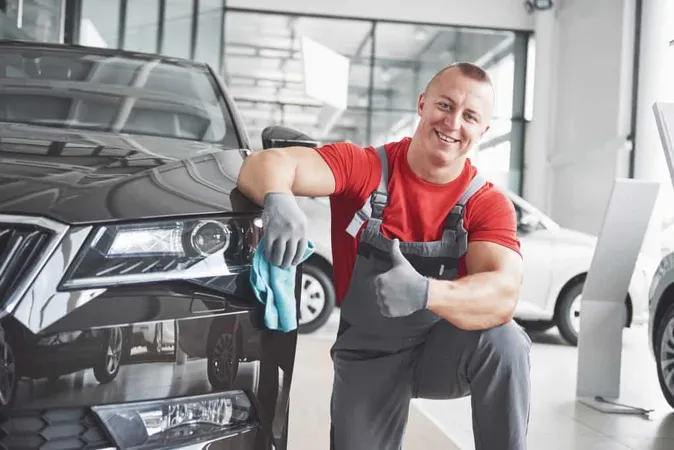
What Is Craft Collision?
Craft collision is a specialized approach to auto body repair, emphasizing precision, expertise, and quality craftsmanship. Unlike general repair shops, a craft collision center focuses on restoring vehicles to their original specifications using manufacturer-recommended techniques and equipment.
These facilities typically undergo rigorous certification processes and continuous training to stay updated with industry advancements. Some of the key elements of craft collision include:
- Use of OEM (Original Equipment Manufacturer) Parts: Ensuring compatibility and longevity of repairs.
- Computerized Diagnostics and Repair Tools: Advanced technology improves accuracy in damage assessment and repair execution.
- Environmental Compliance: Many certified facilities use eco-friendly practices, such as water-based paints and energy-efficient equipment.
Why Choose an Auto Craft Collision Center?
An auto craft collision center is more than just a repair shop; it is a facility dedicated to excellence in auto body repair. These centers are known for:
- Adhering to Industry Best Practices: Meeting the highest standards for structural and cosmetic repairs.
- Efficient Repair Processes: Streamlined workflows reduce repair times without compromising quality.
- Customer Satisfaction Focus: Providing transparent estimates, insurance assistance, and quality guarantees.
- Specialization in Various Vehicle Brands: Some centers hold multiple manufacturer certifications, allowing them to work on various makes and models.
How to Identify a Certified Auto Craft Collision Center
To ensure you choose the best facility, look for:
- Certifications from ASE, I-CAR, or vehicle manufacturers.
- Positive customer reviews and ratings.
- Transparent pricing and detailed repair estimates.
- Use of OEM parts and high-quality materials.
- Warranty options on repair work.
The Role of a Craft Body Shop
A craft body shop is dedicated to high-quality auto body repair and refinishing. These shops focus on restoring vehicles to their original aesthetic and structural integrity while ensuring compliance with industry and manufacturer standards.
Key Features of a Craft Body Shop:
- Expert Color Matching: High-precision paint technology ensures seamless blending.
- Frame Straightening: Computerized systems restore damaged frames to factory specifications.
- Paintless Dent Repair (PDR): A cost-effective method for fixing minor dents without repainting.
- Advanced Welding Techniques: Ensuring structural strength in repaired sections.
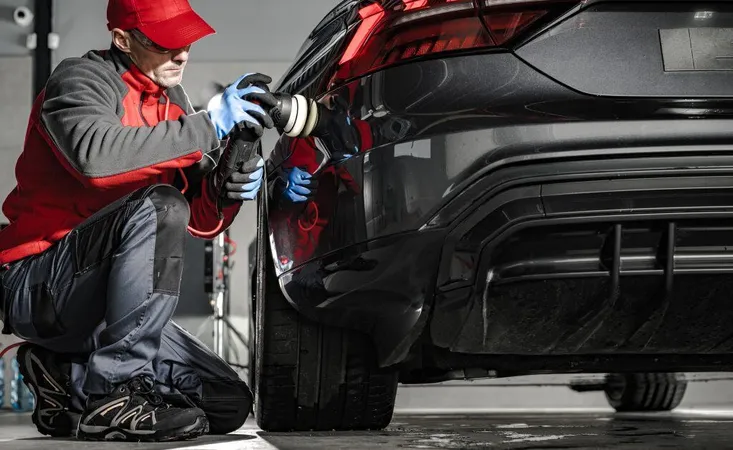
The Importance of an Autocraft Service Center
An autocraft service center provides comprehensive vehicle repair services, from minor cosmetic touch-ups to full structural repairs. These facilities often include:
- Collision Repair Services: Restoring vehicles to pre-accident condition.
- Mechanical Repairs: Addressing underlying mechanical issues post-collision.
- Glass and Windshield Replacement: Ensuring safety and visibility.
- Alignment and Suspension Repairs: Improving handling and vehicle stability.
How to Choose the Right Certified Collision Craft Facility
When selecting an auto body repair shop, consider the following:
- Check Certifications: Ensure the facility holds industry-recognized certifications.
- Ask About Warranty: Look for repair shops that offer a guarantee on their work.
- Read Customer Reviews: Online testimonials provide insights into service quality.
- Inspect the Facility: A clean, organized shop is often a sign of professionalism.
CCC: Pros and Cons
- +CCC certification validates expertise recognized by employers nationwide
- +Certified professionals typically earn 15-20% higher salaries
- +Opens doors to advanced positions and leadership roles
- +Demonstrates commitment to professional standards and ethics
- +Builds a strong professional network through certification communities
- −Exam preparation typically requires 2-4 months of dedicated study
- −Certification and exam fees can range from $150-$500+
- −Must complete continuing education to maintain active certification
- −Pass rates vary — thorough preparation is essential for success
- −Some certifications require prerequisite experience or education
About the Author

Certified Professional Development Expert & Niche Certification Advisor
University of Pennsylvania Graduate School of EducationDr. Alexandra Kim holds a PhD in Professional Studies from the University of Pennsylvania and is a Certified Professional in Learning and Performance (CPLP) and Certified Professional in Talent Development (CPTD). With 17 years of corporate training and professional certification advisory experience, she helps professionals navigate specialized, emerging, and cross-industry certification programs.