

CCA Practice Test
Updated for September 2026As environmental concerns intensify, organizations are increasingly focused on reducing their carbon footprint. CCA (Certified Carbon Auditor) play a critical role in evaluating and reducing emissions, ensuring companies adhere to environmental regulations. This guide explores the CCA certification process, the duties and responsibilities of carbon auditors, and the steps to enter this growing field.
CCA Practice Test Questions
Prepare for the CCA - Certified Carbon Auditor exam with our free practice test modules. Each quiz covers key topics to help you pass on your first try.
CCA Carbon Offset & Credit Markets
CCA Exam Questions covering Carbon Offset & Credit Markets. Master CCA Test concepts for certification prep.
CCA Climate Science & GHG Fundamentals
Free CCA Practice Test featuring Climate Science & GHG Fundamentals. Improve your CCA Exam score with mock test prep.
CCA Estate Planning
CCA Mock Exam on Estate Planning. CCA Study Guide questions to pass on your first try.
CCA Financial Planning
CCA Test Prep for Financial Planning. Practice CCA Quiz questions and boost your score.
CCA Investment Analysis
CCA Questions and Answers on Investment Analysis. Free CCA practice for exam readiness.
CCA Portfolio Management
CCA Mock Test covering Portfolio Management. Online CCA Test practice with instant feedback.
CCA Regulatory Compliance
Free CCA Quiz on Regulatory Compliance. CCA Exam prep questions with detailed explanations.
CCA Risk Assessment
CCA Practice Questions for Risk Assessment. Build confidence for your CCA certification exam.
CCA Supply Chain & Scope 3 Emissions
CCA Test Online for Supply Chain & Scope 3 Emissions. Free practice with instant results and feedback.
CCA Tax Strategies
CCA Study Material on Tax Strategies. Prepare effectively with real exam-style questions.
CCA Audit Planning and Risk Assessment
Free CCA Test covering Audit Planning and Risk Assessment. Practice and track your CCA exam readiness.
CCA Audit Planning & Risk Assessment
CCA Exam Questions covering Audit Planning & Risk Assessment. Master CCA Test concepts for certification prep.
CCA Carbon Accounting & Reporting Standards
Free CCA Practice Test featuring Carbon Accounting & Reporting Standards. Improve your CCA Exam score with mock test prep.
Key Takeaways
Free Carbon Auditor Practice Test Online
- CCA Certification: Offers validation of skills in carbon auditing, emission reduction, and compliance with environmental standards.
- Increased Demand: Rising demand for CCAs reflects global commitments to sustainability and carbon neutrality.
- Career Path: A diverse range of industries, from government to private corporations, offers opportunities for certified carbon auditors.
- Preparation Tips: Focus on understanding GHG accounting, compliance regulations, and sustainability practices.
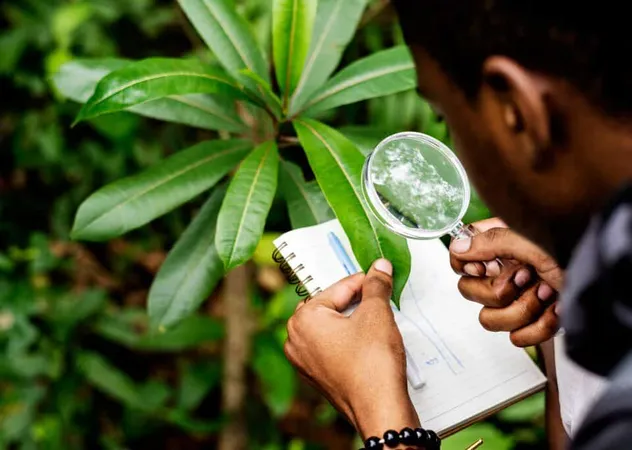
What is a CCA?
A CCA (Certified Carbon Auditor) is a professional trained to assess and verify an organization’s carbon footprint. CCAs evaluate emissions, recommend reduction strategies, and ensure compliance with sustainability regulations. The certification demonstrates expertise in greenhouse gas (GHG) accounting and knowledge of environmental standards, making it valuable for those seeking a role in environmental consulting or sustainability.
Why CCA Certification Matters:
- Validates expertise in carbon management and sustainability.
- Demonstrates commitment to reducing environmental impact.
- Opens doors to career advancement in sustainability and environmental compliance.
Becoming a CCA is an excellent choice for individuals passionate about environmental stewardship and those aiming to help organizations meet carbon neutrality goals.
CCA Study Tips
What's the best study strategy for CCA?
Focus on weak areas first. Use practice tests to identify gaps, then study those topics intensively.
How far in advance should I start studying?
Most successful candidates begin 4-8 weeks before the exam. Create a structured study schedule.
Should I retake practice tests?
Yes! Take each practice test 2-3 times. Focus on understanding why answers are correct, not memorizing.
What should I do on exam day?
Arrive 30 min early, bring required ID, read questions carefully, flag difficult ones, and review before submitting.
Carbon Auditor Certification
The CCA certification is awarded by recognized environmental organizations that assess candidates’ understanding of carbon accounting and sustainability practices. Preparing for the certification exam includes studying key concepts such as carbon emissions reporting, verification processes, and the use of auditing tools.
Topics Covered in Certification:
- Greenhouse Gas (GHG) Accounting: Methods for calculating emissions across Scope 1, Scope 2, and Scope 3.
- Environmental Regulations and Standards: Knowledge of ISO 14064, the Kyoto Protocol, and Paris Agreement goals.
- Audit Methodologies: Proficiency in auditing procedures, including site assessments, data verification, and reporting.
- Sustainability Practices: Implementation of reduction strategies and awareness of renewable energy and energy efficiency measures.
Aspiring CCAs can find study resources, training courses, and practice exams through various environmental organizations and universities.
Carbon Auditor Salary
The salary of a Certified Carbon Auditor varies based on factors such as location, level of experience, and sector. However, due to the rising importance of environmental compliance, certified carbon auditors generally earn competitive salaries, with strong demand across industries.
Estimated Salary Range:
- Entry-Level: $50,000 - $65,000 annually.
- Mid-Level: $65,000 - $85,000 annually.
- Senior-Level: $85,000 - $100,000+ annually.
Carbon auditors working in consulting or government roles may see higher salary ranges, especially with advanced certifications and specialized skills.
How Much Does a CCA Make?
The earnings potential for a Certified Carbon Auditor is promising, as sustainability and carbon management have become central concerns across various industries. The demand for certified professionals in this field is increasing, resulting in more competitive compensation.
Factors Influencing Salary:
- Location: Urban areas with large industries or environmentally conscious communities may offer higher wages.
- Experience: Seasoned CCAs with a record of successful audits and emission reduction strategies typically earn more.
- Industry: CCAs in energy, manufacturing, and government agencies may see higher compensation due to industry-specific compliance needs.
With many organizations aiming to achieve net-zero emissions, CCAs play a crucial role, and employers recognize this by offering competitive salaries.
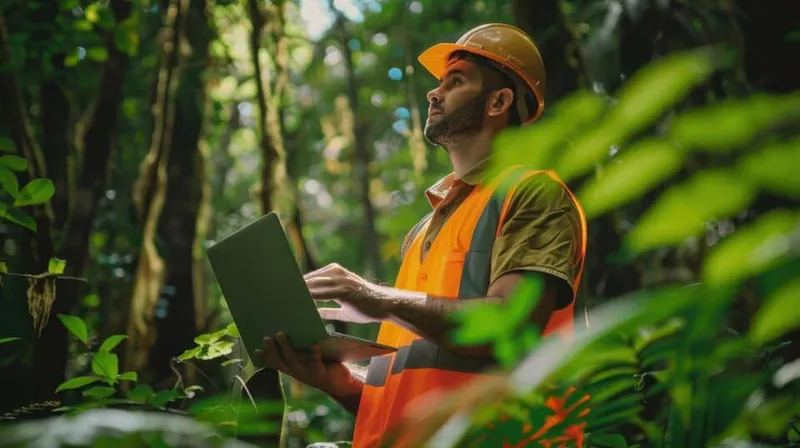
How to Become a CCA
Becoming a Certified Carbon Auditor requires a blend of formal education, industry knowledge, and certification. Here are the steps to begin your journey toward a career as a CCA:
- Educational Background: A degree in environmental science, engineering, or a related field provides foundational knowledge.
- Gain Experience: Work in fields like environmental compliance, energy management, or sustainability to gain hands-on experience.
- Obtain Certification: Enroll in a CCA certification program offered by a reputable organization or institution.
- Develop Specialized Skills: Knowledge of carbon accounting software and proficiency in environmental standards will enhance your expertise.
- Continuous Learning: Keep up with industry trends, new regulations, and emerging technologies in carbon management.
By following these steps, you’ll be well-prepared to contribute to sustainability initiatives in both public and private sectors.

Conclusion
The CCA (Certified Carbon Auditor) credential is an excellent step toward a fulfilling career in environmental sustainability. As companies commit to more sustainable practices and strive to achieve carbon neutrality, the need for skilled carbon auditors is more critical than ever. With the CCA certification, you can showcase your expertise, make a positive impact on the environment, and find rewarding opportunities in various sectors.
For anyone passionate about addressing climate change and promoting sustainable practices, becoming a Certified Carbon Auditor is a meaningful and impactful career choice. The role allows professionals to contribute directly to environmental protection, helping companies reduce their ecological footprint and adhere to global standards.
- +Validates your knowledge and skills objectively
- +Increases job market competitiveness
- +Provides structured learning goals
- +Networking opportunities with other certified professionals
- −Study materials can be expensive
- −Exam anxiety can affect performance
- −Requires dedicated preparation time
- −Retake fees apply if you don't pass
(CCA) Certified Carbon Auditor Questions and Answers
About the Author

Certified Professional Development Expert & Niche Certification Advisor
University of Pennsylvania Graduate School of EducationDr. Alexandra Kim holds a PhD in Professional Studies from the University of Pennsylvania and is a Certified Professional in Learning and Performance (CPLP) and Certified Professional in Talent Development (CPTD). With 17 years of corporate training and professional certification advisory experience, she helps professionals navigate specialized, emerging, and cross-industry certification programs.
Join the Discussion
Connect with other students preparing for this exam. Share tips, ask questions, and get advice from people who have been there.
View discussion (8 replies)