

CBT Practice Test
Updated for September 2026The world of broadcasting relies heavily on skilled technicians who ensure seamless audio and video transmission. A Certified Broadcast Technician (CBT) plays a crucial role in maintaining, operating, and troubleshooting broadcast equipment for television and radio stations. As the demand for high-quality broadcasts continues to rise, obtaining a CBT certification can open doors to rewarding career opportunities in the media and entertainment industries.
This guide explores the essential aspects of becoming a Certified Broadcast Technician, including job responsibilities, certification requirements, career prospects, and training options. Whether you are new to the field or looking to enhance your expertise, this comprehensive resource will help you navigate the path to certification and professional success.
CBT Practice Test Questions
Prepare for the CBT - Certified Broadcast Technician exam with our free practice test modules. Each quiz covers key topics to help you pass on your first try.
CBT Audio and Video Systems
CBT Exam Questions covering Audio and Video Systems. Master CBT Test concepts for certification prep.
CBT Broadcast Networking & IP Systems
Free CBT Practice Test featuring Broadcast Networking & IP Systems. Improve your CBT Exam score with mock test prep.
CBT Broadcast Transmission and Equipment
CBT Mock Exam on Broadcast Transmission and Equipment. CBT Study Guide questions to pass on your first try.
CBT Signal Processing & Distribution
CBT Test Prep for CBT Signal Processing & Distribution. Practice CBT Quiz questions and boost your score.
CBT Studio Operations & Production
CBT Questions and Answers on CBT Studio Operations & Production. Free CBT practice for exam readiness.
CBT Communication & Stakeholder Engagement
CBT Mock Test covering Communication & Stakeholder Engagement. Online CBT Test practice with instant feedback.
CBT Electronic Fundamentals
Free CBT Quiz on Electronic Fundamentals. CBT Exam prep questions with detailed explanations.
CBT FCC Rules, Safety & Operational Standards
CBT Practice Questions for FCC Rules, Safety & Operational Standards. Build confidence for your CBT certification exam.
CBT Professional Ethics & Standards
CBT Test Online for Professional Ethics & Standards. Free practice with instant results and feedback.
Key Takeaways
Free CBT Practice Test Online
A Certified Broadcast Technician (CBT) ensures high-quality audio and video transmission.
Broadcast Technicians work in TV stations, radio stations, sports venues, and streaming platforms.
Certification enhances career prospects, technical skills, and industry recognition.
Radio Broadcast Technicians specialize in managing radio signal transmission and audio quality.
To become a Certified Broadcast Technician, pursue education, gain experience, and earn industry-recognized certification.
Understanding the Role of a Certified Broadcast Technician
A Certified Broadcast Technician (CBT) is responsible for ensuring the smooth operation of broadcast transmission systems. These professionals work behind the scenes to set up, operate, and maintain broadcasting equipment for television, radio, and live-streaming platforms.
- ✓Review the official CBT exam content outline
- ✓Take a diagnostic practice test to identify weak areas
- ✓Create a study schedule (4-8 weeks recommended)
- ✓Focus on your weakest domains first
- ✓Complete at least 3 full-length practice exams
- ✓Review all incorrect answers with detailed explanations
- ✓Take a final practice test 1 week before exam day
Key Responsibilities of a Certified Broadcast Technician
Equipment Maintenance: Regularly inspect, repair, and maintain transmission and production equipment.
Signal Monitoring: Ensure optimal audio and video quality by adjusting transmission signals.
Troubleshooting Issues: Quickly diagnose and resolve technical problems during live broadcasts.
System Installation: Set up and configure broadcasting equipment, including antennas, satellite receivers, and sound systems.
Compliance with Regulations: Adhere to Federal Communications Commission (FCC) guidelines and industry standards.
Collaboration with Engineers: Work alongside broadcast engineers to upgrade and optimize transmission systems.
Certified Broadcast Technicians are essential to media production, ensuring audiences receive high-quality content without technical disruptions.
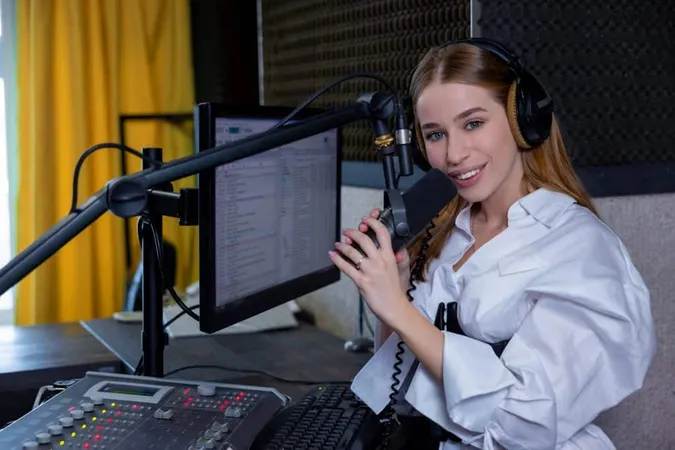
What Is a Broadcast Technician?
A Broadcast Technician is a technical professional who manages the transmission of radio and television signals. These specialists work in various settings, including television studios, radio stations, sports arenas, and production houses.
Where Do Broadcast Technicians Work?
Television Stations: Maintain and operate video transmission systems for live and recorded broadcasts.
Radio Stations: Ensure seamless audio transmission for FM, AM, and digital radio broadcasts.
News Studios: Support live news coverage by troubleshooting audio and video equipment.
Sports and Entertainment Venues: Handle large-scale production setups for live events.
Streaming Services: Maintain digital transmission systems for online broadcasts.
With technological advancements, Broadcast Technicians now work with digital transmission, satellite technology, and cloud-based broadcasting, expanding career opportunities beyond traditional media.
The Importance of Broadcast Technician Certification
A Broadcast Technician Certification validates an individual’s technical skills, knowledge of broadcasting regulations, and ability to manage transmission equipment effectively. Certification demonstrates expertise in handling modern broadcasting technology and can enhance career advancement opportunities.
Benefits of Becoming a Certified Broadcast Technician
Industry Recognition: Employers value certified professionals for their specialized skills.
Career Advancement: Certification can lead to higher-paying positions and leadership roles.
Technical Proficiency: Certified professionals are well-versed in troubleshooting and maintaining broadcast systems.
Competitive Advantage: Certification enhances job prospects in a competitive job market.
Compliance Knowledge: Understanding industry regulations ensures adherence to broadcasting standards.
Popular certifications include:
Certified Broadcast Technician (CBT) – Society of Broadcast Engineers (SBE)
Certified Audio Engineer (CAE)
FCC General Radiotelephone Operator License
Each certification involves exams and hands-on training to ensure technicians meet industry standards.
Becoming a Radio Broadcast Technician
A Radio Broadcast Technician specializes in operating and maintaining equipment used in radio stations. These professionals ensure clear audio transmission and proper signal distribution for live and recorded broadcasts.
Core Responsibilities of a Radio Broadcast Technician
Managing Audio Consoles: Adjust sound levels and enhance audio clarity.
Maintaining Transmission Equipment: Ensure proper functioning of radio towers and antennas.
Audio Editing and Processing: Use software tools to enhance sound quality.
Handling Live Broadcasts: Resolve technical issues in real-time during radio shows.
Ensuring FCC Compliance: Adhere to federal guidelines for radio broadcasting.
With the rise of digital and internet radio, technicians must also be familiar with streaming platforms and podcasting technologies to stay competitive in the industry.
How to Become a Certified Broadcast Technician
Becoming a Certified Broadcast Technician requires a combination of education, technical training, and
Step 1: Obtain Relevant Education
A degree or diploma in broadcast technology, electronics, or audio engineering is recommended. Common educational pathways include:
Associate or Bachelor’s Degree in Broadcast Technology
Certificate Programs in Electronics or Telecommunications
Hands-on Training at Technical Schools
Step 2: Gain Practical Experience
Internships and entry-level positions provide hands-on experience with broadcasting equipment. Technicians should develop expertise in:
Audio and video signal processing
Digital broadcasting technologies
Equipment troubleshooting and maintenance
Step 3: Earn Professional Certification
Obtaining an SBE Certified Broadcast Technician (CBT) credential involves passing an exam that tests knowledge in broadcast operations, equipment maintenance, and FCC regulations.
Step 4: Stay Updated with Industry Trends
Broadcast technology evolves rapidly. Technicians should stay informed about emerging technologies, digital transmission methods, and regulatory updates to maintain professional relevance.
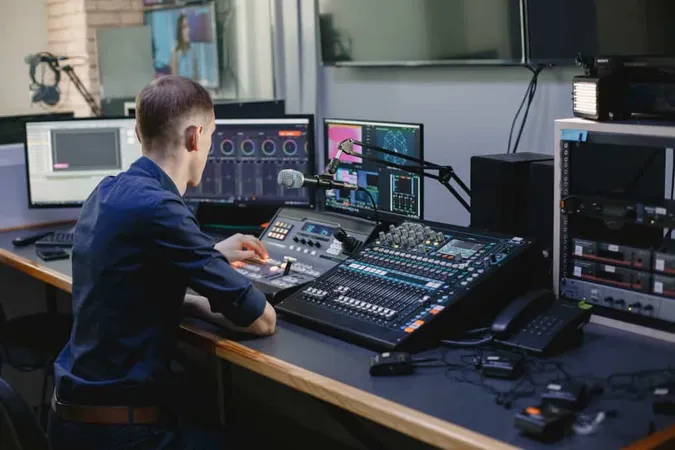
CBT: Pros and Cons
- +CBT certification validates expertise recognized by employers nationwide
- +Certified professionals typically earn 15-20% higher salaries
- +Opens doors to advanced positions and leadership roles
- +Demonstrates commitment to professional standards and ethics
- +Builds a strong professional network through certification communities
- −Exam preparation typically requires 2-4 months of dedicated study
- −Certification and exam fees can range from $150-$500+
- −Must complete continuing education to maintain active certification
- −Pass rates vary — thorough preparation is essential for success
- −Some certifications require prerequisite experience or education
About the Author

Certified Professional Development Expert & Niche Certification Advisor
University of Pennsylvania Graduate School of EducationDr. Alexandra Kim holds a PhD in Professional Studies from the University of Pennsylvania and is a Certified Professional in Learning and Performance (CPLP) and Certified Professional in Talent Development (CPTD). With 17 years of corporate training and professional certification advisory experience, she helps professionals navigate specialized, emerging, and cross-industry certification programs.
Join the Discussion
Connect with other students preparing for this exam. Share tips, ask questions, and get advice from people who have been there.
View discussion (8 replies)