

CCE Practice Test
Updated for September 2026Becoming a CCE (Certified Ceramist) is an essential step for individuals who want to pursue a career in dental ceramics. A ceramist specializes in creating custom dental prosthetics like crowns, veneers, and dentures, which play a critical role in restoring dental function and aesthetics. Earning the CCE certification validates your skills and knowledge, giving you the expertise to excel in the field. This article will explore the importance of certification, the career path of a dental ceramist, and the steps to becoming certified.
CCE Practice Test Questions
Prepare for the CCE - Certified Ceramist exam with our free practice test modules. Each quiz covers key topics to help you pass on your first try.
CCE Color Science & Shade Matching
CCE Exam Questions covering CCE Color Science & Shade Matching. Master CCE Test concepts for certification prep.
CCE Finishing & Surface Characterization
Free CCE Practice Test featuring CCE Finishing & Surface Characterization. Improve your CCE Exam score with mock test prep.
CCE Ceramic Application & Contouring
CCE Mock Exam on Ceramic Application & Contouring. CCE Study Guide questions to pass on your first try.
CCE Firing Protocols & Kiln Management
CCE Test Prep for Firing Protocols & Kiln Management. Practice CCE Quiz questions and boost your score.
CCE Fundamentals & Core Concepts
CCE Questions and Answers on Fundamentals & Core Concepts. Free CCE practice for exam readiness.
CCE Preliminary & Diagnostic Work Up
CCE Mock Test covering Preliminary & Diagnostic Work Up. Online CCE Test practice with instant feedback.
CCE Professional Ethics & Conduct
Free CCE Quiz on Professional Ethics & Conduct. CCE Exam prep questions with detailed explanations.
CCE Safety & Risk Management
CCE Practice Questions for Safety & Risk Management. Build confidence for your CCE certification exam.
CCE Selection & Application of Materials &...
CCE Test Online for Selection & Application of Materials & Equipment for Ceramics. Free practice with instant results and feedback.
Key Takeaways
Free CCE Practice Test Online
The Certified Ceramist (CCE) certification is essential for dental technicians who want to specialize in creating custom dental prosthetics.
Ceramists play a crucial role in restoring dental function and aesthetics by crafting high-quality crowns, dentures, and veneers.
To become a certified dental ceramist, you need a combination of education, hands-on experience, and CCE certification.
CCE courses provide in-depth training on dental materials, fabrication techniques, and digital dentistry.
What is CCE?
The CCE (Certified Ceramist) is a professional certification awarded to dental technicians specializing in dental ceramics. The certification ensures that the ceramist has mastered the techniques and skills necessary to craft high-quality dental prosthetics that meet the functional and aesthetic needs of patients. CCE certification is highly regarded in the dental industry and is often required by dental labs or dental practices looking for qualified specialists.
- Creating crowns, bridges, and veneers: These restorations restore functionality and improve the appearance of damaged teeth.
- Designing dentures: Full or partial dentures help patients who have lost teeth regain their ability to chew and speak properly.
- Crafting inlays and onlays: These ceramic restorations are bonded to the teeth to repair damage caused by decay or trauma.
- ✓Confirm your exam appointment and location
- ✓Bring required identification documents
- ✓Arrive 30 minutes early to check in
- ✓Read each question carefully before answering
- ✓Flag difficult questions and return to them later
- ✓Manage your time — don't spend too long on one question
- ✓Review flagged questions before submitting

How to Become a Dental Ceramist
Becoming a dental ceramist requires a combination of education, hands-on training, and certification. Here are the steps to follow if you're interested in pursuing this career:
Educational Requirements:
- Most dental ceramists begin their careers with a diploma or degree in dental technology or a related field.
- Courses in dental materials, dental anatomy, and laboratory techniques are essential for understanding the technical aspects of the job.
Hands-On Training:
- Aspiring ceramists typically complete apprenticeships or internships in dental labs where they gain practical experience in crafting dental prosthetics.
- On-the-job training is invaluable, as it allows you to refine your skills under the guidance of experienced professionals.
Earn CCE Certification:
- The CCE exam evaluates both your theoretical knowledge and practical abilities. To become certified, you must demonstrate proficiency in creating dental prosthetics, understand dental materials, and meet industry standards for craftsmanship.
- Obtaining certification is a crucial step in advancing your career as it validates your expertise and enhances your professional credibility.
Continued Professional Development:
- Even after earning certification, dental ceramists should stay up-to-date on new techniques and technologies by attending workshops, seminars, and continuing education courses.
What Does a Ceramist Do?
The role of a ceramist involves more than just technical skills. It requires an artistic eye, a deep understanding of dental anatomy, and precise attention to detail. Below are some of the key responsibilities of a dental ceramist:
Collaborating with dentists: Ceramists work closely with dental professionals to understand the specific needs of each patient. Dentists provide models, impressions, or digital scans, and ceramists use these to design custom prosthetics.
Selecting materials: Depending on the restoration being created, ceramists work with a variety of materials such as porcelain, zirconia, and composite resins. Each material has unique properties that must be matched to the patient's needs.
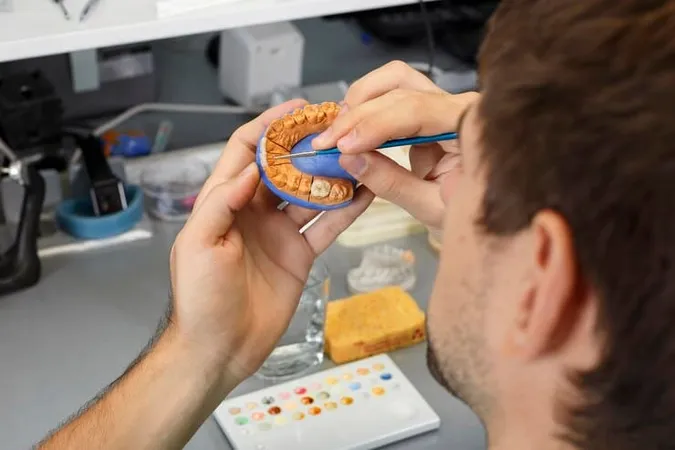
Handcrafting prosthetics: Ceramists use a combination of digital design software and traditional techniques to create crowns, veneers, dentures, and other restorations. This process involves precision, patience, and an artistic touch to ensure the prosthetic looks natural.
Quality control: Every dental restoration must meet strict standards for accuracy, durability, and aesthetics. Ceramists check the fit, color, and texture of each piece before it's sent to the dentist for final placement.
What is the CCE Course?
The CCE course is designed to provide dental technicians with the comprehensive knowledge and hands-on skills required to excel in the field of dental ceramics. The course covers:
Dental materials science: Understanding the properties of different ceramics and how they interact with natural teeth and gums.
Fabrication techniques: Learning advanced techniques for creating dental prosthetics that are both functional and aesthetically pleasing.
Digital dentistry: As the field evolves, ceramists must become familiar with CAD/CAM technology, which allows for precise digital design and milling of prosthetics.
Case management: The CCE course also teaches participants how to manage complex cases, work with interdisciplinary teams, and provide optimal solutions for patients with unique needs.

Conclusion
The field of dental ceramics offers a rewarding career path for those interested in combining technical skills with artistry. Earning your Certified Ceramist (CCE) certification can open doors to higher-paying jobs and greater career opportunities. With the demand for dental restorations continuing to rise, the need for skilled ceramists has never been greater. By following the steps outlined in this guide and pursuing CCE certification, you’ll be well on your way to a successful and fulfilling career in dental ceramics.
CCE: Pros and Cons
- +CCE certification validates expertise recognized by employers nationwide
- +Certified professionals typically earn 15-20% higher salaries
- +Opens doors to advanced positions and leadership roles
- +Demonstrates commitment to professional standards and ethics
- +Builds a strong professional network through certification communities
- −Exam preparation typically requires 2-4 months of dedicated study
- −Certification and exam fees can range from $150-$500+
- −Must complete continuing education to maintain active certification
- −Pass rates vary — thorough preparation is essential for success
- −Some certifications require prerequisite experience or education
(CCE) Certified Ceramist Questions and Answers
About the Author

Certified Professional Development Expert & Niche Certification Advisor
University of Pennsylvania Graduate School of EducationDr. Alexandra Kim holds a PhD in Professional Studies from the University of Pennsylvania and is a Certified Professional in Learning and Performance (CPLP) and Certified Professional in Talent Development (CPTD). With 17 years of corporate training and professional certification advisory experience, she helps professionals navigate specialized, emerging, and cross-industry certification programs.
Join the Discussion
Connect with other students preparing for this exam. Share tips, ask questions, and get advice from people who have been there.
View discussion (9 replies)