
Online CDL Courses: Training & Theory Programs 2026
Online CDL training covers ELDT theory only. 🏆 Compare free vs paid courses, FMCSA-approved providers, and what you must still do in-person.

Online CDL training has exploded in popularity since the Federal Motor Carrier Safety Administration (FMCSA) launched its Entry-Level Driver Training (ELDT) mandate in February 2022. The rule requires every first-time Class A or Class B commercial driver, every upgrade applicant, and every endorsement candidate for hazmat, passenger, or school bus to complete an FMCSA-approved curriculum before taking the CDL skills test. Practice with the free CDL practice test on PracticeTestGeeks (850+ questions with answer explanations).
A big chunk of that curriculum lives in the theory bucket—regulations, vehicle systems, hours of service, cargo handling, hazard awareness—and theory is exactly where online CDL courses shine. If you have spent any time browsing CDL ads on YouTube or TikTok, you have already seen the explosion of online CDL school options promising flexible schedules, mobile apps, and instant enrollment.
Here is the part most aspiring truckers miss on their first Google search: an online CDL course is not a complete CDL school. The ELDT standard splits required learning into two distinct halves. Theory can be delivered entirely online (self-paced video, slide decks, knowledge checks, and a 100-question final), but the behind-the-wheel (BTW) portion has to happen in a real truck with a real instructor sitting next to you, on a real range, and on real public roads.
No webcam, no simulator, and no “VR truck cab” satisfies the BTW requirement, no matter what a flashy ad promises. Commercial driver's license online training has its place—but only as one half of a bigger plan.
That distinction matters because it shapes the whole online CDL marketplace. You will find free CDL classes online run by state workforce boards, paid theory bundles from national training companies, and giant hybrid schools where you pay one price and get theory online plus a few weeks of in-person BTW at a partner yard.
The right choice depends on how much you can spend, how fast you need a license, and whether your employer is willing to handle the truck-based portion. This guide walks through every realistic online CDL option in 2026, what each cdl online course actually delivers, and what you still need to do offline to earn that CDL. By the end you will know exactly which cdl class online to enroll in and how to slot it into a full licensing timeline.
Free CDL Study Tools
Interactive CDL resources on PracticeTestGeeks, free to start:
- CDL Road Signs and Signals Practice Test 1 — 25 questions with instant scoring and answer explanations
- CDL flashcards — review key terms and concepts card by card
- CDL study guide — topic-by-topic overview of what the exam covers
- CDL cheat sheet — one-page printable summary for last-minute review
Key Facts at a Glance
| Item | Value | Details |
|---|---|---|
| ELDT theory curriculum length | ~30 hrs | |
| Typical paid online theory cost | $100–$500 | |
| BTW hours required (state-set) | Varies |
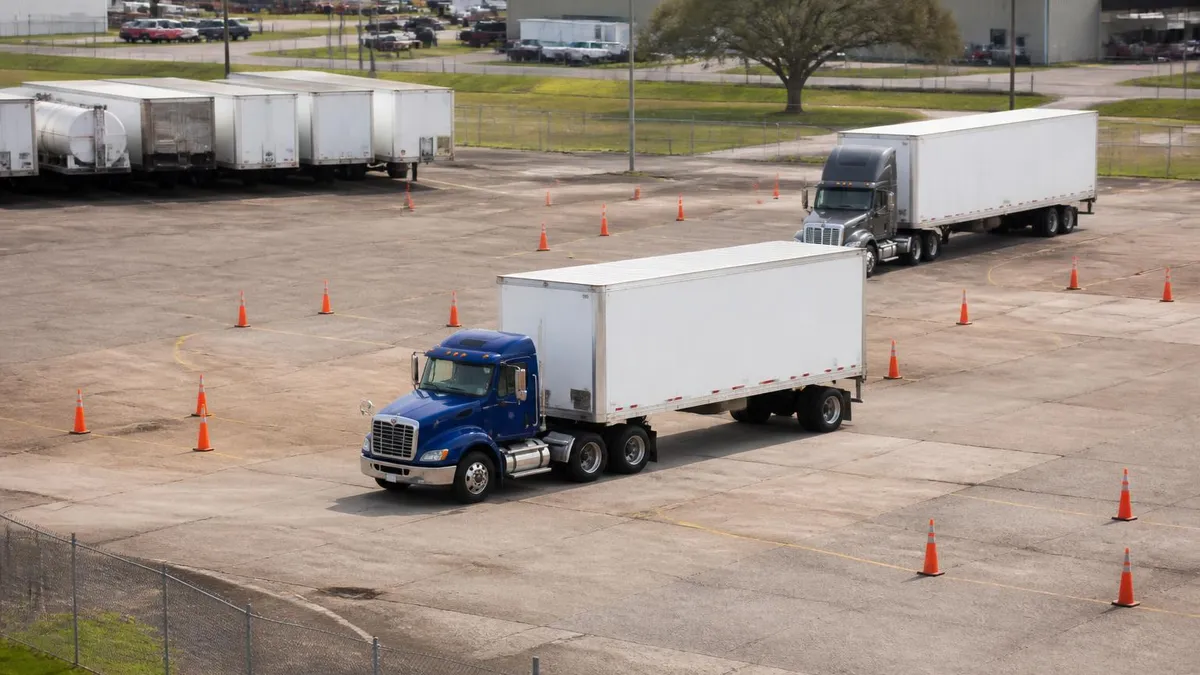
The 30-hour figure is not a federal minimum but a real-world average drawn from how long FMCSA-registered providers schedule their content. The federal rule itself is performance-based: you must pass every theory unit with a score of 80 percent or better, and the provider must report your completion to the Training Provider Registry (TPR) within two business days.
Some students fly through cdl online classes in a long weekend; others spread it across three or four weeks. There is no ticking clock—only the requirement that the provider verifies you actually mastered each topic before checking the box. That outcome-based design is part of why an online cdl course can be a legitimate equal of a classroom seat.
Pricing is where the marketplace gets wild. A bare-bones online cdl a training theory course can be had for $99 to $179 if you only need theory and you plan to do BTW with your future employer’s in-house trainers.
Premium bundles that include theory plus a guaranteed BTW slot at a brick-and-mortar yard run $4,000 to $8,000, but only the theory piece is technically “online.” And then there are completely free options—state workforce programs, union apprenticeships, and a handful of carrier-sponsored portals—that cost nothing if you commit to a specific employer or qualify for grant funding. Knowing which lane you belong in saves money and weeks of confusion, and it also influences which cdl courses online actually fit your situation.
Online CDL = Theory Only
No FMCSA-approved program can deliver the behind-the-wheel portion of ELDT through a web browser. Theory units (regulations, basic operation, safe operating procedures, advanced operating practices, vehicle systems) can be 100 percent online. The BTW portion—range maneuvers and on-road driving—must be in-person with a registered training provider in an actual commercial vehicle. Any “fully online CDL course” that claims otherwise is not legitimate.
The split is enforced through the Training Provider Registry. Every legitimate online cdl school is listed there, and each entry shows exactly which CDL classes (A, B, or upgrade) and which endorsements (H, P, S) the provider is authorized to deliver. The TPR also shows whether the provider offers theory only, BTW only, or both.
Before you hand over a dollar, plug the school’s name into the TPR search at tpr.fmcsa.dot.gov. If the provider is not there, your training will not count—and your state will not let you schedule a skills test no matter how many certificates you collect from unaccredited websites. The TPR check takes about thirty seconds and is the single most important step in choosing any online cdl course online.
That same registry is how state Departments of Motor Vehicles confirm your eligibility on test day. After you finish a theory unit, the provider transmits your completion electronically. The DMV pulls it from the federal system in real time. You do not carry paper certificates around, you do not email PDFs to the licensing clerk, and you cannot self-certify.
This is what makes the FMCSA-approved label so important: it is the only way the bytes ever reach the right database. Free, paid, hybrid, or employer-funded—the question that matters is the same: is the provider registered with the FMCSA, and is the theory bundle they sell you on their approved list? Skip that verification and the most polished cdl course online in the world will still leave you stuck at the DMV counter.
Schools listed on the Training Provider Registry that deliver the federal theory curriculum online. Completion is reported to the TPR within two business days and is required before any state CDL skills test.
Asynchronous video, reading, and quiz formats you can complete on your own schedule. Most include knowledge checks every unit, a 100-question final at 80% passing, and a printable completion certificate.
Bundles that add practice tests, hazmat or doubles/triples endorsement modules, study guides, and pass guarantees. Pricing typically runs $100 to $500 for theory-only, more if BTW is included via a partner yard.
Range time, on-road driving, pre-trip inspection demonstration, and skills test prep must be in-person. Employer-paid programs, community college yards, and CDL mills handle this physical portion separately.
Each of those four lanes has a distinct economic logic. The cheapest legitimate path is to pair a $100 ELDT theory bundle with company-paid BTW: you absorb the cdl online portion cost up front, your employer absorbs the BTW cost in exchange for a one to two year retention contract, and you keep the CDL even if you leave. The most expensive path is a single all-in-one private CDL school where the entire price tag is bundled—you pay $6,000 to $8,000 and walk out in five to eight weeks with both halves finished.
The hidden third path is community college: many state colleges offer FMCSA-registered programs at $2,000 to $3,500, with the theory delivered online through the college’s learning management system and BTW at the college motor pool. That blended model tends to draw students who want a structured cdl class online but also want a familiar campus presence.
Free CDL classes online sit in a separate universe. Workforce Innovation and Opportunity Act (WIOA) grants pay for ELDT theory and sometimes BTW for unemployed or underemployed adults who meet income guidelines. Carriers like Schneider, Werner, Prime, and CR England run “paid training” programs that effectively eat the entire cost in exchange for a commitment to drive for the company for a set period.
State commercial driver apprenticeship programs route the same federal grant dollars through accredited training partners. Searches for free cdl online course offerings will surface dozens of these but the eligibility rules vary widely. None of these are scams, but each one has fine print—grant eligibility, employment contracts, or geographic restrictions—that you should read carefully before signing anything. Read the contract twice and read it sober.
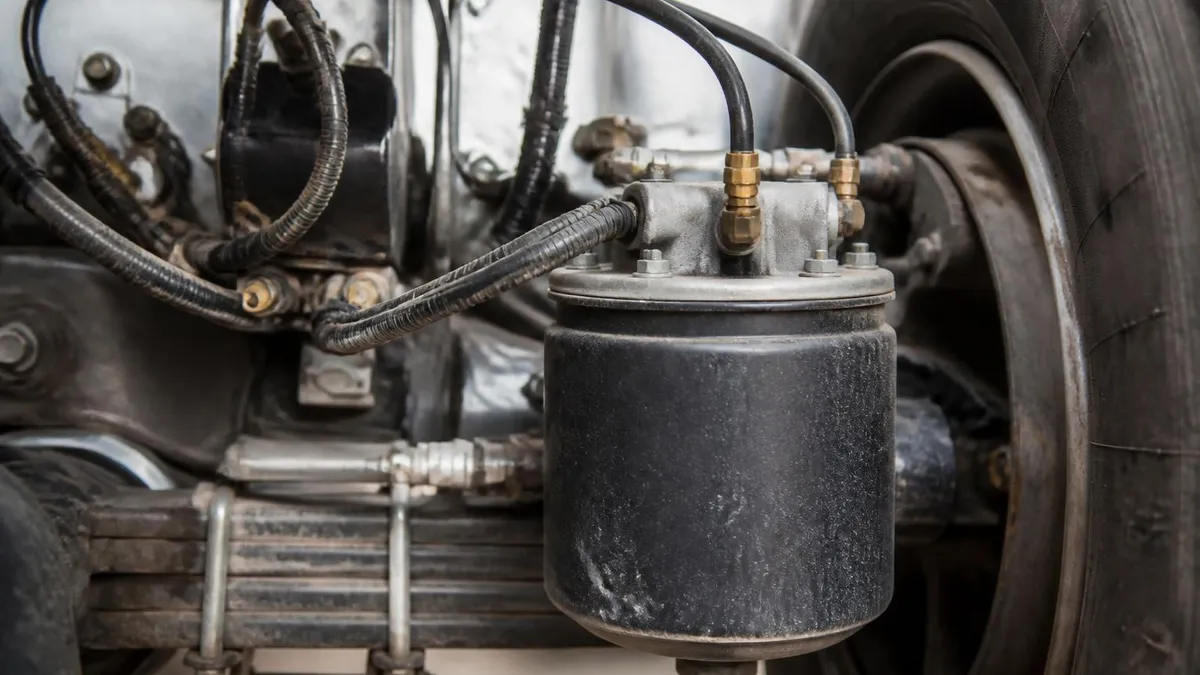
Established FMCSA-registered theory providers include CDL Career Now, Driver Solutions, Roadmaster’s online theory portal, the Truckers Academy ELDT bundle, and CDL Training Today. All five are listed on the Training Provider Registry, deliver the full theory curriculum for Class A, Class B, and major endorsements, and report completion electronically. They differ on price ($99 to $499), depth of practice test bank, hazmat add-ons, and bilingual support. Verify the current TPR listing before you pay—providers do occasionally lose their registration.
Comparing providers head-to-head, the price-to-value sweet spot for most students in 2026 sits at the $150 to $250 range. At that price you get the complete ELDT theory curriculum, a few hundred practice questions, mobile access, and electronic TPR reporting. Anything cheaper usually means a thinner question bank and slower customer support. Anything more expensive only makes sense if you genuinely need the BTW component bundled or want extras like one-on-one tutoring.
Before paying, search the provider name plus “TPR” and confirm a hit on the federal site. Then check independent driver forums (TruckersReport, Reddit r/Truckers) for student reviews from the last six months—the marketplace shifts quickly, and a provider that was great in 2024 may have cut staff or lost its registration since. Even a popular online cdl training brand can stumble if support quality slips after a private-equity sale or staff turnover.
One overlooked detail: state acceptance varies. Texas, Florida, and Ohio process online theory completions almost instantly through the TPR pull. California, New York, and a handful of others occasionally have multi-day delays at the DMV side. If you live in a slow-processing state, build a buffer week between finishing theory and trying to schedule your skills test.
It is not the online provider’s fault, but it can cost you a missed work-start date if you do not plan for it. Some experienced recruiters even suggest finishing your cdl classes online a full ten days before any planned DMV visit so paperwork has time to settle.
If a website promises a “100% online CDL”, sells a license directly, guarantees you can skip the skills test, or is not listed on the Training Provider Registry, walk away. Your state DMV will not accept the completion, you will lose the money, and in some states you can be charged with fraud for presenting unregistered training certificates. Always verify at tpr.fmcsa.dot.gov before paying a single dollar.
Before you click “enroll” on any online CDL theory course, walk through a quick personal checklist. This is the same triage that recruiters at large carriers use when they decide whether to refer a candidate to their company-paid program or send them to a private school. The questions are blunt and practical: do you have the documents, the time, and the right expectations to make the theory portion stick?
- ✓Verify the provider is listed on the FMCSA Training Provider Registry (tpr.fmcsa.dot.gov) for the class and endorsements you need.
- ✓Confirm the course covers all five federally mandated theory subject areas (basic operation, safe operating procedures, advanced operating practices, vehicle systems, non-driving activities).
- ✓Hold a valid state driver’s license and have your Social Security number, medical card, and DOT physical scheduled or completed.
- ✓Block 25 to 40 hours of focused study time across one to four weeks, plus mobile/desktop access with a stable internet connection.
- ✓Plan and budget your behind-the-wheel pathway in parallel—community college, private CDL school, or carrier-paid program—because BTW cannot happen online.
- ✓Save every completion certificate and the TPR confirmation email; some state DMVs ask for them even when the federal pull succeeds.
- ✓Schedule your Commercial Learner’s Permit (CLP) test at the DMV as soon as you start theory—the CLP is a prerequisite for any BTW hours that count toward ELDT.
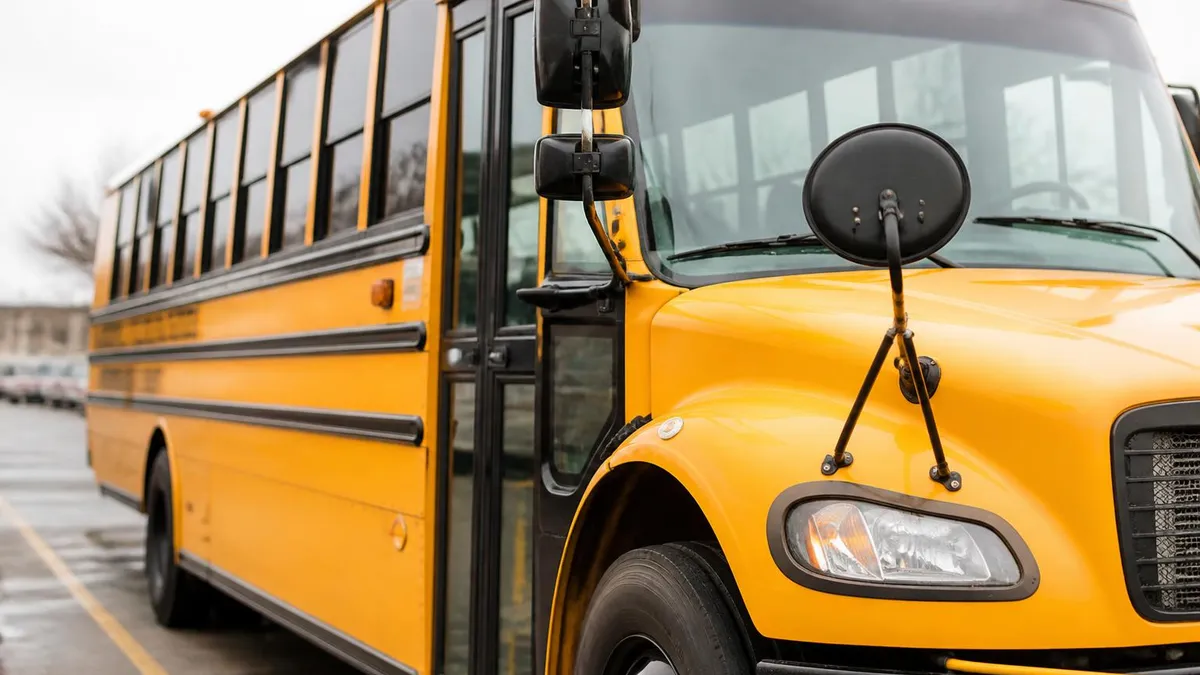
The checklist also surfaces the biggest misconception about online CDL training: that you can stack months of theory before touching a truck. ELDT is built around a logical sequence—theory first, then CLP at the DMV, then BTW with an instructor, then the skills test. Sit on theory completion for too long and your knowledge fades.
Most successful students start BTW within two to three weeks of finishing theory, which means lining up the physical portion before you finish the online portion. Online theory should be a sprint that hands off cleanly to in-person practice, not a permanent holding pattern. Recruiters at large carriers say the candidates who get hired fastest are the ones whose theory completion date is within thirty days of their skills test pass date.
Cost-conscious students often ask whether online theory is genuinely better than the classroom alternative. The honest answer is: it depends on you. Online theory is cheaper, faster, and more flexible—you can study at 6 a.m. before your current job or at 11 p.m. after the kids are in bed.
Classroom theory is slower, more expensive, and rigidly scheduled, but it pairs you with peers and a live instructor who can clarify confusing topics in real time. Below is a balanced view of the trade-offs, and the answer for most working adults is to commit to the online path with discipline rather than pay double for a classroom seat they will not fully use.
- +Self-paced—finish in a weekend or stretch across a month
- +Cheaper than classroom theory ($100–$500 vs $1,500+)
- +Mobile and desktop access from anywhere with internet
- +Replay videos as many times as you need to understand them
- +Electronic TPR reporting—no paperwork to deliver
- +No commute, no fixed schedule, no missed-class penalties
- −No live instructor for real-time questions on tough topics
- −Easier to procrastinate without classmates and deadlines
- −Requires self-discipline and a reliable internet connection
- −Still requires separate in-person BTW (cannot replace it)
- −Some states have slower DMV processing of online completions
- −Quality varies—vetting the provider is entirely on you
For students who already work full-time, have family obligations, or live more than 30 minutes from a CDL school, online theory is almost always the right call. The flexibility argument wins. For students who learn best through discussion, who need a hard external deadline, or who have struggled with self-paced courses in the past, paying for classroom theory through a community college or private school is a defensible upgrade.
Either path produces the same federally required outcome—a TPR completion record—and either path then funnels into the same in-person BTW portion. The decision is purely about how you personally absorb and retain information. There is no wrong door, only the door you will actually walk through every day until you finish.
One more practical note: a growing number of online theory providers now bundle CLP-prep practice tests with their ELDT curriculum. The CLP test is not federal—it is set by each state—so the question pool varies. If you can find a provider whose practice tests are tailored to your state’s CLP exam, you essentially get two preparations for one price: ELDT theory pass plus a much smoother CLP attempt at the DMV.
That bundle is worth $50 to $100 of extra cost compared to a generic course. A cdl online course that brags about generic practice questions but ignores state-specific CLP prep is a worse value than a slightly pricier package that targets your state directly.
It is also worth thinking about how your training will translate into your first ninety days on the job. Carriers run their own onboarding modules—company policy, electronic logging device walkthroughs, defensive driving refreshers, and customer service basics—but they assume you arrived with a solid grasp of federal regulations, hours of service, and pre-trip inspection.
A good online cdl course closes that gap so your new-hire orientation feels like a review rather than a second round of school. That is why driver retention rates tend to be slightly higher for students who paid attention during theory than for students who clicked through to finish faster, even when both groups passed the same skills test on the same day.
Putting it all together, the smartest 2026 path looks like this: spend one evening verifying two or three TPR-listed providers, pick the one with the strongest review base in your price range, complete theory in two to three weeks, schedule your CLP test for the week you finish, and line up either a community college BTW slot or a company-paid program before theory ends. Total time from zero to CDL: six to twelve weeks for most adults.
Total cost: $100 to $500 for an online cdl course plus whatever BTW route you choose. The online portion is the easy part. The discipline is making sure the offline portion happens on the same timeline so the federal completion does not stale out and so your CDL hits your wallet when you need it to. Treat the cdl online course as a sprint, the CLP as the handoff, and the BTW as the finish line you have already paid to cross.
If you take only one thing away from this guide, let it be the TPR check. Every other decision—price, schedule, provider, paid versus free—matters less than whether the school is on the federal list. Bookmark tpr.fmcsa.dot.gov, verify before you pay, and the rest of the online CDL marketplace becomes much easier to navigate. The trucking industry needs roughly 80,000 new drivers a year, demand is steady, and a properly chosen online theory provider plus a real BTW partner remains the fastest legitimate route into a six-figure career for someone who likes driving and prefers movement to a desk.
Sample CDL Practice Questions
Try these questions from our free CDL practice tests. The correct answer and an explanation follow each question.
What must a bus driver do at a railroad crossing?
- A. Stop between 15 and 50 feet from the nearest rail
- B. Speed up to clear quickly
- C. Stop directly on the tracks
- D. Honk and proceed without stopping
Answer: A. Stop between 15 and 50 feet from the nearest rail
Buses must stop 15 to 50 feet from the nearest rail at railroad crossings.
When must a hazmat driver obtain a routing permit from state or local authorities?
- A. Whenever the vehicle weighs more than 26,001 lbs
- B. When transporting certain high-hazard materials such as radioactive or explosive cargo that require special routing
- C. Any time the driver crosses more than two state lines
- D. Only when hauling liquid hazardous materials in a tank vehicle
Answer: B. When transporting certain high-hazard materials such as radioactive or explosive cargo that require special routing
Some high-hazard materials — such as certain radioactive materials and high-level explosives — require special routing permits because states and localities have authority to designate specific approved routes to protect populated areas.
How far in advance should a school bus driver activate the amber warning lights before stopping to load or unload students?
- A. At least 100 to 300 feet, depending on speed and state law
- B. Only after coming to a complete stop
- C. At least 1,000 feet in all conditions
- D. Activation is optional if no traffic is present
Answer: A. At least 100 to 300 feet, depending on speed and state law
Amber lights warn following traffic of an upcoming stop and should be activated roughly 100 to 300 feet ahead depending on speed and state requirements.
During a pre-trip inspection of a liquid tanker, what must you check at each manhole cover?
- A. That the cover is latched, the gasket is intact, and there is no sign of leakage
- B. That the cover is open to allow air pressure equalization before driving
- C. That the cover is made of the correct material for the product being carried
- D. That the cover has at least two safety locks to prevent theft of the load
Answer: A. That the cover is latched, the gasket is intact, and there is no sign of leakage
Each manhole cover must be fully latched and sealed with an intact gasket. An open or leaking manhole can cause product spill, vapor release, and potential rollover due to unexpected liquid movement.
Take the full CDL practice test
For a fuller set of questions on this topic, see our cdl practice test printable free resource.
CDL Questions and Answers
How this page was made: written with AI tools. Exam facts are checked against the official sources listed below. Not reviewed by a subject-matter expert. Editorial policy
Sources & references
Exam facts on this page (fees, format, dates, passing scores) are checked against these official sources; the date is our last check. Editorial policy