
Local CDL Driver: Home-Daily Trucking Careers Complete Guide 2026 September
✍🏼 Local CDL driver jobs explained — pay $60-$80k, home-daily schedules, top employers (Sysco, US Foods, McLane), and how to land your route in 2026 September.
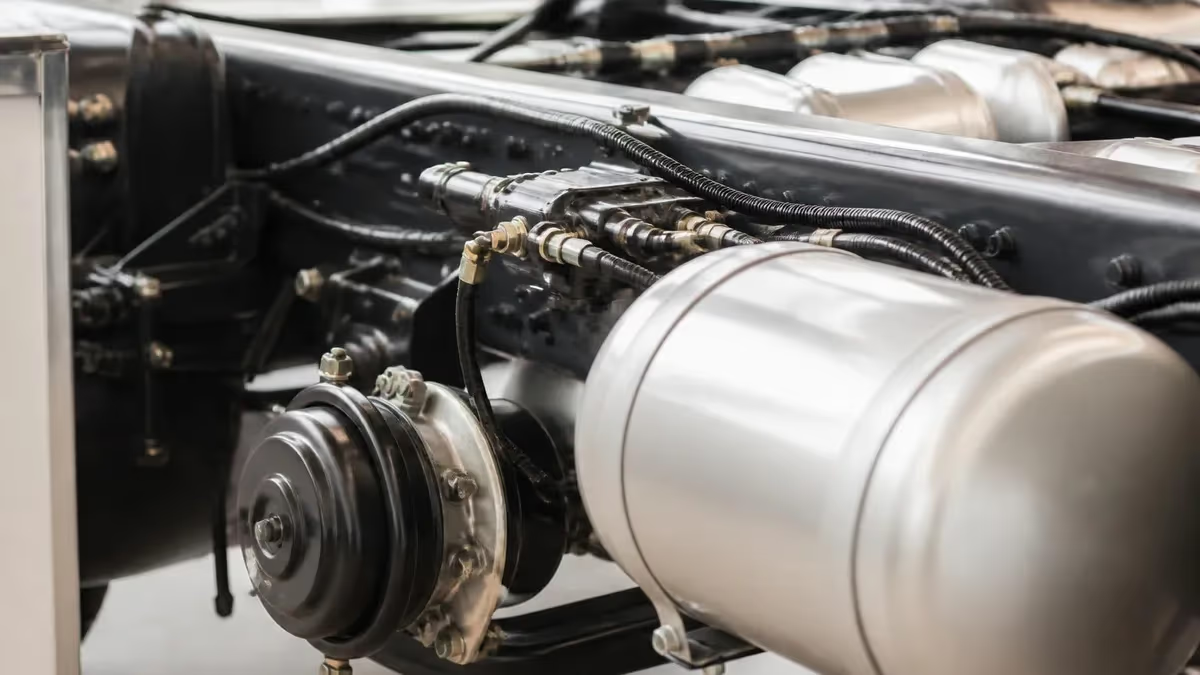
Over-the-road life isn't for everyone. If you're tired of sleeper-cab nights, missed birthdays, and three weeks between hot showers, becoming a local CDL driver might be the smartest career pivot you make this year. Local trucking jobs put you in the same bed every night, run the same lanes most weeks, and pay surprisingly well for the trade-off.
The trucking industry tends to talk about local roles as a step down from OTR. That's a leftover stereotype from the 1990s. Today's local CDL driver often clears more per hour than long-haul peers once benefits, predictable schedules, and reduced fuel-and-food expenses are factored in. The work is just structured differently.
This guide breaks down what "local" actually means by FMCSA definition, the employers paying the best rates in 2026, the four main equipment categories you'll see in job ads, and the honest pros and cons of home-daily trucking life.
Local CDL Driver Snapshot
The phrase "local CDL driver" gets used loosely, but the federal definition is precise. Under FMCSA rules, a driver operating within a 150 air-mile radius of their normal work-reporting location is classified as a short-haul (local) driver and qualifies for relaxed logging rules and reduced HOS paperwork. Most carriers operationally define local as anything that lets the driver return home daily — often a 100-to-200-mile radius depending on traffic patterns and dwell time.
That definition matters because it shapes your day. A true short-haul role usually runs 10-to-12-hour shifts with multiple stops, time at customer docks, and very little highway cruising. Compare that to a Class A linehaul day cab job that might do one round trip of 350 miles with two stops — same "local" classification on paper, completely different daily rhythm.
Pay structure flows from that distinction. Multi-stop delivery roles tend to pay hourly with overtime after 40, and the hourly rate runs $24 to $34 in most US metros. Day-cab linehaul roles often pay by the mile or by the trip and end up grossing similar weekly totals — just structured around runs instead of clock hours. Know which one you're applying for before signing.
If you're choosing local because you want to be home daily, you should know who actually delivers that promise. The names below aren't a complete list, but they represent the largest US private fleets running predominantly local routes — and they're the carriers most likely to have an opening within driving distance of you right now.
Foodservice distribution dominates the local CDL world. Sysco, US Foods, Performance Food Group, and Reinhart Foodservice collectively employ over 25,000 Class A drivers, almost all running local routes from regional distribution centers to restaurants. The work is physical — you'll touch every case — but the routes are tight, the pay is union-grade in many regions, and the schedule is genuinely predictable.
Beverage and retail distribution comes next. McLane, Coca-Cola Consolidated, Pepsi, and Republic National Distributing all run massive local fleets. Add the big freight carriers running dedicated day-cab divisions — ABF Freight, FedEx Freight, Old Dominion, Saia — and you've covered roughly 60 percent of the local Class A market in most regions.
Regional grocers, building supply chains (84 Lumber, Home Depot fleet, Lowe's), and ready-mix concrete operations round out the demand. Each of these segments has different physical demands and different pay structures, which we'll dig into in the comparison sections below.
Four Common Local CDL Equipment Types
Single tractor, 53-foot dry van or reefer, point-to-point between distribution centers.
- ▸1-3 stops per day, no-touch freight
- ▸Easiest on body, highest mileage hours
- ▸Common at FedEx Freight, ABF, OD
- ▸Pay: $65k-$85k, often by trip
Class A tractor or large straight truck, 12-25 stops, full driver unload.
- ▸Physical: lift 8-15k lbs daily
- ▸Top earners $85k-$110k with OT
- ▸Sysco, US Foods, McLane, Pepsi
- ▸Early start (3-5 AM typical)
Specialty single-unit trucks tied to construction-site pour schedules.
- ▸Seasonal in northern markets
- ▸Heavy steering, technical backing
- ▸Pay: $58k-$78k, weather-dependent
- ▸Often union with strong benefits
Specialty tank trailers requiring N + H endorsements for petroleum or chemical loads.
- ▸Highest local pay ($75k-$95k)
- ▸Requires HazMat + Tanker endorsements
- ▸Strict safety culture, deliberate pace
- ▸Common employers: Quality, Groendyke
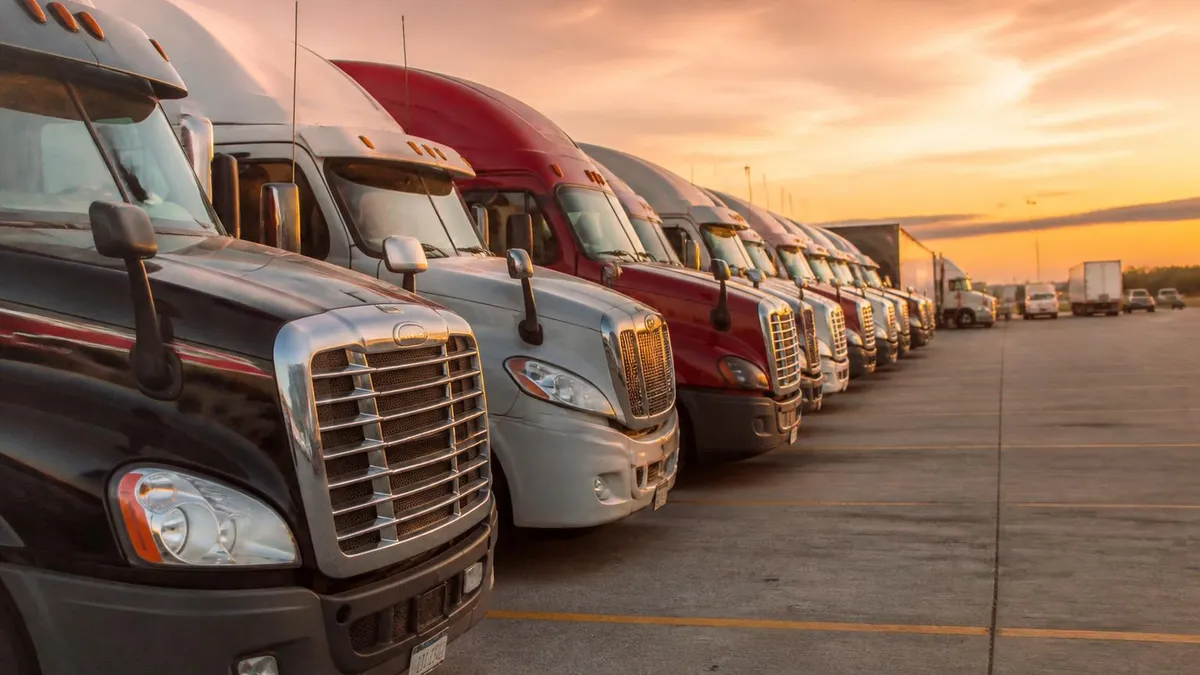
Equipment is the single biggest factor in what your day looks like as a local CDL driver. The same Class A license qualifies you to drive radically different rigs, and choosing the wrong one for your body or temperament will make you miserable inside six months. Here's the honest breakdown of the four most common local equipment types.
Tractor day cabs pulling 53-foot dry vans or refrigerated trailers do most of the linehaul work between distribution centers. You'll typically run one to three stops per day, occasionally back into a tight dock, and rarely touch freight. Straight trucks (single-unit Class A and B box trucks) handle most multi-stop delivery work — you'll be in and out of the truck constantly, often using a liftgate, sometimes with a pallet jack. Ready-mix concrete trucks demand the most attention because the load is constantly shifting and the route is dictated by pour schedule, not your preference.
Specialty equipment — fuel tankers, dump trucks, roll-offs, car carriers — pays better because the certification curve is steeper. A tanker endorsement (N), HazMat endorsement (H), or doubles-and-triples (T) on your license opens up roles paying $5 to $10 more per hour than the base Class A jobs. If you're new to the industry, building toward those endorsements during your first year is the highest-ROI move you can make.
Top US Local CDL Employers in 2026
The largest foodservice distributor in the US, employing over 8,000 Class A drivers across 75+ distribution centers. Routes are local multi-stop with full driver unload. Pay range $70,000 to $110,000 with experienced drivers at busy operating companies clearing top of range. Schedule is typically 10-hour shifts, Monday through Saturday, with rotating Sundays during peak season. Benefits include day-one health, vision, dental, 401(k) with 4 percent match, and strong tuition assistance.
Now for the financials. Pay reporting in trucking is notoriously messy because every carrier structures compensation differently — some pay hourly, some by mile, some by stop, some by load, and the highest-earning drivers are often on a mix of all four. The numbers below reflect median 2026 wages from BLS data, ATA fleet surveys, and active job postings, not recruiter brag sheets.
The headline range for local CDL Class A drivers in 2026 sits at $60,000 to $80,000 in the first three years, with experienced drivers at top-paying employers (foodservice, beverage, union LTL) crossing $90,000. Hourly equivalents run $22 to $34 with significant overtime potential — many local drivers log 50-to-55 hour weeks, which adds $200 to $400 in OT per pay period.
Sign-on bonuses have stabilized after the 2022 driver-shortage spike. Expect $2,500 to $7,500 paid across 6 to 12 months for Class A roles, with most bonuses requiring you to stay at least a year to keep the full amount. Foodservice and ready-mix carriers offer the largest packages because turnover in those segments is higher.
Benefits at the big employers are essentially identical to office-job benefits — day-one health/dental/vision, 401(k) with 4-to-6 percent match, 2 to 3 weeks paid vacation, and tuition assistance programs. That parity is part of why the local-vs-OTR pay gap has narrowed so dramatically.
Cost-of-living adjustments matter here. A $72,000 local CDL job in Memphis or Tulsa stretches further than the same nominal salary in Boston or San Francisco — but coastal markets pay 10 to 20 percent more on average, often pushing experienced local Class A drivers above $95,000 in the Bay Area, Seattle, and the Boston-to-DC corridor. Always pull regional pay data for your zip code before deciding whether an offer is competitive.
Foodservice and beverage routes deserve their own discussion because they're the largest single category of local CDL work and the most misunderstood. The pay is excellent and the schedule is predictable, but the physical demand is real and most new drivers underestimate it.
A typical foodservice route involves 12 to 25 stops per day, with the driver responsible for unloading every case — produce boxes, frozen food crates, cleaning chemical cartons — from the trailer to the customer's walk-in cooler or stockroom. You'll lift between 8,000 and 15,000 pounds of product over the course of a 10-hour shift. The pay reflects that work: top foodservice drivers at Sysco and US Foods earn $85,000 to $110,000 with overtime.
The skill stack required is broader than most people expect, too. Foodservice drivers operate handheld scanners, dispute short-pays on the spot, and handle returns of damaged or expired product. Smart drivers learn the receiving manager's preferred dock-approach at every stop and shave 10 minutes off the route over time. Those efficiency gains compound into earlier finish times and higher take-home, because most of these roles pay overtime and finish-when-done.
Recruiters at large fleets sometimes advertise "local" or "regional" routes that turn out to require a sleeper cab and overnight stays after orientation. Before accepting any offer, get the answers to three questions in writing: (1) Will I be home every night? (2) What is my dispatch start time? (3) Do I sleep in the truck on any nights? If you can't get clean answers, treat the role as OTR until proven otherwise. The pay isn't worth the surprise.
Beverage distribution (Coke, Pepsi, beer wholesalers) follows a similar pattern but typically involves heavier cases — a stacked Coke pallet weighs more than 2,000 pounds — and more accounts per day. The trade-off is structured routes with consistent customers, so you build relationships and your route becomes more efficient month over month.
If knee or back issues are a concern, lean toward foodservice rather than beverage, or skip the touch-freight world entirely and target a no-touch role like day-cab linehaul or fuel tanker work. Your body will thank you in five years.
The biggest reason drivers leave OTR for local is the schedule, but the schedule cuts both ways. Yes, you'll be home every night. You'll also likely be starting at 3 AM, 4 AM, or 5 AM most days, because that's when distribution centers run their morning dispatch. Late-shift roles exist (3 PM to 1 AM is common in foodservice), but the bulk of local work runs early.
Weekend work depends heavily on the segment. Foodservice and beverage routes typically run Monday through Saturday with rotating Sundays. LTL (less-than-truckload) carriers like ABF and Old Dominion run a more traditional Monday-to-Friday schedule. Ready-mix concrete is seasonal in northern markets and pour-schedule dependent — Saturdays can be busy in summer, dead in winter.
The honest answer on hours is that local CDL drivers work about as many hours as a busy retail manager or skilled trades worker — 45 to 55 per week — and earn significantly more per hour. The trade-off versus an office job is the early start; the trade-off versus OTR is being home.
One scheduling detail nobody mentions: predictability compounds. After 90 days on a stable local route, you know your start time within 15 minutes, your finish time within an hour, and your weekly mileage almost to the gallon. That predictability is what makes second-income side gigs, college coursework, or coaching your kid's team genuinely possible — things that OTR drivers reasonably gave up.
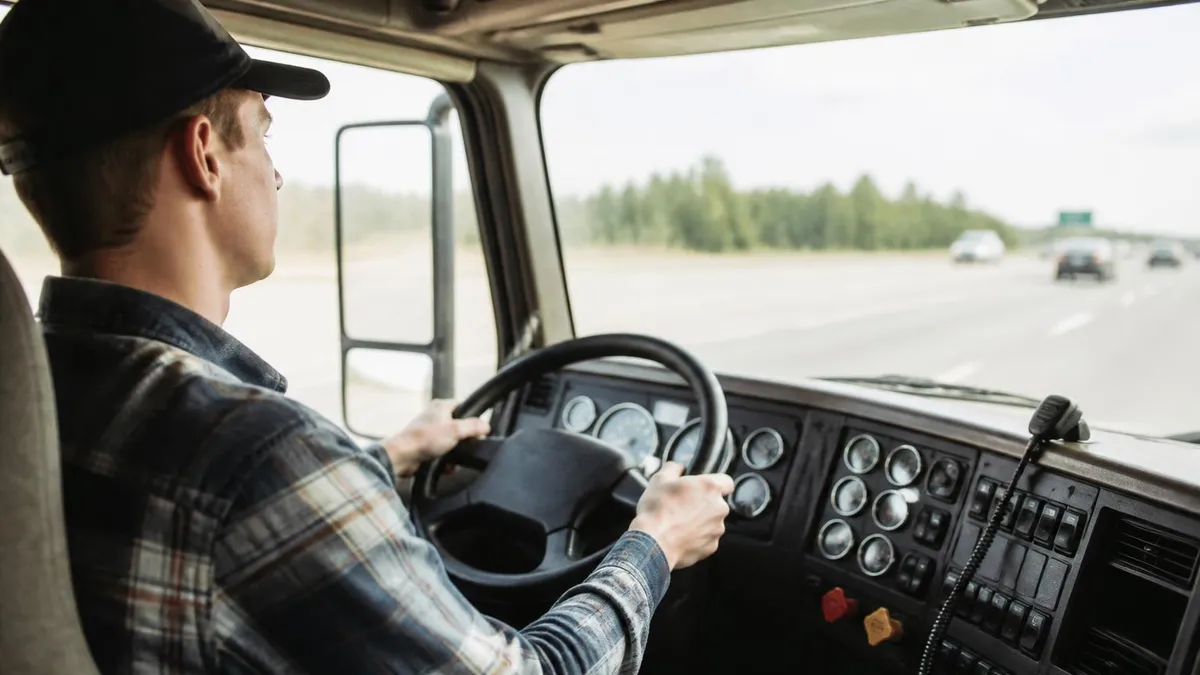
How to Find a Local CDL Job — Action Steps
- ✓Verify your Class A license is current and your MVR is clean (pull a free abstract from your state DMV)
- ✓Confirm your DOT medical card is valid for at least 6 more months (renew early if not)
- ✓List the 4 major foodservice carriers operating in your zip code (Sysco, US Foods, Performance Food, Reinhart)
- ✓Add the major beverage distributors (Coca-Cola Consolidated, Pepsi, Republic National)
- ✓Add union day-cab LTL options (ABF, FedEx Freight, Old Dominion, TForce, Saia)
- ✓Apply to 8-10 carriers simultaneously via each company's careers page (skip aggregator boards)
- ✓Prepare for road tests by practicing pre-trip inspection and backing maneuvers on a 53-foot trailer
- ✓Get pre-employment drug-screen ready (recent THC use will disqualify regardless of state legalization)
- ✓Verify your 10-year employment history is documented (PSP report and previous employer DAC files)
- ✓Plan to take the first offer that meets pay + schedule criteria — don't shop for 6+ weeks while a paycheck waits
Let's talk about the parts of local trucking nobody advertises. Weather exposure is the first. As a local driver, you're outside loading and unloading in every condition the calendar throws at you. OTR drivers complain about weather, but they spend 95 percent of their time in a climate-controlled cab. A foodservice driver on a January morning in Buffalo is going to know what real cold feels like.
Traffic is the second hidden cost. Local drivers operate in the densest urban congestion on the road network — narrow alley deliveries, tight downtown loading docks, double-parking conflicts, and rush-hour highway gridlock. A 25-stop route that runs 9 hours in light traffic can stretch to 12 hours when a rainstorm slows everything down. Patience and route-planning skill matter as much as actual driving ability.
The third reality is customer interaction. As a local driver, you're the face of the company at every stop. Restaurant managers will complain about late deliveries. Receiving clerks will short-pay invoices. Construction-site foremen will ask you to back the truck somewhere you really shouldn't. Customer-service skills become part of the job description — something OTR drivers can mostly avoid.
Local CDL Driver: Pros and Cons
- +Home every night — sleep in your own bed, eat at home, see your family daily
- +Predictable schedules let you plan personal commitments (kids' sports, evening classes, side income)
- +Higher effective hourly rates than OTR once meals and travel expenses are factored in
- +Day-one benefits at large employers (health, dental, vision, 401k match)
- +Established routes mean route knowledge compounds — month 12 is much easier than month 1
- +No truck-stop showers, sleeper berths, or restaurant-only meals
- −Physical demand is real — foodservice and beverage routes will test your body
- −Early start times (3-5 AM dispatch is common) require lifestyle adjustment
- −Weather exposure during loading/unloading every single shift
- −Dense urban traffic, tight loading docks, customer-service demands
- −Sign-on bonuses are smaller than OTR equivalents and harder to negotiate
- −Some employers require 12-24 months of recent Class A experience before hire
How do you actually find one of these jobs? The short answer is to go directly to the employer rather than relying on aggregator boards. Indeed and ZipRecruiter list local CDL jobs, but the listings are often dated and the response rate is lower than applying through the carrier's own careers page.
Start with the four major foodservice carriers (Sysco, US Foods, Performance Food Group, Reinhart), then add beverage distributors operating in your area, then add the LTL fleets. Most have "Career" links on their corporate websites with searchable openings by zip code. Apply to 5 to 10 simultaneously — recruiters expect this and rarely consider it a negative.
Local CDL recruiters move fast when they have an opening that fits. From application to offer typically takes 1 to 3 weeks for an experienced Class A driver, longer if a road test, drug screen, and DOT physical need to be scheduled. New CDL holders should expect a longer process and may need to start with a step down (Class B, straight truck, hostler) before moving to Class A.
Networking still matters in trucking. Drivers already working at a target carrier can often refer you through internal referral programs that pay $500 to $2,000 if you stay 90 days. Ask around your local truck-stop network, terminal lots, and DMV waiting rooms — drivers love to talk shop, and a single five-minute conversation can surface a hiring manager's direct line that no online job board would ever show you.
Before you commit to local trucking, run the math honestly against your current situation. The pay range we've quoted ($60-80k for the first three years, $90k+ for experienced drivers at top employers) is the cash compensation. But the real value compared to OTR is in the non-cash benefits: meals at home, family time, side-business potential during evening hours, no truck-stop showers, no rented sleeper berths, no laundromat trips.
Drivers who switch from OTR to local typically report 10 to 15 percent lower gross pay but 20 to 30 percent higher net financial position once expenses are factored in. The math depends heavily on whether you have a family, where you live, and whether your OTR role had per-diem reimbursement.
If you're new to the industry entirely, local can be either the perfect starting point or the perfect long-term destination — but it usually isn't the easiest entry. Most local employers require 12 to 24 months of recent verifiable Class A experience. Getting that experience often means starting with a regional or OTR carrier, building a clean MVR, and transitioning to local once you've earned the interview.
The good news? Once you're in the local world with a clean record, the career stability is excellent. Tenure at major foodservice and LTL carriers regularly runs 10, 15, even 25 years. The drivers I know who made the switch from OTR rarely go back. They just wish they'd done it sooner. If you're studying for your CDL knowledge test right now and weighing your first role, factor home-time into the decision — your future self will thank you.
CDL Questions and Answers
About the Author

Licensed Driving Instructor & DMV Test Specialist
Penn State UniversityRobert J. Williams graduated from Penn State University with a degree in Transportation Management and has spent 20 years as a certified driving instructor and DMV examiner consultant. He has personally coached thousands of applicants through written knowledge tests, skills assessments, and commercial driver licensing programs across more than 30 states.
Join the Discussion
Connect with other students preparing for this exam. Share tips, ask questions, and get advice from people who have been there.
View discussion (7 replies)