
CDL Last Mile Delivery Jobs: Routes, Pay, and What to Expect 2026 August
✍🏼 Explore CDL last mile delivery jobs - home-daily routes, pay ranges, lift-gate equipment, top carriers, and what sets last-mile apart from OTR.
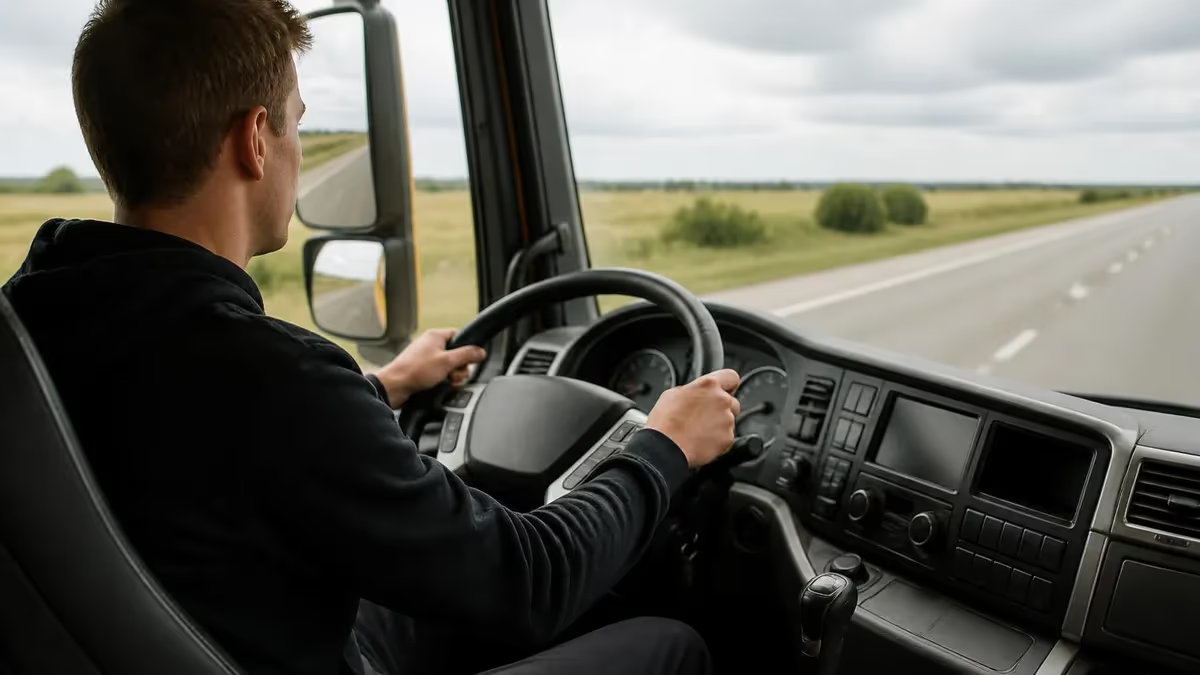
Last-mile freight is having a moment - and CDL drivers are right in the middle of it. The pandemic flipped the delivery world upside down. Suddenly, every couch, treadmill, and washing machine needed to land on someone's doorstep, not just at a regional warehouse. That final leg - the stretch from a local depot to the customer's home or business - is what the industry calls last mile.
And it's where Class A and Class B drivers are quietly building careers that look nothing like the long-haul gigs you might picture when you hear the word "trucker." The shift has been dramatic. Five years ago, last-mile was a niche corner of trucking - mostly furniture stores and appliance dealers running their own delivery fleets. Today it's a multi-billion-dollar slice of the freight industry with dedicated divisions inside every major carrier.
If you've been chasing your CDL hoping to be home for dinner, last-mile work deserves a serious look. You'll sleep in your own bed. You'll know your customers. You'll handle freight that actually feels real - appliances, furniture, fitness equipment, building materials - instead of a sealed trailer you never see inside. The trade-off?
You're doing more than driving. You're lifting, scheduling, problem-solving, and sometimes apologizing for a delayed delivery window. It's a different job. For a lot of drivers, it's a better one. And the demand for qualified last-mile CDL drivers keeps growing - carriers are scrambling to staff routes faster than they can train new hires.
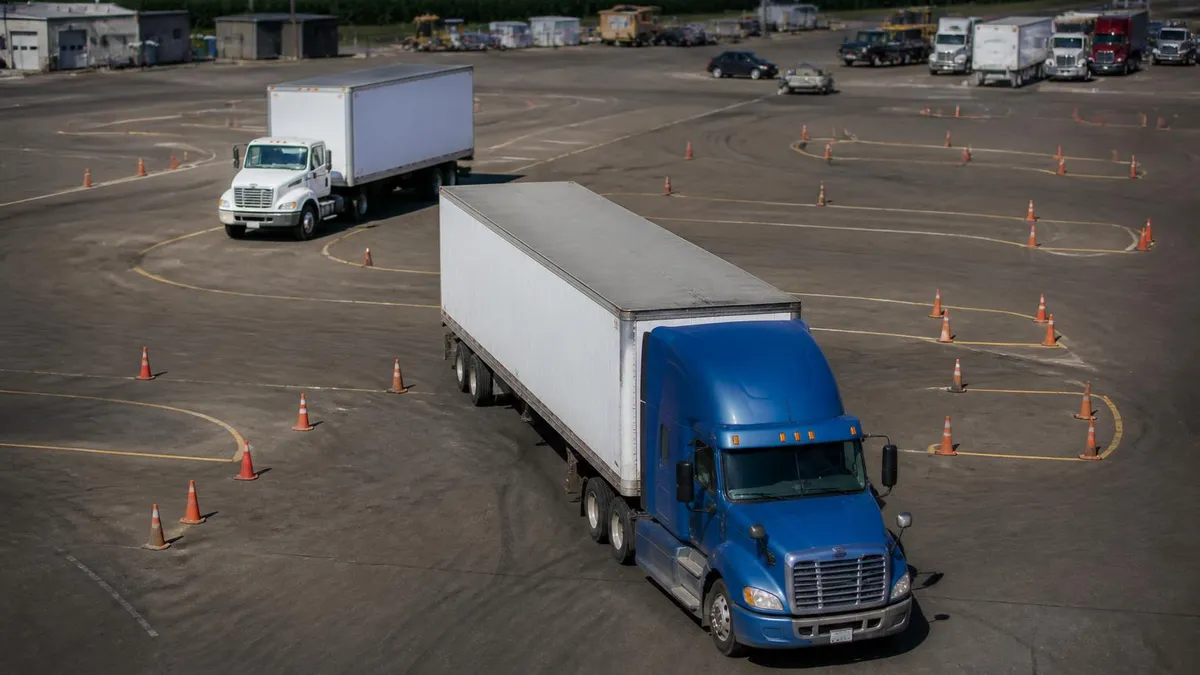
CDL Last Mile by the Numbers
So what is last mile, really? Picture the supply chain as a relay race. A 53-foot dry van pulls 40,000 pounds of refrigerators from a manufacturer in Tennessee. It hands that load off to a regional distribution center. From there, a smaller box truck or straight truck - often driven by a CDL Class A or Class B holder - takes those refrigerators on a tight, multi-stop route to homes, apartments, restaurants, and small businesses.
That last leg is the most expensive, the most complex, and increasingly the most automated leg in all of logistics. Industry studies put last-mile at roughly 41 percent of total shipping cost - more than the line-haul, more than warehousing, more than any other piece of the supply chain. It's also the leg that customers actually see. When Amazon screws up your delivery, you're not blaming the line-haul driver who moved the box across three states. You're blaming the person who showed up at your door. Or didn't.
That's the gig. That's also why carriers pay more for it than they used to. And it's why the job has grown beyond just driving - last-mile crews are expected to act as brand ambassadors, technicians, and customer service reps rolled into one. The drivers who handle that combination well earn the best routes and the highest pay.
The ones who treat it like a simple driving job tend to burn out fast. There's also a strong word-of-mouth angle to all this: the highest-paying last-mile contracts go to carriers with the best driver retention, because retailers care about consistency. A reliable driver who's been on the same Lowe's route for three years is worth real money to everybody in the chain.
The Quick Version
Line-haul drivers move sealed trailers between hubs. Long miles, few stops, sometimes weeks away from home. Last-mile drivers handle the final delivery - shorter routes, more stops, lots of customer interaction, and you're home every night. Both need a CDL. The day looks completely different - and so does the lifestyle that comes with it.
Let's talk about who's hiring. The big names in last-mile CDL delivery aren't always the names you'd expect. XPO Logistics runs one of the largest last-mile networks in North America - they specialize in heavy goods, the kind that need two people and a lift gate. Estes Express has a growing local delivery arm. FedEx Freight runs city P&D (pickup and delivery) routes that are essentially last-mile work under a different label.
Old Dominion has local cartage routes. ABF Freight runs similar operations. Werner Final Mile is exactly what it sounds like - Werner's dedicated last-mile division focused on big-and-bulky home delivery. Each of these carriers has its own culture, its own pay structure, and its own quirks. Talk to current drivers before you commit. Truck stop conversations and online driver forums will tell you more in an hour than any recruiter pitch.
Then there are the smaller players. Metropolitan Warehouse & Delivery. JB Hunt Final Mile. Pilot Freight. Ryder Last Mile. Dozens of regional carriers you've never heard of unless you live in their service area. And, increasingly, dedicated fleets running for retailers - Lowe's, Home Depot, Costco, IKEA, Wayfair all contract out last-mile delivery to specialty carriers. Some require CDL Class A. Many use Class B with air brakes. A few will hire you with a non-CDL straight truck endorsement if the gross weight stays under 26,001 pounds. You'll want to read the job posting carefully.
Pay attention to whether the role is W-2 employment or 1099 contractor - the difference matters for taxes, benefits, and the wear and tear on your vehicle if you're running independent. A 1099 role with high gross pay can look attractive until you tally up self-employment tax, health insurance, fuel, and truck maintenance. Run the math before you sign. A W-2 role with steady benefits and a slightly lower hourly rate often nets out higher at the end of the year, especially once you factor in paid time off and employer-matched retirement contributions.
Types of Last-Mile Delivery Service
Premium service where you carry the appliance or furniture into the customer's home, unpack it, place it where they want it, and haul away packaging. Often two-person teams. Pays the best.
You bring the freight to the first dry, covered area - garage, porch, or front door. No assembly, no haul-away. Most common for mid-size goods like exercise equipment or smaller appliances.
The driver drops freight at the curb or driveway and leaves. Fastest stops, simplest routes, lowest pay per stop. Common for building materials and bulky pallets.
Restaurants, retail backrooms, medical offices. Tighter delivery windows, loading docks, signature required. Less physical labor than residential white-glove but more scheduling pressure.
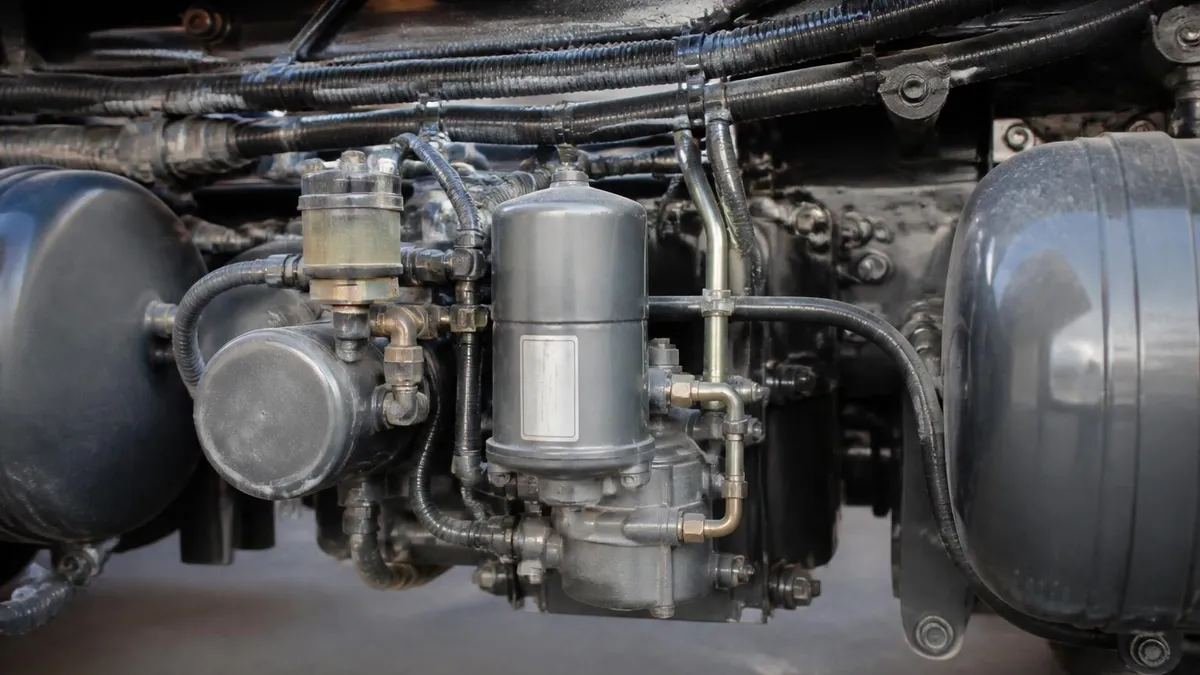
Pay structure is where last-mile diverges sharply from OTR work. Most over-the-road drivers earn cents per mile. Last-mile drivers usually get a blend - hourly base plus activity pay. Activity pay means you earn extra for each stop, each delivery, each piece of freight, or each customer signature. Some carriers add bonuses for white-glove installations, completed assemblies, or zero-claim weeks.
The math changes depending on the carrier, but the realistic range for a full-time last-mile CDL driver in 2026 sits somewhere between $50,000 and $75,000 a year. Top performers - especially team drivers running heavy white-glove routes in expensive metro areas - can crack $90,000. Benefits often beat what you'd get in long-haul work too: full medical, dental, vision, 401(k) with company match, and paid time off that actually feels usable when you're already home every night.
What pulls the average down? New drivers usually start near $20 an hour with limited activity pay. Slow routes, light freight days, and weather cancellations all eat into earnings. What pushes the average up? Tenure, productivity bonuses, overtime (yes, last-mile actually pays overtime - OTR drivers usually don't get it), and willingness to work weekend or evening shifts.
Many last-mile operations run six days a week now to keep up with retail delivery promises. The drivers who consistently take the late shifts or the busy Saturdays during peak season often see their annual earnings jump by ten or fifteen thousand dollars compared to coworkers who stick to a strict Monday-through-Friday schedule.
Inside a Last-Mile Driver's Workday
The equipment side of last-mile is more involved than people realize. You're not just driving. You're operating a lift gate that lowers 700-pound refrigerators safely to the ground. You're strapping freight inside the truck so it doesn't tip during a left turn. You're using a stair-climbing dolly to move a treadmill up three flights to a second-floor apartment.
Carriers train you on all of this during orientation - usually one to two weeks of paid training - but the learning curve continues for months. Drivers who came from OTR sometimes underestimate how physical the job is. Twelve stops with appliances will leave you sore in places you didn't know existed. The first month is a body shock. The second month, things start clicking. By month three, your back, shoulders, and grip strength have caught up - and the job feels manageable.
Two-person teams are common for white-glove and heavy-haul routes. Your partner is called a helper or a driver's assistant. They're not always CDL-licensed - their job is to handle the freight, navigate hallways, protect the customer's home from scuffs and scratches, and assemble products on-site. A good helper makes a great driver. A bad helper makes for very long days.
Most carriers let drivers request a regular helper once they've earned tenure. Building that two-person chemistry is worth the wait. When you and your helper move in sync, a 12-stop route flows like clockwork. When you don't, you're correcting mistakes, redoing wrap jobs, and apologizing to customers about scuffed walls.
Last-mile job postings sometimes blur the line between CDL and non-CDL roles. Class A is required if you're pulling a trailer over 10,000 pounds or driving a combination vehicle. Class B covers straight trucks over 26,001 pounds. A handful of last-mile employers will hire you without a CDL if the truck stays under 26,001 pounds GVWR - but pay is usually lower and the work is the same. Read the GVWR line before you sign anything.
Customer service is the part of the job that quietly determines whether you'll thrive or wash out. Last-mile drivers are evaluated on something called "first-attempt success rate" - the percentage of deliveries that complete on the first try, no callbacks, no reschedules, no complaints. Carriers track it. Retailers track it. Your bonuses depend on it.
Drivers with strong soft skills - patience, clear communication, the ability to read a customer's mood and adjust - consistently outperform drivers who only know how to drive. A friendly knock, a quick walk-through of the freight before unloading, a clear explanation of what happens next - small details that turn a five-star review into repeat business for the carrier.
You'll also handle exceptions. The customer isn't home. The freight arrived damaged. The truck won't fit down the driveway. The HOA won't let you park curbside. Every day brings something dispatch didn't predict. Veteran last-mile drivers learn to think like dispatchers - calling ahead, rerouting when traffic crushes the morning, swapping stops with a teammate when one address turns into a 90-minute install.
Companies that pay well usually pay well because they hire drivers who solve problems instead of escalating them. That mindset is the single biggest predictor of success in the job. Driving skill matters. Lifting strength matters. But the drivers who climb the pay ladder fastest are the ones dispatch trusts to handle the messy stops without a phone call.
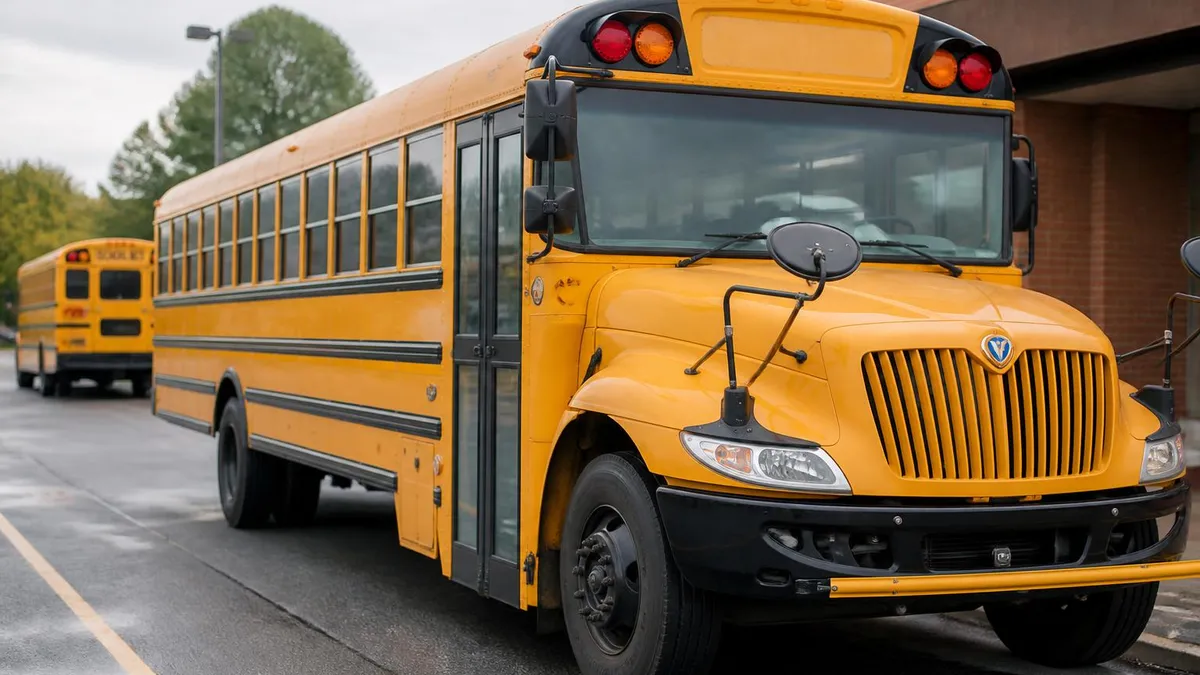
What You Need to Get Hired
- ✓Valid CDL Class A or Class B (check the job posting - many last-mile roles accept Class B)
- ✓Clean MVR for the last 3 years - last-mile carriers are stricter than OTR on driving record
- ✓DOT medical card with no major restrictions
- ✓Comfort lifting 75 to 100 pounds repeatedly - some routes require lifting 150+ pounds with a partner
- ✓Smartphone savvy - you'll use a tablet or handheld for routing, signatures, and proof of delivery
- ✓Customer service mindset - you're the carrier's face at every stop
- ✓Flexibility for evening or Saturday shifts during peak retail seasons
Hiring requirements vary, but there's a baseline. Most carriers want at least one year of verifiable CDL driving experience. A clean motor vehicle record matters more than it does in OTR - because you're driving in residential neighborhoods, school zones, and tight parking lots, insurance underwriters scrutinize last-mile drivers harder. Background checks are standard.
Drug testing is universal. Some carriers run hair-follicle tests in addition to urinalysis, especially the ones holding contracts with Lowe's, Home Depot, or other major retailers who demand higher screening standards from their delivery partners. Expect the application-to-orientation timeline to run two to four weeks if your record is clean.
If you're new to CDL work, last-mile can be a strong entry point. Many regional carriers will train Class B drivers and even sponsor CDL school in exchange for a 12- or 24-month commitment. The work isn't glamorous, but it's steady.
You learn freight handling, dispatch systems, customer service, and DOT compliance in a single role - skills that transfer well if you decide to move into linehaul, dedicated fleet work, or owner-operator territory later. Plenty of veteran owner-operators got their start running last-mile routes for a regional carrier. The dispatch experience alone teaches you the rhythm of how freight actually moves through the country.
CDL Last Mile Pros and Cons
- +Home every single night - no nights or weekends away from family
- +Predictable schedule - most routes start and end at the same depot
- +Real overtime pay (something most OTR drivers never get)
- +Variety - new stops, new customers, new neighborhoods every day
- +Strong entry point for new CDL holders, especially Class B drivers
- −Physically demanding - you're lifting and maneuvering freight all day
- −Customer-facing pressure - difficult deliveries can be stressful
- −Pay ceiling is lower than top-tier OTR or specialized hauling
- −Tight time windows mean traffic and weather hit your day hard
- −Equipment training is a steep curve in the first 60 days
What's the long-term outlook? E-commerce isn't slowing down. Big-and-bulky online sales - appliances, furniture, fitness equipment, mattresses - have grown faster than any other retail category for five straight years. Every one of those items needs a CDL driver to get it from the warehouse to a living room. Industry analysts at the American Trucking Associations expect last-mile freight volume to continue climbing through at least 2030.
Carriers are investing heavily in dedicated last-mile divisions because the margins are higher than traditional LTL freight and because retailers are willing to pay a premium for fast, reliable home delivery. Same-day and next-day delivery promises have become standard - and somebody has to make those promises happen on the ground.
That's good news for drivers. More demand, more carriers competing for talent, more flexibility in pay packages. The downside? Automation is creeping in. Sidewalk robots, drone delivery trials, and autonomous box trucks are real. None of them are taking last-mile CDL jobs in the next five years - the technology isn't close to ready for residential delivery at scale - but you should keep one eye on the horizon.
Drivers who build a reputation for white-glove service, technical product knowledge (think appliance installation, furniture assembly, smart-home setup), and reliability will be the last ones replaced, if they're ever replaced at all. Specialization is your insurance policy. The more your skills extend past the steering wheel, the harder you are to automate out of a paycheck.
If you're sitting on a fresh CDL and weighing your first job, last-mile deserves a real conversation. Apply to two or three carriers in your area. Ask specifically about home time, average stops per day, and how pay is structured between hourly base and activity bonuses. Ride along for a shift if the carrier allows it - many do, especially for Class B candidates.
You'll learn more in eight hours next to a veteran driver than in any orientation video. And you'll know within a day whether the work fits you. Pay attention to how the helpers interact with the driver, how dispatch handles the inevitable curveballs, and how the customers respond when the truck pulls up. Those signals tell you everything about the operation.
For experienced OTR drivers thinking about a switch - last-mile is a different animal, but the freedom of being home every night is hard to overstate. You'll trade some pay for a life. You'll learn new skills that have nothing to do with shifting gears or backing into a dock. And you'll discover that the freight world is bigger and more varied than most drivers ever realize.
The road doesn't have to mean a thousand miles from home. Sometimes it just means the last mile to a stranger's front door - and the drive back to your own. For a growing share of CDL holders, that's exactly the trade they've been waiting to make - and the industry is reshaping itself around them faster than most outsiders realize.
CDL Questions and Answers
About the Author

Licensed Driving Instructor & DMV Test Specialist
Penn State UniversityRobert J. Williams graduated from Penn State University with a degree in Transportation Management and has spent 20 years as a certified driving instructor and DMV examiner consultant. He has personally coached thousands of applicants through written knowledge tests, skills assessments, and commercial driver licensing programs across more than 30 states.
Join the Discussion
Connect with other students preparing for this exam. Share tips, ask questions, and get advice from people who have been there.
View discussion (7 replies)