
What Does CCMA Stand For? Certified Clinical Medical Assistant Explained
What does CCMA stand for? Learn about the Certified Clinical Medical Assistant credential, duties, salary, exam, and how to pass the NHA certification. 🗨️

If you have been researching allied health careers, you have almost certainly come across the acronym CCMA and wondered exactly what it means. So, what does CCMA stand for? CCMA stands for Certified Clinical Medical Assistant, a nationally recognized credential awarded by the National Healthcareer Association (NHA) to healthcare professionals who demonstrate competency in both clinical and administrative patient-care tasks. The credential signals to employers that a candidate has passed a rigorous, standardized examination and possesses the foundational skills required to work effectively in physician offices, urgent-care clinics, and hospital outpatient settings across the United States.
The CCMA certification has become one of the most sought-after entry-level credentials in healthcare, and for very good reason. The Bureau of Labor Statistics projects that employment for medical assistants will grow by 14 percent between 2022 and 2032, which is significantly faster than the average across all occupations. That growth is fueled by an aging Baby Boomer population, expanded access to preventive care under the Affordable Care Act, and a steady migration of medical services away from expensive hospital inpatient settings toward lower-cost outpatient and ambulatory-care facilities where CCMAs typically work.
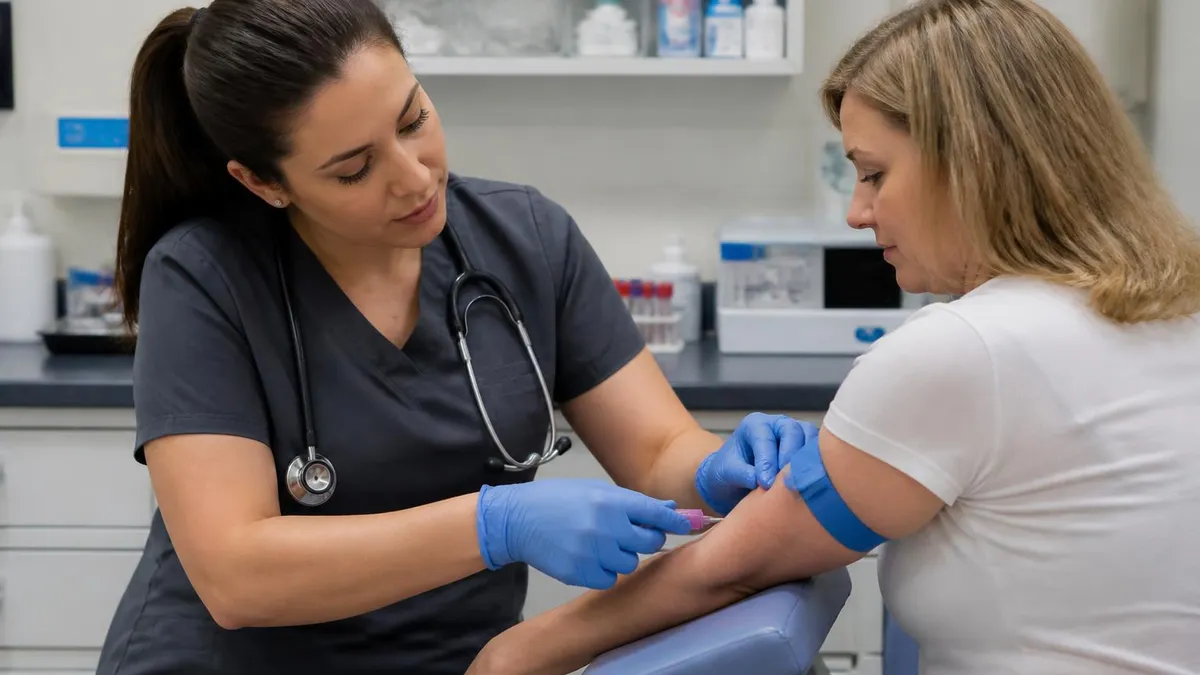
To understand the full ccma meaning in a practical career context, it helps to know what the credential actually authorizes its holder to do. A CCMA is trained to perform a broad spectrum of duties spanning both the front and back office of a clinical practice. On the clinical side, that includes taking patient vital signs, drawing blood (phlebotomy), administering injections, performing electrocardiograms, assisting physicians during examinations, and collecting specimens for laboratory analysis. On the administrative side, CCMAs schedule appointments, process insurance claims, maintain electronic health records, and handle billing inquiries.
The NHA issues the CCMA credential after a candidate passes a 180-question, multiple-choice examination that assesses knowledge across ten content domains. Candidates typically prepare by completing an accredited medical assisting program at a community college or vocational school, although the NHA also allows candidates with equivalent on-the-job experience to sit for the exam. The examination is offered year-round at Pearson VUE testing centers throughout the country, making the credential accessible to aspiring healthcare workers regardless of their geographic location.
One of the most compelling aspects of the CCMA versus other medical-assistant credentials is its market recognition. While several organizations offer medical-assistant certifications, the NHA CCMA is specifically designed to align with real-world employer expectations in high-volume primary-care and specialty settings. Hospitals and clinic networks often list the CCMA credential as a preferred or required qualification in their job postings, which gives certified individuals a measurable advantage over non-certified applicants when competing for positions in a tight labor market.
Another factor that makes the CCMA an attractive credential is affordability and speed. Many candidates complete the required training in as little as nine to twelve months through a certificate program, making it one of the fastest pathways into a stable healthcare career. Compared to a two-year associate degree or a four-year nursing program, the CCMA route lets motivated individuals begin earning a professional wage while their peers are still completing prerequisite coursework. For career changers, recent high-school graduates, and individuals seeking economic mobility, the value proposition is clear and immediate.
Throughout this article you will find a comprehensive overview of everything related to the CCMA credential: what the job entails day to day, how much CCMAs earn in different states and settings, what the certification exam looks like, how to prepare effectively, and which practice resources will help you pass on your first attempt. Whether you are just starting to explore the field or are already enrolled in a medical-assisting program, the information ahead will give you a clear roadmap for achieving and leveraging this career-defining certification.
CCMA Certification by the Numbers

Core CCMA Roles and Responsibilities
CCMAs take vital signs, assist with physical exams, administer injections, perform phlebotomy, collect specimens, and conduct 12-lead ECGs. These hands-on duties require precise technique and a thorough understanding of infection control and patient safety protocols.
From scheduling appointments and verifying insurance eligibility to processing referrals and maintaining accurate electronic health records, CCMAs serve as the operational backbone of busy outpatient practices, ensuring smooth patient flow and accurate documentation.
CCMAs prepare and administer medications under physician supervision, understand drug classifications, calculate dosages, and document administrations in the patient chart. Knowledge of common drug interactions and contraindications is tested on the NHA exam.
Effective CCMAs explain pre-procedure instructions, relay physician discharge directions, and address patient concerns with empathy. Strong communication skills — both written and verbal — are integral to the role and are weighted in the NHA certification domains.
Earning your CCMA certification begins well before you sit down at a Pearson VUE testing center. The NHA requires candidates to meet at least one of several eligibility pathways before they can register for the exam.
The most common route is completion of an accredited medical assisting program — either a certificate, diploma, or associate degree — from a school recognized by an accrediting body such as CAAHEP (Commission on Accreditation of Allied Health Education Programs) or ABHES (Accrediting Bureau of Health Education Schools). Graduates of these programs are typically eligible to sit for the NHA CCMA exam within one year of completing their training.
For individuals who did not attend a formal training program, the NHA offers a work-experience pathway. Candidates with at least one year of full-time employment as a medical assistant — or the equivalent in part-time hours — may also qualify to take the exam, provided they can document their experience through an employer attestation. This pathway is particularly valuable for medical assistants who have been working in the field informally or who transitioned into the role from a related healthcare position such as phlebotomist, nursing assistant, or emergency medical technician.
Once eligibility is confirmed, candidates register through the NHA's online portal and pay the examination fee, which is currently $155 for NHA members and slightly higher for non-members. The NHA also sells bundled study packages that include practice tests, flashcards, and a study guide. After submitting the application and receiving approval, candidates have a 90-day testing window during which they must schedule and sit for the exam at any Pearson VUE location. The flexibility of year-round testing means there is never a bad time to start preparing — you set your own deadline based on your readiness.
Preparation is the single most important variable in determining whether a candidate passes on the first attempt. The NHA reports that candidates who use official study materials score measurably higher than those who rely on informal study alone.
A structured study plan typically spans six to twelve weeks and covers all ten content domains tested on the exam: patient care and education, infection control, anatomy and physiology, pharmacology, clinical procedures, electrocardiography, phlebotomy, administrative duties, emergency preparedness, and professionalism and ethics. Allocating study time proportionally to the weight each domain carries on the exam is a proven way to maximize your score.
Practice tests are widely regarded as the most effective single study tool for the NHA CCMA exam. Timed practice under realistic test conditions familiarizes candidates with the pacing required to answer 180 questions in three hours, which works out to roughly one minute per question. Candidates who complete multiple full-length nha ccma practice test sessions before their exam date consistently report higher confidence levels and lower anxiety on test day. Many also use the diagnostic feedback from practice tests to identify weak content domains and focus their remaining study time accordingly.
Study groups are another powerful preparation tool, especially for candidates who learn best through discussion and collaborative problem-solving. Working through case-based questions with peers who are also preparing for the CCMA exam forces each participant to articulate their reasoning, which deepens comprehension far more effectively than passive re-reading of notes. Online study communities on platforms like Reddit and Discord have thousands of active CCMA candidates who share study schedules, quiz each other on content, and post tips from their own exam experiences — a resource that is freely available to anyone who seeks it out.
Finally, do not underestimate the value of hands-on skills practice. While the NHA CCMA exam is entirely multiple-choice and does not include a practical component, many clinical questions describe realistic scenarios that require you to draw on procedural knowledge — understanding the correct order of venipuncture steps, knowing how to properly calibrate an ECG machine, or recognizing the signs of a patient who is about to experience vasovagal syncope during a blood draw.
Candidates who have recent, active clinical experience in a practicum or externship setting have a natural advantage on these scenario-based questions because the procedures are vivid in their minds.
CCMA Exam Content Domains Explained
The clinical portion of the CCMA exam covers patient intake, vital signs measurement, phlebotomy technique, ECG performance, infection control protocols, medication preparation, and specimen collection. These domains collectively represent approximately 60 percent of the total exam weight, reflecting the heavily clinical nature of the certified clinical medical assistant role in modern outpatient care settings.
Questions in the clinical domains are often scenario-based, presenting a brief patient vignette and asking candidates to select the most appropriate action. For example, you might be shown a patient presenting with signs of anaphylaxis and asked to identify the correct first-line intervention. Success on these questions requires both factual memorization and the ability to apply clinical reasoning under time pressure, which is exactly why consistent practice-test repetition is so valuable in the weeks before exam day.

CCMA Certification: Benefits and Challenges
- +Fast pathway to a stable healthcare career — most programs complete in 9 to 12 months
- +Nationally recognized credential trusted by hospitals, clinics, and urgent-care networks nationwide
- +Broad clinical and administrative skill set opens doors to diverse healthcare settings
- +Growing job market with 14% projected employment growth through 2032
- +Credential is renewable every two years, keeping skills current with evolving clinical standards
- +Relatively affordable exam fee compared to other healthcare certifications
- −Salary ceiling is lower than credentials requiring a nursing or physician assistant degree
- −Some states have specific scope-of-practice laws that limit what CCMAs can legally perform
- −Physical demands — prolonged standing, lifting patients, and repetitive procedural tasks — can cause workplace injury
- −Emotionally taxing work in high-volume clinical settings may contribute to burnout over time
- −Continuing education requirements for renewal add ongoing time and cost obligations
- −Career advancement often requires additional education such as an RN or PA credential
CCMA Exam Prep Checklist: 10 Steps Before Test Day
- ✓Confirm your eligibility pathway (accredited program graduate or documented work experience) before registering.
- ✓Create an NHA account and complete your exam application at least four weeks before your desired test date.
- ✓Purchase or access the official NHA CCMA study guide and review all ten content domain outlines.
- ✓Build a daily study schedule allocating time proportionally to each domain's exam weight percentage.
- ✓Complete at least three full-length, timed practice exams under realistic testing conditions.
- ✓Review every incorrect practice-test answer and read the full rationale explanation before moving on.
- ✓Use anatomy flashcards to master body-system vocabulary, landmark structures, and injection sites.
- ✓Practice ECG rhythm identification and phlebotomy order-of-draw sequences until they are automatic.
- ✓Confirm your Pearson VUE testing center location, bring acceptable photo ID, and arrive 15 minutes early.
- ✓Sleep a full eight hours the night before the exam — cognitive fatigue is the top avoidable performance killer.
Practice Tests Are Your Best Predictor of Exam Success
NHA data consistently shows that candidates who complete three or more full-length practice tests before exam day pass at significantly higher rates than those who only read study materials. Timed practice builds both content recall and the pacing stamina needed to finish 180 questions in three hours without rushing through the final section.
One of the most practical questions prospective CCMAs ask is how much the credential actually pays. According to the Bureau of Labor Statistics, the median annual wage for medical assistants — the occupational category that includes CCMAs — was $38,800 in 2023. However, that figure represents the midpoint across all experience levels and geographic markets. Entry-level CCMAs in rural areas or smaller practices typically earn closer to $30,000 to $33,000 annually, while experienced CCMAs in high-cost metropolitan markets such as San Francisco, New York, Seattle, and Boston frequently earn $48,000 to $55,000 or more per year.
Geographic location is the single biggest driver of CCMA salary variation in the United States. States with the highest median wages for medical assistants include Alaska, Washington, Massachusetts, Hawaii, and California — all of which combine high costs of living with robust healthcare sectors that compete aggressively for qualified clinical staff. By contrast, states in the South and Midwest such as Mississippi, Alabama, and Arkansas tend to have lower median wages, although those lower nominal salaries often translate to comparable purchasing power when adjusted for regional cost of living differences.
Employer type also plays a significant role in determining CCMA compensation. CCMAs employed by outpatient specialty practices — cardiology, dermatology, orthopedics, and oncology offices — tend to earn more than those working in general family practice settings because the specialized clinical tasks they perform command premium pay. Hospital outpatient departments and urgent-care chains typically offer structured pay scales with predictable merit increases, while independent physician practices may pay slightly less but offer more scheduling flexibility and autonomy in day-to-day responsibilities.
Beyond base salary, CCMAs often receive a compelling total compensation package that includes employer-sponsored health insurance, paid time off, retirement plan contributions, and tuition-reimbursement benefits that can be used to pursue advanced credentials such as Registered Medical Assistant (RMA), Licensed Practical Nurse (LPN), or even Registered Nurse (RN) designations. Many large healthcare employers also offer shift differentials for evening, overnight, and weekend hours, which can meaningfully increase total annual earnings for CCMAs willing to work non-standard schedules.
Career advancement trajectories for CCMAs are more varied than many candidates initially realize. With two to three years of experience, a CCMA can move into a lead medical-assistant role overseeing a team of clinical staff, which typically comes with a salary bump of $3,000 to $6,000 annually.
With further experience and education, CCMAs frequently transition into roles such as clinical supervisor, medical office manager, phlebotomy trainer, or healthcare administrator. Those who return to school for a nursing or allied-health degree carry forward their clinical experience in a way that significantly accelerates their progression through nursing programs and earns them credit for competencies already demonstrated on the job.
For a deeper breakdown of what CCMAs earn by state, employer type, and experience level, the ccma salary data compiled in our CCMA Exam Prep resource provides detailed compensation tables that can help you benchmark offers and negotiate your starting wage with confidence. Understanding the market rate for your specific region and specialty before accepting a job offer is one of the most financially impactful things a new CCMA can do to set their career on a strong trajectory from day one.
Looking beyond individual salary figures, the broader economic argument for pursuing the CCMA credential is compelling at virtually any stage of a healthcare career. The certification represents a relatively small upfront investment in time and money — typically $1,500 to $3,500 in program tuition plus the exam fee — that unlocks access to a growing job market with excellent job security, employer-sponsored benefits, and clear pathways to higher-paying roles.
For individuals weighing the CCMA against other entry-level healthcare credentials, the combination of salary potential, growth outlook, and credential portability across the country makes it one of the strongest career-launch investments available in the allied health space today.

Your CCMA credential must be renewed every two years from the date of initial certification. Renewal requires completing 10 continuing education units (CEUs) through NHA-approved providers and paying a renewal fee. Allowing your certification to lapse means you must retake the full exam to regain credentials — so set a calendar reminder well before your expiration date.
Passing the NHA CCMA exam on your first attempt is a realistic goal for any candidate who prepares systematically and gives themselves adequate lead time. The NHA does not publish an official overall pass rate, but anecdotal reports from CCMA forums, tutoring services, and medical assisting programs suggest that first-time pass rates typically range from 60 to 70 percent among candidates who have completed formal training programs. That figure rises significantly — often to 80 percent or above — among candidates who combine program completion with dedicated, structured exam preparation using practice tests and study guides.
The architecture of the exam itself rewards candidates who understand how to read multiple-choice questions strategically. Many CCMA exam questions are written in a way that presents two plausible-sounding answer choices alongside one clearly wrong option and one subtly wrong option. The difference between the correct answer and the subtly wrong answer often hinges on a single procedural detail — the correct order of steps, the proper needle gauge, or the precise HIPAA threshold that triggers a mandatory disclosure. Recognizing these patterns through repeated practice is far more reliable than trying to memorize every clinical detail in isolation.
Time management during the actual exam is another critical success factor. With 180 questions and a three-hour time limit, candidates have an average of exactly 60 seconds per question. In practice, straightforward factual recall questions should take 20 to 30 seconds, which creates a time buffer for the longer scenario-based questions that require reading a two-to-three sentence clinical vignette before selecting the best answer. Candidates who practice under timed conditions consistently perform better on exam day because they have already internalized an efficient pacing rhythm that prevents them from getting stuck and running out of time on the final section.
On the day of the exam, there are several logistics worth knowing in advance. Pearson VUE testing centers require candidates to present two forms of valid identification, at least one of which must be a government-issued photo ID such as a driver's license or passport. Personal items including phones, wallets, keys, and study materials must be stored in a provided locker before entering the testing room.
The testing environment is quiet, monitored by cameras, and sometimes proctored in person. Test-takers receive scratch paper and a pencil, and the exam is delivered entirely on a computer. Results are available within minutes of completing the exam, displayed as a pass or fail with a numeric score and a domain-by-domain breakdown.
If a candidate does not pass on the first attempt, the NHA permits retakes after a waiting period of at least 30 days. Candidates may retake the exam up to three times within a 12-month period.
The domain-level score report from the failed attempt is an invaluable roadmap for targeted remediation — it tells you exactly which areas cost you the most points so you can focus your study time precisely where it will have the greatest impact on your score. Many candidates who fail narrowly on the first attempt pass comfortably on the second after spending four to six weeks drilling their weakest domains.
For test-day anxiety, preparation is the most effective antidote, but a few practical strategies also help. Arriving at the testing center early — at least 15 minutes before your scheduled start time — eliminates the stress of rushing and gives you time to check in calmly, review any administrative requirements, and settle mentally before the clock starts.
Bringing a water bottle for the waiting area, eating a balanced meal two to three hours before the exam, and avoiding heavy caffeine intake on test morning all support optimal cognitive performance. If anxiety is severe, some candidates find brief mindfulness exercises in the parking lot before walking in to be genuinely helpful in regulating their physiological stress response.
To get the most targeted preparation for the nha ccma certification exam, make sure you are working with practice content that mirrors the real exam's question style, domain weighting, and difficulty distribution. Generic medical-assistant study guides often cover more material than the NHA actually tests, which can dilute your preparation time with low-yield content. Staying focused on officially published NHA exam blueprints and practicing with questions aligned to that blueprint is the most efficient way to ensure that every hour of study translates directly into exam performance.
Beyond passing the exam, the real payoff of CCMA certification begins on day one of your first certified position. Employers who post CCMA-preferred or CCMA-required positions are signaling something specific: they want a clinical staff member who can function independently from the start, without extensive on-the-job remediation of foundational skills. Walking into a new role with active certification demonstrates professional accountability, validates the quality of your training, and typically qualifies you for a higher starting wage than a non-certified candidate with equivalent work history.
In practice, CCMAs serve as the connective tissue between physicians and patients in busy outpatient clinics. On a typical shift, a CCMA might room ten to twenty patients, take and document vital signs for each, assist the physician with two minor procedures, perform four venipunctures for laboratory orders, administer three intramuscular injections, conduct one 12-lead ECG, respond to two patient phone calls about medication questions, and complete end-of-day documentation in the EHR before the clinic closes.
This variety is one of the aspects of the role that CCMA professionals consistently cite as their favorite feature of the job — no two shifts are identical.
Professional development does not stop at certification. The NHA offers a structured continuing-education ecosystem that allows CCMAs to pursue specialty micro-credentials in areas such as phlebotomy, EKG interpretation, and patient communication. Stacking these micro-credentials alongside your CCMA demonstrates specialization to employers and often supports requests for pay increases or promotion to lead clinical roles. The NHA's continuing-education catalog includes live webinars, self-paced online modules, and employer-sponsored in-service training programs, making it easy to accumulate the required ten CEUs during your two-year certification cycle without significant disruption to your work schedule.
Mentorship is another underutilized resource for new CCMAs. Connecting with a more experienced certified medical assistant or a supervising physician who is willing to provide regular feedback accelerates skill development far beyond what self-directed learning alone can achieve. Many clinics have informal mentorship relationships built into their onboarding process, and candidates who proactively seek that guidance signal professionalism and growth mindset — qualities that managers notice and reward.
If your employer does not have a formal mentorship program, professional associations such as the American Association of Medical Assistants (AAMA) and the NHA's own alumni community offer networking opportunities where experienced CCMAs volunteer to advise those just entering the field.
Setting clear career goals from the beginning of your CCMA journey helps you make strategic decisions about which clinical settings to prioritize, which continuing education to pursue, and when to seek additional credentials. If your long-term goal is healthcare administration, gaining experience in a multi-physician practice or hospital outpatient department will expose you to the operational complexity that prepares you for a management track.
If your goal is clinical advancement toward an RN or PA credential, seeking out settings with high procedural volume — urgent care, orthopedic surgery, or cardiology — will give you the hands-on experience that strengthens applications to nursing or physician assistant programs.
The CCMA credential also provides meaningful job security in an era of economic uncertainty. Healthcare is one of the most recession-resistant sectors of the U.S. economy precisely because demand for medical services is driven by biology and demographics rather than consumer discretionary spending.
During the COVID-19 pandemic, medical assistants were designated essential workers and continued to be employed — and in many cases were in greater demand — while workers in retail, hospitality, and other sectors faced mass layoffs. For individuals who have experienced job insecurity in previous careers, the stability of a healthcare position backed by national certification is a genuine quality-of-life benefit that extends well beyond the paycheck itself.
In summary, the CCMA credential represents one of the most strategically sound career investments available to individuals entering or transitioning into the healthcare workforce. The combination of accessible training pathways, a nationally recognized examination, competitive starting salaries, strong job-market growth, and clear advancement trajectories makes the Certified Clinical Medical Assistant credential a powerful foundation for a long and rewarding career in clinical medicine. Whether your next step is enrolling in a training program, registering for the NHA exam, or preparing with practice tests, the path forward is well-defined and entirely within your reach.
CCMA Questions and Answers
CCMA Study Guide: Complete Prep Hub for the NHA Certification Exam

Certified Clinical Medical Assistant: Complete Training Guide

CCMA Exam Prep 2026 — NHA Study Guide & Practice Tips
NHA CCMA Exam Questions PDF 2026: Free Certified Clinical Medical Assistant Practice

NHA CCMA Certification: Complete Guide to the Exam, Career & Pay
About the Author

Educational Psychologist & Academic Test Preparation Expert
Columbia University Teachers CollegeDr. Lisa Patel holds a Doctorate in Education from Columbia University Teachers College and has spent 17 years researching standardized test design and academic assessment. She has developed preparation programs for SAT, ACT, GRE, LSAT, UCAT, and numerous professional licensing exams, helping students of all backgrounds achieve their target scores.
Join the Discussion
Connect with other students preparing for this exam. Share tips, ask questions, and get advice from people who have been there.
View discussion (9 replies)