
What Does a BSN Do? Roles, Responsibilities, and Career Paths 2026 September
What does a BSN do? Discover BSN nurse roles, daily duties, specialties, and career paths. 🎯 Complete guide for aspiring RNs.
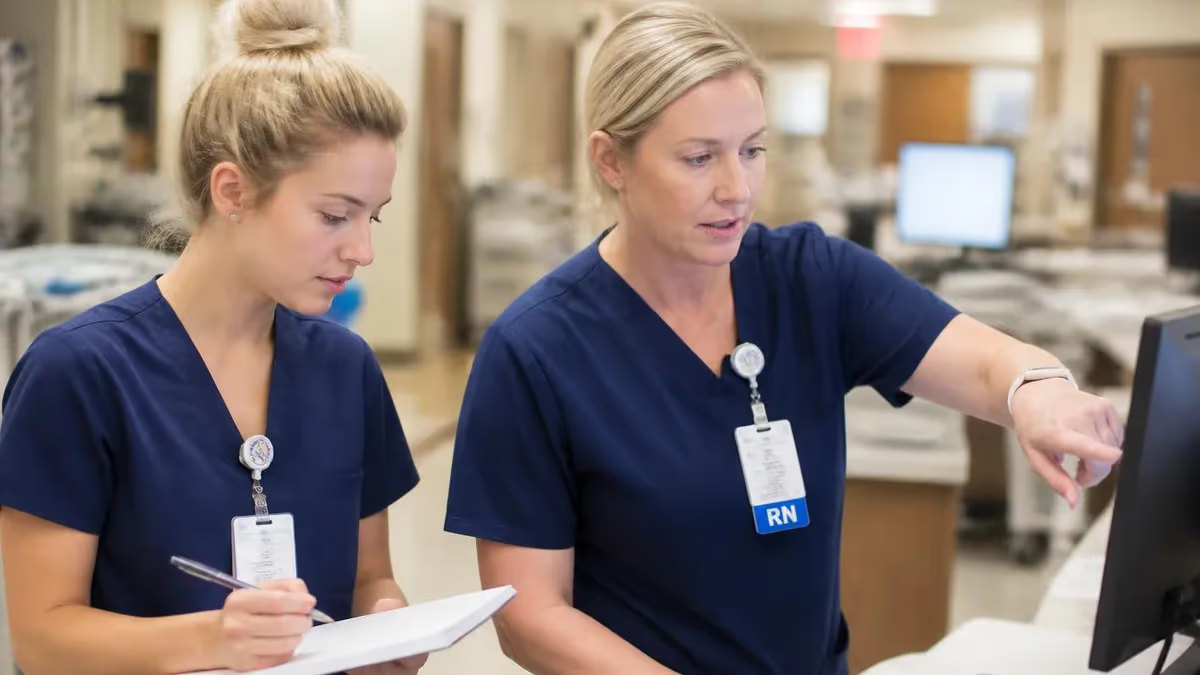
Understanding what does a BSN do is the first step toward a rewarding nursing career. A Bachelor of Science in Nursing (BSN) prepares registered nurses to deliver comprehensive, evidence-based patient care across hospitals, clinics, community health centers, and specialty practices throughout the United States. BSN-prepared nurses go far beyond taking vitals or administering medications — they assess complex patient conditions, develop individualized care plans, coordinate with interdisciplinary teams, and serve as critical patient advocates who ensure safe and effective outcomes for every individual under their care.
The BSN degree is increasingly recognized as the professional standard in American nursing. Major health systems including Magnet-designated hospitals now require or strongly prefer BSN-educated nurses. The American Association of Colleges of Nursing (AACN) has long championed the BSN as the entry-level credential that produces nurses capable of handling the complexity of modern healthcare. According to the Bureau of Labor Statistics, registered nurses — the majority of whom now hold BSN degrees — earn a median annual wage of approximately $86,070, making nursing one of the most financially rewarding undergraduate career paths available today.
A BSN-prepared nurse's daily responsibilities vary enormously depending on their specialty and care setting. In an acute care hospital, a BSN nurse might spend a shift monitoring post-surgical patients, titrating IV medications, communicating critical lab values to physicians, and educating family members about discharge instructions — all within a single 12-hour period. In a community health setting, that same nurse might conduct wellness screenings, develop population-level health programs, and counsel patients on chronic disease prevention. The breadth of practice is one of the most compelling aspects of holding a BSN degree.
Beyond bedside care, BSN nurses develop leadership and critical thinking skills that prepare them for supervisory roles, quality improvement initiatives, and healthcare administration. The BSN curriculum typically includes coursework in nursing research, community health, leadership, informatics, and pathophysiology — all of which equip graduates to think analytically and act decisively in high-pressure clinical environments. These competencies are not merely academic; they translate directly into safer patient outcomes, reduced hospital-acquired complications, and higher rates of patient satisfaction, as demonstrated by multiple landmark studies in peer-reviewed nursing journals.
Many BSN graduates also pursue advanced education, using their bachelor's degree as a springboard into Master of Science in Nursing (MSN) or Doctor of Nursing Practice (DNP) programs. These pathways lead to roles such as nurse practitioner, certified registered nurse anesthetist (CRNA), clinical nurse specialist, or nurse midwife — positions that command salaries well above $100,000 annually. If you are curious about accelerated pathways to the BSN, you can explore what does a bsn do in fast-track programs designed for career changers and second-degree students.
The demand for BSN-prepared nurses is projected to remain strong for the foreseeable future. The BLS projects employment of registered nurses to grow 6 percent through 2032, faster than average for all occupations, driven by an aging Baby Boomer population, increased rates of chronic illness, and expanding access to healthcare through federal programs. Hospitals, long-term care facilities, schools, correctional institutions, telehealth companies, and public health agencies are all actively recruiting BSN graduates. With licensure through the NCLEX-RN examination, BSN nurses gain the legal authority to practice in any of the 50 states and U.S. territories.
Whether your interest lies in pediatric nursing, oncology, emergency care, mental health, or global health missions, the BSN provides the academic foundation and clinical training to pursue virtually any nursing specialty. This article walks you through the core duties of BSN nurses, the settings where they work, the specialties they pursue, the advantages of the degree over alternative pathways, and the practical steps you need to take to launch or advance your nursing career with a BSN credential in hand.
BSN Nursing by the Numbers

Core Duties and Responsibilities of a BSN Nurse
BSN nurses conduct thorough head-to-toe assessments, collecting subjective and objective data to identify changes in patient condition. They interpret vital signs, lab results, and diagnostic findings, then communicate clinical concerns promptly to the care team to prevent deterioration.
Using evidence-based nursing diagnoses, BSN nurses develop individualized care plans, set measurable patient goals, and implement therapeutic interventions ranging from wound care and medication administration to pain management and mobility assistance throughout each shift.
A critical BSN function is teaching patients and caregivers about diagnoses, medications, dietary restrictions, and self-care techniques. Effective discharge education reduces readmission rates and empowers patients to manage chronic conditions confidently after leaving the care facility.
BSN nurses serve as the connective tissue between physicians, pharmacists, social workers, physical therapists, and other specialists. They coordinate care conferences, relay essential clinical information across shift handoffs, and ensure every team member has the data needed for safe decision-making.
BSN-prepared nurses participate in unit-level quality improvement projects, root-cause analyses, and patient safety initiatives. Their research training enables them to evaluate clinical protocols, identify evidence gaps, and champion practice changes that measurably reduce harm events.
One of the most striking features of BSN nursing is the enormous variety of work environments open to graduates. While hospitals represent the largest employer of BSN nurses — absorbing approximately 60 percent of all working registered nurses according to BLS data — BSN-prepared professionals can be found in virtually every corner of the American healthcare system. Understanding these diverse settings helps prospective nurses align their educational investment with the career environment that best suits their personality, schedule, and long-term goals.
In acute care hospitals, BSN nurses typically work 12-hour shifts on medical-surgical floors, intensive care units, emergency departments, labor and delivery wards, or surgical recovery rooms. The pace is fast, the patient acuity is high, and the clinical learning opportunities are abundant. Hospital nursing demands sharp critical thinking, rapid prioritization skills, and the emotional resilience to handle life-and-death situations with composure. BSN education — with its emphasis on pathophysiology, pharmacology, and clinical simulation — is specifically designed to prepare nurses for this high-stakes environment from day one of practice.
Ambulatory care settings represent the fastest-growing segment of BSN employment. Outpatient clinics, physician offices, dialysis centers, surgical day-care units, and specialty infusion centers all rely heavily on BSN nurses to triage patients, perform procedures, administer chemotherapy or biologic agents, and provide telephonic care coordination. These roles typically offer more predictable Monday-through-Friday schedules, making them attractive to nurses seeking a better work-life balance while continuing to practice at the top of their clinical license.
Community and public health is another major domain for BSN nurses. The BSN curriculum includes dedicated community health coursework that prepares nurses to assess population-level health needs, design health promotion programs, run school-based wellness clinics, and partner with local government agencies on disease surveillance and outbreak response. Public health departments at county, state, and federal levels actively recruit BSN graduates, and this sector gained particular visibility during the COVID-19 pandemic when BSN-prepared nurses managed mass vaccination campaigns and community testing sites across the country.
Home health and hospice nursing offer yet another avenue for BSN professionals who prefer one-on-one patient relationships and independent practice. In these settings, nurses visit patients in their private residences to provide wound care, monitor chronic conditions, manage complex medication regimens, and coordinate with home health aides. Hospice BSN nurses also deliver compassionate end-of-life care to patients and their families, requiring not only clinical expertise but profound emotional intelligence and communication skills that are cultivated throughout BSN training.
School nursing, correctional health, occupational health, telehealth, travel nursing, military nursing, and international humanitarian work are all legitimate and fulfilling practice settings for BSN-prepared nurses. Each environment comes with its own regulatory framework, patient population, and scope-of-practice considerations, but the common thread is that a BSN degree provides the academic breadth and clinical foundation to adapt to any of them. The versatility of the BSN credential is perhaps its greatest long-term value, allowing nurses to pivot across specialties and settings throughout a decades-long career without returning to school for an entirely new credential.
Telehealth has emerged as a particularly dynamic frontier for BSN nursing. Remote patient monitoring, virtual urgent care triage, chronic disease management coaching, and behavioral health counseling are all expanding via telehealth platforms. BSN nurses staffing these roles use clinical assessment skills over video and phone, coordinate care with in-person providers, and document findings in electronic health record systems. The nursing informatics training embedded in BSN curricula — covering electronic health records, data privacy regulations, and digital health tools — directly prepares graduates for this growing segment of the profession.
BSN Nursing Specialties: What Can a BSN Nurse Do?
BSN nurses can specialize in virtually any clinical area. Medical-surgical nursing is the broadest specialty, covering adult patients across a wide range of diagnoses from postoperative recovery to diabetic management. Critical care nurses work in ICUs monitoring hemodynamically unstable patients on mechanical ventilators and vasopressors. Emergency nursing involves rapid triage, trauma stabilization, and multi-system assessment in unpredictable, fast-paced environments where every minute matters for patient survival and recovery.
Pediatric nursing, oncology, cardiovascular care, neurology, orthopedics, and burn care are additional clinical specialties that BSN nurses commonly pursue. Each specialty typically offers certification through a professional nursing organization — for example, the CCRN for critical care or the OCN for oncology — which validates advanced clinical knowledge and often translates into higher pay and greater professional recognition within healthcare organizations that reward specialty expertise.
BSN Degree: Advantages and Challenges
- +Higher earning potential than ADN nurses, with BSN-prepared RNs earning 10–15% more on average
- +Access to Magnet hospitals and major health systems that require or prefer BSN credentials for hire
- +Direct pathway to graduate programs in nursing — MSN, DNP, and PhD — without bridge courses
- +Broader clinical training including community health, nursing research, and leadership coursework
- +Greater job flexibility to move between acute care, outpatient, public health, and specialty settings
- +Research shows BSN-prepared nurses contribute to lower patient mortality rates in acute care settings
- −Higher upfront cost than ADN — BSN programs at public universities average $40,000–$80,000 total
- −Four-year time commitment before entering practice, versus two years for ADN programs
- −More demanding academic curriculum with research, statistics, and capstone requirements
- −Not strictly required for RN licensure in most states — ADN nurses take the same NCLEX-RN exam
- −Some rural or community hospitals still hire ADN nurses without preference for BSN credentials
- −Opportunity cost of four years of tuition versus earning a nursing income two years sooner
BSN Nurse Skills and Competencies Checklist
- ✓Perform comprehensive head-to-toe physical assessments and document findings accurately in electronic health records.
- ✓Calculate and safely administer medications using the five rights: right patient, drug, dose, route, and time.
- ✓Interpret common diagnostic data including CBC, BMP, ABGs, EKG tracings, and imaging report summaries.
- ✓Develop evidence-based nursing care plans using standardized nursing diagnoses and measurable patient outcomes.
- ✓Communicate critical changes in patient status using structured tools like SBAR to physicians and care teams.
- ✓Educate patients and families on medications, procedures, dietary modifications, and post-discharge self-care.
- ✓Delegate appropriate tasks to nursing assistants and unlicensed assistive personnel within legal scope guidelines.
- ✓Participate in quality improvement initiatives and apply basic research skills to evaluate clinical evidence.
- ✓Practice culturally competent care by adapting communication and interventions to each patient's background.
- ✓Maintain patient privacy and confidentiality in compliance with HIPAA regulations across all care interactions.
BSN Nurses Improve Patient Outcomes
A landmark study published in the Journal of the American Medical Association found that each 10% increase in the proportion of BSN-prepared nurses on a hospital unit was associated with a 5% decrease in patient mortality. Magnet-designated hospitals — which require a majority BSN nursing workforce — consistently report superior patient safety metrics, lower failure-to-rescue rates, and higher nurse retention than non-Magnet facilities. Choosing the BSN is not just a career investment; it is a commitment to delivering measurably safer care.
The debate between the BSN and the ADN (Associate Degree in Nursing) has been a defining conversation in American nursing for decades. Both pathways lead to the same NCLEX-RN licensure examination, and both produce registered nurses legally authorized to practice in any state. However, the two degrees differ substantially in depth, breadth, and the career trajectories they enable. Understanding these differences is essential for anyone deciding how to enter nursing or how to advance within the profession after initial licensure.
The ADN, typically completed in two to three years at a community college, focuses intensively on clinical nursing skills and medical-surgical fundamentals. ADN programs are often less expensive — sometimes under $10,000 in total tuition at community colleges — and they get students into the workforce more quickly. For many aspiring nurses, particularly those who are career changers, parents, or individuals with financial constraints, the ADN represents a practical and intelligent entry point into the profession. ADN nurses are clinically competent and make significant contributions across all care settings.
However, the BSN adds substantial academic depth that the ADN curriculum cannot fully cover within its compressed timeline. BSN programs require coursework in nursing research and evidence-based practice, population health and epidemiology, leadership and healthcare management, informatics and health technology, and liberal arts sciences including sociology, psychology, and statistics. This broader education produces nurses who think about patient care at both the individual and systems level — a distinction that becomes increasingly important as healthcare delivery grows more complex and data-driven.
From a practical hiring standpoint, the BSN advantage has grown significantly over the past two decades. The Institute of Medicine's landmark 2010 Future of Nursing report called for 80 percent of the RN workforce to hold BSN degrees by 2020 — a target the profession is still working toward, but one that has accelerated hospital preference for BSN candidates.
Most large urban academic medical centers and all Magnet-designated hospitals either require BSN at hire or expect new nurses to complete a BSN within two to three years of employment. In competitive nursing job markets like New York City, Los Angeles, Seattle, and Boston, a BSN is essentially the minimum credential for consideration at top-tier institutions.
Salary data consistently shows that BSN nurses earn more than their ADN counterparts. PayScale and Salary.com data indicate that BSN-prepared nurses earn approximately $5,000–$10,000 more annually than ADN nurses at comparable experience levels, with the gap widening in specialty nursing and leadership roles. Over a 30-year nursing career, this differential compounds substantially, making the upfront investment in a BSN degree — including the additional two years of tuition and delayed income — economically rational for the majority of nursing students who run the numbers.
For ADN nurses already working in the field, the RN-to-BSN bridge program offers a practical solution. These online and hybrid programs — offered by hundreds of accredited universities nationwide — allow working nurses to complete their bachelor's degree in 12 to 24 months while maintaining full-time employment. Many hospitals provide tuition reimbursement of $3,000 to $10,000 per year specifically to support ADN nurses pursuing BSN completion, recognizing the institutional benefits of a better-educated nursing workforce. The flexibility of RN-to-BSN programs has made BSN attainment more accessible than at any previous point in nursing history.
LPN-to-BSN pathways also exist for licensed practical nurses who wish to advance their education and significantly expand their scope of practice. These programs typically require LPNs to complete prerequisite science courses before entering an accelerated nursing curriculum that culminates in both RN licensure and a BSN degree. While more demanding than traditional BSN programs — because students are simultaneously learning advanced clinical content and managing LPN-level practice responsibilities — the LPN-to-BSN pathway represents one of the most dramatic career accelerations available in all of healthcare, often translating to salary increases of 40 to 60 percent upon completion.
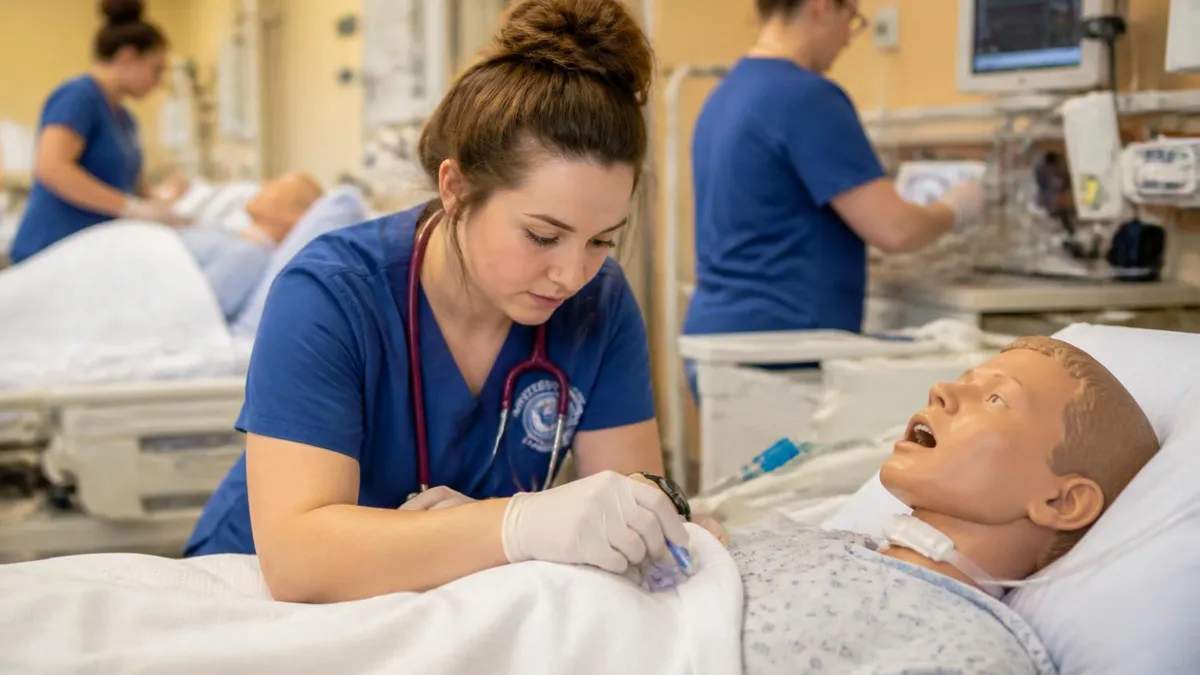
Regardless of whether you complete an ADN or BSN program, you must pass the NCLEX-RN examination to practice as a registered nurse in the United States. The NCLEX-RN uses computer adaptive testing (CAT) and covers clinical judgment, patient safety, infection control, pharmacology, and health promotion. As of 2023, the exam was updated to the Next Generation NCLEX (NGN) format, which emphasizes clinical decision-making with new question types including enhanced multiple-response, extended drag-and-drop, and case studies. BSN programs' emphasis on critical thinking and evidence-based reasoning directly supports NGN performance.
Career advancement is where the BSN degree truly distinguishes itself from alternative entry points into nursing. While ADN nurses can and do build rewarding careers, the BSN opens doors at every level of the professional ladder — from bedside specialty certification to executive nursing leadership to advanced practice licensure. Understanding the full arc of a BSN nursing career helps students and working nurses map their own trajectory with clarity and ambition.
At the bedside level, BSN nurses typically begin in entry-level staff nurse positions and advance through clinical ladder programs that recognize increasing expertise. Most hospital systems operate structured clinical advancement programs — often called Clinical Ladder or Professional Development Models — that reward nurses for specialty certification, preceptorship, committee participation, and evidence-based practice projects. BSN nurses who pursue specialty certifications such as the CCRN, CEN, CMSRN, or ONC not only deepen their clinical expertise but also increase their base salaries by $2,000 to $10,000 annually depending on the institution and specialty.
Nursing leadership is a natural progression for BSN graduates with organizational and interpersonal strengths. Charge nurses, nursing supervisors, and unit managers typically earn $90,000 to $120,000 annually in large metropolitan markets, while directors of nursing and chief nursing officers at major health systems can earn $150,000 to $300,000 with the right combination of experience and advanced degrees. The leadership coursework embedded in BSN programs — covering organizational behavior, financial management, regulatory compliance, and human resources principles — provides the foundational competencies these roles demand.
Advanced practice nursing represents the highest level of clinical scope available to nurses and typically requires a master's or doctoral degree beyond the BSN. Nurse practitioners (NPs) complete MSN or DNP programs in specialties like family health, adult-gerontology, pediatrics, psychiatric-mental health, or acute care, and they are authorized in most states to diagnose illnesses, prescribe medications, and manage entire patient panels independently. NPs earn a median annual salary of approximately $124,680 according to BLS data, with psychiatric-mental health NPs and acute care NPs in high-cost markets often exceeding $150,000.
Certified Registered Nurse Anesthetists (CRNAs) represent the highest-earning advanced practice specialty in nursing. CRNAs administer anesthesia for surgical, obstetric, and diagnostic procedures across hospital operating rooms, outpatient surgery centers, and military facilities. The median annual CRNA salary exceeds $203,000 according to BLS data, making it one of the highest-compensated roles in all of healthcare that does not require a medical doctorate. Admission to CRNA programs is highly competitive, typically requiring a BSN, current critical care experience, and a strong academic record — reinforcing why the BSN is the foundation for the most lucrative nursing career paths.
Nursing education is another fulfilling advanced-career pathway for BSN nurses. Nurse educators who teach in prelicensure nursing programs at community colleges and universities help shape the next generation of practicing nurses. Faculty positions typically require an MSN at minimum, with DNP or PhD preferred at four-year institutions.
Nurse educators earn $70,000 to $100,000 on average, with the psychic reward of mentoring students through one of the most transformative educational experiences of their lives. Many experienced BSN nurses find that transitioning into education after 10 to 20 years of clinical practice reinvigorates their passion for the profession while leveraging their accumulated knowledge.
Healthcare informatics, infection prevention, case management, risk management, utilization review, and pharmaceutical nursing are additional career directions that BSN nurses pursue. Each represents a departure from traditional direct patient care into a more specialized operational or administrative role, often with business-hours schedules, remote work options, and competitive compensation. The analytical and research skills developed in BSN programs prepare graduates to excel in these data-intensive roles, which are growing rapidly as healthcare organizations invest in digital transformation and population health management platforms.
Succeeding as a BSN nursing student and launching a strong nursing career requires more than classroom attendance and clinical hours. The nurses who thrive — both academically during their BSN program and professionally afterward — share common habits, strategies, and mindsets that set them apart from the moment they begin their education. If you are currently enrolled in a BSN program or preparing to apply, these practical strategies will help you maximize every year of your investment.
First and most importantly, master the art of clinical reasoning rather than rote memorization. The BSN curriculum is built on the premise that nurses must think, not just recall. When studying pharmacology, do not simply memorize drug names — understand mechanisms of action, therapeutic targets, and the clinical rationale for choosing one drug class over another.
When preparing for clinical rotations, review pathophysiology of the patient population you will encounter so that your assessment findings make sense within a coherent clinical picture. The NCLEX-RN and its Next Generation format reward nurses who can think through clinical scenarios, not just recognize correct answers.
Build your study skills around active recall and spaced repetition. Research in cognitive psychology consistently demonstrates that students who quiz themselves on material — using flashcards, practice questions, or self-testing — retain information far more effectively than students who re-read notes passively. BSN programs cover an enormous volume of material across four years, and the students who succeed are those who convert their notes into questions and test themselves repeatedly over time. Practice question banks, like the ones available on PracticeTestGeeks.com, are excellent tools for applying this technique to nursing content specifically.
Clinical rotations are among the most valuable components of BSN education, and you will get out of them exactly what you put in. Arrive prepared, having reviewed the conditions common to that clinical setting. Ask your preceptors questions about their clinical reasoning, not just the tasks they perform. Volunteer to attend procedures, surgeries, or assessments outside your immediate patient assignment when the opportunity arises. The clinical hours logged during a BSN program are finite, and every hour of hands-on exposure represents experience you will draw on for decades of professional practice.
Develop your professional network proactively while still in school. Join the National Student Nurses Association (NSNA), participate in university nursing honor societies like Sigma Theta Tau, and attend local nursing conferences and clinical events whenever possible. The nurses and nurse managers you meet during clinical rotations are potential references, mentors, and future employers. Many new BSN graduates secure their first positions through connections made during clinical placements rather than through cold job applications, making relationship-building a genuine career strategy rather than an optional social activity.
Prepare thoroughly for the NCLEX-RN well before your anticipated graduation date. Begin using standardized practice question banks at least six months before you plan to test. Identify your weak content areas through diagnostic testing and allocate additional study time accordingly.
Understand the NCLEX-RN blueprint — the relative weight given to each content area like safe and effective care environment, health promotion, and physiological integrity — and ensure your preparation mirrors these proportions. Many BSN graduates who struggle with the NCLEX do so not because of poor clinical knowledge but because they are unfamiliar with the exam's unique question format and decision-making framework.
Once licensed and working, commit to lifelong learning as a professional value. Nursing science evolves continuously — new medications receive FDA approval, clinical guidelines are updated, treatment protocols are revised, and entirely new care delivery models emerge.
BSN nurses who read peer-reviewed journals, attend continuing education offerings, pursue specialty certifications, and participate in professional organizations stay current with evidence-based practice and position themselves as clinical leaders within their institutions. Nursing is not a career where you can learn everything in school and coast indefinitely; it is a profession that rewards curiosity, adaptability, and continuous growth at every stage of the career lifecycle.
Finally, take care of yourself with the same diligence you apply to caring for patients. Nursing is a profession with high rates of burnout, compassion fatigue, and musculoskeletal injury — risks that are well-documented in the research literature. Establish healthy sleep habits, maintain physical fitness, cultivate relationships outside of work, and build a support network of colleagues who understand the unique stressors of nursing practice. The nurses who sustain long, fulfilling careers are those who recognize that personal wellness is not a luxury but a professional prerequisite for delivering safe, compassionate, evidence-based care to every patient they serve.
BSN Questions and Answers



About the Author

Registered Nurse & Healthcare Educator
Johns Hopkins University School of NursingDr. Sarah Mitchell is a board-certified registered nurse with over 15 years of clinical and academic experience. She completed her PhD in Nursing Science at Johns Hopkins University and has taught NCLEX preparation and clinical skills courses for nursing students across the United States. Her research focuses on evidence-based exam preparation strategies for healthcare certification candidates.