
Second Degree BSN: Complete Guide to Accelerated Nursing Programs for Career Changers
💡 Complete guide to second degree BSN programs: admission requirements, accelerated timelines, costs, and how to transition into nursing with a prior...

A second degree bsn program is specifically designed for career changers who already hold a bachelor's degree in a non-nursing field and want to become registered nurses with a full Bachelor of Science in Nursing. These accelerated programs leverage your prior college-level coursework — especially in the sciences — to compress what would normally be a four-year curriculum into 12 to 18 months of intensive, full-time study. That speed comes with rigorous expectations, but for motivated adults, it's one of the most efficient paths into clinical nursing practice available today.
The appeal of a second degree BSN is straightforward: nursing shortages across the United States are projected to deepen through the early 2030s, and hospitals increasingly prefer or require BSN-prepared nurses for hire and advancement. If you already have a degree in biology, psychology, business, or any other field, you've likely completed general education prerequisites that satisfy large portions of the nursing program's non-clinical requirements. Schools can build a curriculum that focuses almost entirely on nursing theory, clinical skills, pharmacology, pathophysiology, and supervised patient-care hours — eliminating the filler content designed for 18-year-old freshmen starting from scratch.
Admission into a second degree BSN program is genuinely competitive. Most programs receive two to five applicants for every available seat, and schools screen carefully for prerequisite GPA, science course grades, healthcare experience, and personal statements. Some programs give preference to applicants who have worked as CNAs, EMTs, medical scribes, or patient care technicians, because that hands-on exposure correlates strongly with clinical success. A cumulative GPA of 3.0 is typically the floor, but top programs at universities like Johns Hopkins, University of Pennsylvania, and Vanderbilt regularly admit cohorts averaging 3.5 or higher.
Program formats vary meaningfully. Traditional campus-based second degree BSN programs require you to relocate or already live near the university, attend lectures in person, and complete clinical rotations at affiliated hospital systems. Online and hybrid programs have grown substantially since 2020, allowing students to complete didactic coursework remotely while arranging clinical placements locally. A handful of programs offer part-time tracks, though the majority assume full-time enrollment. Financial support ranges from institutional scholarships and employer tuition reimbursement to federal nursing workforce loans and military loan repayment programs.
Costs reflect the accelerated and intensive nature of these programs. You should plan for tuition ranging from $30,000 at state institutions to well over $80,000 at private universities, with living expenses on top. However, the return on that investment comes quickly. The Bureau of Labor Statistics reports that registered nurses earned a median annual salary of approximately $81,220 in 2023, and BSN-prepared nurses in specialty units or leadership roles routinely exceed $100,000. Many graduates recoup their full program costs within two to three years of full-time employment, particularly in high-demand states like California, New York, and Texas.
One important distinction worth understanding early: a second degree BSN and an accelerated BSN (ABSN) are often used interchangeably, but the terms are not always identical. Some schools label their program an ABSN regardless of whether it requires a prior degree; others use "second degree" specifically to indicate a cohort composed entirely of career changers with previous bachelor's degrees. In either case, the NCLEX-RN licensure exam at the end is the same for every graduate, and the credential conferred — a BSN — carries identical weight with employers regardless of how quickly you earned it.
This guide walks through everything a prospective student needs to know: how these programs are structured, what admissions committees look for, how to build a competitive application, what to expect during the program itself, and how to prepare for the NCLEX-RN so you can step confidently into your nursing career. Whether you're a former teacher, engineer, accountant, or biology researcher, the pathway into nursing through a second degree BSN program is well-established, well-supported, and entirely achievable with the right preparation.
Second Degree BSN by the Numbers
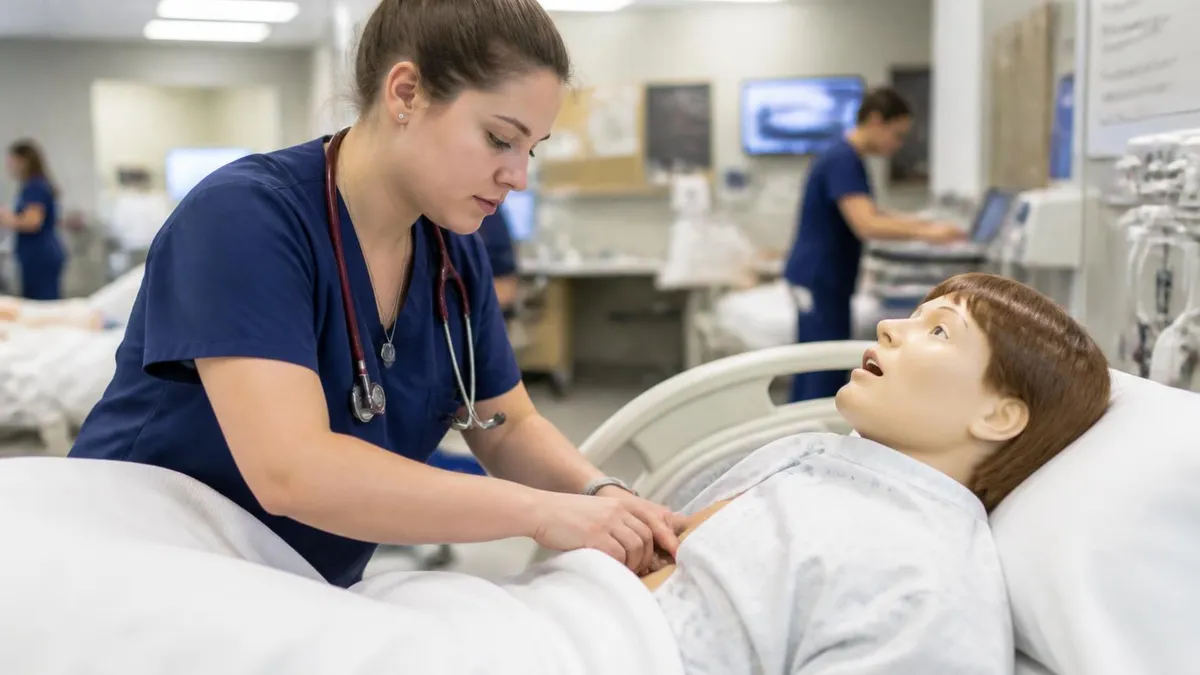
Second Degree BSN Program Timeline
Complete Prerequisites (6–18 months before applying)
Build Healthcare Experience (ongoing)
Submit Applications (12 months before start)
Didactic Phase (months 1–8)
Clinical Immersion Phase (months 8–15)
NCLEX-RN Preparation and Licensure
Admission requirements for second degree BSN programs are more demanding than traditional undergraduate nursing admissions because schools expect applicants to demonstrate both academic ability and genuine professional commitment. The prerequisite science courses are the foundation. Nearly every program requires human anatomy, human physiology, microbiology, and chemistry — often with lab components — and most also require statistics and developmental or lifespan psychology. Grades matter intensely here: a C in anatomy might be acceptable for a traditional freshman applicant but will hurt you in a second degree pool where the average competitor has a 3.4 GPA.
Prerequisite currency is another factor many applicants overlook. A significant number of programs require that science prerequisites be completed within the past 5 to 7 years. If you took anatomy as a sophomore in college a decade ago, you may need to retake it — especially at highly selective programs. This is not arbitrary gatekeeping: nursing programs want to ensure that your foundational science knowledge is current and that you haven't spent the intervening years in an unrelated field without touching biology or chemistry. Refreshing these courses also genuinely improves your performance in the accelerated curriculum.
Letters of recommendation carry more weight in nursing program applications than in many other graduate or professional school contexts. Ideal recommenders are science professors who can speak to your academic rigor, healthcare supervisors who observed your performance in clinical or patient-care settings, and sometimes colleagues or employers who can speak to professionalism and teamwork. Generic letters from distant professors who barely remember you do not strengthen applications. Programs want evidence that you can handle both the intellectual demands of the coursework and the interpersonal demands of caring for vulnerable patients under pressure.
The personal statement or essay is where candidates differentiate themselves most powerfully. Admissions committees read thousands of statements each cycle, and the most memorable ones combine a compelling but specific story about why nursing resonated with the applicant, evidence of self-reflection about the challenges of leaving a prior career, and concrete articulation of professional goals.
Vague statements about wanting to help people rarely succeed. Specificity — the patient you met in the ICU while working as a scribe, the research you read about nursing's role in reducing health disparities, the clinical skill you're most eager to develop — signals genuine preparation and motivation.
Some programs require or offer interviews, either in person or via video. Interview panels typically include faculty, current students, and sometimes clinical partners. Questions often probe your understanding of what the program demands, your strategies for managing stress, your experience collaborating in teams, and your career goals after graduation. Behavioral questions in the STAR format (Situation, Task, Action, Result) are common. Preparation should include researching the program thoroughly, practicing answers to likely questions with a friend, and preparing thoughtful questions to ask the panel — admissions committees notice when applicants have done their homework.
Transfer credit policies vary by program and can meaningfully affect your timeline and cost. If your prior degree was in a science-heavy field, some programs will grant credit for content you've already mastered — reducing the number of weeks required in the accelerated track. However, nursing-specific courses like pathophysiology, pharmacology, health assessment, and clinical practicums are almost never waived because these skills must be built from the ground up in a nursing context. The best time to clarify transfer credit policies is during an information session or pre-admission advising appointment, not after you've enrolled.
Finally, consider program accreditation from the start of your search. The two gold-standard accrediting bodies for BSN programs in the United States are the Commission on Collegiate Nursing Education (CCNE) and the Accreditation Commission for Education in Nursing (ACEN). Graduating from an accredited program is not merely a formality — it determines your eligibility for federal student loans, your ability to pursue graduate nursing education later, and your competitiveness with hospital employers who screen for accreditation status during hiring. Never enroll in a second degree BSN program that lacks active CCNE or ACEN accreditation.
Second Degree BSN Curriculum: What You'll Study
The clinical core of a second degree BSN program builds the essential competencies every registered nurse must have before entering practice. Foundational courses include health assessment (where you learn to perform head-to-toe physical exams), pharmacology (covering drug classifications, mechanisms, dosing calculations, and adverse effects), and pathophysiology (exploring how disease processes alter normal body function). These three courses run concurrently in most accelerated programs, and their combined content load is deliberately heavy to ensure graduates can apply integrated clinical reasoning at the bedside.
Specialty rotations span medical-surgical nursing, pediatric nursing, maternal-newborn nursing, psychiatric-mental health nursing, and critical care. Each rotation pairs classroom theory with hands-on clinical hours in hospital or community settings. Students are evaluated on technical skills — IV insertion, medication administration, wound care — as well as communication, clinical judgment, and professional behavior. By graduation, most second degree BSN students have completed between 500 and 800 supervised patient-care hours across at least five distinct clinical specialties, meeting or exceeding ACEN and CCNE standards.

Second Degree BSN: Advantages and Challenges
- +Faster path to nursing licensure — 12 to 18 months versus 4 years for a traditional BSN
- +Prior bachelor's degree and prerequisites often reduce total credit hours required
- +Cohorts of career changers create a highly motivated, professionally mature peer network
- +BSN credential opens doors to hospital residency programs, specialty tracks, and leadership roles
- +Strong employment demand — hospitals prefer BSN-prepared nurses for hire and promotion
- +Solid ROI — median RN salary of $81,220 helps recoup tuition costs within 2–3 years
- −Extremely intensive pace — 50–60 hours of study and clinical work per week is common
- −High upfront cost — private programs can exceed $80,000 in tuition alone
- −Most programs require full-time enrollment, making employment during the program nearly impossible
- −Competitive admissions — acceptance rates at top programs can be below 20%
- −Prerequisite gaps may add 6–18 months before you're even eligible to apply
- −Clinical placement logistics can be difficult for students without a local hospital network
Second Degree BSN Application Checklist
- ✓Verify all prerequisite science courses are complete and within the program's recency window (usually 5–7 years).
- ✓Calculate your cumulative GPA and your science prerequisite GPA separately — programs evaluate both.
- ✓Log and document at least 100 hours of hands-on patient-care or healthcare volunteer experience.
- ✓Request three letters of recommendation from science professors and healthcare supervisors who know you well.
- ✓Draft and revise your personal statement to include a specific story, self-reflection, and clear professional goals.
- ✓Research accreditation status (CCNE or ACEN) for every program on your list before applying.
- ✓Confirm each program's NCLEX first-time pass rate — look for programs consistently above 90%.
- ✓Prepare a financial plan covering tuition, fees, living expenses, and lost income during the program.
- ✓Apply to at least 5–8 programs with a range of selectivity to maximize acceptance odds.
- ✓Schedule an information session or pre-admission advising call with your top-choice programs.
Your Prior Degree Is a Competitive Asset
Admissions committees at second degree BSN programs specifically value the maturity, work experience, and diverse perspective that career changers bring. Applicants who frame their previous career as preparation for nursing — not something to apologize for or escape from — consistently write stronger personal statements and perform more confidently in interviews. Lean into what you've learned and how it translates to patient care.
The cost of a second degree BSN program is one of the most significant factors in the decision to pursue this path, and understanding the full financial picture — not just tuition — is essential for realistic planning. Tuition at public in-state institutions typically ranges from $20,000 to $45,000 for the entire accelerated program.
Out-of-state students at public universities often pay $45,000 to $65,000. Private universities, including many of the most prestigious nursing schools in the country, commonly charge $65,000 to $90,000 or more. These figures represent tuition only; add fees, books, uniforms, clinical supplies, and NCLEX preparation materials for a more accurate total.
Living expenses during the program represent a major financial variable that many applicants underestimate. Because second degree BSN programs are almost universally full-time and extremely demanding, most students cannot work during enrollment — at least not more than 10 to 15 hours per week.
If you currently earn $50,000 to $70,000 per year, the combination of foregone income and program costs means the total financial commitment over 15 months could exceed $150,000 for some candidates. Building a financial runway before starting — ideally 18 to 24 months of living expenses — dramatically reduces financial stress during the program and allows you to focus fully on coursework and clinical performance.
Federal financial aid is available to students in accredited BSN programs, including Direct Unsubsidized Loans and, for qualifying students, Direct Subsidized Loans. The FAFSA (Free Application for Federal Student Aid) is the starting point for accessing these programs. Annual federal loan limits for undergraduate borrowers are $12,500 per year, which covers a portion of costs at most programs. Graduate PLUS Loans are not available for BSN programs since it is a bachelor's degree, but some nursing schools offer institutional bridge loans or deferred payment plans. Always exhaust grant and scholarship options before relying heavily on loans.
Scholarships specifically for second degree nursing students are available from multiple sources. The HRSA Nursing Scholarship Program and Nurse Corps Scholarship Program both provide full tuition and stipend support in exchange for service commitments at qualifying healthcare facilities, particularly those serving underserved communities. State nursing associations frequently administer scholarships for in-state residents. Individual hospital systems, especially those facing nursing shortages, sometimes offer full or partial tuition reimbursement agreements in exchange for a two- to three-year employment commitment following graduation. These employer partnerships can dramatically reduce net program cost and often include guaranteed job placement.
Military loan repayment and scholarship programs are another underutilized funding source. The Army, Navy, and Air Force Nurse Corps all offer programs that fund nursing education in exchange for service commitments. For candidates who are open to military service, these programs provide some of the most generous financial support available anywhere in the nursing education landscape — covering tuition, books, fees, and a monthly stipend. The commitment timelines vary (typically 3 to 4 years of active duty service), but the nursing career development, clinical experience, and loan forgiveness benefits are compelling for many career changers.
Tax considerations can partially offset program costs for some students. The Lifetime Learning Credit allows eligible students to claim up to $2,000 per year in federal tax credits for qualified education expenses, including second degree BSN tuition. The American Opportunity Tax Credit does not apply because it is limited to the first four years of higher education. Some student loan interest is deductible up to $2,500 per year, subject to income phase-outs. Consulting a tax professional familiar with education-related tax law can help you identify all available deductions and credits for your specific situation.
Return on investment should be calculated honestly and conservatively. Using a median RN starting salary of approximately $60,000 to $65,000 (slightly below the overall median, which is inflated by experienced nurses) and factoring in program costs, foregone income, and loan interest, most second degree BSN graduates reach financial break-even within 4 to 6 years. Nurses who specialize in high-demand areas — critical care, perioperative nursing, neonatal intensive care — or who pursue leadership positions can accelerate that timeline substantially. Geographic mobility also matters: nurses willing to work in California, Hawaii, or Massachusetts earn significantly higher wages than the national median.
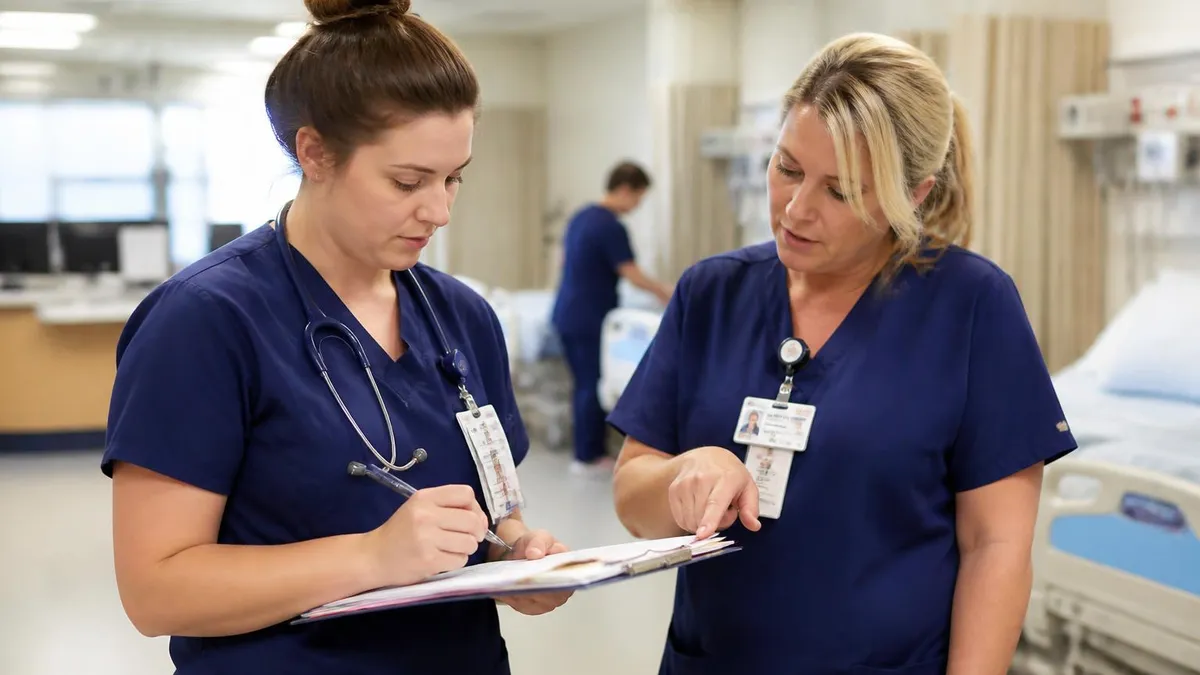
Before enrolling in any second degree BSN program, verify that it holds active accreditation from the CCNE or ACEN. Graduating from an unaccredited program may prevent you from sitting for the NCLEX-RN in certain states, make you ineligible for federal student loans, and disqualify you from many hospital residency programs. Always check both the accreditation status and the program's state board approval in the state where you plan to seek licensure.
Once you've completed your second degree BSN program and graduated, the immediate priority is sitting for the NCLEX-RN — the National Council Licensure Examination for Registered Nurses.
This computer-adaptive exam tests clinical judgment, safety, and the ability to prioritize care across a variable number of questions (between 70 and 145 under the current CAT format, transitioning to the Next Generation NCLEX format with new item types by 2025). Passing the NCLEX is the single requirement that converts your nursing degree into an active RN license, and no amount of clinical experience or program prestige substitutes for it. Most graduates take the exam within 45 to 90 days of program completion.
NCLEX preparation should begin well before you graduate. The most effective approach integrates NCLEX-style questions throughout the curriculum, starting from the first week of your accelerated program. Students who treat every pharmacology quiz, case study, and skills lab as NCLEX practice develop clinical reasoning habits that transfer directly to the actual exam. Programs with high first-time pass rates typically embed NCLEX prep explicitly into the curriculum — using question banks like UWorld, Kaplan, or HESI, administering predictor exams at key milestones, and offering targeted remediation for students who score below benchmark thresholds.
The Next Generation NCLEX (NGN), which began rolling out in 2023, introduced new item types that go beyond traditional multiple choice. Case studies with multiple linked questions, bow-tie items requiring students to identify the most relevant findings and interventions simultaneously, matrix grids, and extended drag-and-drop items all appear on the current exam.
These formats assess clinical judgment more directly than older question types, rewarding students who can synthesize assessment findings, prioritize nursing diagnoses, and select interventions with a nuanced understanding of patient context. If your program has not yet updated its NCLEX prep materials to include NGN item types, supplement independently with current resources.
State board endorsement — or licensure by endorsement — is the process by which an RN licensed in one state can obtain licensure in another. The Nurse Licensure Compact (NLC) allows nurses licensed in member states to practice in any other compact state without obtaining a separate license. As of 2024, over 40 states participate in the NLC.
If you plan to work across state lines or relocate after graduation, verify whether your home state and your target employer's state are both NLC members. For states outside the compact, the endorsement process typically takes 4 to 12 weeks and involves submitting transcripts, verification of original licensure, and state-specific application fees.
Career planning for second degree BSN graduates benefits from strategic specialty selection. New graduate nurses can pursue residency programs — structured 12-month onboarding programs typically offered by large academic medical centers — that provide mentorship, progressive clinical skill development, and formal orientation to specialty nursing practice. Nurse residencies offered by systems like HCA Healthcare, Ascension, and academic medical centers at major university hospitals are extremely competitive and reserved almost entirely for BSN-prepared graduates. These programs dramatically reduce turnover, improve clinical competency, and often lead directly to permanent employment offers.
Specialty certifications become available after you accumulate sufficient clinical hours, typically one to two years of post-licensure experience. Certifications like CCRN (critical care), CEN (emergency nursing), RNC-OB (obstetric nursing), and OCN (oncology) signal advanced competency to employers and typically come with salary differentials.
Many hospitals structure clinical ladder programs around these certifications, creating formal pathways from staff nurse to charge nurse to advanced practice. Second degree BSN nurses who entered healthcare as career changers often advance more quickly than average into these leadership tracks because of the professional skills — project management, communication, analytical thinking — they bring from prior careers.
Graduate education in nursing, including Master of Science in Nursing (MSN) and Doctor of Nursing Practice (DNP) programs, is a realistic next step for motivated BSN graduates. Nurse practitioners, certified registered nurse anesthetists, and nurse-midwives all require graduate degrees and earn substantially higher salaries than staff RNs — often $115,000 to $200,000 or more annually depending on specialty and location.
Because a second degree BSN is still a bachelor's degree, it provides exactly the same pathway into graduate nursing education as any other BSN. Several universities even offer RN-to-DNP bridge programs that allow BSN nurses to complete doctoral education in three to four additional years of part-time or full-time study.
Succeeding in a second degree BSN program requires a different kind of preparation than most career changers expect. The academic challenge is real but manageable for students who have succeeded in prior college-level science coursework. The harder adjustment is often the pace and the emotional demands of clinical work. Many second degree students have spent years in professional environments where they were competent and confident.
Entering a hospital as a student nurse — taking direction from preceptors who may be younger than you, making beginner-level errors in front of patients, and navigating institutional hierarchies you didn't build — requires genuine humility and psychological flexibility. Students who anticipate this adjustment fare significantly better than those who are surprised by it.
Time management strategies that worked in your previous career may not translate directly. Accelerated BSN programs compress content so densely that passive reading strategies — highlighting, rereading, summarizing — are insufficient for retention and application. Active learning techniques are far more effective: practice questions, concept mapping, peer teaching, and spaced repetition using tools like Anki or Brainscape.
Building a study group with three to five peers during the first week of your program is one of the highest-return investments you can make. Groups that quiz each other, share notes, and explain concepts aloud consistently outperform students who study in isolation, especially on clinical reasoning assessments.
Clinical rotations are where theoretical knowledge transforms into professional identity. Approach each clinical day as a deliberate learning opportunity rather than a task to complete. Ask your preceptors not just what to do but why — understanding the clinical reasoning behind a nursing intervention builds the pattern recognition you need for the NCLEX and for independent practice. Keep a reflective journal or digital log of memorable patient interactions, difficult procedures you observed, and clinical decisions you witnessed. Reviewing these notes before exams reinforces retention and builds the narrative capacity that serves you well in professional conversations and future job interviews.
Self-care during an accelerated program is not optional — it is a performance strategy. Nursing programs that run 12 to 18 months at maximum intensity produce burnout when students neglect sleep, nutrition, and recovery. The research on sleep deprivation and clinical performance is unambiguous: decision-making, empathy, and procedural accuracy all degrade significantly with chronic sleep debt. Building consistent sleep, exercise, and social connection into your weekly schedule — even in abbreviated form — prevents the accumulative fatigue that derails students in the final stretch of the program, when the heaviest clinical loads coincide with NCLEX preparation.
Financial stress is one of the top reasons students underperform or withdraw from accelerated programs. Resolving major financial uncertainties before the program starts — housing, transportation, childcare, health insurance — removes a significant cognitive burden during enrollment. If you're borrowing for the program, model your loan repayment on the conservative starting salary estimate, not the median.
Build a contingency budget for unexpected clinical expenses: some programs require additional immunizations, background checks, drug screens, uniforms, or equipment purchases that aren't fully disclosed in published cost estimates. The financial stress that accumulates from small unplanned expenses compounds quickly in a program that allows zero time to earn supplemental income.
Networking during the program is as important as studying. Your clinical preceptors, faculty, and classmates form the foundation of a professional network you'll draw on throughout your nursing career. Preceptors frequently refer strong students to open positions at their units. Faculty may write letters of recommendation for nurse residency programs, graduate schools, or specialty certifications. Classmates become charge nurses, nurse practitioners, and directors — people whose referrals and mentorship can accelerate your advancement significantly over a 20-year career. Approach every clinical day and every interaction with the long-game mindset that the best nurses bring to their work.
Finally, remember that completing a second degree BSN is an enormous achievement that most people never attempt. The combination of intellectual rigor, physical endurance, emotional labor, and financial sacrifice that the program demands produces a graduate who is genuinely prepared for one of the most challenging and meaningful professions in American life.
Every concept you master, every skill you practice, every patient you encounter during your clinical rotations is building the nurse you will become. Keep that purpose visible — especially on the hardest days — and the program becomes not just a credential to earn but a transformation to embrace.
BSN Questions and Answers

BSN, RN & BSN-RN: What These Credentials Mean
ADN to BSN Online: Bridge Programs and Costs Complete Guide

Accelerated BSN Programs by Location: Complete US Guide With Canada Comparison for 2026

Accredited BSN Programs: Complete Guide to CCNE and ACEN Nursing Degrees in 2026

BSN RN: What It Is, Salary, and Why It Matters in 2026
About the Author

Registered Nurse & Healthcare Educator
Johns Hopkins University School of NursingDr. Sarah Mitchell is a board-certified registered nurse with over 15 years of clinical and academic experience. She completed her PhD in Nursing Science at Johns Hopkins University and has taught NCLEX preparation and clinical skills courses for nursing students across the United States. Her research focuses on evidence-based exam preparation strategies for healthcare certification candidates.