
BSN Classes: Complete Guide to Courses, Requirements, and What to Expect
BSN classes explained — prerequisites, core nursing courses, clinicals & more. Know exactly what to expect in your program. 📚
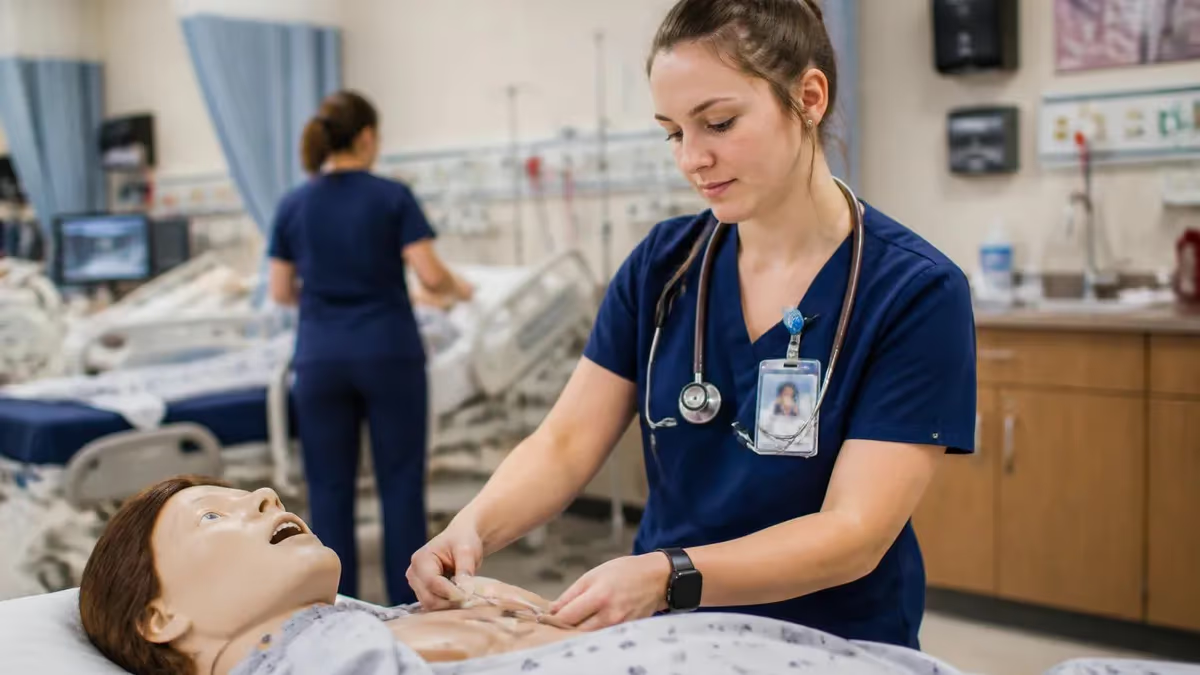
Understanding which bsn classes you will take is one of the most important steps before committing to a Bachelor of Science in Nursing program. The BSN curriculum is carefully designed to give students both the scientific foundation and the clinical judgment they need to practice safely as a registered nurse. From foundational anatomy and physiology to advanced pharmacology and community health nursing, each class builds on the last, creating a scaffold of knowledge that prepares graduates for real-world patient care. Knowing what to expect semester by semester helps reduce anxiety and allows you to plan your study schedule wisely.
A BSN program typically spans four years of full-time study, though accelerated and bridge formats can shorten that timeline significantly. Regardless of format, the core BSN classes remain largely consistent across accredited programs in the United States. The Commission on Collegiate Nursing Education (CCNE) and the Accreditation Commission for Education in Nursing (ACEN) both require that accredited programs cover specific content domains — including pathophysiology, health assessment, evidence-based practice, and leadership — ensuring that a BSN from one institution is comparable to a BSN from another when it comes to NCLEX-RN preparation.
One thing that surprises many incoming students is how early the program integrates clinical reasoning alongside scientific content. You are not simply memorizing facts in isolation. Instead, instructors frame drug mechanisms in the context of patient scenarios, teach physiology alongside disease processes, and require you to apply evidence-based research to nursing care plans from the first year onward. This integration reflects the professional standard that nurses are not task-performers but critical thinkers who synthesize information to make safe, informed decisions at the bedside.
The coursework in a BSN program divides into three broad categories: general education prerequisites completed before nursing school begins, lower-division nursing science courses taken during the first two years, and upper-division clinical nursing courses in the final two years. Understanding this structure helps you sequence your planning correctly. Students who struggle often do so because they underestimate the prerequisites — classes like microbiology, chemistry, and statistics are prerequisites for a reason and form the intellectual backbone of everything that follows.
Clinicals represent a uniquely demanding component of BSN classes. Unlike a lecture-based university course, clinical rotations place you in hospitals, community health centers, labor and delivery units, pediatric wards, and psychiatric facilities. You care for actual patients under preceptor supervision, documenting assessments, administering medications, and communicating with interdisciplinary teams. Clinical hours are typically logged separately from didactic credits, and most programs require between 700 and 1,000 total clinical hours to meet NCLEX eligibility and accreditation standards.
The diversity of settings you rotate through during clinical training reflects the broad scope of modern nursing practice. A BSN-educated nurse may work in acute care, community health, school nursing, case management, public health departments, or telehealth. The coursework you complete is calibrated to prepare you for all these contexts, which is why BSN programs consistently show stronger outcomes in critical thinking assessments and leadership readiness compared to associate degree programs. Employers, particularly magnet-status hospitals, increasingly prefer or require the BSN credential for this reason.
This guide breaks down every major category of BSN classes — from prerequisites through capstone — explaining what each course covers, how difficult it is, and how to study effectively to succeed. Whether you are a high school senior planning ahead, a working CNA considering a direct-entry BSN, or an ADN nurse exploring a bridge program, the information here will give you a clear and accurate picture of what a BSN education truly requires.
BSN Classes by the Numbers

BSN Course Structure: The Four Pillars
Anatomy, physiology, microbiology, chemistry, statistics, English, and psychology. These courses are completed before formal nursing school admission and establish the scientific and communication foundation for all clinical coursework that follows.
Taken in years one and two, these courses include pathophysiology, pharmacology, health assessment, and nursing fundamentals. They introduce disease processes, drug mechanisms, and systematic head-to-toe physical assessment skills used in every clinical setting.
Years three and four focus on specialty nursing: med-surg, pediatrics, maternal-newborn, psychiatric, and community health. Each specialty pairs classroom learning with hands-on clinical rotations in real healthcare settings under licensed preceptor supervision.
The final semester integrates nursing research, evidence-based practice, healthcare policy, and a senior practicum. Students complete a capstone project and often a preceptored leadership experience that bridges academic preparation with professional nursing practice.
The nursing science courses at the heart of every BSN program are demanding, fast-paced, and interconnected in ways that reward students who study systematically rather than in isolation. Pathophysiology is typically the first major hurdle. This course covers how disease disrupts normal body function across every organ system — from cardiac arrhythmias and pulmonary edema to diabetic ketoacidosis and septic shock. Students who master pathophysiology find pharmacology considerably more intuitive because understanding why a disease process occurs makes it far easier to understand how a drug intervenes to correct it.
Pharmacology is widely considered the most challenging single BSN class. A typical pharmacology course covers 200 to 400 individual drug classes across one or two semesters. Students must learn drug mechanisms of action, therapeutic uses, adverse effects, contraindications, and critical nursing considerations such as monitoring parameters and patient teaching priorities. The volume is simply enormous, and instructors expect students not just to memorize facts but to apply pharmacological reasoning in patient scenarios. The classic nursing pharmacology question asks: "A patient is taking this drug — what will you monitor, and what will you teach?"
Health Assessment is another foundational course that BSN students encounter early in the program. In this class, students learn to perform a complete head-to-toe physical assessment, including auscultating heart and lung sounds, assessing neurological status, examining skin integrity, and documenting findings using standard clinical terminology. Lab sessions are integral — students practice on each other and on high-fidelity mannequins before performing assessments on real patients during clinical rotations. The skills learned in Health Assessment are used every single day of a nursing career, making this one of the highest-return investments of effort in the program.
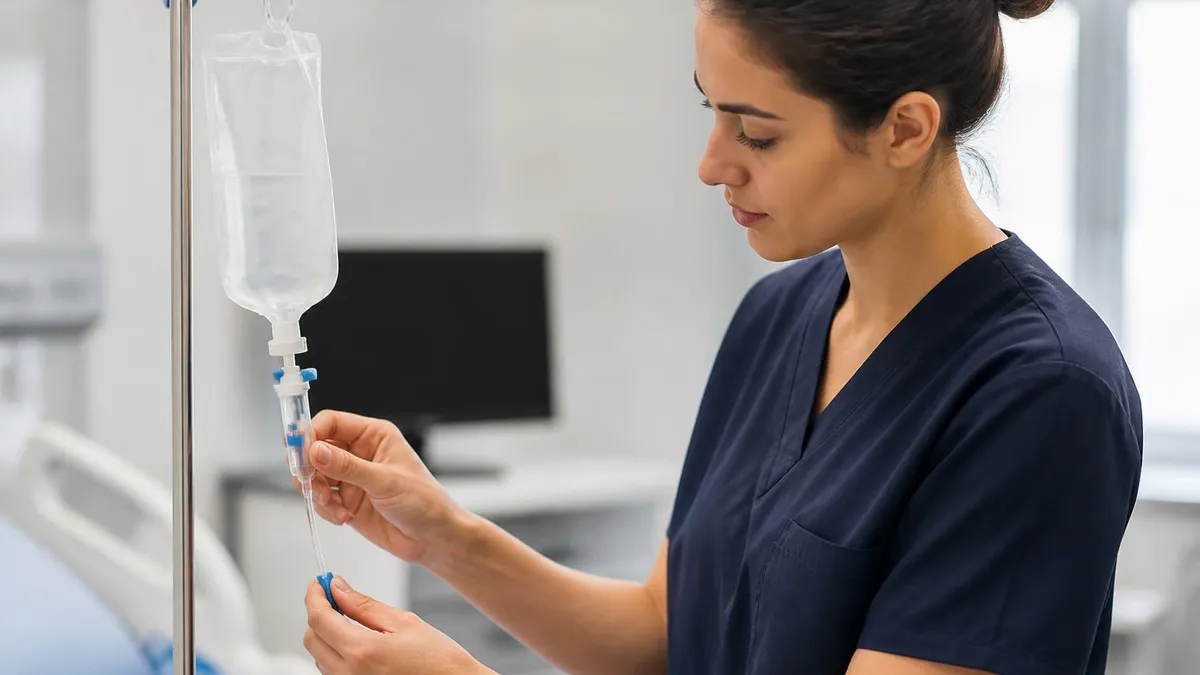
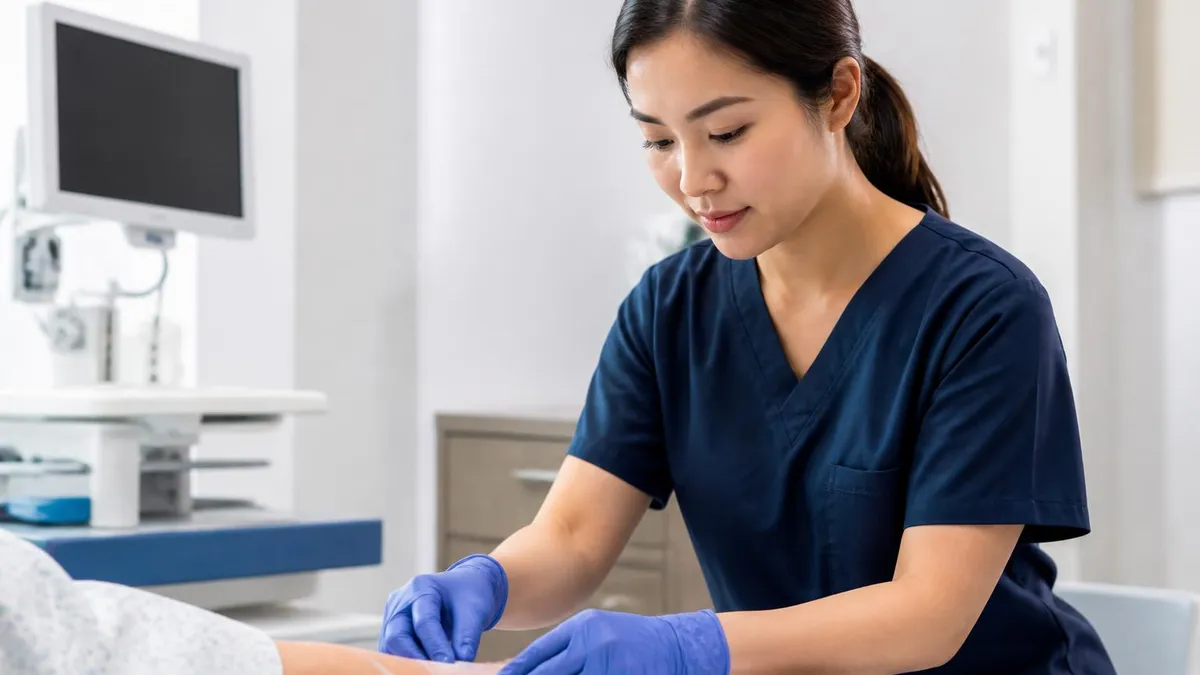
Nursing Fundamentals introduces the foundational skills and concepts of professional nursing practice. Topics include the nursing process (assessment, diagnosis, planning, implementation, evaluation), infection control, medication administration routes and calculations, patient safety, therapeutic communication, cultural competence, and ethical principles. Students also learn practical psychomotor skills such as IV insertion, catheter placement, wound care, and nasogastric tube management. Fundamentals lab sessions are often twice weekly, and students who fail to demonstrate competency in skills checkoffs may be required to remediate before advancing to clinical placements.
Medical-Surgical Nursing, often called Med-Surg, is the most extensive course sequence in the BSN curriculum. Typically spanning two to three semesters, Med-Surg covers nursing care for adult patients with disorders across every body system. A student in Med-Surg might spend one week studying care of patients with heart failure and the next week focused on post-operative management following orthopedic surgery. The breadth is intentional — acute care nurses must be prepared to care for any adult patient regardless of their primary diagnosis, and the NCLEX-RN tests heavily on Med-Surg content.
Mental Health and Psychiatric Nursing introduces students to therapeutic communication, psychopathology, psychotropic pharmacology, and evidence-based nursing interventions for patients with depression, schizophrenia, bipolar disorder, anxiety disorders, and substance use disorders. Clinical rotations in psychiatric settings challenge students who are accustomed to the hands-on, task-oriented pace of medical floors. Psychiatric nursing requires patience, non-judgmental presence, and advanced communication skills. Students consistently rate this rotation as one of the most personally transformative experiences in their BSN education.
Nursing Research and Evidence-Based Practice is a required upper-division course that teaches students how to critically appraise published research studies, identify levels of evidence, and translate findings into clinical practice improvements. Students learn to distinguish between quantitative and qualitative research designs, evaluate statistical significance, and understand why systematic reviews and meta-analyses carry more evidential weight than individual studies. This course directly prepares graduates for the evidence-based practice competencies tested on the NCLEX-RN and expected by employers in professional nursing roles.
Clinical Rotations: What Happens in Each Specialty
The maternal-newborn clinical rotation places students in labor and delivery units, postpartum floors, and newborn nurseries. Students assist with vaginal and cesarean deliveries, monitor fetal heart rate tracings, assess postpartum uterine involution, and provide newborn care including APGAR scoring, vitamin K administration, and breastfeeding support. The fast-paced nature of obstetric emergencies — placental abruption, shoulder dystocia, postpartum hemorrhage — makes situational awareness and rapid prioritization essential skills throughout this rotation.
Preparation for the maternal-newborn clinical requires mastering normal labor progression, fetal monitoring interpretation, and postpartum assessment findings. Students who review the stages of labor, understand the four Ps of labor (passenger, passage, powers, psyche), and familiarize themselves with common obstetric medications such as oxytocin and magnesium sulfate enter this rotation with a significant advantage. Simulation labs at most schools include high-fidelity birthing simulators that allow students to practice delivery scenarios in a safe environment before their first live clinical shift.
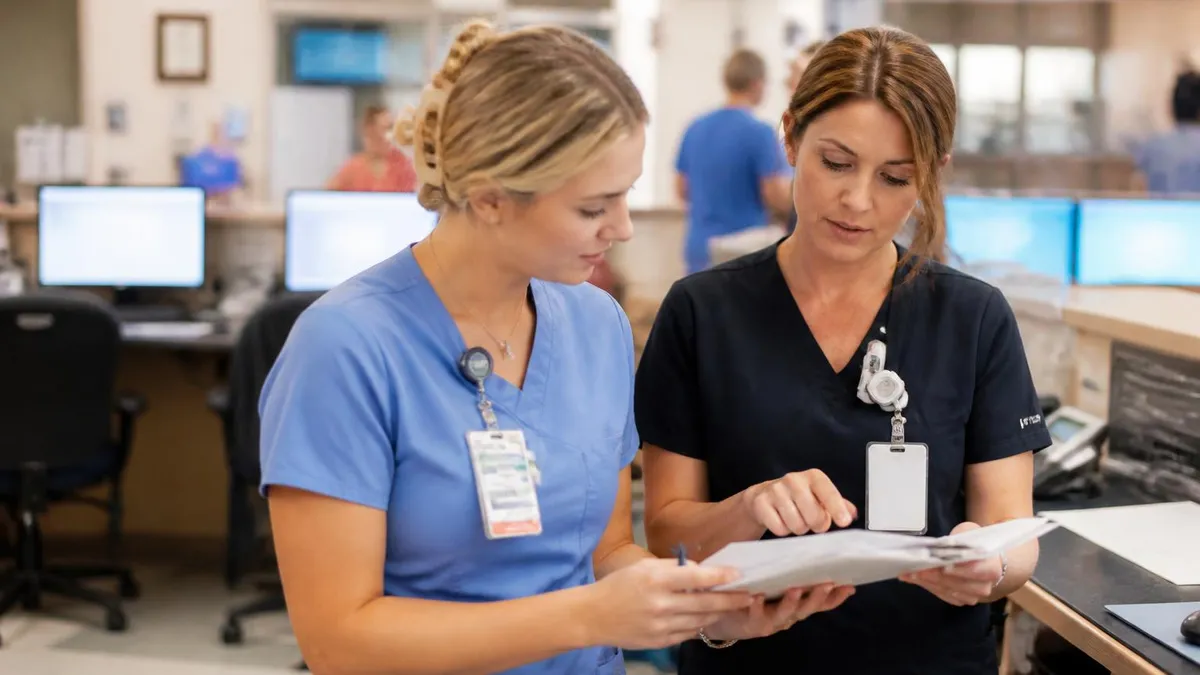
BSN Classes: Benefits and Challenges of the Full Curriculum
- +Comprehensive preparation for the full scope of registered nursing practice across all specialties
- +Strong NCLEX-RN pass rates — BSN graduates consistently outperform ADN graduates on first-attempt pass rates
- +Eligibility for leadership, management, and advanced practice nursing roles that require the BSN credential
- +Evidence-based practice training that translates directly into better patient safety outcomes
- +Diverse clinical rotations expose you to multiple specialties before you must commit to a practice area
- +Recognized nationally — CCNE and ACEN accreditation ensures your degree is valid at employers across all 50 states
- −Four-year time commitment is a significant financial and personal investment compared to a two-year ADN
- −Pharmacology and pathophysiology courses have steep learning curves that require sustained daily study habits
- −Clinical scheduling is non-negotiable — rotations often occur on weekends, nights, or holidays
- −High academic standards mean that a GPA below 2.0 in nursing courses can result in dismissal from the program
- −Prerequisite science courses must be completed before nursing school admission, extending total program time
- −Simulation and skills lab fees, uniforms, background checks, and drug testing add hidden costs beyond tuition
BSN Class Prep Checklist: What to Do Before Each Semester
- ✓Review syllabi for all upcoming BSN classes and note every exam date, clinical day, and assignment deadline in a single calendar.
- ✓Purchase or rent required textbooks before the first week of class — key chapters are often assigned on day one.
- ✓Create a weekly study block schedule that allocates at least two hours of independent study for every one hour of lecture.
- ✓Join a study group with two to four classmates who share your commitment to consistent preparation and evidence-based learning.
- ✓Complete all required clinical paperwork (CPR certification, immunization records, health screenings) at least two weeks before rotations begin.
- ✓Download the ATI or HESI adaptive learning platform assigned by your program and begin pre-assessment testing to identify knowledge gaps early.
- ✓Review prerequisite content — especially anatomy, physiology, and microbiology — before pharmacology and pathophysiology begin.
- ✓Establish a relationship with your nursing school's academic success center or tutoring services before you need them.
- ✓Practice NCLEX-style questions daily starting in your first nursing science course, not just during exam prep weeks.
- ✓Familiarize yourself with the clinical agency's electronic health record (EHR) system before your first patient care shift if orientation access is available.
NCLEX-Style Thinking Starts in Semester One
The most successful BSN students treat every course exam as an NCLEX practice session. That means choosing the answer that reflects nursing priority — safety first, then assessment before intervention — rather than the answer that simply states a true fact. Programs that embed NCLEX-style questions into every course exam see first-attempt pass rates above 90%, so adopting this mindset early is the single highest-leverage habit you can build.
Upper-division BSN courses represent the culmination of everything learned in prerequisites and lower-division nursing sciences. By the time students reach their third and fourth years, they are expected to synthesize pathophysiological knowledge, pharmacological principles, ethical frameworks, and communication skills into complex patient care decisions. These courses are not simply harder versions of earlier material — they represent a genuine shift in cognitive demand from knowledge acquisition to professional judgment and clinical reasoning.
Leadership and Management in Nursing is a required upper-division course that addresses the organizational, financial, and human resource dimensions of nursing practice. Students study delegation and supervision principles, budgeting and staffing models, quality improvement methodologies such as Plan-Do-Study-Act cycles, and regulatory frameworks including The Joint Commission standards. The clinical component of this course typically involves a preceptored leadership experience on a hospital unit where students shadow and practice alongside charge nurses and nurse managers rather than focusing on direct patient care.
Gerontological nursing has become an increasingly prominent BSN class as the US population ages. This course covers the physiological changes of aging, atypical disease presentations in older adults, polypharmacy risks, cognitive impairment assessment, fall prevention, end-of-life care, and the ethical complexities of care for vulnerable elders. Students who complete a gerontology rotation in nursing home or assisted living settings often gain a profound appreciation for the complexity and emotional depth of elder care nursing — a specialty that is chronically understaffed and critically important to the healthcare system.
Population Health and Epidemiology bridges individual clinical nursing with the broader public health perspective that distinguishes BSN-prepared nurses from their associate-degree counterparts. Students learn epidemiological concepts including incidence, prevalence, morbidity, mortality, and relative risk. They analyze health disparities related to race, ethnicity, socioeconomic status, geography, and gender. Case studies drawn from real public health crises — influenza pandemics, opioid overdose epidemics, COVID-19 — ground theoretical epidemiology in real-world nursing relevance and help students understand their professional role in population-level health protection.
Nursing Informatics is a BSN course that reflects the digital transformation of modern healthcare. Students learn how electronic health records support documentation, care coordination, and data-driven quality improvement. Topics include health information exchange standards, clinical decision support systems, patient privacy regulations under HIPAA, and the growing role of artificial intelligence in clinical decision-making. As hospitals invest more heavily in digital infrastructure, informatics competency has become a meaningful differentiator that BSN-prepared nurses bring to their organizations upon hire.
Capstone seminars and senior practicums tie together the entire BSN education. The capstone project typically requires students to identify a clinical problem, conduct a literature review, propose an evidence-based practice change, and present their findings to faculty and clinical partners. The senior practicum pairs each student with a professional nurse preceptor for an extended clinical experience — often 120 to 200 hours — in a setting aligned with the student's career goals. This immersive final experience is the closest analog to a residency program and often serves as a direct pipeline to post-graduation employment at the clinical site.
Pathophysiology of Special Populations is an elective offered at many BSN programs that covers disease processes in pediatric, obstetric, and geriatric patients whose presentations differ meaningfully from the typical adult medical-surgical patient. Understanding how heart failure presents differently in a 78-year-old than in a 45-year-old, or how infection risk is dramatically elevated in a neonate compared to a healthy adult, equips students to provide safe, population-sensitive care from their very first day of practice. Electives like this one are worth prioritizing when they align with your intended specialty area.

Most BSN programs require a minimum grade of 75% (C+) in every nursing course, and some programs set the bar at 80%. A single course grade below the minimum may result in dismissal from the program or mandatory repetition of that course before advancement. Unlike general university courses where a low grade is simply averaged into your GPA, nursing academic progression policies mean one bad exam streak can pause your entire nursing education — so seek help early and never wait until mid-semester to address academic struggles.
Succeeding in BSN classes requires study strategies that go significantly beyond the passive re-reading and highlight-heavy approaches that worked in high school or general education courses. Nursing content is dense, application-focused, and cumulative — meaning that content from week two is directly relevant to an exam in week fourteen. Students who attempt to study nursing the way they studied introductory biology will find themselves frustrated and falling behind. Effective BSN study strategies are active, spaced, and clinically anchored from the first day of class.
Active recall is the single most evidence-supported study technique for nursing students. Rather than re-reading your notes or textbook passively, close the material and force yourself to retrieve information from memory. Flashcard systems like Anki use spaced repetition algorithms to present cards right before you would forget them, maximizing retention efficiency. For pharmacology in particular, creating Anki decks organized by drug class — with the drug mechanism on the front and clinical nursing considerations on the back — produces dramatically better retention than rereading drug charts.
Case-based studying is equally important. After learning pathophysiology content on a topic like diabetic ketoacidosis, practice working through a patient scenario from beginning to end: What assessment findings do you anticipate? Which labs are critical? What nursing interventions are priority? What medications will be ordered and what will you monitor? This clinical reasoning drill mimics exactly what NCLEX-style exam questions require and builds the kind of integrated thinking that distinguishes strong nursing students from those who know facts but cannot apply them under exam pressure.
Time management in BSN programs is non-negotiable. A full-time BSN student carries 15 to 18 credit hours per semester, including lab and clinical components that require significant preparation and post-conference reflection time beyond the clinical hours themselves. Students who treat their study schedule like a work schedule — arriving at the library at a set time, completing assigned readings before lecture, reviewing notes within 24 hours of class — consistently outperform students who rely on marathon cramming sessions before exams.
Forming study groups with deliberate structure substantially improves performance for most nursing students. The most effective groups divide teaching responsibilities: each member becomes the expert on an assigned topic and teaches it to the rest of the group. Teaching content forces you to identify gaps in your own understanding and builds communication skills you will use constantly in clinical settings. Less effective groups simply review material together passively — present but not engaged. If your study group spends more time discussing clinicals than actually drilling content, restructure the format or find a more accountability-focused group.
Clinical preparation is an often underestimated component of BSN class success. Before every clinical shift, effective students look up their assigned patients' diagnoses, research pathophysiology and pharmacology relevant to those diagnoses, and prepare concept maps linking disease processes to nursing care priorities. Arriving to clinical having done this preparation allows you to ask intelligent questions, demonstrate clinical reasoning to your preceptor, and make connections between classroom content and real patient presentations that anchor the learning permanently in your memory.
If you are exploring options beyond the traditional four-year path, it is worth knowing that accelerated and bridge program formats cover the same essential BSN coursework in a compressed timeline. Students in these programs must apply all the study strategies above with even greater intensity and discipline, since the margin for falling behind is smaller. Programs like bsn classes in accelerated format are demanding but highly achievable for motivated students who prepare strategically and seek support resources proactively throughout the program.
Beyond individual study strategies, the institutional resources available to BSN students can make a meaningful difference in outcomes. Most nursing programs have dedicated academic success centers staffed by faculty members or advanced nursing students who provide tutoring, study skills coaching, and NCLEX prep advising. Students who use these resources proactively — before they are struggling — show consistently better outcomes than those who seek help only after failing an exam. Treat your nursing school's support infrastructure as a competitive advantage, not a last resort.
Simulation labs have transformed BSN education over the last two decades. High-fidelity mannequins can simulate respiratory distress, cardiac arrhythmias, hemorrhage, and anaphylaxis, allowing students to practice crisis management in a safe environment before encountering real emergencies. The National League for Nursing and CCNE both recognize simulation as a valid substitution for up to 50% of clinical hours in accredited programs. Students who engage fully with simulation — treating every scenario with the same seriousness as a real patient encounter — arrive to clinical placements measurably better prepared than those who treat simulation as a check-the-box exercise.
Understanding the NCLEX-RN blueprint helps BSN students prioritize their study effort intelligently. The NCLEX tests nursing across eight client needs categories: safe and effective care environment, health promotion and maintenance, psychosocial integrity, and physiological integrity (with four subcategories). The largest portion of the exam — approximately 50% of questions — falls within physiological integrity subcategories covering pharmacological therapies and reduction of risk potential. Students who weight their study time accordingly and practice the most questions in these high-yield domains maximize their NCLEX preparation efficiency.
Self-care practices directly influence academic performance during the demanding BSN program years. Research on nursing student burnout consistently shows that students who maintain regular sleep (seven to eight hours), exercise at least three times per week, and preserve at least one day of rest perform significantly better on high-stakes exams than students who sacrifice these fundamentals in favor of additional study hours.
The additional study hours gained by sleeping four hours instead of eight are almost always less productive than the hours studied after adequate rest, because sleep deprivation directly impairs the memory consolidation processes that long-term nursing knowledge retention requires.
Financial planning for BSN programs deserves explicit attention because the combination of tuition, fees, and reduced work hours creates significant stress that itself impairs academic performance. Federal financial aid, institutional scholarships, nursing-specific scholarships from organizations like the American Association of Colleges of Nursing (AACN), and hospital employer tuition assistance programs can substantially reduce out-of-pocket costs. Students who secure employer tuition assistance early — for example, by working as a nursing assistant at a hospital that offers this benefit — often graduate with significantly less debt while simultaneously building clinical skills and professional networks that accelerate post-graduation career placement.
The transition from BSN student to new graduate nurse is a profound professional milestone that the final semester of BSN classes is specifically designed to support. Exit exams, NCLEX predictor assessments, and capstone projects are all calibrated to the skills and knowledge level expected of a beginning registered nurse. Students who treat their final semester with the same rigor as every preceding semester — rather than coasting once a job offer is secured — arrive to nurse residency programs measurably better prepared to deliver safe, competent care from their first independent patient care shift.
The investment of time, effort, and tuition in a BSN education has well-documented returns. BSN-prepared nurses earn higher starting salaries, advance to leadership roles more rapidly, have greater access to specialty certifications, and qualify for graduate nursing education (MSN, DNP, PhD) that opens additional career dimensions. Every challenging BSN class you complete — every pharmacology exam, every 12-hour clinical shift, every care plan submitted at midnight — is building the professional foundation that will support a rewarding nursing career spanning decades of meaningful patient care.
BSN Questions and Answers



About the Author

Registered Nurse & Healthcare Educator
Johns Hopkins University School of NursingDr. Sarah Mitchell is a board-certified registered nurse with over 15 years of clinical and academic experience. She completed her PhD in Nursing Science at Johns Hopkins University and has taught NCLEX preparation and clinical skills courses for nursing students across the United States. Her research focuses on evidence-based exam preparation strategies for healthcare certification candidates.