
BSN Admission: Complete Guide to Requirements, Application Steps, and What to Expect
BSN admission requirements, GPA, prerequisites, and application steps explained. 🎯 Everything you need to know to get into a BSN program.

BSN admission is one of the most important milestones on the path to becoming a registered nurse, and understanding what programs expect before you apply can dramatically improve your chances of acceptance. A Bachelor of Science in Nursing typically requires applicants to meet specific academic, prerequisite, and clinical benchmarks that vary by school but follow recognizable national patterns. Whether you are a high school senior targeting a direct-entry program or a working adult considering a second-degree track, getting familiar with the landscape early gives you a meaningful competitive edge.
Most accredited BSN programs in the United States accept between 20 and 80 students per cohort, which means competition is real and preparation matters. Programs generally evaluate applicants on cumulative GPA, performance in science prerequisites, standardized test scores, letters of recommendation, personal statements, and in some cases healthcare experience hours. Understanding how each factor is weighted — and what you can realistically improve — is the first step toward crafting a strong application package that stands out.
The timeline for BSN admission typically spans six to twelve months before your intended start date. Most programs open applications in the fall for the following year's cohort, and early submission is consistently associated with stronger outcomes because rolling admissions mean seats fill before official deadlines close. Building a realistic calendar that accounts for prerequisite completion, test prep, reference acquisition, and essay drafting prevents the last-minute scramble that sinks otherwise competitive candidates.
Prerequisite coursework is often the biggest bottleneck for prospective nursing students. Programs routinely require anatomy and physiology (both semesters), microbiology, chemistry, statistics, nutrition, psychology, and English composition. Many applicants underestimate how strictly nursing programs enforce minimum grades in these courses — a C or lower in anatomy can disqualify an otherwise strong applicant at competitive schools, while a retaken A signals persistence and mastery. Checking each program's specific science GPA calculation method saves you from unpleasant surprises late in the process.
Personal statements and essays allow admissions committees to see who you are beyond your transcript. Strong essays articulate a clear motivation for nursing, describe specific experiences that shaped that motivation, and connect those experiences to the skills you will bring to the program. Generic statements about wanting to help people rarely distinguish candidates; concrete narratives about a clinical observation, a family health experience, or a patient interaction you witnessed as a healthcare volunteer create memorable impressions that paper credentials alone cannot.
Healthcare experience — whether paid or volunteer — has become a near-universal expectation at mid-tier and competitive BSN programs. Most schools recommend between 40 and 200 hours of direct patient contact, but top programs may expect more. Roles that count include certified nursing assistant, patient care technician, medical scribe, EMT, phlebotomist, and hospital volunteer. The goal is to demonstrate that you understand what bedside nursing actually involves and that you have made an informed, experience-backed decision to pursue it as a career.
If you are exploring accelerated options that compress the timeline to licensure, reviewing bsn admission tracks for second-degree students can help you understand which pathways suit your existing academic background and life situation. Whether you choose a traditional four-year program, an accelerated second-degree route, or an online completion track, the core admission expectations covered in this guide apply broadly and will serve as your planning foundation throughout the process.
BSN Admission by the Numbers
Key Facts at a Glance
| Item | Value | Details |
|---|---|---|
| Typical Minimum GPA | 3.0–3.5 | Competitive programs average 3.4+ |
| Patient Contact Hours | 40–200 | Required by most mid-tier programs |
| Application Lead Time | 6–12 mo | Before your intended start date |
Core BSN Admission Requirements
Most BSN programs require a minimum cumulative GPA of 3.0, with competitive schools expecting 3.4 or higher. Science GPA — calculated separately from anatomy, physiology, microbiology, and chemistry — often carries more weight than overall GPA in admission decisions.
Programs require 8–12 prerequisite courses covering biology, chemistry, anatomy, physiology, statistics, psychology, and English. Most schools mandate a minimum grade of B or higher in all science prerequisites, and retakes are tracked and sometimes penalized in ranking formulas.
Many traditional BSN programs still request SAT or ACT scores from high school applicants. Some schools use the TEAS (Test of Essential Academic Skills) as a nursing-specific admissions exam. Second-degree applicants typically submit GRE scores instead if testing is required at all.
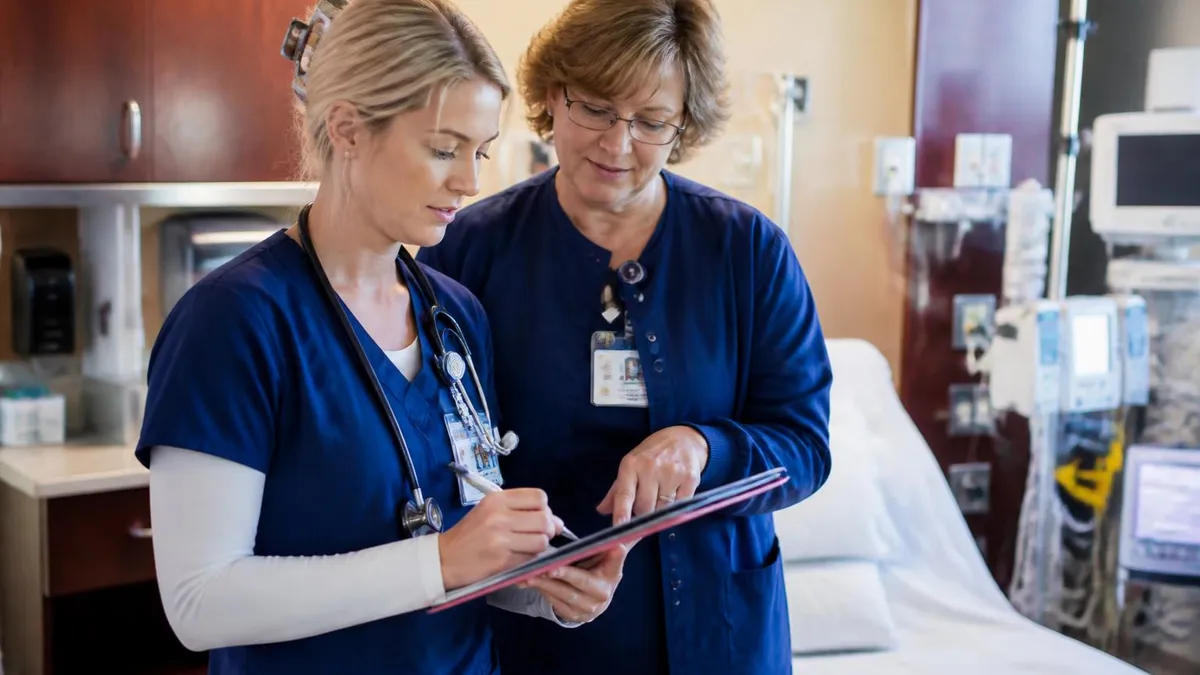
Between 40 and 200 hours of direct patient contact in roles like CNA, patient care tech, EMT, or medical scribe demonstrates commitment and informed career choice. Top programs view documented healthcare hours as a strong differentiating factor between similarly qualified applicants.
Most programs require 2–3 letters, ideally from science professors, clinical supervisors, or healthcare professionals who can speak to your academic ability and patient care aptitude. Generic character references from family friends or coaches rarely help and can subtly hurt an application.
Prerequisite courses for BSN admission form the scientific and analytical foundation that nursing programs build upon from day one of the curriculum. Anatomy and Physiology I and II are the cornerstones — these two-semester sequences introduce body systems, cellular biology, homeostasis, and the mechanisms behind disease that nursing students reference constantly throughout their training. Programs are unforgiving about grades in these courses because poor performance predicts difficulty in pathophysiology, pharmacology, and clinical reasoning later in the program.
Microbiology is another prerequisite that carries substantial weight in nursing admissions because it directly underlies infection control, antibiotic stewardship, and communicable disease content in the nursing curriculum. Students who take microbiology seriously and earn strong grades signal to admissions committees that they can handle the rigorous science embedded throughout the BSN. If you took microbiology years ago, check whether your target programs have currency requirements — many schools require that science prerequisites were completed within the past five to seven years.
Chemistry, particularly introductory or general chemistry, appears on prerequisite lists at most programs and is sometimes required at the organic or biochemistry level for highly competitive schools. The chemistry requirement reflects nursing's pharmacological demands: nurses must understand drug interactions, solution concentrations, acid-base chemistry, and metabolic pathways in order to safely administer medications and interpret labs. Students who skipped chemistry in college and are now applying to nursing school often need to plan for a gap semester or summer session to complete this requirement.
Statistics is a prerequisite that surprises many applicants but makes complete sense in context. Evidence-based practice — the gold standard of modern nursing — requires reading and interpreting research studies, understanding confidence intervals, recognizing sample size limitations, and applying data to clinical decisions. A solid statistics foundation makes BSN research methods courses far more accessible and positions graduates to contribute meaningfully to quality improvement projects throughout their careers.
Psychology and sociology prerequisites prepare nursing students for the interpersonal and behavioral dimensions of patient care. Mental health nursing, therapeutic communication, cultural competency, and patient motivation all draw directly on these foundational social sciences. Programs that require developmental psychology specifically do so because nurses care for patients across the lifespan — from neonates to nonagenarians — and understanding developmental stages shapes how practitioners assess, educate, and communicate with patients and their families.
English composition is sometimes overlooked as a prerequisite because it feels less clinical than anatomy or chemistry, but strong writing skills are essential throughout a nursing career. BSN programs expect students to write scholarly papers, develop evidence-based care plans, document patient assessments accurately, and eventually contribute to professional publications. Nursing students who struggle with academic writing often find the BSN's substantial written work disproportionately burdensome, so investing effort in English prerequisites pays dividends across all four years of the program.
Nutrition is a prerequisite at many BSN programs and an underrated clinical competency. Nurses counsel patients on therapeutic diets for diabetes, heart disease, renal failure, and eating disorders; they interpret nutritional lab values and collaborate with dietitians on care planning. If you are completing prerequisites and trying to decide whether to take nutrition now or defer it, note that taking it before admission means arriving at the BSN already fluent in macronutrient metabolism, micronutrient deficiencies, and dietary assessment methods that will appear throughout your nursing coursework.
BSN Program Types and Admission Pathways
The traditional four-year BSN is designed for students entering directly from high school or community college. Admission typically occurs at the university level first, followed by a separate application to the nursing school after completing two years of general education and prerequisite coursework. This dual-stage process means students must maintain strong GPAs through their pre-nursing years and formally reapply to the upper-division nursing program, where acceptance rates at competitive public universities often hover between 30 and 50 percent.
Traditional BSN programs offer the most scheduling flexibility, the broadest general education requirements, and the longest runway for building clinical experience before formal nursing coursework begins. Students in these programs typically complete 120–130 credit hours over four years, including 60+ credits of nursing-specific content in the upper division. Most programs incorporate simulation labs, community health rotations, pediatric placements, mental health clinicals, and a capstone preceptorship in the final semester, giving graduates well-rounded exposure to nursing practice before they sit for the NCLEX-RN.

Is Pursuing a BSN Worth the Admission Process?
- +Higher earning potential — BSN-prepared nurses earn an average of $8,000–$12,000 more per year than ADN-prepared nurses in many markets
- +Expanded career pathways into management, education, informatics, public health, and graduate programs like NP, CRNA, and DNP
- +Magnet hospital preference — over 60 percent of Magnet-designated hospitals require BSN at hire or within a defined timeframe
- +Stronger evidence-based practice skills from research methods and statistics coursework woven throughout the program
- +Broader clinical exposure through community health, public health, and leadership rotations not always included in ADN programs
- +Greater job security as hospital systems increasingly adopt BSN-preferred or BSN-required hiring policies at the organizational level
- −Higher tuition costs — four-year programs can total $40,000–$120,000 or more depending on public versus private institution
- −Longer time to licensure compared to ADN programs, which take 18–24 months versus the BSN's typical 48 months
- −Competitive admissions process means rejection risk, especially at public universities with limited cohort sizes
- −Intensive prerequisite requirements create a 1–2 year pre-program runway that delays entry into the nursing workforce
- −Second-degree and accelerated programs require leaving current employment, which creates financial strain for career-changers
- −Not all employers differentiate between BSN and ADN at the bedside, making the investment harder to justify in some regional markets
BSN Admission Application Checklist
- ✓Verify all prerequisite courses are complete with minimum required grades before submitting your application.
- ✓Request official transcripts from every institution you have attended, including dual enrollment and community college credits.
- ✓Calculate your cumulative GPA and science GPA separately to identify strengths and weaknesses before programs do.
- ✓Schedule and take the TEAS or other required entrance exam at least 60 days before the application deadline.
- ✓Secure 2–3 letters of recommendation from science professors or clinical supervisors who can speak specifically to your abilities.
- ✓Document all healthcare experience hours with dates, roles, and supervisor contact information in a verifiable format.
- ✓Write, revise, and have your personal statement reviewed by a writing center, mentor, or career advisor before submission.
- ✓Confirm that any CPR certification meets program requirements (typically American Heart Association BLS for Healthcare Providers).
- ✓Research financial aid deadlines separately — many FAFSA and scholarship deadlines precede nursing-specific application deadlines.
- ✓Apply to 4–6 programs to balance reach, match, and safety schools given your GPA and prerequisite profile.
Science GPA Is Weighted More Heavily Than You Think
At most competitive BSN programs, your science GPA — calculated from anatomy, physiology, microbiology, and chemistry alone — is evaluated independently from your overall GPA. A 3.7 cumulative GPA with a 2.8 science GPA will rank below a 3.3 cumulative GPA with a 3.5 science GPA at virtually every nursing school in the country. Prioritize your sciences above all other coursework during your pre-nursing years.
Strengthening your BSN application is not about gaming the system — it is about genuinely building the qualifications that make nurses effective and giving programs the evidence they need to believe you will succeed in their curriculum.
The most impactful thing most applicants can do is improve their science GPA by retaking courses where they earned a C, taking additional upper-division science electives to demonstrate breadth, or completing a post-baccalaureate pre-med style coursework plan if their original transcript had significant gaps. Every A in anatomy or microbiology signals readiness in a way that GPA-boosting electives in unrelated fields simply cannot replicate.
Healthcare experience is the second-highest-use investment you can make before applying. If you currently have fewer than 40 documented patient contact hours, consider becoming a certified nursing assistant — a process that typically takes 4 to 8 weeks — and working part-time in a long-term care facility, hospital, or rehabilitation center. CNA experience gives you an insider's understanding of physical care, patient communication, and the emotional realities of nursing that will make your personal statement and interviews far more authentic and compelling than anything you could write without hands-on experience.
Letters of recommendation deserve far more strategic attention than most applicants give them. The strongest letters come from people who have observed you in academic or clinical settings and can speak specifically about your intellectual curiosity, composure under pressure, communication skills with patients, or problem-solving in complex situations.
Asking a professor who barely knows you for a letter — or worse, asking a family friend with an impressive title — produces generic endorsements that admissions committees recognize immediately. Instead, build relationships with faculty during office hours and with clinical supervisors during your healthcare experience so that when you request a letter, the writer has real material to work with.
The personal statement is your only opportunity to control the narrative of your application and explain anything unusual in your record — a semester of poor grades due to a personal crisis, a gap year, or an unconventional path to nursing. Be honest, specific, and forward-looking. Describe why nursing and not medicine, physical therapy, or social work.
Describe a specific moment — a conversation with a patient, a procedure you observed, a family member's hospitalization — that crystallized your commitment. Then connect that moment to what you specifically plan to do with your BSN, whether that is NICU nursing, community health, international relief work, or hospital administration. Admissions readers process hundreds of applications; a story that is uniquely yours stays with them.
TEAS preparation is an area where small investments of time yield disproportionate returns. The ATI TEAS — currently in its seventh edition — covers reading, math, science, and English and language usage across 170 questions with a 209-minute time limit. The science section tests anatomy and physiology, biology, chemistry, and scientific reasoning at a level roughly equivalent to strong high school AP or introductory college coursework.
Spending 4–6 weeks on targeted TEAS prep, including official ATI practice tests, can raise your composite score by 10–15 percentage points, which translates directly into stronger standing in programs that use TEAS scores as a ranking factor.
Program research is a step many applicants rush, but it pays to understand each school's culture, clinical partnerships, NCLEX pass rates, and alumni outcomes before you invest in an application. NCLEX first-time pass rates are publicly reported and are a reasonable proxy for program quality — schools with pass rates below 80 percent should raise questions. Clinical placement partnerships matter because programs with relationships at Level I trauma centers, major pediatric hospitals, and specialty clinics give you clinical experiences that translate into competitive residency and new-graduate hiring advantages at those same institutions after graduation.
Finally, consider the geographic dimension of your BSN search. Nursing programs are densely concentrated in metropolitan areas but often have longer waitlists in those markets precisely because demand is high. Looking one or two states away, or specifically targeting programs in rural or underserved markets where applicant pools are smaller and acceptance rates are higher, can get you into a fully accredited, high-quality BSN program a year or more sooner than waiting for a seat at an oversubscribed local school.
Licensure is portable — the NCLEX is a national exam — so where you train is ultimately less important than training at an accredited institution with strong clinical placements and a solid NCLEX pass rate.
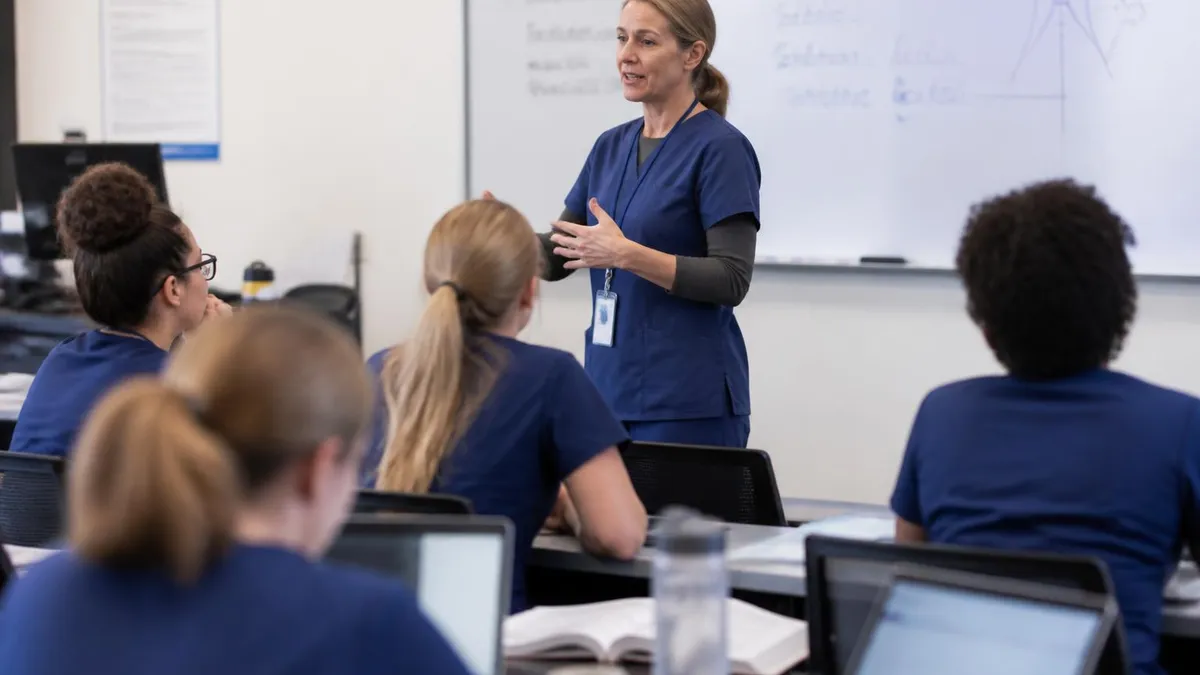
Many BSN programs require that science prerequisite courses be completed within the past 5–7 years. If you took anatomy or microbiology a decade ago, those credits may not satisfy admission requirements even if you earned an A. Verify currency policies at each program you are applying to before submitting your application, and budget time to retake outdated courses if necessary — this is one of the most common and preventable reasons qualified applicants receive rejections.
Once you receive a BSN acceptance letter, the transition from applicant to nursing student begins in earnest, and what you do in the months between admission and orientation significantly shapes how your first year unfolds. Most programs send admitted students a summer reading list, skills lab schedule, or health documentation checklist shortly after the acceptance letter. Taking these materials seriously — rather than treating the summer as a well-earned vacation — positions you to hit the ground running when intensive coursework begins in September or January.
Health documentation requirements for BSN admission are extensive and time-consuming to complete. Programs require proof of immunizations for hepatitis B, MMR, varicella, Tdap, and influenza; a current tuberculosis (TB) screening (either skin test or interferon-gamma release assay); a physical examination clearance form signed by a licensed provider; and CPR certification at the BLS for Healthcare Providers level.
Some programs also require a background check and drug screening before clinical placements can begin. Start gathering these documents as soon as you are admitted — some immunization series require multiple doses over weeks or months, and scrambling to complete them in the week before orientation is stressful and sometimes results in delayed clinical clearance.
Financial planning for the BSN program is a conversation most students have too late. Tuition alone ranges from $8,000 to $40,000 per year at public universities and $25,000 to $60,000 per year at private institutions. Add living expenses, textbooks ($200–$400 per semester), simulation lab fees, uniform and equipment purchases, NCLEX review course costs, and licensing fees, and the total cost of a BSN can reach $50,000 to $200,000 depending on program type and location.
File your FAFSA as early as possible — the federal priority deadline is typically in January or February for the following academic year — and research hospital tuition reimbursement programs, which are particularly valuable for RN-to-BSN students who can work while they study.
Orientation week for a BSN program is dense with information: program policies, simulation lab orientations, electronic health record (EHR) training, clinical site expectations, and cohort-building activities. The most important orientation task is identifying your academic support resources — writing center hours, tutoring availability, mental health counseling access, and faculty office hours — before you need them. Nursing school attrition is real, and students who know where to turn for help before they are struggling fare significantly better than those who wait until they are failing an exam to seek resources.
Building a study group during the first two weeks of a BSN program is one of the highest-return social investments you can make. Nursing school curriculum is collaborative by design — nursing practice is inherently team-based — and students who form small, committed study groups outperform isolates on virtually every measurable outcome from GPA to NCLEX pass rates.
Look for cohort members who complement your learning style, take comprehensive notes, and approach nursing knowledge with genuine curiosity rather than grade-focused anxiety. The relationships you build in your BSN cohort often evolve into professional networks that support your career for decades after graduation.
Clinical rotations begin in most BSN programs during the second semester of the first year or the beginning of the second year, depending on the program structure. These placements take you out of the classroom and into hospitals, clinics, schools, community health centers, and long-term care facilities where you will practice skills on real patients under the supervision of a clinical instructor or precepting RN.
Clinical performance is evaluated separately from academic performance, and students who struggle clinically — with confidence, communication, or skill execution — may be required to complete remediation even if their grades are strong. Approach every clinical day as a professional development opportunity, not just a checkmark toward program completion.
The NCLEX-RN licensure examination awaits at the end of your BSN, and preparing for it should be a continuous process that begins on your first day of nursing school rather than a crisis effort in the final weeks before graduation. Many programs embed NCLEX-style questions into every course exam; students who treat these questions as a preview of the licensure exam rather than an abstract academic exercise build familiarity with clinical reasoning formats that pays off enormously when the real exam arrives.
Resources like practice test libraries on platforms like PracticeTestGeeks — including content on community and public health nursing, maternal-newborn nursing, and other high-yield exam domains — are valuable throughout the BSN and not just during final preparation sprints.
Practical preparation for BSN admission success comes down to consistent, strategic action taken early enough to make a difference. Students who treat their pre-nursing years as a qualifying period — making deliberate course selections, seeking out clinical experiences, and building relationships with faculty — consistently out-compete students who only begin thinking seriously about their application in the semester before they plan to apply. Starting 18 to 24 months before your target admission cycle is not excessive; it is realistic given the number of requirements most programs expect you to have completed.
One of the most actionable things aspiring BSN students can do is create a spreadsheet of their target programs and map each program's specific requirements, minimum GPA thresholds, TEAS score expectations, prerequisite lists, healthcare experience requirements, and application deadlines. This single document transforms a vague aspiration into a concrete project plan. When you can see exactly which prerequisites you still need and when each program's application opens, you can sequence your remaining coursework to meet multiple programs' requirements simultaneously rather than discovering late that a key course is only offered in fall when you needed it in spring.
Shadow a nurse if you have not already done so. Shadowing differs from working as a CNA because it allows you to observe the cognitive and interpersonal aspects of nursing — how experienced RNs prioritize competing patient needs, navigate difficult family conversations, collaborate with physicians, document care decisions, and manage time across a full patient load — without the task-focused tunnel vision of a direct-care role.
Many hospitals have formal volunteer shadowing programs; others require a simple email request to a nurse manager or a connection through a faculty member's clinical network. Even four to eight hours of direct shadowing can fundamentally deepen your understanding of the profession you are committing to.
Prepare for your nursing school interview if your target programs conduct them. Not all programs interview applicants — many rely entirely on GPA, prerequisite grades, TEAS scores, and written materials — but programs that do interview use the conversation to assess communication skills, professional demeanor, critical thinking, and self-awareness. Common interview questions include: Why nursing?
Tell me about a time you worked effectively on a team. How do you handle stress? What clinical area interests you and why? Describe a situation where you made a mistake and what you learned from it. Practice your answers with a friend, record yourself, and seek feedback — then iterate until your responses feel natural rather than rehearsed.
Financial preparation is as important as academic preparation for nursing students entering programs that demand full-time commitment. If you are a career changer entering an accelerated BSN, calculate whether you can survive 12–18 months of dramatically reduced or zero income, and line up your financial cushion — savings, loans, spousal income, family support — before you resign from your current job. Many accelerated programs explicitly advise against working more than 10–15 hours per week during enrollment; students who ignore this recommendation and work full-time while taking a compressed curriculum are significantly more likely to withdraw or fail clinical courses mid-program.
Revisit your personal statement six to eight weeks before submission rather than the night before. Strong personal statements go through at least three rounds of substantial revision. The first draft captures your raw thinking. The second draft tightens your argument, cuts unnecessary throat-clearing, and sharpens your specific examples.
The third draft focuses on voice — making sure the essay sounds like you at your best rather than a generic applicant trying to say what nursing schools want to hear. Have someone outside of healthcare read your final draft and ask them to summarize what kind of person the essay describes. If their summary matches the impression you intended to create, you are ready to submit.
The day you submit your BSN application is not the end of the process — it is the beginning of a waiting period that can last 8 to 16 weeks. Use that time productively: continue working in your healthcare role to accumulate more experience, maintain your current courses to protect your GPA, and begin exploring scholarship and financial aid options at each program to which you applied.
If you receive a rejection, request feedback where programs allow it — not to argue the decision, but to understand which aspect of your application was weakest so you can address it before applying again. Most nurses who ultimately gain BSN admission do so on the strength of persistence, honest self-assessment, and a willingness to strengthen weak areas rather than simply reapplying with an identical package and hoping for a different result.
BSN Questions and Answers

Accelerated BSN Programs: Requirements, Cost, and Timeline
ADN to BSN Online: Bridge Programs and Costs Complete Guide

Accelerated BSN Programs by Location: Complete US Guide With Canada Comparison for 2026

Accredited BSN Programs: Complete Guide to CCNE and ACEN Nursing Degrees in 2026

BSN RN: What It Is, Salary, and Why It Matters in 2026
About the Author

Registered Nurse & Healthcare Educator
Johns Hopkins University School of NursingDr. Sarah Mitchell is a board-certified registered nurse with over 15 years of clinical and academic experience. She completed her PhD in Nursing Science at Johns Hopkins University and has taught NCLEX preparation and clinical skills courses for nursing students across the United States. Her research focuses on evidence-based exam preparation strategies for healthcare certification candidates.