
Wisconsin Boating License Renewal: Complete Guide to WI Boat License Renewal Requirements
WI boat license renewal made simple. Covers florida boating license, alabama, CA, TN & more. Steps, costs & free practice tests. ✅
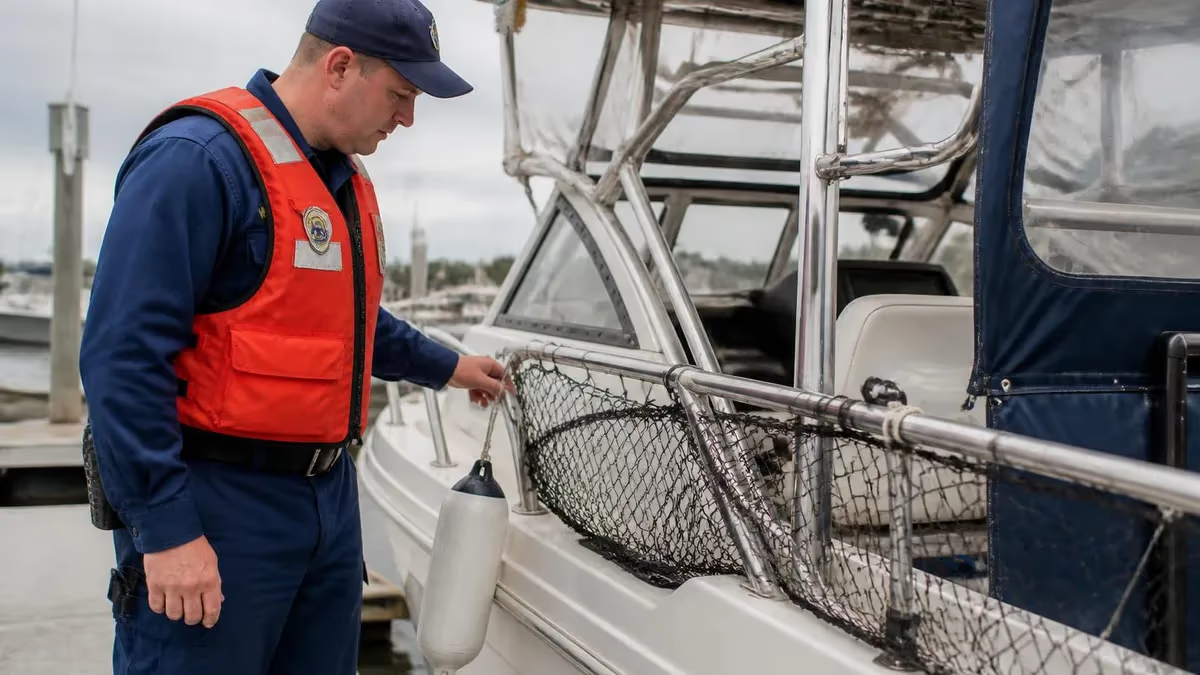
If you're searching for information on wi boat license renewal or wondering how your state's requirements compare to a florida boating license, you've landed in the right place. Wisconsin requires anyone born on or after January 1, 1989 to carry a valid boating safety certificate whenever operating a motorboat of 10 horsepower or more on state waters. That certificate does not expire — but understanding how rules have evolved, and how Wisconsin's approach stacks up against other states, helps every boater stay legal and safe on the water in 2026.
Across the United States, boating education requirements vary enormously. A florida boating license — technically called a Boating Safety Education Identification Card — is required for anyone born on or after January 1, 1988 who operates a vessel with 10 or more horsepower. Florida's card, like Wisconsin's certificate, is permanent once earned. However, Florida enforces stricter age cutoffs and has one of the largest recreational boating populations in the country, making its rules especially important to understand if you boat seasonally in both states.
Many newcomers to boating ask: do you need license to operate a boat in every state, and is it the same credential everywhere? The short answer is no — each state sets its own age thresholds, horsepower minimums, and course-approval processes. Wisconsin, for example, accepts courses approved by the National Association of State Boating Law Administrators (NASBLA), which means a course completed in another NASBLA-member state is typically recognized in Wisconsin, saving you from redundant testing if you move or boat across state lines frequently.
The alabama boating license system provides another useful comparison point. Alabama requires boaters born on or after January 1, 1986 to complete a boating safety course before operating a vessel with 15 or more horsepower. Alabama issues a permanent Boating Safety Certificate and also accepts NASBLA-approved education from other states. Because Alabama's horsepower threshold is slightly higher than Wisconsin's, operators of smaller motorboats may find themselves subject to Wisconsin's rules even if they were previously compliant in Alabama — a critical detail for snowbirds and traveling boaters.
The california boating license framework is rolling out under a phased approach that eventually will cover all ages. California's Harbors and Navigation Code requires boaters to obtain a California Boater Card, with the mandate phasing in by birth year through 2025. By January 1, 2025, all motorized vessel operators must carry the card. This contrasts with Wisconsin's single birth-year cutoff and highlights why boaters who spend time in multiple states need to research each jurisdiction individually before launching.
In Wisconsin, the boating safety certificate itself does not carry an expiration date, which means there is no traditional renewal cycle for most recreational boaters. However, commercial operators, charter captains, and those seeking to update credentials to reflect current safety standards may voluntarily retake coursework. Additionally, if a boater's certificate was lost or damaged, Wisconsin DNR offers a straightforward replacement process through its online portal. Understanding the distinction between "no expiration" and "no maintenance" is essential — boaters should always stay current with new regulations even when their card remains valid indefinitely.
This guide covers everything you need to know: how Wisconsin's system works, how it compares to the boating license florida rules and other major states, what the education course covers, and how free practice tests from PracticeTestGeeks.com can help you pass your boating safety exam on the very first attempt. Whether you're a Wisconsin resident, a visiting boater, or planning to get certified before your next season on the lake, the information below gives you a complete roadmap from start to splash.
Wisconsin Boating & US Boating License by the Numbers
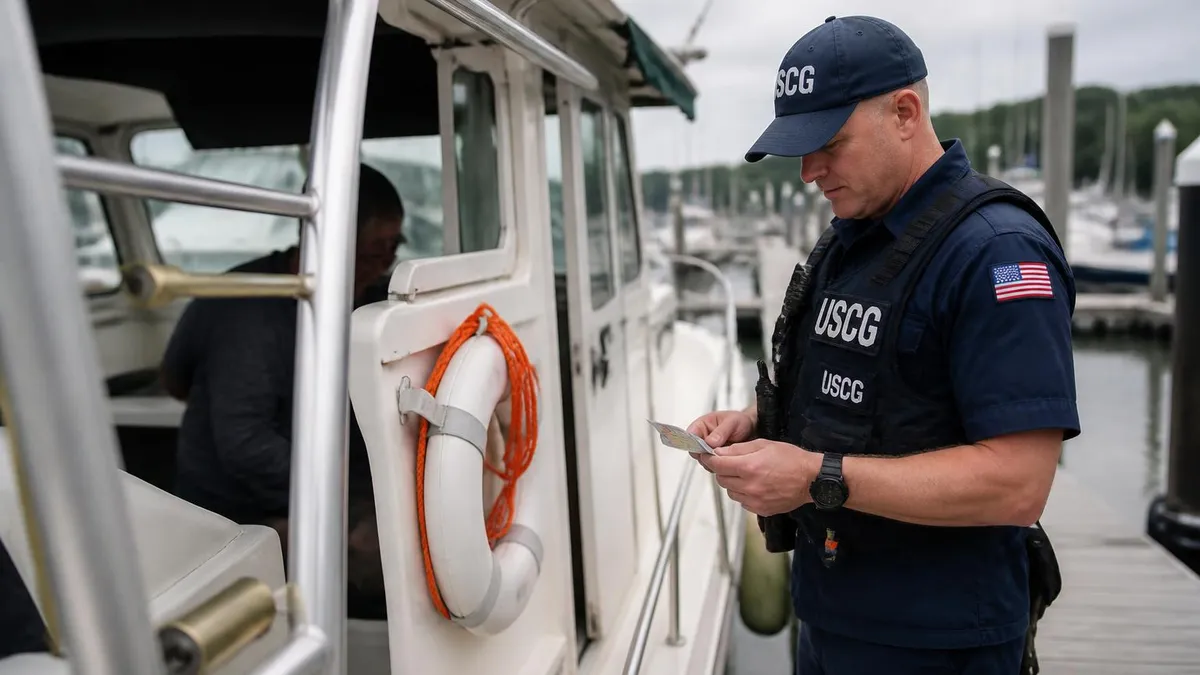
How to Get Your Wisconsin Boating Safety Certificate
Verify Your Eligibility
Choose an Approved Course
Complete the Course & Pass the Exam
Receive Your Certificate
Replace or Retrieve If Lost
Understanding how wi boat license renewal and certification compare across states is critical for anyone who boats in multiple jurisdictions. The tennessee boating license system, for instance, requires all operators born on or after January 1, 1989 — the same birth-year threshold as Wisconsin — to complete an approved boating safety course. Tennessee issues a permanent Boating Safety Certificate, and the state accepts NASBLA-approved courses completed elsewhere. Tennessee also has a unique reciprocity arrangement, meaning a Wisconsin certificate holder can legally operate on Tennessee waters, provided the certificate meets Tennessee's standards.
The missouri boating license program takes a somewhat different approach. Missouri requires operators born on or after January 1, 1984 to have completed a boating safety course if they are operating a motorboat of 25 horsepower or more. That higher horsepower threshold means casual paddleboaters and small motorboat operators may be exempt in Missouri but still required to be certified in Wisconsin. If you're curious about how missouri boating license age rules stack up against every other state, the differences can be significant and worth reviewing before you tow your boat across a state line.
New York presents yet another variation in the US boating licensing landscape. A new york state boating license — officially a Boating Safety Certificate — is required for operators under age 18. Those 18 and older are not required to have completed a safety course, though they are strongly encouraged to do so.
New York is one of a handful of states that still ties the requirement to age of the operator rather than birth year, making it an outlier compared to Wisconsin's birth-year model. Visiting boaters from Wisconsin should be aware that New York's rules apply to the operator, not the vessel registration.
Texas is another major boating state worth examining in detail. A texas boating license — the Texas Boater Education Certificate — is required for all operators born on or after September 1, 1993 who operate a motorboat with more than 15 horsepower. Texas uses its own state-approved course providers and issues permanent certificates. With over 600,000 registered boats, Texas has one of the highest volumes of recreational boating in the nation, and enforcement of the education requirement is active. Wisconsin boaters who winter in Texas or vacation on Texas lakes need their Wisconsin certificate in hand to stay compliant.
The new york state boating license comparison also surfaces an important question about what happens when requirements change. Several states have updated their birth-year cutoffs or horsepower thresholds in recent years, broadening the pool of operators who must complete a safety course. Wisconsin has maintained its 1989 birth-year cutoff without change, but boaters should check the Wisconsin DNR website annually for any regulatory updates, particularly as legislative sessions can bring new requirements with relatively short implementation timelines.
For boaters asking whether they need to carry documentation when on the water in Wisconsin, the answer is yes — you must have your physical certificate (or an approved digital copy) accessible while operating a qualifying vessel. This differs from states like boating license florida, where Florida's Boating Safety Education ID Card must also be carried on the vessel at all times.
In some states, enforcement officers can access a state database to verify certification status electronically, but Wisconsin DNR wardens may still ask to see the physical card. Keeping a laminated copy in your boat's emergency kit alongside your registration is a best practice recommended by the DNR.
Finally, the california boating license rollout provides a valuable lesson in how boating education mandates can expand over time. California's phased approach added new birth-year cohorts each year starting in 2018, culminating in a universal requirement for all motorized vessel operators by January 2025.
This expansion model is increasingly being considered by other states as a way to improve safety outcomes without immediately burdening an entire boating population. Wisconsin's relatively narrow birth-year window may eventually face similar expansion discussions, making it worth staying informed about proposed legislation through the Wisconsin DNR and boating advocacy groups like the Wisconsin Boat Operators Safety Association.
Do You Need a License to Drive a Boat? State Rules Explained
Wisconsin requires anyone born on or after January 1, 1989 to carry a valid Boating Safety Education Certificate when operating a motorboat of 10 horsepower or more. The course must be approved by NASBLA or the Wisconsin DNR, and the certificate is valid for life with no renewal required. Boaters who earned their certificate in another NASBLA-member state are generally recognized as compliant in Wisconsin, though carrying the original certificate is strongly recommended during on-water enforcement checks.
Operators born before January 1, 1989 are exempt from the Wisconsin education requirement but are still subject to all other boating laws, including registration, life jacket, and navigation light requirements. Children under 12 may not operate a motorboat of 10 or more horsepower unless they have completed the safety course and are supervised by a person 16 or older. These age restrictions are actively enforced by Wisconsin DNR wardens, especially during peak summer season on heavily trafficked lakes like Winnebago, Geneva, and the Dells.
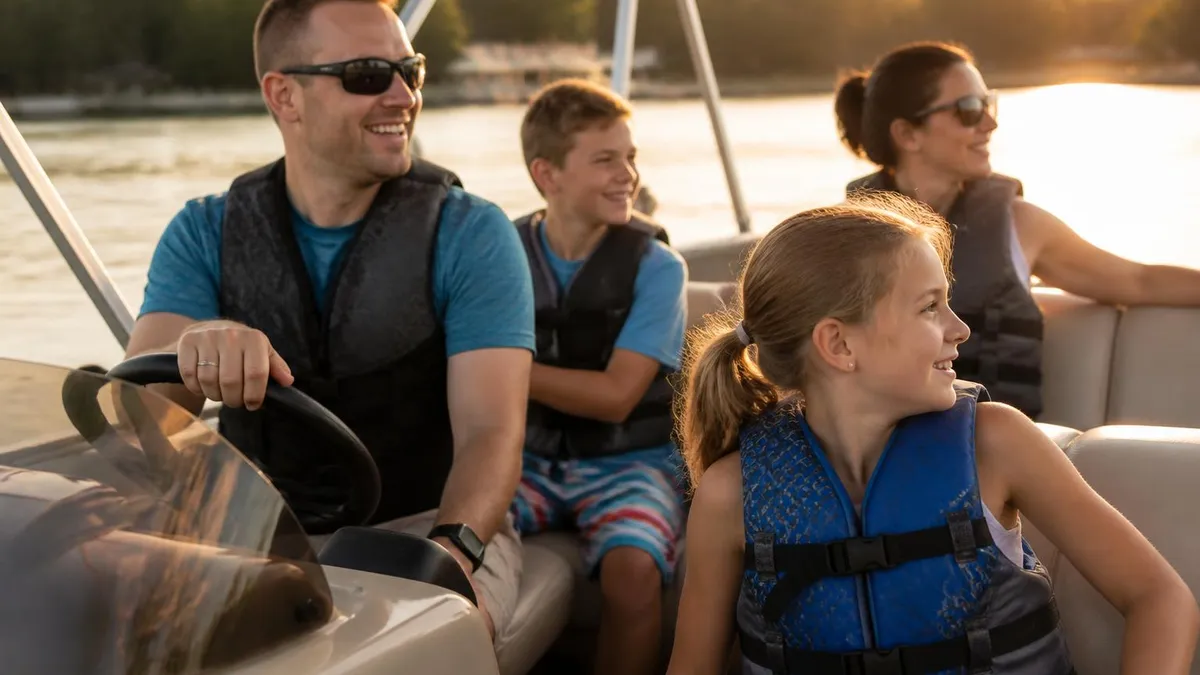
Online vs. In-Person Boating Safety Course: Which Is Right for You?
- +Online courses are self-paced and available 24/7, fitting any schedule
- +No need to travel to a classroom — complete from home or on any device
- +Immediate progress tracking shows exactly which topics need more review
- +Online providers often include free practice exams and interactive simulations
- +Course materials stay accessible after completion for future reference
- +Lower cost on average — online courses typically run $25–$40 versus $40–$75 for in-person
- −Online-only courses may require a separate proctored exam session at an approved location
- −No hands-on water skills component — some boaters benefit from on-boat instruction
- −Self-paced format requires personal discipline; some learners procrastinate without deadlines
- −Technical issues (internet outages, browser incompatibility) can disrupt progress
- −Less opportunity to ask instructor questions in real time
- −Some states require an in-person skills session even when the written course is online
Pros and Cons at a Glance
| Pros | Cons |
|---|---|
| No need to travel to a classroom — complete from home or on any device | Online-only courses may require a separate proctored exam session at an approved location |
| Immediate progress tracking shows exactly which topics need more review | No hands-on water skills component — some boaters benefit from on-boat instruction |
| Online providers often include free practice exams and interactive simulations | Self-paced format requires personal discipline; some learners procrastinate without deadlines |
| Course materials stay accessible after completion for future reference | Technical issues (internet outages, browser incompatibility) can disrupt progress |
Wisconsin Boating License & Renewal Preparation Checklist
- ✓Confirm your birth date falls on or after January 1, 1989 to determine if certification is required.
- ✓Verify the horsepower rating of every vessel you plan to operate — 10 HP or more triggers the requirement.
- ✓Select a Wisconsin DNR-approved or NASBLA-approved boating safety course from the official provider list.
- ✓Complete all required course modules, including Wisconsin-specific laws and navigation rules chapters.
- ✓Take at least three full-length practice exams before attempting the final certification exam.
- ✓Schedule and pass the final proctored exam with a minimum score of 80% to receive your certificate.
- ✓Store your original Boating Safety Education Certificate in a waterproof sleeve aboard your vessel.
- ✓Create a digital photo backup of your certificate stored on your phone for quick access on the water.
- ✓Check Wisconsin DNR's website each spring for any regulatory changes before the boating season opens.
- ✓If your certificate is lost, submit a replacement request through the Wisconsin DNR online portal immediately.
Wisconsin Certificates Never Expire — But Regulations Do Change
Your Wisconsin Boating Safety Education Certificate is valid for life and requires no periodic renewal. However, boating laws and equipment requirements are updated regularly by the Wisconsin DNR. Make it a habit to review the current year's Wisconsin Boating Laws handbook each spring so your knowledge stays as current as your credentials — even a lifetime certificate can't protect you from a citation for violating a rule that changed after you earned it.
Preparing for your boating safety exam is not just a regulatory hurdle — it is a genuine investment in your safety and the safety of everyone who rides with you. The Wisconsin boating safety exam covers a broad range of topics, and the most effective study strategies combine reading course materials with active recall through practice testing. Research consistently shows that students who take multiple practice exams before a certification test score significantly higher than those who only read through their materials once, because practice tests force your brain to retrieve information rather than simply recognize it.
When studying for your wi boat license renewal or initial certification exam, prioritize these high-frequency topic areas: navigation rules (who has the right of way in various crossing, meeting, and overtaking situations), required safety equipment by vessel size and type, Wisconsin-specific regulations (no-wake zones, restricted areas, and speed limits), proper use and maintenance of personal flotation devices, distress signals and emergency procedures, and the effects of alcohol and carbon monoxide on boating safety. These categories collectively account for the majority of questions on Wisconsin's boating safety exam.
Navigation rules deserve particular attention because they are simultaneously the most tested and most misunderstood topic area. Wisconsin uses the same Inland Navigation Rules that apply throughout most of the United States, which differ in a few key ways from the International Rules used on the Great Lakes and ocean waters. For most Wisconsin recreational boaters operating on inland lakes and rivers, the Inland Rules apply exclusively. Understanding concepts like the "stand-on" versus "give-way" vessel, the proper use of sound signals, and the meaning of navigation light configurations will account for a substantial portion of your exam score.
Safety equipment questions are equally important and tend to be more straightforward once you memorize the required items by vessel length. All motorboats must carry one Coast Guard-approved Type I, II, or III life jacket for each person aboard. Vessels 16 feet and longer must additionally carry one Type IV throwable device. Boats 26 feet and longer must carry a fire extinguisher. Visual distress signals are required for boats operating on certain waters. Knowing these requirements by heart — not just understanding them conceptually — will help you answer equipment questions quickly and confidently on exam day.
The Wisconsin boating safety exam typically consists of 60 multiple-choice questions with a passing threshold of 80%, meaning you can miss no more than 12 questions. Most test-takers complete the exam in under 90 minutes. Exam questions are drawn from a test bank, so the exact questions you encounter during a practice session may not appear verbatim on the real exam — but the underlying concepts will be the same. Focus your practice on understanding why correct answers are correct, not just memorizing which letter to select for a given question stem.
PracticeTestGeeks.com offers multiple free boating license practice tests that mirror the format and difficulty level of Wisconsin's actual certification exam. Each practice quiz includes detailed answer explanations so you understand the reasoning behind every correct response. The platform tracks your performance by topic category, allowing you to identify your weakest areas and concentrate your remaining study time where it will have the greatest impact. Many users find that two to three hours of targeted practice-test study is sufficient to reach exam-ready confidence after completing the full course materials.
For those seeking to understand how Wisconsin's exam compares to other states, the content is broadly similar because NASBLA establishes minimum competency standards that all approved courses must meet. A boater who passes Wisconsin's exam has demonstrated knowledge sufficient to operate safely on virtually any inland waterway in the United States. States like Florida, with more complex tidal and coastal considerations, may include additional questions about those specific hazards, but the core navigation and safety content is consistent nationwide. This standardization is precisely what makes multi-state boating feasible without requiring boaters to retest in every jurisdiction they visit.
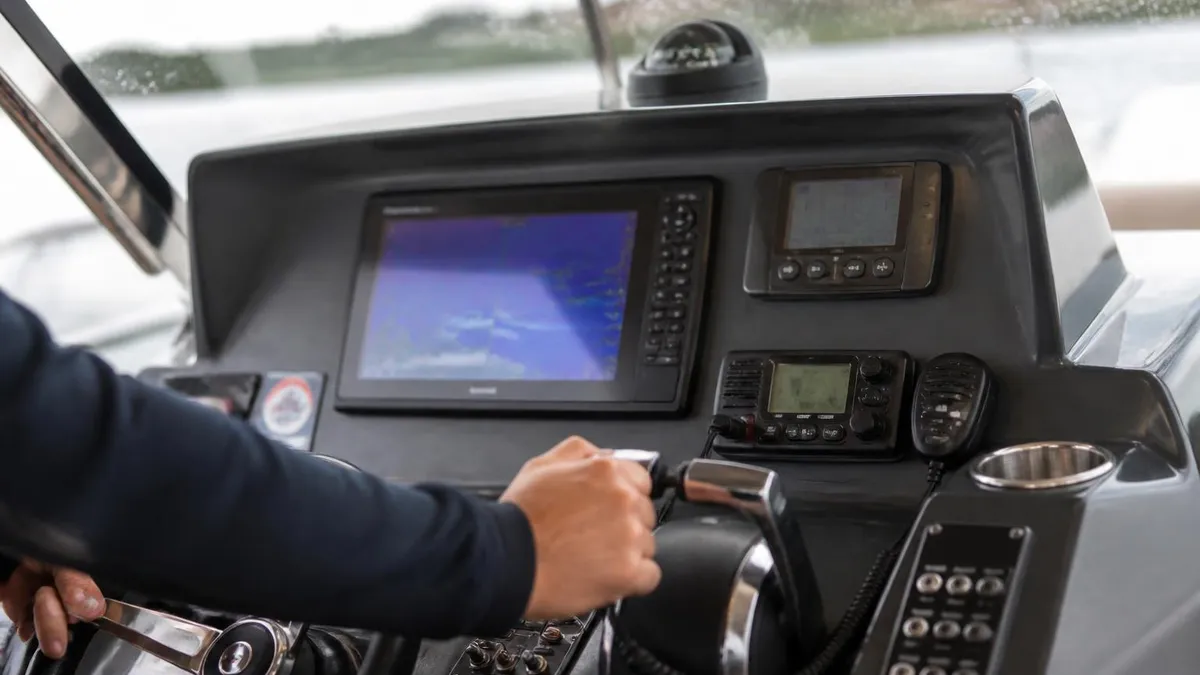
In Wisconsin, operating a qualifying motorboat without the required Boating Safety Education Certificate can result in a citation with fines starting at $175 and potentially higher with court costs added. Beyond the financial penalty, a citation creates a record with the Wisconsin DNR that can affect your boating privileges. If you were born on or after January 1, 1989 and have not yet completed your certification, do not launch until you do — enforcement patrols are active throughout the summer season on Wisconsin's most popular lakes and waterways.
Multi-state boaters face a unique set of compliance challenges that single-state operators never encounter. If you regularly boat on waters that cross or are adjacent to state lines — the St. Croix River between Wisconsin and Minnesota, or Lake Michigan between Wisconsin and Michigan, for example — you need to understand which state's rules apply at any given moment.
Generally speaking, the rules of the state whose waters you are physically on govern your operation. This means a Wisconsin certificate holder on the Minnesota side of the St. Croix must comply with Minnesota's boating laws, including any equipment or operation rules that differ from Wisconsin's.
The new york state boating license framework and Minnesota's system highlight how neighboring states can have meaningfully different requirements even when sharing waterways. Minnesota requires completion of a boating safety course for operators born after July 1, 1987 operating a motorboat of 25 horsepower or more — a slightly higher horsepower threshold than Wisconsin's 10 HP cutoff.
This means some operators who are exempt from certification requirements on Minnesota waters may still be required to carry their Wisconsin certificate when they cross back. Knowing exactly where state jurisdictional lines fall on shared waterways is a practical necessity for serious multi-state boaters.
Insurance is another dimension of boating compliance that multi-state operators should not overlook. While Wisconsin does not require liability insurance for recreational boaters, some marina docking agreements and rental contracts require proof of certification and, in some cases, proof of insurance. When boating in states with stricter insurance norms, or when operating charter or rental vessels, having your Wisconsin certificate on hand alongside your vessel registration and insurance documents positions you as a prepared, professional operator in the eyes of both regulators and marina staff.
Carbon monoxide safety deserves special mention for enclosed-space vessel operators. Wisconsin's boating safety course includes CO awareness content, and for good reason — CO poisoning is one of the leading causes of boating-related deaths nationwide. Generators, engines, and onboard appliances all produce CO, and it can accumulate rapidly in enclosed cabin spaces. The Wisconsin DNR requires CO detectors on motorboats with enclosed accommodation spaces built after 2011. Even if your vessel predates this requirement, voluntarily installing a marine-rated CO detector is one of the most impactful safety upgrades you can make, regardless of your certification status.
Alcohol and boating is another area the exam covers thoroughly, and for critical safety reasons. Wisconsin law sets the legal blood alcohol limit for boating at 0.08%, identical to the limit for driving. Operating a boat while intoxicated (OWI) is a criminal offense in Wisconsin and carries penalties including license suspension (both boating and driving privileges can be affected), fines, and potential jail time for repeat offenders.
The exam covers not just the legal limits but also the physiological reasons why alcohol impairs boating performance more severely than driving — including the cumulative effects of sun, wind, wave motion, and vibration that amplify alcohol's impact on balance and reaction time on the water.
Understanding Wisconsin's no-wake zone rules is another practical knowledge area that exam questions target. A no-wake zone requires boats to travel at the slowest possible speed that allows the operator to maintain control — typically interpreted as 5 mph or less. These zones exist around boat launches, swimming beaches, marinas, and near shore in many developed lake areas.
Violating a posted no-wake zone can result in a citation and, more importantly, creates hazardous conditions for swimmers, kayakers, paddleboarders, and moored vessels. Wisconsin municipalities have the authority to establish local no-wake ordinances beyond state minimums, so checking local rules for each body of water you plan to visit is part of responsible boating practice.
Weather awareness rounds out the practical knowledge every Wisconsin boater needs. The Great Lakes and Wisconsin's larger inland lakes can generate severe weather with minimal warning, particularly during afternoon thunderstorm season in July and August. The exam covers basic weather interpretation skills, but on-water experience matters too.
Always check the National Weather Service marine forecast before launching, monitor sky conditions throughout your time on the water, and have a predetermined plan for reaching shore quickly if conditions deteriorate. Cell service can be unreliable on remote Wisconsin lakes, so a marine VHF radio tuned to NOAA Weather Radio provides continuous weather updates independent of cellular networks — a tool the Wisconsin DNR strongly recommends for all boaters venturing far from shore.
The final step before your boating season begins is ensuring all your vessel's required safety equipment is in serviceable condition. Life jackets should be inspected for tears, waterlogged foam, and failed buckles — a life jacket that does not fit or does not fasten correctly is essentially useless in an emergency. Replace any PFD that fails a visual inspection. Fire extinguishers should be checked for proper pressure gauge reading and unobstructed nozzles. Flares and visual distress signals have expiration dates printed on their casings — expired signals do not meet the legal requirement and must be replaced before you launch.
Your vessel's registration should be current and the registration numbers properly displayed on the bow. Wisconsin requires registration numbers to appear in block letters at least three inches high on both sides of the forward half of the hull, in a color contrasting with the hull. Registration decals must be affixed in the correct position relative to the registration numbers.
These are details that on-water enforcement officers check routinely, and a citation for improper display is entirely avoidable with a five-minute pre-launch inspection. Keeping a laminated copy of your registration certificate aboard is also required — the original or a copy must be accessible on the vessel at all times.
Sound-producing devices are a required safety item that many recreational boaters overlook. Vessels less than 39.4 feet (12 meters) must carry a sound-producing device capable of a four-second blast audible for at least half a mile — a simple air horn or athletic whistle meets this requirement. Larger vessels have more specific requirements for mounted bells and whistles.
Navigation lights must function properly for any vessel operated between sunset and sunrise or in conditions of reduced visibility. Checking all navigation lights at the dock before an evening trip takes less than two minutes and can prevent both a dangerous collision and a costly citation.
Hull identification numbers (HINs) are another area of Wisconsin compliance worth understanding. Your vessel's HIN is a 12-character alphanumeric code permanently affixed to the hull, typically on the transom. The HIN must not be altered, covered, or removed. It functions as the vessel's equivalent of a Vehicle Identification Number (VIN) for law enforcement and insurance purposes.
When purchasing a used boat, verifying that the HIN on the hull matches the title and registration documents is essential to avoid unknowingly acquiring a stolen vessel — a situation that can result in your boat being impounded even if you purchased it in good faith.
Anchoring etiquette and legal requirements add another layer to responsible Wisconsin boating. Wisconsin law prohibits anchoring in navigation channels and restricts overnight anchoring in many popular areas. Some Wisconsin lakes have designated anchor zones for swimming areas and sandbar gatherings; anchoring outside these zones can result in fines and creates navigation hazards for other boaters. Understanding where it is legal to anchor, how to properly set and retrieve an anchor in varying bottom conditions, and how to display an anchor light when moored overnight are practical skills covered in comprehensive boating safety courses that go beyond the minimum exam content.
Environmental regulations represent the final major category of Wisconsin boating law that every operator should internalize. Wisconsin strictly prohibits discharging untreated sewage from vessels equipped with marine sanitation devices within state waters. The transport of aquatic invasive species — zebra mussels, Eurasian water milfoil, rusty crayfish, and others — on boats, trailers, and equipment is a Class A misdemeanor under Wisconsin law.
Boaters are required to inspect their vessel and equipment, drain all water from live wells, bilges, and ballast tanks, and dispose of unwanted bait on land (never in the water) before leaving any water access point. These rules are actively enforced at boat launches across Wisconsin and represent one of the fastest-growing areas of boating citations in the state.
By the time you've studied all of the above — navigation rules, safety equipment, Wisconsin-specific laws, alcohol rules, no-wake zones, weather awareness, vessel registration, sound and light requirements, HINs, anchoring, and environmental regulations — you are genuinely prepared not just to pass an exam, but to be a safe and responsible operator on Wisconsin's remarkable lakes and rivers.
The practice tests at PracticeTestGeeks.com are designed to cover all of these areas comprehensively, with randomized question sets that ensure you're tested broadly across the full content domain rather than repeatedly on a narrow slice of material. Start with the American Boating License practice test, identify your weak spots, review the relevant course material, and then test again until you're consistently scoring 90% or above before booking your final exam session.
Sample Boating License Test Practice Questions
Try these questions from our free Boating License Test practice tests. The correct answer and an explanation follow each question.
When are children under 13 required to wear a life jacket on a recreational boat in federal US waters?
- A. Only when the boat is moving faster than 10 mph
- B. At all times when the vessel is underway unless below deck
- C. Only when there is no adult present
- D. Only when crossing open water channels
Answer: B. At all times when the vessel is underway unless below deck
Federal law requires children under 13 to wear a Coast Guard-approved life jacket at all times while the vessel is underway unless they are in an enclosed cabin.
Which vessel is the 'give-way' vessel when a power-driven boat meets a sailboat under sail?
- A. The power-driven boat
- B. The sailboat
- C. Whichever is faster
- D. Whichever is larger
Answer: A. The power-driven boat
A power-driven vessel must generally give way to a vessel under sail.
What should you do if your boat engine catches fire?
- A. Pour water directly on the fire immediately
- B. Shut off the fuel supply and aim a fire extinguisher at the base of the flames
- C. Increase throttle to blow out the flames
- D. Open all hatches to ventilate the fire
Answer: B. Shut off the fuel supply and aim a fire extinguisher at the base of the flames
Cutting the fuel supply starves the fire, and directing the extinguisher at the base attacks the source of combustion.
When trailering a boat, why should you check the wheel bearings?
- A. Worn bearings can overheat and cause wheel failure on the road
- B. They power the boat's engine
- C. They control the depth finder
- D. They charge the boat battery
Answer: A. Worn bearings can overheat and cause wheel failure on the road
Trailer wheel bearings can overheat and seize, causing loss of a wheel during transport.
Boating License Questions and Answers
Tennessee Boating License 2026 — Requirements, Age & How to Get One

Age Requirements for a Boating License: What Every State Demands in 2026
MN Boat License: Who Needs One & How to Get Certified
Do You Need a License to Drive a Boat? State-by-State Guide 2026

Boating License Cost: What You'll Pay in Every State (2026 Guide)
About the Author

Master Mariner & Maritime Certification Specialist
Massachusetts Maritime AcademyCaptain David Harrington is a US Coast Guard licensed Master Mariner with a Bachelor of Science in Marine Transportation from Massachusetts Maritime Academy. He has 22 years of deep-sea and coastal navigation experience aboard commercial vessels and specializes in preparing maritime candidates for USCG licensing exams, STCW certification, dynamic positioning (DPO), and officer-of-the-watch qualifications.
Join the Discussion
Connect with other students preparing for this exam. Share tips, ask questions, and get advice from people who have been there.
View discussion (6 replies)