
DMV Beverly Road Test Site: Complete Guide to Locations, Scheduling, and Passing Your Driving Exam
DMV Beverly road test site guide: locations, scheduling, vehicle requirements, route tips, and proven strategies to pass your driving exam first try. ✍🏼
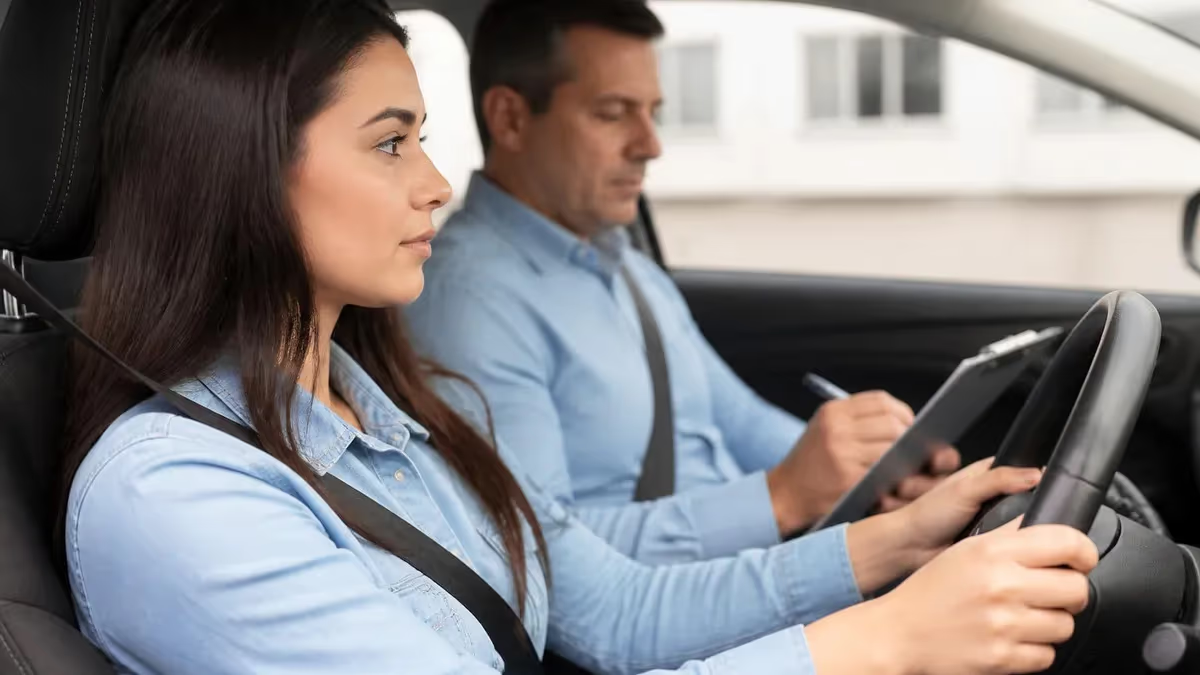
Finding the right dmv beverly road test site is one of the most important early decisions you can make on your path to earning a driver's license. The location you select influences everything from your scheduled wait time to the type of roads you'll drive during your exam, and even the difficulty of the maneuvers examiners may ask you to perform. While many new drivers assume every site offers the same experience, in reality, road test centers vary widely in route complexity, traffic patterns, parking layouts, and examiner availability throughout the week.
Beverly area road test sites tend to attract drivers from across surrounding counties because they often feature less congested neighborhoods than metropolitan testing centers. This can be a strategic advantage if you're a newer driver who feels more comfortable navigating residential streets rather than busy urban intersections. However, this convenience also means appointments fill up quickly, especially during summer months when teen drivers flood the schedule after completing driver's education courses.
Before you arrive at any testing location, you'll need to confirm your eligibility, gather required documents, and ensure your vehicle meets state safety standards. Examiners follow strict checklists, and even minor issues like a cracked windshield or expired registration can result in an automatic cancellation. Understanding these requirements ahead of time saves you from losing your appointment slot, which can sometimes mean waiting weeks for a reschedule depending on the time of year and demand at your chosen facility.
This complete guide walks you through everything you need to know about Beverly-area road test sites, from how to schedule your appointment online to what specific maneuvers you'll be tested on once you're behind the wheel. We'll cover required documentation, vehicle inspection details, common reasons drivers fail their first attempt, and proven strategies that examiners themselves recommend for nervous test-takers. Whether you're a 16-year-old taking your first test or an adult finally pursuing licensure, this resource will prepare you.
Many candidates underestimate just how much practice matters in the final two weeks leading up to the exam. Studies consistently show that drivers who practice their specific test route at least three to five times before the appointment have significantly higher pass rates than those who simply rely on general driving experience. We'll explain how to legally and effectively scout your testing route, what to look for at each intersection, and how to time your practice sessions to mimic actual exam conditions including traffic density and weather variability.
You'll also learn about backup options if your preferred Beverly location is fully booked, including nearby alternative sites and third-party testers who may offer faster appointment availability. Some drivers find that traveling 30 minutes to a less popular location dramatically shortens their wait time, sometimes by several weeks. We'll help you weigh the tradeoffs between convenience, route difficulty, and scheduling flexibility so you can make an informed decision.
By the end of this guide, you'll have a complete roadmap for tackling your road test with confidence. From the moment you click 'schedule appointment' to the second the examiner hands you that passing slip, every step matters. Let's begin with the essential facts and numbers that define the Beverly testing experience and what you can expect throughout your journey.
DMV Beverly Road Test Site by the Numbers
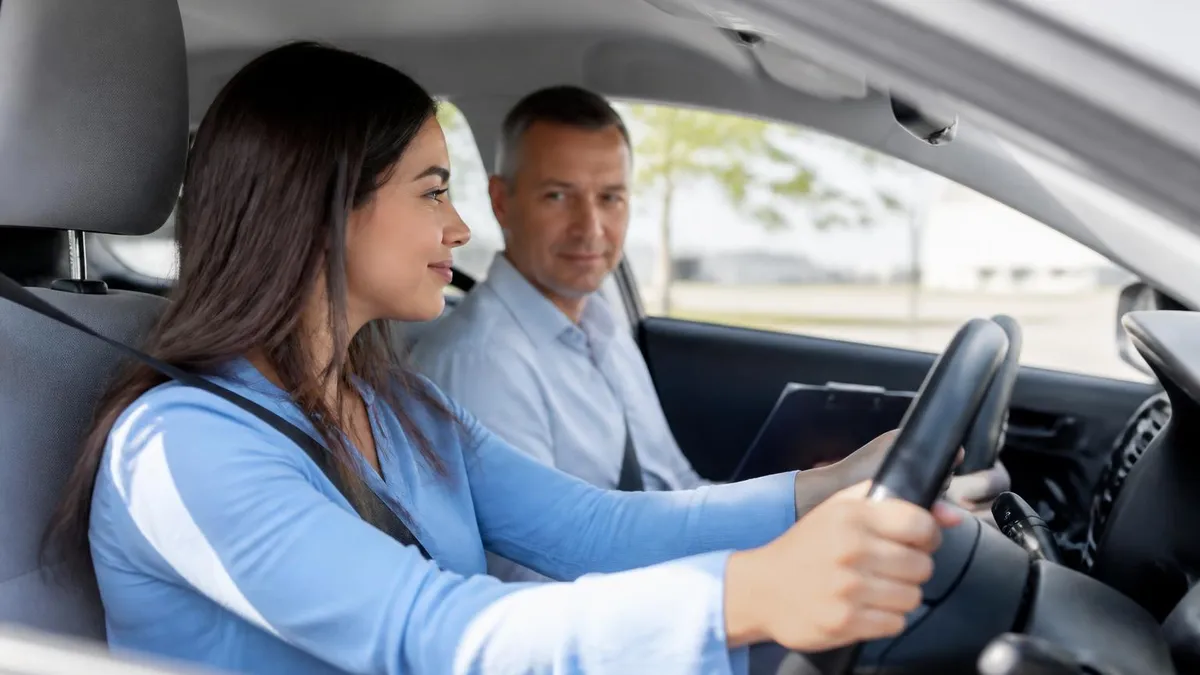
Beverly Road Test Site: What to Expect
Arrive 15-20 minutes early to verify documents, vehicle inspection paperwork, and confirm your appointment with the front desk before the examiner calls your name.
Examiners check turn signals, brake lights, horn, mirrors, seatbelts, and registration before entering the vehicle. Failed inspections forfeit your appointment slot immediately.
Expect a 15-25 minute drive covering residential streets, busier roads, parking maneuvers, intersection navigation, and possibly a school zone or stop-sign sequence.
Some Beverly-area sites use closed-course sections for parallel parking, three-point turns, or backing exercises before transitioning to public roads.
Following the drive, examiners review your score sheet, explain marked errors, and provide your pass-or-fail outcome along with next steps for licensing.
Scheduling your appointment at a Beverly area road test site requires careful planning, especially during peak demand periods. Most state DMV systems now use online portals where you log in with your learner's permit number, select your preferred location, and choose from available date and time slots. Slots typically open between three and six months in advance, and they fill quickly during summer breaks and immediately after school years end when teen drivers complete their driver education requirements.
One of the most effective scheduling strategies is to check the booking portal early in the morning, typically between 6:00 and 8:00 AM, when overnight cancellations are released. Many drivers find earlier-than-expected appointments by refreshing the system at these times. If you're flexible with location, you can also browse nearby sites within a 20-30 mile radius, which often have shorter waits than the most popular metropolitan centers in the region.
When scheduling, you'll typically need to provide your full legal name, date of birth, permit number, and a valid email address for confirmation. Some systems require you to pay the road test fee at the time of booking, while others allow payment on the day of your exam. Always verify which option applies to your state and save your confirmation email or printed slip, as you may be asked to present it at check-in.
Cancellations and reschedules generally must be made at least 24 to 48 hours before your appointment to avoid forfeiting your fee. Last-minute cancellations may result in losing your slot entirely and being required to repay the testing fee for a new appointment. If you're sick, your vehicle has a mechanical issue, or weather creates dangerous driving conditions, contact the testing site as soon as possible to discuss your options under their cancellation policy.
Be aware that some Beverly area sites accept walk-in appointments on a limited basis, though this is increasingly rare. If walk-ins are accepted, you'll typically need to arrive at opening and accept whatever slot is available, which could mean a long wait. Most experts recommend pre-booking online to guarantee your spot and avoid wasted travel time, especially if you're driving from outside the immediate area to reach the testing facility.
If you need to take your road test sooner than your local Beverly site allows, consider third-party testing services authorized by your state. These independent examiners administer the same official test, with results reported directly to the DMV. While they typically charge higher fees, often $80-$150, they can sometimes schedule appointments within days rather than weeks. Just verify that the third-party tester is state-certified before booking, as unauthorized testers cannot issue valid results.
Plan to make your BMV appointment for your written test, vision screening, and any required preliminary visits well before your road test date. These prerequisite visits sometimes have their own scheduling delays, and you cannot take your road test until all written and vision components are complete. Coordinating these timelines together can save you weeks of unnecessary waiting.
BMV Practice Test Questions
Prepare for the BMV - Test exam with our free practice test modules. Each quiz covers key topics to help you pass on your first try.
BMV Basic BMV Practice
BMV Exam Questions covering Basic BMV Practice. Master BMV Test concepts for certification prep.
BMV Alcohol, Drugs, and Impaired Driving Laws
Free BMV Practice Test featuring Alcohol, Drugs, and Impaired Driving Laws. Improve your BMV Exam score with mock test prep.
BMV Licensing Requirements
BMV Mock Exam on BMV Licensing Requirements. BMV Study Guide questions to pass on your first try.
BMV Traffic Laws
BMV Test Prep for BMV Traffic Laws. Practice BMV Quiz questions and boost your score.
BMV Vehicle Operations
BMV Questions and Answers on BMV Vehicle Operations. Free BMV practice for exam readiness.
BMV Parking, Right-of-Way, and Intersections
BMV Mock Test covering Parking, Right-of-Way, and Intersections. Online BMV Test practice with instant feedback.
BMV Road Signs and Markings
Free BMV Quiz on Road Signs and Markings. BMV Exam prep questions with detailed explanations.
BMV Safe Driving and Hazard Awareness
BMV Practice Questions for Safe Driving and Hazard Awareness. Build confidence for your BMV certification exam.
DMV Beverly Road Test Site Requirements
You'll need your valid learner's permit, a primary photo ID, proof of residency such as a utility bill or lease document, and your appointment confirmation. Some states also require proof of completed driver's education, particularly for applicants under 18. If you're an adult applicant, you may need to provide proof of legal presence such as a passport, birth certificate, or permanent resident card depending on your state requirements.
Bring originals of every document because most testing sites won't accept photocopies. Double-check expiration dates the night before, since an expired permit automatically disqualifies you. If your name has changed due to marriage or court order, bring certified documentation showing the change so your records match across all paperwork. Missing or mismatched documents are among the top three reasons appointments are voided at check-in nationwide.
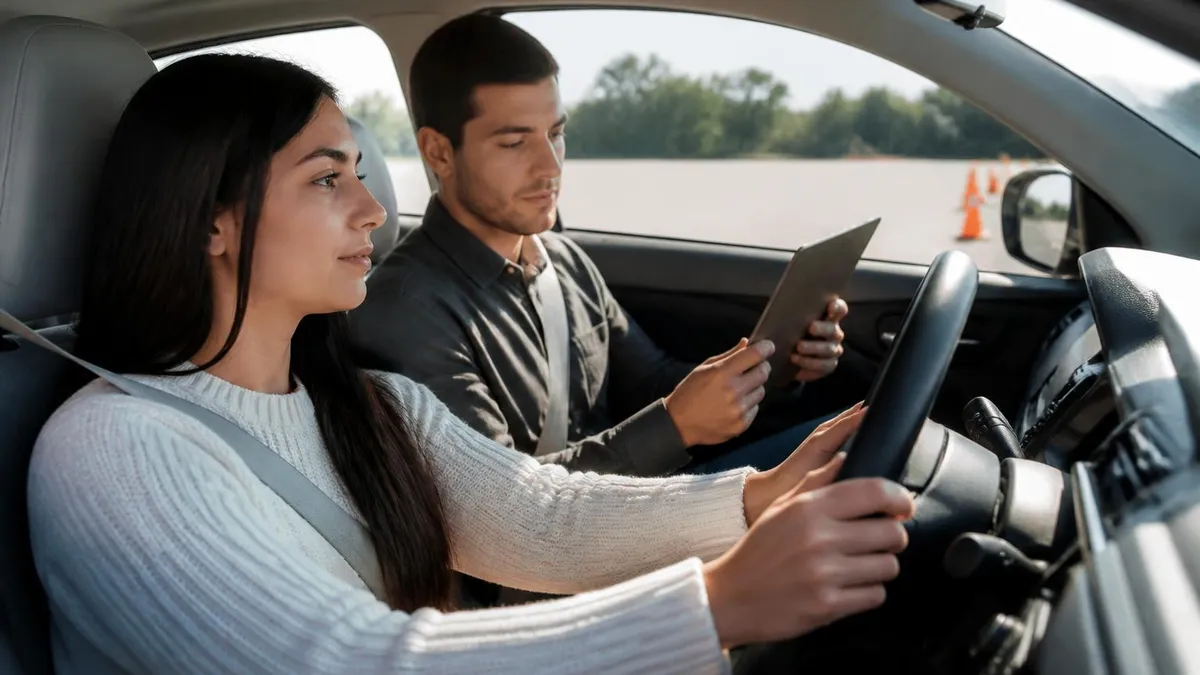
Should You Test at the Beverly Site? Pros and Cons
- +Generally less congested residential test routes compared to urban centers
- +Lower traffic density makes intersections and turns more manageable
- +Easier parallel parking conditions with available curb space
- +Friendlier examiner availability during off-peak weekday hours
- +Quieter waiting areas reduce pre-test stress and distraction
- +Predictable route patterns that practice can effectively prepare you for
- −Limited appointment slots during peak summer testing season
- −Longer drive for applicants living in surrounding counties
- −School zone routes can extend test time during weekday afternoons
- −Some weather-dependent routes may include hilly residential terrain
- −Fewer walk-in slots available compared to larger regional offices
- −Reschedule waits can stretch to 4-6 weeks during demand spikes
Pros and Cons at a Glance
| Pros | Cons |
|---|---|
| Generally less congested residential test routes compared to urban centers | Limited appointment slots during peak summer testing season |
| Lower traffic density makes intersections and turns more manageable | Longer drive for applicants living in surrounding counties |
| Easier parallel parking conditions with available curb space | School zone routes can extend test time during weekday afternoons |
| Friendlier examiner availability during off-peak weekday hours | Some weather-dependent routes may include hilly residential terrain |
| Quieter waiting areas reduce pre-test stress and distraction | Fewer walk-in slots available compared to larger regional offices |
DMV Beverly Road Test Site Day-Of Checklist
- ✓Confirm appointment time and address the night before your test
- ✓Charge your phone and screenshot directions to the testing site
- ✓Check tire pressure, fluids, and ensure the fuel tank is at least half full
- ✓Test all turn signals, brake lights, headlights, and the horn
- ✓Clean the windshield, mirrors, and interior windows for maximum visibility
- ✓Gather your permit, ID, proof of insurance, and vehicle registration
- ✓Print or save your appointment confirmation email accessibly
- ✓Arrive at least 15-20 minutes early to allow for parking and check-in
- ✓Practice slow, deep breathing in the parking lot before your name is called
- ✓Remove all clutter and distractions from inside the vehicle
Slow Down at Every Stop Sign
The single most common reason drivers fail their road test is rolling through stop signs without coming to a complete stop. Examiners watch for a full three-second pause behind the stop line, with the vehicle entirely stationary. Make this habit second nature during practice, and you eliminate one of the highest-frequency point deductions on the standard examiner scorecard.
Understanding the typical test routes used at Beverly area road test sites is one of the smartest ways to prepare effectively. While examiners may vary specific turn sequences to prevent route memorization, the streets used are generally limited to a few residential and connector roads within a few miles of the testing facility. Spending time driving these streets at the same time of day as your appointment helps you anticipate traffic patterns, identify tricky intersections, and develop muscle memory for likely maneuvers.
Most road tests include a combination of right and left turns at controlled and uncontrolled intersections, a three-point turn or K-turn on a narrow residential street, parallel parking either curb-side or between cones, backing in a straight line for at least 50 feet, and a stop-and-go sequence through a busier road segment. You may also be asked to perform a hill start, demonstrate proper lane changes, navigate a school zone, or pull over and park properly along a curb.
Speed management is among the most frequently scored elements. Driving too slowly is just as problematic as driving too fast. Examiners look for drivers who match prevailing traffic flow while staying within posted limits. In residential zones with 25 mph limits, that's exactly the target speed. On connector roads with 35 or 45 mph limits, drive within the limit but maintain the natural pace of traffic. Hesitation or excessive cautiousness can cost you points just like speeding.
Mirror checks and shoulder checks before every lane change, turn, or merge are non-negotiable. Examiners specifically watch your head movement and may mark deductions if they don't see clear visual confirmation that you checked your blind spots. Make these checks exaggerated and obvious during your test, even if they feel theatrical. The same applies to signaling: signal at least 100 feet before every turn or lane change, and confirm signals turn off after completing the maneuver.
Intersection behavior often separates passing drivers from those who fail. Approach every intersection with a controlled deceleration, looking left-right-left before proceeding even on a green light. At four-way stops, follow the proper right-of-way sequence based on arrival order. At uncontrolled intersections, yield appropriately and never assume other drivers will stop. These decision-making moments are where examiners assess your judgment and situational awareness in real time.
Parking maneuvers cause more failures than nearly any other test element. Practice parallel parking until you can complete it within three adjustments, ending parallel to the curb and within 12 inches of it. For three-point turns, use proper signaling, check traffic in both directions, and complete the maneuver without striking the curb. Backing exercises require you to keep the vehicle straight, using mirrors and turning your head to look directly behind you rather than relying solely on backup cameras.
Finally, remember that examiners evaluate your overall driving demeanor. Smooth braking, gradual acceleration, controlled steering inputs, and calm reactions to unexpected situations all factor into your final score. Avoid jerky movements, sudden lane corrections, or panicked braking. Confidence combined with caution is the ideal balance examiners reward consistently across testing locations.
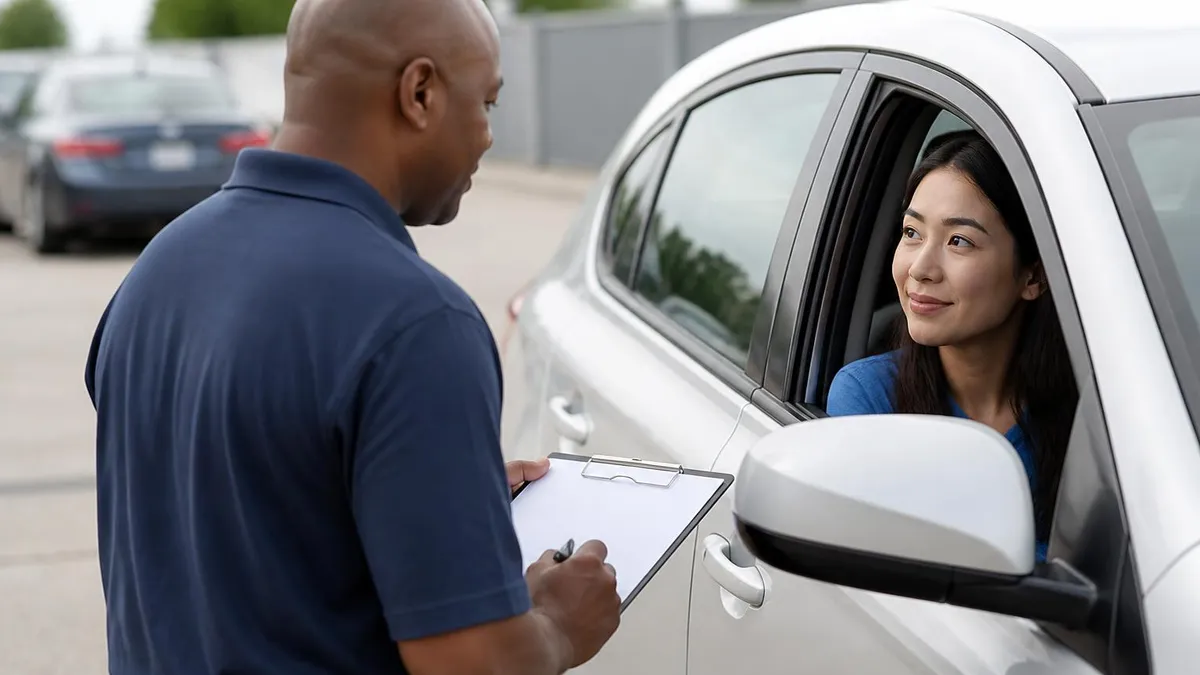
Certain actions result in automatic failure regardless of other performance. These include running a stop sign or red light, driving on the wrong side of the road, requiring examiner intervention to prevent an accident, striking any object or curb hard enough to damage the vehicle, refusing instructions, or being involved in any collision during the test.
Successfully passing your dmv beverly road test site exam requires more than just driving skill. It demands a strategic approach to preparation, confidence, and mental readiness on test day. The most successful test-takers approach the exam like an interview: they research the location, practice the specific skills they'll be evaluated on, dress appropriately, arrive early, and bring positive energy that helps both them and the examiner feel comfortable during the drive.
One often overlooked preparation strategy involves driving your test route at the same time of day as your scheduled appointment. Traffic patterns, school bus routes, sun glare angles, and pedestrian density vary significantly throughout the day. A 9:00 AM test will encounter different conditions than a 2:00 PM appointment. By practicing under matching conditions, you eliminate surprise variables and arrive prepared for the exact environment you'll navigate during the official exam.
Many candidates also benefit from taking one or two professional driving lessons in the final two weeks before testing. A qualified instructor can identify subtle habits you've developed that examiners will penalize, such as resting your hand on the gearshift, hooking your thumbs around the steering wheel, or failing to use proper hand-over-hand turning when expected. These small corrections often make the difference between a passing and failing score on a borderline performance.
If you fail your first attempt, don't panic. Most states allow you to retake the test within 7 to 14 days, and many candidates pass on their second attempt with the benefit of knowing exactly what to expect. Carefully review your examiner's debrief sheet, focusing on the specific errors marked. Address each one through targeted practice rather than general driving. If parallel parking caused failure, dedicate the next two weeks specifically to that maneuver until it's second nature.
Vehicle familiarity matters enormously. Test in the same car you've practiced in whenever possible. Different vehicles have different brake sensitivity, steering responsiveness, blind spot dimensions, and accelerator behavior. Switching cars in the days before your test introduces unnecessary variables that can disrupt your performance. If you must use a different vehicle, spend at least 10 hours driving it before test day to develop comfort with its handling characteristics.
Review your DMV testing area rules carefully before arriving. Most testing locations prohibit cell phones in the vehicle during the exam, ban passengers other than the examiner, and require you to leave personal items in the lobby. Knowing these rules in advance prevents unexpected issues at check-in that can rattle your nerves before you even start driving. Some sites also have specific parking instructions or check-in protocols that warrant a quick phone call to confirm.
Lastly, remember that examiners are people too. They want you to succeed and pass. Greet them politely, follow instructions clearly, ask for clarification if any direction is unclear, and don't apologize excessively for small mistakes. A calm, professional demeanor often earns the benefit of the doubt on borderline calls. Drive as if you're transporting a precious passenger, because in a real sense, you are: yourself, with your new license depending on the next 20 minutes.
In the final 48 hours before your road test, your preparation should shift from learning new skills to reinforcing existing ones and managing your mental state. Avoid cramming intensive new driving lessons the day before, as this often introduces fatigue and second-guessing rather than building confidence. Instead, take a relaxed practice drive on the morning of your test, focusing on smooth execution of familiar maneuvers rather than pushing your limits or attempting techniques you've never used before.
Sleep is among the most underrated factors in road test performance. Drivers who get less than seven hours of sleep the night before show measurably slower reaction times, poorer judgment, and reduced peripheral awareness during testing. Plan your schedule to allow eight hours of quality rest, avoid caffeine after noon the day before, and create a calming evening routine that prepares your nervous system for the demands of testing. Anxious sleep is better than no sleep, so lie down even if you feel restless.
Hydration and nutrition also play critical roles. Eat a balanced meal containing protein and complex carbohydrates roughly 90 minutes before your test, avoiding heavy or greasy foods that can cause sluggishness. Drink water throughout the morning but limit it within the last hour to avoid restroom urgency during testing. Pack a small snack and water bottle for after your test, as the post-exam debrief often comes when you're hungry and emotionally depleted.
Mental rehearsal is a powerful technique borrowed from elite athletes. Spend 10-15 minutes the evening before your test visualizing yourself successfully completing each part of the exam. Imagine the check-in process, the walk to your car, the vehicle inspection, the start of the drive, common maneuvers, and finally receiving your passing slip. This practice activates the same neural pathways used during actual performance and builds confidence through anticipation rather than fear.
If anxiety is significant, consider techniques like box breathing: inhale for four counts, hold for four, exhale for four, hold for four, and repeat. This rhythm activates your parasympathetic nervous system and reduces physical symptoms of stress like racing heart and shaky hands. Practice this in the parking lot before your name is called, as well as briefly at red lights during the test itself if you feel nerves rising. Most examiners won't even notice this controlled breathing technique.
Communicate clearly with the examiner during the test. If you don't understand an instruction, politely ask for clarification rather than guessing. Examiners are trained to repeat directions or explain them more specifically when asked. Pretending to understand and then making a wrong turn or maneuver will cost you points unnecessarily. Brief, polite communication signals confidence and engagement rather than weakness or confusion to your examiner during the drive.
After the test, regardless of outcome, take a moment to acknowledge what you accomplished. Whether you passed or need a retake, you completed a significant milestone that millions of drivers face every year. If you passed, celebrate responsibly and review your minor deductions to improve as a lifelong driver. If you didn't pass this time, review the debrief carefully, schedule your retake immediately, and remember that thousands of drivers who fail their first test go on to become safe, confident lifelong drivers with valid licenses.
Sample BMV Practice Questions
Try these questions from our free BMV practice tests. The correct answer and an explanation follow each question.
When driving on a city road without posted speed limit signs, you should not go faster than ___.
- A. 30 mph
- B. 25 mph
- C. 35 mph
- D. 20 mph
Answer: B. 25 mph
In Ohio, if there are no posted speed limit signs on a city road, the default statutory speed limit is 25 mph. This general rule applies to urban districts and helps ensure safety in areas with higher pedestrian traffic and potential intersections. Drivers should always be aware of the default limits when specific signs are absent.
Under wet or slippery road conditions, how should you adjust your following distance?
- A. Keep the same distance
- B. Double it to at least four seconds
- C. Reduce it to stop faster
- D. Follow one second closer to see brake lights sooner
Answer: B. Double it to at least four seconds
Wet roads increase stopping distance, so doubling the following distance to four seconds provides a safe buffer.
In Ohio, you can ________ after stopping at a red traffic signal on a two-way road.
- A. Make a U-turn
- B. Proceed straight
- C. Make a left turn
- D. Make a right turn
Answer: D. Make a right turn
In Ohio, as in most states, it is permissible to make a right turn on red after coming to a complete stop, provided there is no sign prohibiting it. Drivers must first stop, check for oncoming traffic and pedestrians, and then proceed cautiously if the way is clear. This rule helps maintain traffic flow while ensuring safety.
When approaching a stopped school bus with flashing red lights on a two-lane road, you must:
- A. Slow to 20 mph
- B. Stop and wait until the lights stop flashing
- C. Pass carefully on the left
- D. Honk to alert children
Answer: B. Stop and wait until the lights stop flashing
You must stop for a school bus displaying flashing red lights until they are turned off.
BMV Questions and Answers
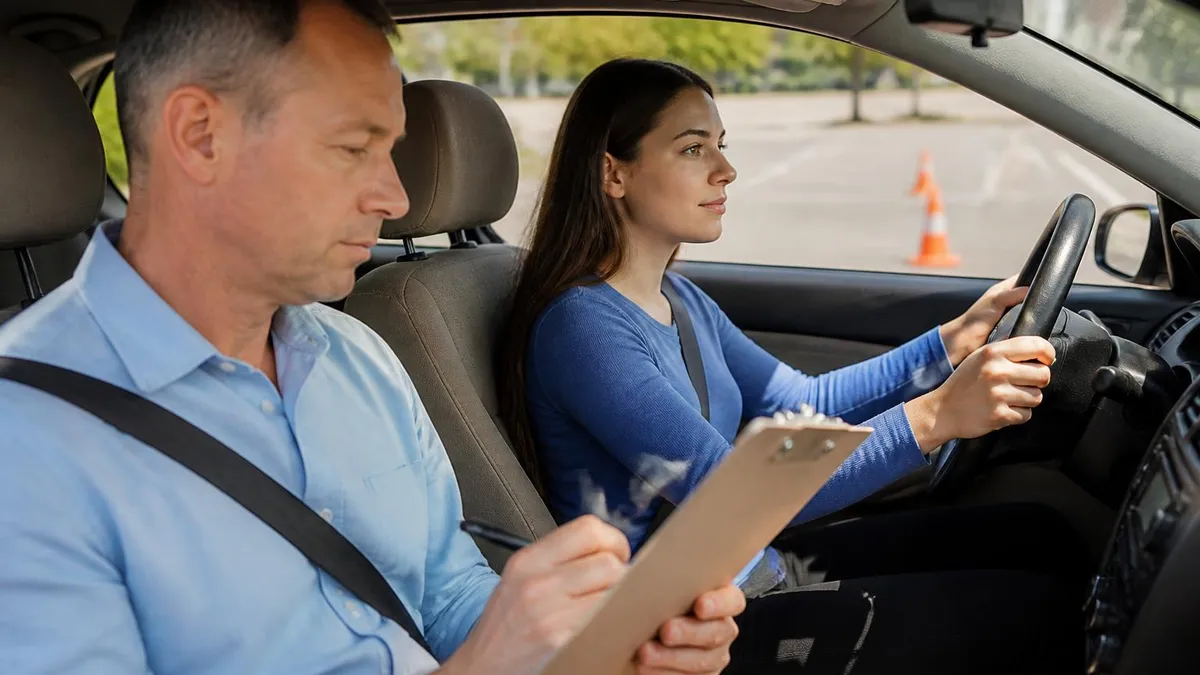
Driver Test Car Rental in Gastonia, NC: Complete BMV Road Test Vehicle Guide
Ohio BMV Driving Test: Maneuverability, Road and Pass Tips
DMV Testing Area No Cell Phones Allowed: Complete Rules Guide for Your Driving Exam
Hours of Ohio BMV: Complete Guide to Office Hours, Locations, and Visit Planning
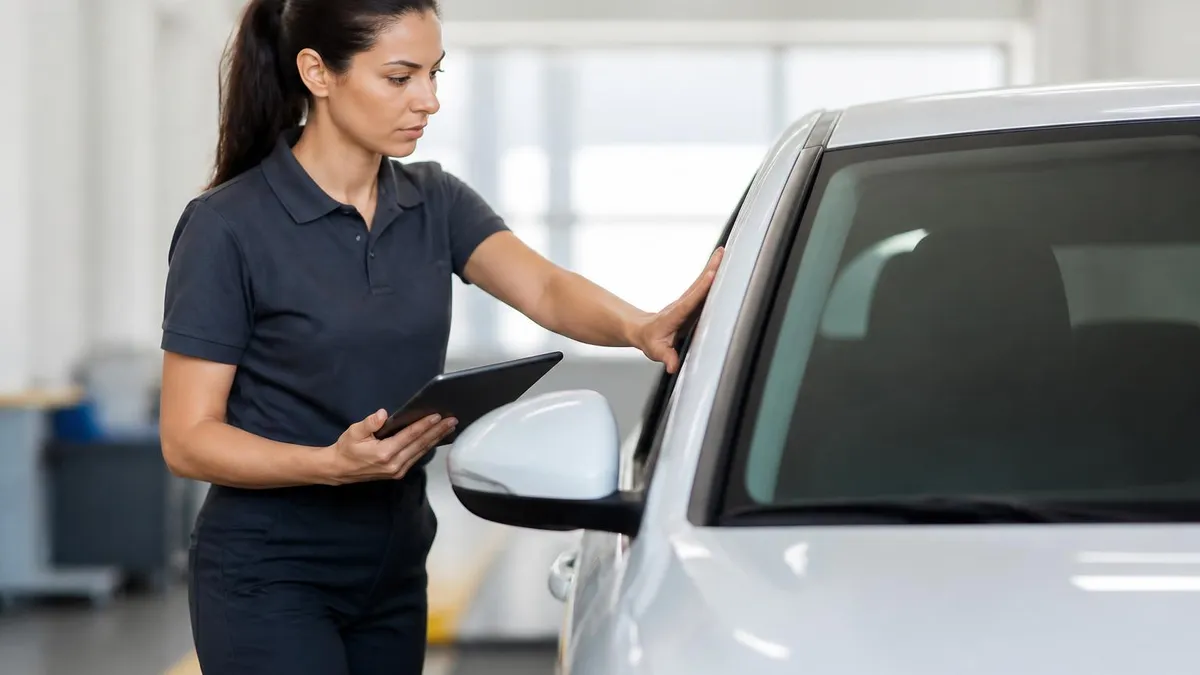
BMV Appointment Guide: How to Schedule, Prepare, and Pass Your Visit on the First Try
About the Author
Licensed Driving Instructor & DMV Test Specialist
Penn State UniversityRobert J. Williams graduated from Penn State University with a degree in Transportation Management and has spent 20 years as a certified driving instructor and DMV examiner consultant. He has personally coached thousands of applicants through written knowledge tests, skills assessments, and commercial driver licensing programs across more than 30 states.
Join the Discussion
Connect with other students preparing for this exam. Share tips, ask questions, and get advice from people who have been there.
View discussion (9 replies)