
Being a Bartender: Everything You Need to Know About Starting and Succeeding in the Craft
Being a bartender means mastering drinks, laws & service. Get the full career guide — skills, salary, certification tips & more. 🎯

Being a bartender is one of the most dynamic, socially engaging, and financially rewarding careers in the hospitality industry. Unlike many service jobs, bartending offers a rare combination of creativity, technical skill, and direct customer interaction that keeps the work fresh and stimulating night after night.
Whether you are slinging craft cocktails at an upscale lounge, pouring pints at a neighborhood pub, or mixing frozen drinks at a beach resort, the core demands of the role remain consistent: speed, accuracy, and genuine hospitality. If you are curious about being a bartender, this guide walks you through everything from first steps to long-term success.
The modern bartender is far more than a drink-pourer. Today's craft cocktail renaissance has elevated the profession to something closer to culinary artistry. Bartenders are expected to understand flavor profiles, fermentation science, spirits production methods, and seasonal ingredient sourcing. At the same time, they must manage a fast-moving bar environment, handle cash and card transactions accurately, and maintain compliance with state and local alcohol service laws. The breadth of knowledge required is substantial, and that breadth is exactly what makes certification and structured training so valuable.
From a financial perspective, bartending consistently outperforms expectations. According to the Bureau of Labor Statistics, the median annual wage for bartenders in the United States sits near $31,000 in base pay alone — but that figure dramatically understates real earnings. Tips routinely double or triple take-home income, with experienced bartenders at busy establishments clearing $60,000 to $90,000 per year. High-end venues in major cities like New York, Chicago, and Los Angeles see top earners surpass $100,000 annually when tips and benefits are included. The earning potential is genuinely significant.
Getting started in bartending does not require a four-year degree or years of formal education. However, it does require intentional preparation. Most hiring managers look for candidates who can demonstrate basic drink knowledge, responsible alcohol service awareness, and the composure to handle a busy bar without crumbling under pressure. Completing a bartending course, earning a recognized certification, and building even a small amount of hands-on experience will separate your application from the dozens of untrained candidates competing for the same position. Preparation is the differentiator in a crowded field.
Understanding the legal landscape is non-negotiable for anyone serious about a bartending career. Every state has its own set of liquor laws governing when alcohol can be served, to whom it can be sold, what constitutes over-service, and what liability falls on the bartender when those rules are violated. Responsible Beverage Service (RBS) training programs and certifications like TIPS, ServSafe Alcohol, and TAM teach these rules in a structured format. Many states now require or strongly incentivize certification before you can legally serve alcohol — and employers increasingly demand proof of training before they will schedule your first shift.
Physical and mental stamina are underrated requirements of the job. A busy Friday night shift can run eight to ten hours on your feet, with virtually no sitting, continuous noise, and dozens of simultaneous demands from guests, servers, and management. The best bartenders develop a kind of structured mental multitasking — tracking open tabs, remembering regulars' preferences, anticipating rushes, and staying composed when the ice machine breaks mid-shift. Building this kind of resilience takes practice, mentorship, and a genuine love for the controlled chaos that defines a great bar environment.
This guide covers every major dimension of what it means to pursue a career in bartending: the skills that matter most, the certifications worth earning, the pros and cons of the lifestyle, and the practical steps that move you from curious beginner to confident professional. Whether you are just exploring the idea or already working behind a bar and looking to sharpen your edge, you will find actionable, specific guidance here. The bartending industry rewards those who invest in their knowledge, and this article is designed to help you make that investment wisely.
Bartending in the US by the Numbers

Key Skills Every Bartender Needs to Master
A solid bartender knows hundreds of classic and contemporary cocktail recipes by memory. Understanding flavor balancing — sweet, sour, bitter, and spirit-forward profiles — allows you to craft drinks confidently and adapt recipes when an ingredient is unavailable.
During peak hours, a bartender may need to produce 30 to 50 drinks in under an hour. Building muscle memory for common pours, maintaining an organized bar setup, and minimizing unnecessary movement are critical skills that separate good bartenders from great ones.
Recognizing signs of intoxication, checking IDs accurately, and knowing when and how to cut someone off are legal and ethical obligations. Certification programs like TIPS, ServSafe, and TAM teach these skills in a structured format recognized by employers and regulators.
Most bar environments involve high transaction volume. Accurate cash handling, running tabs, splitting checks, and operating point-of-sale systems without errors are baseline expectations for any professional bartender — mistakes cost the bar real money.
Reading the room, adjusting your communication style for different guests, and de-escalating tense situations are as important as drink-making. Regulars return because of the bartender, not just the menu. Strong people skills directly translate to higher tips and repeat business.
Certifications and formal training have become increasingly important in the bartending industry, and understanding which credentials actually matter can save you significant time and money. The landscape of bartending education includes everything from week-long trade school bootcamps to online responsible beverage service courses that take just a few hours to complete. Not all programs are created equal, and the value of any certification depends heavily on your state's requirements, your target employer, and the type of venue you want to work in. Doing your research upfront is essential before enrolling in any paid program.
Responsible Beverage Service (RBS) certification is the most universally required credential in modern bartending. Programs like TIPS (Training for Intervention ProcedureS), ServSafe Alcohol, and TAM (Techniques of Alcohol Management) are recognized nationwide and teach servers and bartenders how to identify intoxication, refuse service appropriately, and comply with state liquor laws. California, for example, made RBS certification mandatory for all alcohol servers beginning in 2022 — and similar legislation is spreading to other states. Holding a current RBS certificate before you apply for jobs signals professionalism and reduces employer liability from day one.
Beyond RBS credentials, many bartenders choose to pursue industry-recognized spirits education. The Wine and Spirits Education Trust (WSET) offers structured certifications at multiple levels, covering everything from introductory spirits knowledge to advanced product expertise. The Bar Smarts program developed in partnership with Pernod Ricard is particularly popular among career bartenders looking to deepen their craft cocktail knowledge. These credentials are not legally required but carry significant weight at high-end cocktail bars, hotel lounges, and establishments where product knowledge directly influences menu development.
Bartending school programs vary widely in cost, quality, and real-world relevance. Tuition can range from $300 for a basic online course to $2,000 or more for a comprehensive hands-on program at a dedicated training facility. When evaluating any school, look for programs that include actual bar lab time, mock service scenarios, and job placement assistance. The hands-on component is non-negotiable — you cannot develop pour accuracy, speed, or muscle memory from videos alone. Ask about the school's track record of placing graduates in paying bartending jobs before you commit your money.
Community colleges represent an often-overlooked option for affordable, structured bartending education. Many two-year colleges in major metro areas offer hospitality management programs that include dedicated mixology and beverage service coursework. These programs tend to be cheaper than private bartending schools, and the hospitality management curriculum provides broader business context — useful if you eventually want to move into bar management or ownership. The tradeoff is time: a semester-based program takes longer than a two-week intensive, so weigh your timeline and financial situation carefully.
Apprenticeships and on-the-job training pathways remain viable in many markets. Starting as a barback — the person who stocks ice, cuts garnishes, and keeps the bar organized during service — gives you direct exposure to real bar operations without the pressure of being primary drink-maker. Many successful professional bartenders started as barbacks and worked their way up over six to eighteen months, learning from experienced mentors in a real service environment. This pathway takes longer but produces bartenders who are genuinely ready for high-volume pressure situations from their first solo shift.
The state-by-state variation in licensing requirements means you must research your specific location before assuming any training pathway is sufficient. Some states require you to obtain a state-issued alcohol server permit before you can legally pour a drink — and those permits often require completion of a state-approved education provider's course. Others have no formal licensing requirement at all, leaving it entirely to employer discretion. The National Restaurant Association maintains updated resources on state-by-state requirements, and your state's Alcohol Beverage Control (ABC) board website is the authoritative source for current local rules.
Types of Bartending Roles and Work Environments
High-volume bars and nightclubs are the most fast-paced bartending environments. Speed is the primary skill here — you may be serving 200 to 400 drinks per shift with minimal conversation per guest. The drink menu tends to be shorter and more standardized, which means you can build incredible speed and efficiency. Earnings potential is very high due to volume and tip culture, but the hours are late and the physical demands are intense.
Nightclub bartenders often specialize in bottle service in addition to standard drink orders, which requires upselling skills and the ability to manage VIP sections simultaneously. The social scene is exciting but exhausting, and burnout is common without strong work-life discipline. Most nightclub bartenders work Thursday through Saturday, giving them weekdays free — a schedule many find appealing for personal projects or second careers.

Is Bartending the Right Career for You?
- +Earning potential that significantly exceeds the base wage when tips are included
- +Highly flexible scheduling with options for nights, weekends, and part-time work
- +Creative expression through cocktail development and menu creation
- +Strong social connections and a built-in professional community
- +Low barrier to entry compared to most careers with similar earning potential
- +Transferable skills in customer service, cash management, and hospitality management
- −Late nights and weekend shifts disrupt conventional social schedules
- −Physical demands — long hours on your feet with minimal breaks
- −Income variability: slow seasons, bad weather, and slow nights can cut earnings sharply
- −Exposure to difficult customers, alcohol abuse, and emotionally draining situations
- −Limited employer-sponsored benefits like health insurance in many bar roles
- −Career advancement can plateau without intentional credential-building and networking
Bartender Readiness Checklist: Are You Prepared to Start?
- ✓Complete an RBS certification course (TIPS, ServSafe Alcohol, or TAM) recognized in your state
- ✓Research your state's specific alcohol server licensing requirements at the ABC board website
- ✓Memorize the 25 most common classic cocktails and their standard recipes
- ✓Practice free-pouring accuracy to reach 1.5 oz pours within 0.1 oz margin of error
- ✓Build basic knowledge of major spirits categories: whiskey, gin, vodka, rum, tequila, and brandy
- ✓Apply for a barback or bar support role to gain real on-floor exposure before bartending solo
- ✓Create a professional resume emphasizing customer service experience, cash handling, and certifications
- ✓Practice ID checking and age verification using your state's DMV guide to valid IDs
- ✓Study the signs of intoxication and practice scripted refusal-of-service language
- ✓Shadow an experienced bartender during a busy service shift to observe real workflow and multitasking
Certification Before Application Doubles Your Hire Rate
Industry hiring data consistently shows that candidates who arrive with a valid RBS certification and documented spirits knowledge are more than twice as likely to receive a callback from bar managers. Employers save on training costs and reduce their legal liability when they hire pre-certified staff — make that credential your first investment before submitting a single application.
Understanding the full salary picture is critical before committing to a bartending career, because the numbers look very different depending on where you work, what type of venue you choose, and how experienced you become. The Bureau of Labor Statistics reports a national median hourly wage of approximately $14 to $15 for bartenders, but this figure captures only the reported base wage — it excludes cash tips, which in most bar environments represent the majority of actual earnings. Real-world income for full-time bartenders in active markets is substantially higher than official statistics suggest.
In high-cost cities with strong nightlife economies, experienced bartenders regularly earn $70,000 to $100,000 per year when tips are factored in. New York City, Los Angeles, Miami, Las Vegas, Chicago, and San Francisco are the top markets for bartending income. A weekday bartender at a midrange Manhattan restaurant might average $200 to $400 in tips per shift; a weekend bartender at a busy nightclub in Las Vegas might earn $500 to $800 or more in a single shift. These are real, documented earnings from bartenders in those markets, not outliers or inflated estimates.
Geographic variation extends beyond city size. Resort communities — beach towns, ski destinations, and tourist-heavy regions — can offer intense seasonal earning windows. A bartender at a beach resort in the Hamptons or a ski lodge in Vail might earn an entire year's worth of income during a three to four month high season. The challenge is managing irregular income across seasons: strong budgeting discipline and savings habits are essential life skills for anyone working in a seasonally volatile market. The highs are genuinely high, but the lows require planning.
Tipping culture in America provides a structural advantage that bartenders in most other countries do not enjoy. Standard tip expectations at a US bar range from 15 to 25 percent of the bill, and in craft cocktail environments where individual drinks cost $18 to $22, a table of four guests can easily generate $30 to $50 in tips from a single round.
The math compounds quickly across an active shift. However, tip dependency also means your income is directly tied to your interpersonal skills, your memory for regular guests, and your ability to create the kind of atmosphere that keeps people ordering another round.
Bar management and supervisory roles represent the most significant step up in compensation structure. Head bartenders and bar managers typically earn a salaried base between $45,000 and $65,000 per year, often with a reduction in tip income offset by the stability and benefits of a salaried position. Food and beverage directors at major hotel properties or restaurant groups can earn $80,000 to $120,000 annually. The path from bartender to manager is one of the clearest internal promotion tracks in the hospitality industry, and bartenders with strong operational knowledge and leadership skills are consistently the first candidates considered for those roles.
Benefits coverage remains a persistent challenge in the bartending industry. Many bar jobs — particularly at independent establishments — offer no employer-sponsored health insurance, retirement plans, or paid time off. This is a real financial risk that salaried workers in other industries do not face in the same way. Bartenders must often purchase individual health insurance through the marketplace, contribute independently to retirement savings accounts, and self-insure for sick days. Factoring these costs into your total compensation comparison is essential when deciding between a high-tip hourly job and a lower-tip salaried position that includes full benefits.
The financial trajectory of a bartending career rewards longevity and specialization. Entry-level bartenders in their first year might earn $35,000 to $45,000 including tips. Mid-career bartenders with five to ten years of experience and strong regular clientele can expect $55,000 to $80,000. Senior bartenders at premium venues, or those who have expanded into consulting, brand ambassadorship, or cocktail competition circles, often earn $90,000 or more annually. The ceiling is genuinely high for those who invest consistently in their professional development and reputation within the industry.

Some states require you to obtain an alcohol server permit before your first paid shift — not just before your first week. California's RBS requirement, for example, mandates that all alcohol servers complete state-approved training within 60 days of hire. Check your state's ABC board requirements before accepting a job offer so you are not caught off guard by a licensing deadline that delays your start date or creates compliance issues for your employer.
Advancing your bartending career beyond the entry level requires deliberate strategy and a genuine commitment to professional growth. The bartenders who build long, rewarding careers are not simply the ones who show up reliably — though reliability is foundational — they are the ones who continuously expand their knowledge, build their networks, and position themselves as resources rather than just labor. Understanding what advancement actually looks like in this industry, and what steps accelerate it, is the difference between a job and a career.
One of the most powerful career accelerators in bartending is participation in competition circuits. Events like the Diageo World Class competition, Bombay Sapphire's Most Imaginative Bartender, and regional cocktail competitions held by the United States Bartenders' Guild (USBG) give bartenders a platform to demonstrate creativity and technical excellence to a national audience. Competition preparation forces deep research into spirits history, cocktail theory, and presentation skills that translate directly into better service at your home bar. Many competition finalists receive brand ambassador offers, consulting contracts, and speaking invitations that dramatically expand their income and professional reach.
Brand ambassador roles represent one of the most appealing career evolution paths for experienced bartenders who want to reduce their time behind the bar while leveraging their expertise in a new format. Spirits brands hire bartenders with strong communication skills and product knowledge to represent their products at trade events, train bar staff at retail accounts, and create content for marketing campaigns.
Salaries for brand ambassador roles range from $55,000 to $85,000 annually, typically with a full benefits package, a vehicle allowance, and an expense account. The lifestyle is demanding in different ways — heavy travel, evening events — but the financial stability and professional prestige are significant upgrades.
Writing, content creation, and consulting have become increasingly viable income streams for bartenders with specialized knowledge and a public profile. The cocktail education market is robust: recipe books, online courses, YouTube channels, and Instagram accounts focused on mixology attract large audiences willing to pay for quality instruction. Several professional bartenders have built six-figure income streams through a combination of digital content, private cocktail classes, and consulting for restaurant openings. Building an audience takes two to three years of consistent effort, but the compounding returns on a strong personal brand are substantial and make you less dependent on any single employer.
The United States Bartenders' Guild is the primary professional association for career bartenders in America, and membership provides access to networking events, educational seminars, competition entry, and industry mentorship programs. The USBG has chapters in every major city, and active participation in your local chapter builds the kind of industry relationships that lead to job referrals, collaboration opportunities, and early access to new brand partnerships. If you are serious about bartending as a long-term career, joining the USBG within your first year is one of the highest-return investments you can make in your professional development.
Opening your own bar is the aspirational endpoint for many career bartenders, and it is genuinely achievable with disciplined planning. The average cost to open a bar in the United States ranges from $110,000 to $550,000 depending on location, size, and concept.
That is a significant capital requirement, but bartenders who have spent years building industry relationships, learning bar operations from the inside, and developing a loyal customer base enter the ownership process with enormous advantages over outside investors. Understanding inventory management, cost control, staff scheduling, and licensing compliance — all skills you build as an employee — are exactly the competencies that determine whether a bar survives its first three years.
Continuing education should be a permanent feature of any serious bartending career, not a one-time event. The spirits industry evolves constantly: new production techniques, emerging categories, changing consumer preferences, and evolving legal frameworks all require ongoing learning. Taking WSET certifications, attending spirits masterclasses, visiting distilleries, and reading industry publications like Imbibe and Wine Enthusiast keeps your knowledge current and your enthusiasm for the craft alive. The bartenders who last decades in this industry are almost universally the ones who never stopped being curious about what is in the bottle — and what it takes to serve it at its best.
The practical day-to-day reality of bartending involves dozens of small disciplines that separate consistently good performers from average ones. One of the most important is mise en place — the French culinary concept of having everything in its place before service begins. Arriving early to cut garnishes, stock ice, check inventory levels, organize bottles, and test equipment means that when the first guest sits down, you are operating from a position of calm readiness rather than reactive scrambling. This pre-shift discipline is a habit that top bartenders develop early and maintain throughout their careers.
Memory development is a skill most new bartenders underestimate. Memorizing regular guests' drink preferences, names, and seating habits creates a personalized experience that generates extraordinary loyalty and tip income. Developing systems for this — mental association techniques, shift notes, or brief review before opening — helps you consistently perform at a higher interpersonal level than bartenders who treat every guest as a stranger. Some experienced bartenders keep a small notebook of regular guests' preferences that they review before each shift, especially at venues where the same customers return week after week.
Speed drills practiced off the clock have a measurable impact on bar performance. Counting pour timing with a metronome, practicing cocktail builds in sequence without actually making drinks, and working on bottle grip and flip techniques are all forms of deliberate practice that accelerate skill development. The top competitive bartenders treat their craft like athletes treat physical training — structured, intentional repetition builds the muscle memory and automatic efficiency that make high-volume service feel manageable rather than overwhelming. Even thirty minutes of focused practice per week compounds significantly over a year.
Managing difficult guests is an inevitability of bartending, and having a clear framework for those situations protects both you and your employer from serious consequences. When a guest appears intoxicated, the first step is to stop serving alcohol immediately and offer water, food, or a non-alcoholic alternative.
If the guest becomes aggressive or refuses to leave, involve your manager promptly — do not attempt to resolve a potentially violent situation alone. Documenting incidents in a shift log protects you legally, and following your venue's specific policies exactly ensures that dram shop liability does not attach to your personal actions. Training for these moments before they happen is why RBS certification matters so much.
Inventory and cost control awareness might seem like a management concern rather than a bartender concern, but the best bartenders understand how their pouring habits directly affect the bar's profitability. Over-pouring by just a quarter ounce per drink can cost a high-volume bar thousands of dollars per month in lost revenue.
Accurate portioning, proper straw testing of carbonated drinks, and minimal waste from spoilage all contribute to a bar's bottom line — and bartenders who demonstrate this awareness consistently are far more likely to be trusted with management responsibilities when those opportunities arise. Financial literacy behind the bar is a genuine career differentiator.
Building relationships with your distributor sales representatives is an underutilized advantage for ambitious bartenders. Reps visit accounts regularly and have direct knowledge of upcoming product releases, educational seminars hosted by their brands, and competitive opportunities sponsored by their suppliers. Being a well-prepared, engaged contact for your reps means you are often the first bartender in your market to hear about brand ambassador openings, sponsored cocktail classes, and product knowledge certifications that can advance your career. These relationships are built through genuine curiosity about products and professional respect for the representatives' knowledge — treat every rep visit as a learning opportunity.
Finally, taking care of your physical and mental health is a critical and often overlooked component of a sustainable bartending career. The combination of late hours, physical labor, social pressure, and regular exposure to alcohol consumption creates real health risks that career bartenders must actively manage.
Prioritizing sleep, maintaining a consistent exercise routine, moderating personal alcohol consumption, and developing meaningful relationships outside of the bar environment are not optional lifestyle preferences — they are professional necessities for anyone who wants to perform at a high level for decades rather than years. The most enduring careers in bartending belong to people who protect their health with the same intentionality they bring to perfecting their craft.
Bartender Bartender Questions and Answers
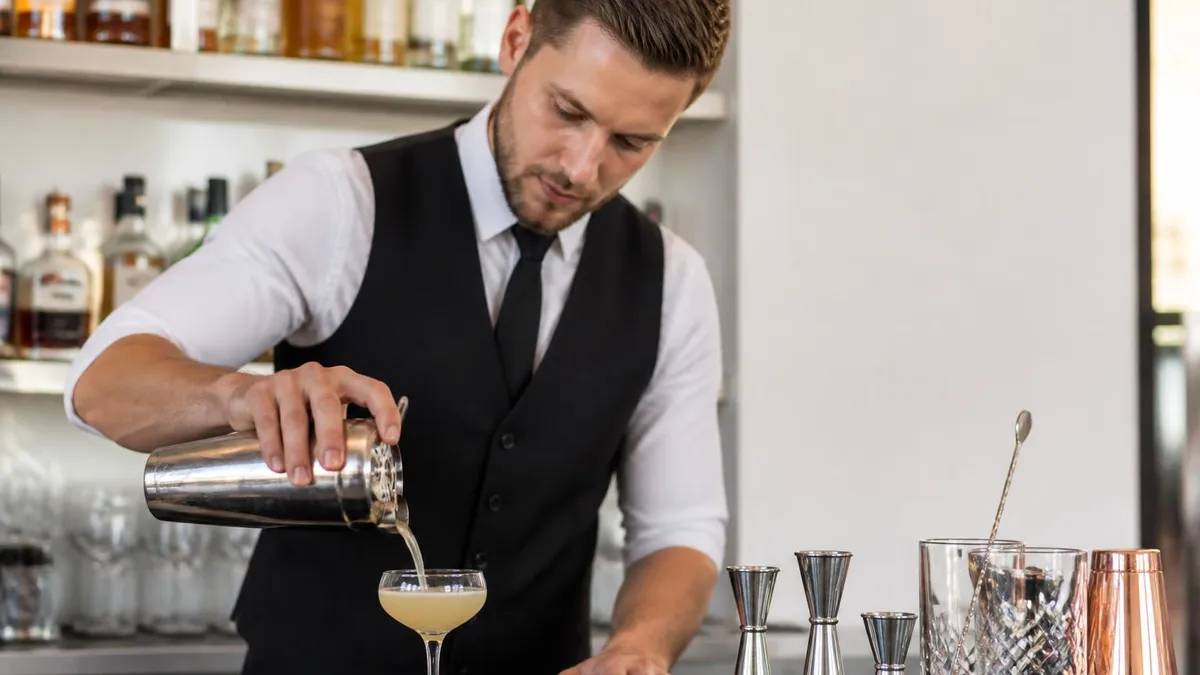
Bartending Classes Near Me: How to Find, Compare, and Choose the Right Local Training Program in 2026
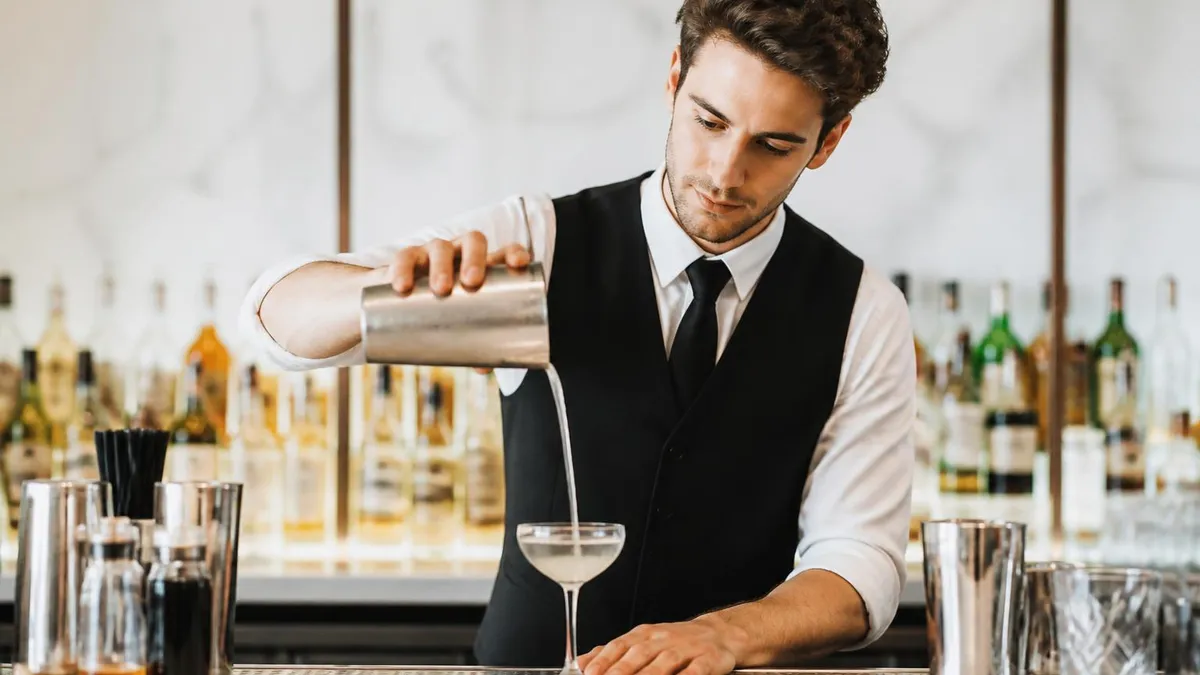
How to Become a Bartender by State: Complete Requirements Guide for All 50 States

Did Ed Gein Really Kill the Bartender? The True Crime Myth vs. Bartending Reality

Mobile Bartending Names: 200+ Ideas to Brand Your Cocktail Business in 2026
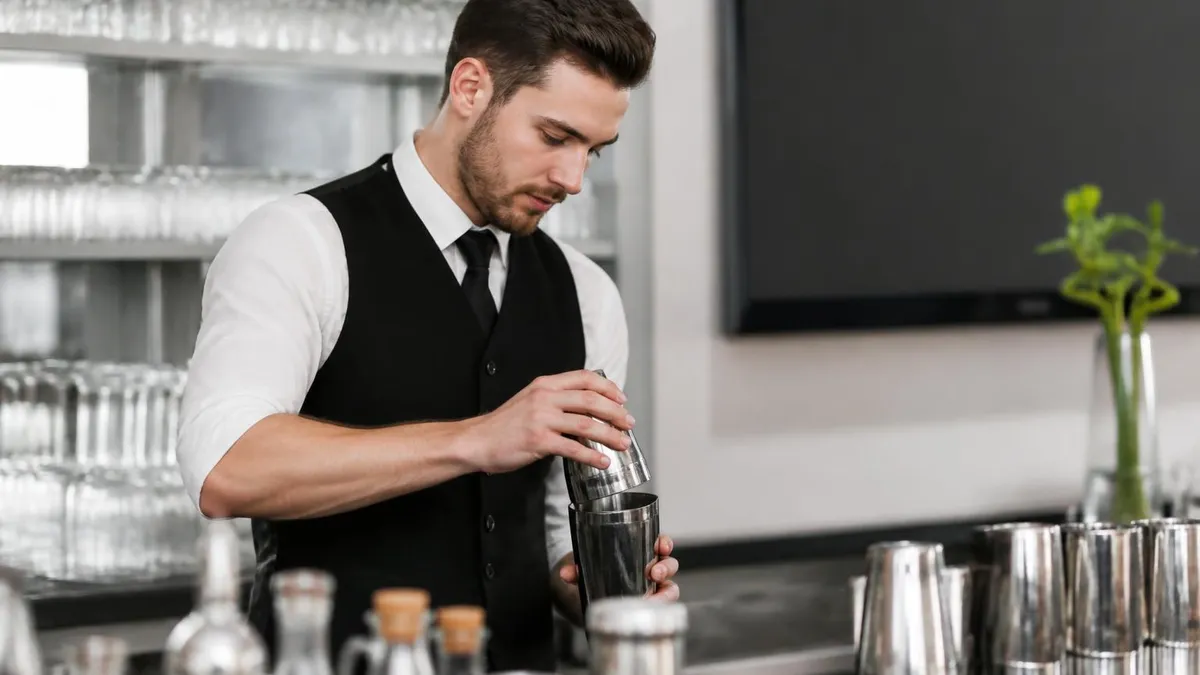
Bartender Salary Maryland: Complete Pay Guide by City, Venue, and Experience for 2026
About the Author
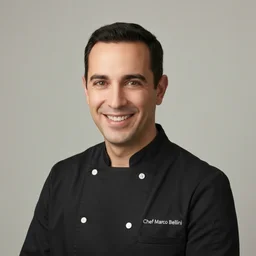
Executive Chef & Culinary Arts Certification Educator
Culinary Institute of AmericaChef Marco Bellini is a Certified Executive Chef and graduate of the Culinary Institute of America with over 20 years of professional kitchen experience in Michelin-recognized restaurants. He teaches culinary arts certification, food safety, and hospitality exam preparation, having guided thousands of culinary students through their ServSafe, ProStart, and professional chef certifications.
Join the Discussion
Connect with other students preparing for this exam. Share tips, ask questions, and get advice from people who have been there.
View discussion (7 replies)