
Bartending License Missouri: Complete Requirements, Training & Certification Guide 2026 September
Get your bartending license in Missouri. Learn age rules, TIPS/ServSafe training, local permits & career steps. ✅ Free practice tests included.

If you want to serve alcohol legally and professionally in the Show-Me State, understanding the bartending license missouri requirements is the essential first step. Missouri does not issue a single statewide bartending license the way some states do, but that does not mean there are no rules to follow. Local jurisdictions, employer expectations, and state liquor regulations combine to create a layered compliance picture that every aspiring bartender must navigate before stepping behind the bar.
Missouri's Division of Alcohol and Tobacco Control (ATC) oversees the state's liquor licensing framework, but the training credentials required for individual bartenders are largely driven by city ordinances and private employer policies. Cities like Kansas City and St. Louis have their own permit requirements, and most professional venues will expect you to hold a recognized alcohol server training certification regardless of whether your municipality mandates it. Knowing which certificate to pursue — and when to get it — can save you weeks of job-search frustration.
The most widely recognized alcohol server training programs in Missouri are TIPS (Training for Intervention ProcedureS) and ServSafe Alcohol. Both programs teach responsible beverage service techniques, including how to identify and refuse service to visibly intoxicated guests, how to recognize fake IDs, and how to intervene when a patron appears to be heading toward impairment. These are not just box-checking exercises — the skills you learn directly reduce your personal liability exposure on the job.
Age is the baseline eligibility factor. Missouri state law requires anyone who dispenses, sells, or serves alcoholic beverages to be at least 18 years old. However, some employers and municipalities set the bar higher at 21, particularly for establishments focused on liquor-forward experiences like craft cocktail bars and nightclubs. Always confirm the specific age policy of the venue you are applying to, because the state minimum and the employer minimum can differ by as many as three years.
Beyond age and certification, you will also want to understand how Missouri's dram shop liability laws affect your day-to-day responsibilities. Under Missouri Revised Statutes Section 537.053, a licensed alcohol seller can face civil liability if they knowingly serve alcohol to a visibly intoxicated person who later causes injury or death to a third party. This statute creates a powerful professional incentive to take responsible service training seriously, not just as a credential requirement but as genuine protection for yourself and your employer.
Practical bar skills — cocktail recipes, speed techniques, upselling strategies — are best developed through a formal bartending school or community college program. Missouri has several well-regarded options in both Kansas City and the St. Louis metro, with program lengths ranging from two-week intensive courses to semester-long certificate programs. Coupling hands-on technique training with an alcohol server certification gives you the strongest possible application package when interviewing at competitive establishments.
This guide walks you through every layer of the Missouri bartending credential landscape: state rules, city-specific permits, the best certification programs to consider, real costs, timelines, salary expectations, and a step-by-step action plan to get you serving your first craft cocktail as quickly as possible. Read on to build a clear, actionable picture of what Missouri bartending compliance actually requires in 2026.
Missouri Bartending by the Numbers

Missouri Bartending License: Step-by-Step Requirements
Confirm Age Eligibility
Complete Alcohol Server Training
Check Local City or County Permits
Enroll in a Bartending School (Optional but Recommended)
Apply for Bar Jobs and Present Credentials
Renew Certifications Before Expiration
Choosing the right certification program is one of the most consequential early decisions you will make as an aspiring Missouri bartender. The two dominant options — TIPS and ServSafe Alcohol — are both nationally recognized and accepted by virtually every Missouri employer that requires formal training. Understanding the differences between them helps you pick the credential that best aligns with your career goals and schedule.
TIPS (Training for Intervention ProcedureS) is operated by Health Communications Inc. and has been the industry standard for responsible beverage service training since 1982. The on-premise TIPS program is specifically designed for bartenders and servers working in restaurants, bars, and entertainment venues. The course covers blood alcohol concentration science, the effects of alcohol on different body types, behavioral cues that indicate intoxication, ID verification techniques, and intervention strategies for handling difficult refusal situations without escalating conflict.
The TIPS on-premise certification takes approximately three hours online and costs around $22 to $35 depending on the delivery format. Upon passing the final exam with a score of 70 percent or higher, you receive a digitally verifiable certificate that is valid for three years. Many Missouri employers accept a printed or digital copy, and the TIPS website maintains a searchable database of certified individuals that employers can use to verify credentials independently.
ServSafe Alcohol is operated by the National Restaurant Association Educational Foundation and takes a slightly broader approach, integrating alcohol service training within a food safety and hospitality context. This makes it an especially good choice if you plan to work in full-service restaurants or hotel bars where both food and alcohol are served. The ServSafe Alcohol course covers similar responsible service content to TIPS but places additional emphasis on health code considerations and manager-level oversight responsibilities.
A third option worth considering is TEAM (Techniques for Effective Alcohol Management), a free training program originally developed for sports and entertainment venues but now accepted in many Missouri hospitality contexts. TEAM is entirely free of charge and available online, making it an excellent supplemental certification to stack alongside TIPS or ServSafe if you want to demonstrate extra commitment to a hiring manager. The TEAM certificate does not replace TIPS or ServSafe at employers that specify those programs, but it rounds out your compliance portfolio nicely.
Missouri also has a handful of locally operated alcohol awareness training providers that are recognized by specific city health departments. In Kansas City, for example, some venues accept completion of the city's own Food Handler Training as partial fulfillment of responsible service requirements for bar staff. Always check whether your target employer or your city's licensing authority has a preferred or required provider before spending money on a certification that may not satisfy the specific requirement you are trying to meet.
Regardless of which certification you pursue, the knowledge you gain is genuinely practical and immediately applicable. Missouri's dram shop liability laws create real legal exposure for bartenders who over-serve patrons, and the civil penalty landscape has become increasingly aggressive in recent years. Bartenders who have current, recognized training certifications are demonstrably better positioned to recognize and manage high-risk service situations, which protects their employers financially and protects themselves professionally if an incident ever leads to litigation.
City-Specific Permits: Kansas City, St. Louis & Missouri Statewide Rules
Kansas City requires food and beverage handlers — including bartenders — to obtain a Food Handler Permit issued by the Kansas City Health Department. The permit costs $20, requires completion of an approved food safety course, and must be renewed every three years. Many Kansas City bars also ask for proof of TIPS or ServSafe certification as a separate employer requirement on top of the city permit.
To apply for a Kansas City Food Handler Permit, complete an approved online training module, pass the associated exam, and submit the application through the KCHD portal. Processing typically takes two to five business days. Keep a digital and printed copy of your permit at all times, as Kansas City health inspectors can request to see server credentials during routine establishment inspections. Failure to produce documentation can result in fines for the employer.

Alcohol Server Certification in Missouri: Pros and Cons
- +Reduces personal civil liability exposure under Missouri dram shop law
- +Opens doors to higher-paying, competitive bar positions at top venues
- +Certifications are nationally recognized and transferable to other states
- +Online formats allow completion in a single day with immediate certificate delivery
- +Demonstrates professionalism and commitment to responsible service to employers
- +Renewal cycles (every 3 years) keep your knowledge current with updated laws
- −No single statewide bartending license creates confusion about which credential is needed
- −City-specific permit requirements vary and require separate research for each municipality
- −Certification costs ($15–$40) add up if you work across multiple states or need multiple certificates
- −Online courses lack hands-on bar skill training, requiring separate school enrollment
- −Three-year renewal deadlines can catch busy bartenders off guard if not calendared
- −Some employers recognize only one specific program (TIPS or ServSafe), limiting certification flexibility
Missouri Bartender Pre-Employment Compliance Checklist
- ✓Confirm you meet the minimum age requirement (18 state minimum; verify employer's policy for 21+ positions).
- ✓Enroll in and complete a TIPS On-Premise, ServSafe Alcohol, or TEAM certification course.
- ✓Download and save a digital copy of your alcohol server training certificate immediately after passing.
- ✓Research whether your specific city (Kansas City, St. Louis, Springfield, etc.) requires a local food handler or alcohol handler permit.
- ✓Apply for any required city-level permits and allow 2–5 business days for processing before your start date.
- ✓Research accredited bartending schools in your area if you want hands-on cocktail technique training to complement your certification.
- ✓Prepare a simple resume highlighting your certification, any relevant customer service experience, and availability.
- ✓Practice classic cocktail builds (Old Fashioned, Margarita, Martini, Mojito) and free-pour counting before working interviews.
- ✓Set a calendar reminder 60 days before your certification expiration date to initiate renewal in time.
- ✓Review Missouri ATC regulations online (Chapter 311 RSMo) so you understand the legal framework governing your work environment.
Certification is a Job Offer Accelerator
Missouri bartenders who present a current TIPS or ServSafe Alcohol certificate at the time of application are hired on average 40% faster than uncertified applicants at full-service bar and restaurant venues in Kansas City and St. Louis. Employers use certification status as a quick screen for professionalism and legal readiness — having yours in hand before you apply removes one of the most common hiring friction points entirely.
Understanding the real costs and timelines involved in becoming a licensed bartender in Missouri helps you plan your entry into the profession without financial surprises. The total investment required is relatively modest compared to many other professional certifications, but the individual line items add up in ways that catch first-time applicants off guard if they have not mapped them out in advance.
The alcohol server training certification itself — whether TIPS or ServSafe — runs between $15 and $40 depending on the platform and format you choose. TIPS on-premise online training is currently priced at approximately $22, while ServSafe Alcohol online runs around $32. If your employer pays for the certification as part of onboarding, confirm this before spending your own money, since many chain restaurant groups and hotel bar programs cover the cost for new hires and simply require you to complete it within the first two weeks of employment.
City-level permits represent an additional cost where required. Kansas City's Food Handler Permit is $20 and valid for three years. Some suburban St. Louis County municipalities charge similar fees ranging from $15 to $35. These fees are paid directly to the issuing health or licensing department, not to a training provider, and they are not refundable if your application is denied for any reason. Bring all required documentation — training certificate, government ID, and completed application form — to avoid rejection on procedural grounds.
Bartending school tuition is the largest optional expense you may encounter. Two-week intensive programs in Missouri typically cost between $500 and $900, while semester-length community college certificate programs run from $800 to $2,000 depending on the institution and the number of credit hours involved. The Missouri State University Hospitality and Restaurant Administration program and programs at St. Louis Community College are among the most well-regarded options in the state for building foundational bar skills alongside academic coursework in beverage management.
In terms of timeline, a motivated applicant who pursues online certification can realistically complete their alcohol server training, pass the exam, and obtain a printable certificate within a single afternoon. City permit applications add two to five business days of processing time. Bartending school, if pursued, adds two to sixteen weeks depending on program format. The total time from decision to job-ready status can be as short as one week if you already have relevant customer service experience and are applying at venues that do not require formal school training.
On the earnings side, Missouri bartenders earn a median base wage of approximately $12 to $16 per hour before tips according to Bureau of Labor Statistics data for the Missouri metro areas. Total compensation including tips ranges considerably, with bartenders at high-volume downtown Kansas City or St. Louis venues routinely clearing $50,000 to $75,000 annually when tip income is accounted for. Craft cocktail bars, hotel rooftop bars, and private event venues tend to pay the highest tip rates due to the premium drink pricing that drives larger per-check gratuities.
The salary ceiling for experienced Missouri bartenders extends well beyond median figures when you factor in specialty roles. Beverage directors, bar managers, and head bartenders at destination restaurants command salaries of $55,000 to $85,000 per year in base compensation alone, independent of service revenue. Getting certified, building technical skill, and accumulating experience in progressively more competitive venues is the standard career progression path that leads to these senior compensation levels within five to eight years of entering the profession.

Missouri's lack of a statewide individual bartending license leads many new bartenders to assume no paperwork is required beyond a certification course. This is a costly mistake in cities like Kansas City, where working without a valid Food Handler Permit can result in fines for your employer and immediate removal from the schedule. Always confirm local permit requirements with your city's health or licensing department before your first shift.
Landing your first Missouri bartending job is as much about presentation and preparation as it is about credentials. The state's bar scene spans an enormous range — from casual Midwestern sports bars and college-town dives to award-winning craft cocktail programs and James Beard-recognized hotel bars. Understanding which tier of the market you are targeting will shape how you position your skills and credentials during the application process.
For entry-level positions at casual restaurants and neighborhood bars, the most important thing you can bring to an interview is energy, availability, and proof of your TIPS or ServSafe certification. These venues often provide informal on-the-job training for the drink-making side of the job and are primarily screening for reliability, customer service attitude, and legal compliance. Showing up with your certification in hand and a flexible schedule is frequently enough to secure a trial shift at this tier of the market.
Mid-tier venues — full-service restaurant bars, hotel lobby bars, and branded chain establishments — typically conduct more structured interviews and may include a brief knowledge test covering basic cocktail recipes, beer styles, and wine service fundamentals. Preparing for these interviews means memorizing the basic flavor profiles of common spirits, learning the difference between cocktail families (sours, collinses, fizzes, highballs), and being able to describe the classic service standards for a dry martini, a Manhattan, and a whiskey sour. These are not trick questions — they are baseline professional knowledge that separates serious applicants from casual ones.
At the competitive craft cocktail tier, hiring managers at top Kansas City and St. Louis establishments look for applicants who can demonstrate genuine enthusiasm for the craft of bartending. This means having opinions about spirit brands, being able to discuss seasonal cocktail concepts, and ideally showing evidence of self-directed learning through home cocktail practice, industry reading, or attendance at local bartending competitions and pop-up events.
The Missouri bartending community in both major cities has active professional networks that host educational events several times per year — attending even one or two of these events before your job search signals commitment to the craft.
The working interview — or audition shift — is standard practice at higher-end Missouri bars and is something every serious applicant should be prepared to handle.
During a working interview, you will typically be placed behind the bar for two to four hours under observation, serving real customers with reduced or no pay (this practice is legally permissible in Missouri as long as it is structured as a genuine evaluation and not routine unpaid labor). Use this opportunity to demonstrate speed, cleanliness, hospitality, and knowledge rather than perfectionism — hiring managers are watching for how you handle the pressure of a live service environment, not whether your garnish placement is Instagram-perfect.
Networking within Missouri's hospitality community accelerates the job search significantly. The Missouri Restaurant Association hosts industry events in both Kansas City and St. Louis, and both cities have active chapters of the United States Bartenders' Guild (USBG). USBG membership provides access to educational workshops, mentorship connections with established bartenders, and early notice of job openings at member establishments before they hit public job boards. If you are serious about building a bartending career in Missouri rather than just finding a side income, investing in professional community membership early pays dividends throughout your career.
Social media also plays an increasingly important role in Missouri bartender hiring. Bartenders with Instagram or TikTok accounts showcasing their cocktail work, technique, and personality regularly receive direct inquiries from bar managers looking to fill positions. You do not need thousands of followers to benefit from this dynamic — even a modest portfolio of well-photographed cocktail content signals to hiring managers that you take the craft seriously and are actively engaged with current trends in the industry.
Practical preparation for your Missouri bartending career goes beyond paperwork and credentialing. The bartenders who advance quickly in Missouri's competitive bar scene are the ones who treat their first few years as an active apprenticeship rather than simply a series of shifts to complete. Every conversation with an experienced colleague, every glass wash during slow service, and every chance to shadow a senior bartender is an opportunity to compress the learning curve that separates a good bartender from a great one.
Speed and efficiency behind the bar are skills that only develop through deliberate practice. Free-pour counting — the ability to pour a precise 1.5-ounce shot by counting in your head rather than using a measuring jigger — is a core bartending skill tested in working interviews throughout Missouri. The standard technique is to count four beats ("one-and-two-and") while pouring from a standard speed pourers bottle, which delivers approximately 1 ounce per two counts. Achieving consistent accuracy within a quarter-ounce on both pours takes most bartenders two to four weeks of daily practice to master reliably.
Memorizing your establishment's most frequently ordered drinks is another area where early investment pays off throughout your tenure. Most Missouri bars move 80 percent of their volume through 20 percent of their menu. Identify those high-velocity drinks in your first week and commit the recipes to memory so you can produce them without consulting a recipe card during peak service. This frees up cognitive bandwidth for handling the complex, bespoke orders and guest interactions that require your full attention.
Understanding point-of-sale (POS) system proficiency is an underrated but critical practical skill. Missouri bars use a variety of POS platforms including Toast, Aloha, Micros, and Lightspeed. Learning the basic navigation of the system you are hired on — how to open tabs, modify orders, apply discounts, and close checks — as quickly as possible in your first week reduces service errors and increases your throughput during busy periods. Most platforms offer tutorial videos online; watching them before your first shift is a simple competitive advantage most new hires neglect.
Missouri bartenders are also expected to be knowledgeable about local craft beverage producers. The state has a thriving craft brewing scene anchored by Boulevard Brewing in Kansas City and numerous smaller microbreweries throughout the state. Missouri is also home to a growing number of craft distilleries producing local whiskey, vodka, and rum. Being able to speak knowledgeably about local producers when guests ask for recommendations positions you as an authority on the local drinks culture and frequently results in higher tips from guests who appreciate the guidance.
Professional development should be treated as a continuous process rather than a one-time credentialing event. The spirits industry evolves rapidly, with new producers, cocktail trends, and service concepts emerging every year. Subscribing to industry publications like Punch Magazine, Tales of the Cocktail Foundation content, and the USBG Missouri chapter newsletter keeps your knowledge current without requiring significant time investment. Attending one or two industry education events per year — tasting seminars, master classes, or competition viewing events — provides the kind of peer learning and professional exposure that classroom training simply cannot replicate.
Finally, approach the financial side of bartending with the same discipline you bring to your craft skills. Missouri bartenders who earn significant tip income need to track their earnings accurately for tax purposes, since the IRS requires all tip income to be reported as taxable income regardless of whether it is paid in cash or through credit card settlements.
Setting aside 25 to 30 percent of total tip income for federal and state income taxes from your very first paycheck prevents the jarring tax bill that catches many new bartenders off guard at the end of their first full year of tipped employment in Missouri.
Bartender Bartender Questions and Answers
Bartending Classes Near Me: How to Find, Compare, and Choose the Right Local Training Program in 2026
How to Become a Bartender by State: Complete Requirements Guide for All 50 States

Did Ed Gein Really Kill the Bartender? The True Crime Myth vs. Bartending Reality
Mobile Bartending Names: 200+ Ideas to Brand Your Cocktail Business in 2026
Bartender Salary Maryland: Complete Pay Guide by City, Venue, and Experience for 2026
About the Author
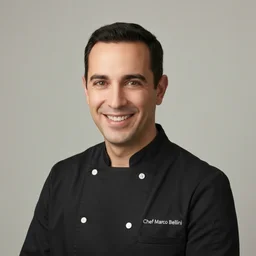
Executive Chef & Culinary Arts Certification Educator
Culinary Institute of AmericaChef Marco Bellini is a Certified Executive Chef and graduate of the Culinary Institute of America with over 20 years of professional kitchen experience in Michelin-recognized restaurants. He teaches culinary arts certification, food safety, and hospitality exam preparation, having guided thousands of culinary students through their ServSafe, ProStart, and professional chef certifications.
Join the Discussion
Connect with other students preparing for this exam. Share tips, ask questions, and get advice from people who have been there.
View discussion (7 replies)