
Bartenders Near Me: How to Find, Hire, and Compare Local Bartender Services
Searching for bartenders near me? Learn how to find, vet, and hire local bartender services, what they cost, and how certification shapes quality in 2026 September. ❓
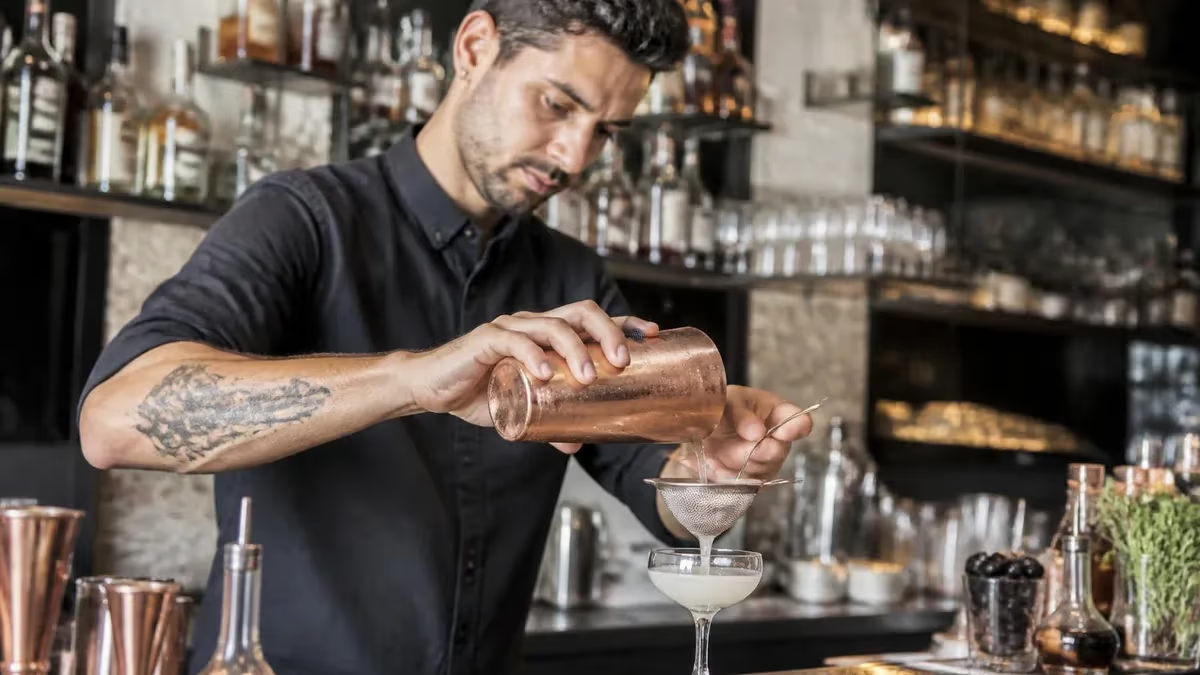
If you have ever typed bartenders near me into a search bar before a wedding, backyard graduation party, or corporate happy hour, you already know how overwhelming the results can feel. Dozens of listings appear, prices swing from forty to over a hundred dollars an hour, and every profile promises flawless service. The challenge is not finding a bartender at all but finding the right one for your specific event, your budget, and your local liquor laws. This guide walks through exactly how to do that, step by step.
Local bartender services have grown into a serious slice of the hospitality economy. As more hosts hire freelance and mobile bartenders instead of relying on venue staff, the gap between a great hire and a regrettable one has widened. A skilled professional keeps a line moving, pours consistent measures, manages intoxicated guests responsibly, and protects you from liability. A weak hire creates long waits, over-pours, wasted product, and awkward moments that guests remember for the wrong reasons long after the party ends.
The phrase "bartender services" actually covers a wide range of offerings. Some providers bring only the labor, expecting you to supply the alcohol, mixers, ice, and glassware. Others arrive with a fully stocked mobile bar, a curated cocktail menu, and their own bartender services tools and equipment. Understanding which model you are buying is the single most important step before you compare prices, because two quotes that look similar on paper can describe completely different levels of service.
Certification and licensing also separate the casual gig worker from the genuine professional. In many states, anyone serving alcohol must hold a responsible-vendor or alcohol-server permit, and some municipalities require a separate bartending license tied to the venue. A bartender who can show current certification signals that they understand intoxication cues, age verification, and the legal limits of service. That paperwork protects both of you, so it deserves real weight in your decision rather than being treated as an afterthought.
Cost is naturally the first thing most people want to know, but raw hourly rate is a misleading number on its own. A bartender charging sixty dollars an hour who arrives early, sets up cleanly, and works fast often costs less per drink served than someone charging forty who shows up late and pours slowly. You have to factor in travel fees, gratuity expectations, minimum hours, insurance, and whether the quote includes setup and breakdown time, which can add an hour or more on each end.
This article is written for the US audience and the realities of the 2026 market. We will cover where to search, how to read a profile, the questions that reveal a true professional, the documents you should request, the red flags that should end a conversation, and the role that bartender certification plays in the quality you ultimately receive. Whether you are hosting twelve guests or two hundred, the framework below will help you spend confidently.
By the end you will have a repeatable checklist you can use for this event and every future one. You will know what a fair quote looks like in your region, how to confirm a bartender is legally allowed to serve, and how to set expectations so the day runs smoothly. Let us start with the numbers that define this market, then move into the practical mechanics of finding and hiring the right person near you.
Bartender Services by the Numbers
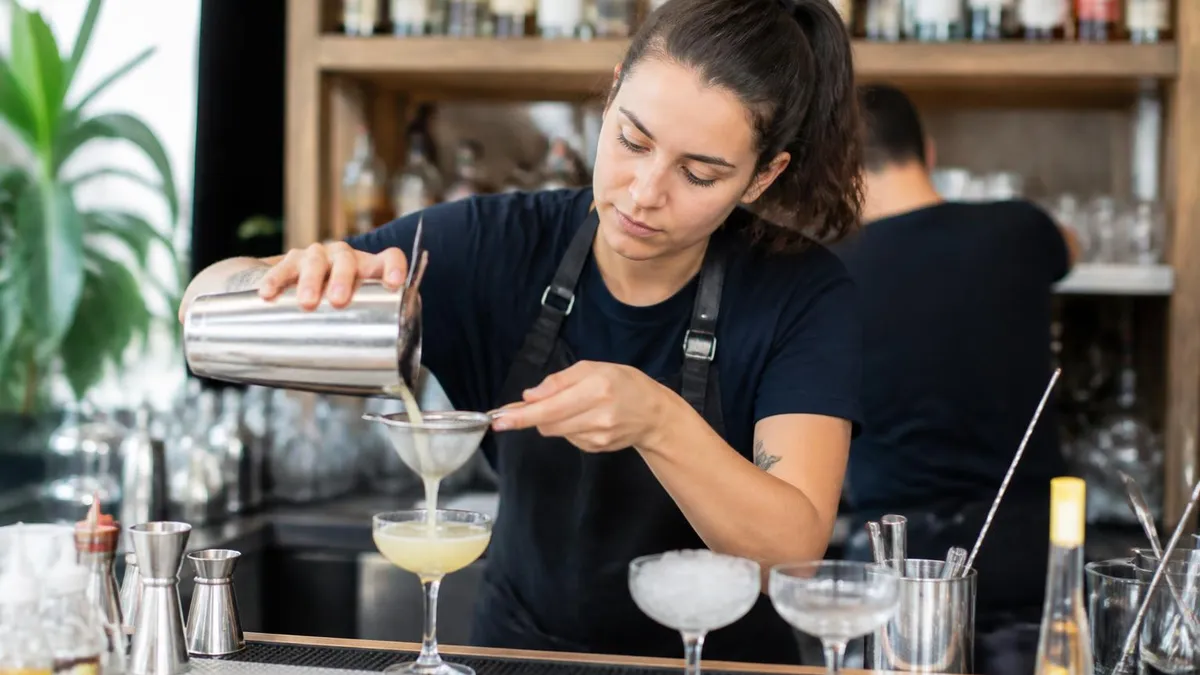
Types of Bartender Services You Can Hire
You provide all alcohol, mixers, ice, and glassware; the bartender brings skill and tools. This is the cheapest model and works well when you already have leftover product or want full control over what is served at your event.
A fully equipped traveling bar arrives with portable counters, coolers, garnishes, and sometimes a curated menu. Ideal for outdoor weddings or venues with no built-in bar, though it commands a noticeably higher price point.
The provider supplies bartenders plus mixers, ice, and glassware while you buy the alcohol under a BYOB model. This often saves money because retail liquor is cheaper than marked-up beverage packages from venues.
Everything is included: licensed staff, premium spirits, signature cocktails, and liability insurance. The most expensive option, but the most turnkey, leaving you free to host while professionals manage every aspect of the bar.
Knowing where to search dramatically narrows the field. The instinct is to open a search engine and scroll through whatever surfaces, but the strongest local bartenders are often found through specialized event-staffing platforms, regional Facebook groups, and referrals from caterers and wedding planners who work with the same professionals repeatedly. These sources tend to surface people with track records, reviews you can verify, and accountability that a random one-off listing simply cannot match in most markets.
General gig marketplaces like Thumbtack, Bark, and GigSalad let you post your event details and receive multiple quotes within hours. The advantage is speed and comparison; the disadvantage is that quality varies widely and you must do your own vetting. Read every review with a skeptical eye, looking for specifics about punctuality, drink quality, and how the bartender handled problems. Generic five-star praise with no detail is far less useful than a single thoughtful review describing a real situation.
Local Facebook event groups and Nextdoor neighborhood posts are underrated. Hosts in your area often share names of bartenders they loved, complete with photos and honest commentary. Because these recommendations come from real neighbors with no financial incentive, they carry weight. Search past posts for terms like "bartender recommendation" before posting your own request, and you may discover that the same two or three names keep appearing, which is a strong signal of consistent local quality.
Caterers and venue coordinators are perhaps the best-kept secret. They watch bartenders work dozens of events a year and know exactly who shows up early, who runs out of ice, and who keeps guests happy. If you have already booked a caterer, ask for their preferred bartender list. Many will happily share names because a smooth bar makes their own service look better, and the professionals they recommend already understand how to coordinate with a kitchen team.
When you do use search engines, refine your queries beyond the basic phrase. Add your city, your event type, and qualifiers like "insured" or "licensed" to filter out hobbyists. Examine each candidate's website or profile for photos of real events, a clear service menu, transparent pricing, and proof of certification. A professional who invests in presenting their business well usually invests the same care into the events they work, while a thin or outdated profile often hints at an equally casual approach.
Finally, expand your search radius thoughtfully. The closest bartender is not always the best value, but hiring someone two hours away usually means travel fees that erase any savings. A good rule is to search within a thirty to forty-five minute drive of your venue first, then widen only if the local pool is genuinely thin. Booking early matters too; the best local bartenders fill weekend dates months ahead, especially during peak wedding and holiday seasons.
Once you have a short list of three to five candidates, you are ready to compare them on the factors that actually predict a great event. Resist the urge to simply pick the cheapest quote. Instead, weigh experience, certification, communication speed, and the clarity of their proposal together. The next sections give you the exact pricing knowledge and vetting questions to turn that short list into a confident, well-informed hire you will be glad you made.
Understanding Local Bartender Services
Most local bartenders in the US charge between forty and one hundred dollars per hour, with rates depending on region, experience, and whether the booking is labor-only or full service. Major metro areas like New York, Los Angeles, and Chicago sit at the higher end, while smaller markets run cheaper. Expect a minimum booking of three to five hours, since no professional travels to set up a bar for a single hour of paid work.
Always ask whether the quoted rate includes setup and breakdown time, which can add ninety minutes or more to the total. Some bartenders bill a flat event rate instead of hourly, which makes budgeting simpler. Compare quotes on total cost for your full timeline, not the headline hourly figure, because a higher hourly rate with no extra fees often beats a low rate buried under add-ons and surprise charges.
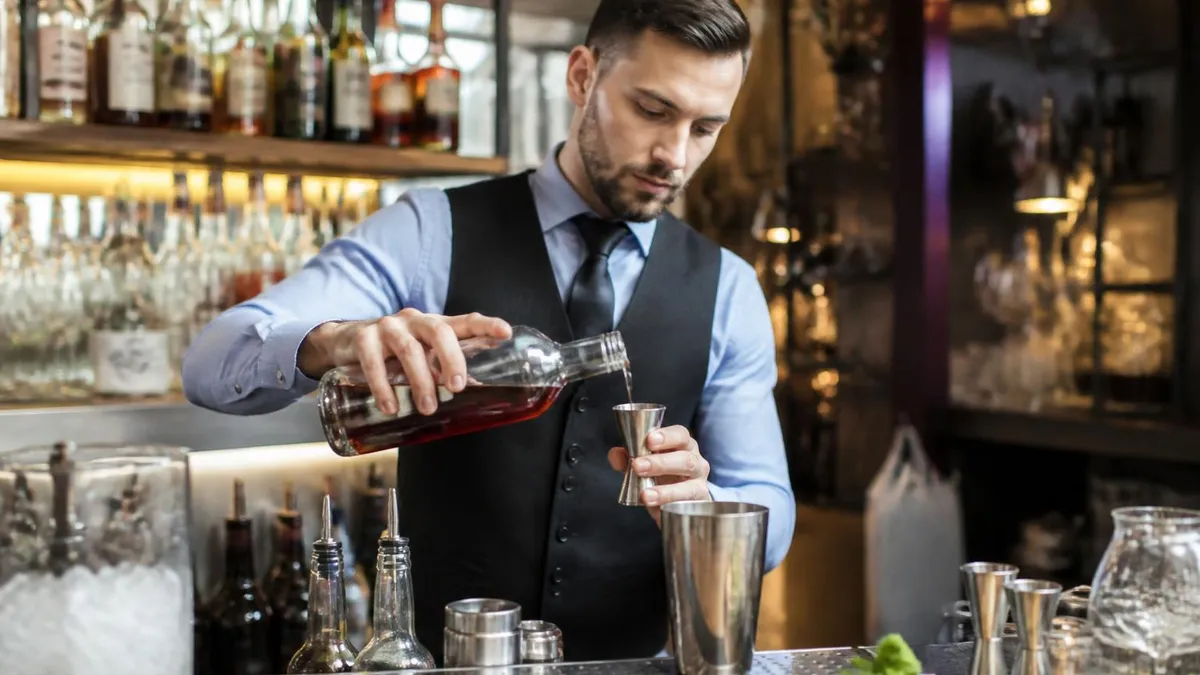
Hiring a Local Bartender vs. Self-Serving Your Event
- +Faster service keeps drink lines short and guests happy
- +Responsible service reduces your liability for over-intoxicated guests
- +Consistent, properly measured pours control your alcohol costs
- +You stay free to host instead of working behind the bar all night
- +Professionals handle cleanup, restocking, and waste management
- +Licensed bartenders verify IDs and refuse service when appropriate
- +Curated cocktail menus elevate the overall guest experience
- −Hourly rates and fees add a meaningful line to your budget
- −Minimum booking hours may exceed your actual event length
- −Travel charges apply for venues outside the service radius
- −Quality varies, so vetting takes time and effort
- −Peak weekend dates book up months in advance
- −Last-minute bookings often cost a premium or are unavailable
Pros and Cons at a Glance
| Pros | Cons |
|---|---|
| Faster service keeps drink lines short and guests happy | Hourly rates and fees add a meaningful line to your budget |
| Responsible service reduces your liability for over-intoxicated guests | Minimum booking hours may exceed your actual event length |
| Consistent, properly measured pours control your alcohol costs | Travel charges apply for venues outside the service radius |
| You stay free to host instead of working behind the bar all night | Quality varies, so vetting takes time and effort |
| Professionals handle cleanup, restocking, and waste management | Peak weekend dates book up months in advance |
| Licensed bartenders verify IDs and refuse service when appropriate | Last-minute bookings often cost a premium or are unavailable |
Your Bartenders Near Me Hiring Checklist
- ✓Confirm the bartender holds current alcohol-server certification for your state.
- ✓Request proof of liability and liquor liability insurance in writing.
- ✓Verify exactly what the quote includes: labor, tools, mixers, or full bar.
- ✓Ask about travel fees, minimum hours, and overtime rates upfront.
- ✓Read at least five recent reviews with specific, detailed feedback.
- ✓Get a signed contract listing date, hours, guest count, and total cost.
- ✓Clarify whether gratuity is included or expected separately.
- ✓Confirm setup and breakdown time and whether it is billed.
- ✓Discuss the cancellation and weather-contingency policy in advance.
- ✓Share your guest count and venue details so staffing is correct.
- ✓Ask how they handle intoxicated guests and refusal of service.
- ✓Book early to secure your preferred date during peak season.
Plan one bartender for every fifty guests
For a single full bar serving mixed drinks, one bartender comfortably handles about fifty guests. Beer-and-wine-only service can stretch to seventy-five. Add a second bartender past those thresholds or your lines will back up fast during the cocktail-hour rush, no matter how skilled the person behind the bar happens to be.
Certification and licensing are where casual gig workers and true professionals diverge, and they matter more than most hosts realize. In the United States, alcohol service is regulated at the state and sometimes municipal level, and many jurisdictions require anyone serving liquor to hold a responsible-vendor or alcohol-server permit. Programs like ServSafe Alcohol and TIPS train servers to recognize intoxication, verify identification correctly, and understand the legal consequences of over-serving. A bartender who carries current certification is demonstrably safer to hire.
Requirements vary significantly from state to state, which is why doing a little homework pays off. Some states mandate certification statewide, others leave it to individual counties or cities, and a handful have no formal requirement at all. A few states, including Wisconsin, require a specific operator's or bartender's license tied to the venue where alcohol is served. If you are unsure what applies where you live, our guide to bartending license requirements by state breaks down the rules clearly so you can ask the right questions.
Liability is the real reason certification should weigh heavily in your decision. Under dram-shop and social-host laws in many states, the person or business that serves alcohol to a visibly intoxicated guest who later causes harm can be held legally responsible. A certified bartender knows how to spot the warning signs and cut someone off gracefully, which protects your guests, the bartender, and you as the host. That training is not a formality; it is genuine risk management for your event.
Beyond the legal permit, ask whether the bartender or their company carries liability insurance, and specifically liquor liability coverage. General liability protects against slips and broken glasses, but only liquor liability addresses alcohol-related incidents. Reputable mobile bar companies carry both and can produce a certificate of insurance on request. If a provider hesitates or cannot show proof, treat that as a serious warning sign rather than a minor inconvenience you can overlook for a slightly cheaper rate.
Age requirements add another layer worth confirming. The legal minimum age to serve or even handle alcohol behind a bar differs by state, ranging from eighteen to twenty-one depending on the role and setting. If you are hiring a younger bartender, make sure they are legally permitted to serve in your jurisdiction. Our overview of state-by-state age rules spells out exactly where the lines fall so you do not accidentally hire someone who cannot legally pour.
Certification also correlates strongly with overall professionalism, even beyond the legal protections. Bartenders who invest in getting certified tend to take the craft seriously, maintain better hygiene practices, manage inventory carefully, and present themselves more reliably. The same person who took a TIPS course is usually the one who arrives early, brings backup supplies, and communicates clearly. Treat certification as a proxy for conscientiousness, not merely as a box to check on a compliance form.
When you interview candidates, ask directly: Are you certified, and can you show me proof? What is your insurance coverage? How do you handle a guest who has had too much? Their answers reveal volumes. A professional responds calmly with specifics and offers documentation without prompting. Vague answers, defensiveness, or surprise that you would even ask are reliable signals that you should keep looking. The right bartender welcomes these questions because they confirm you are a host who takes the event as seriously as they do.
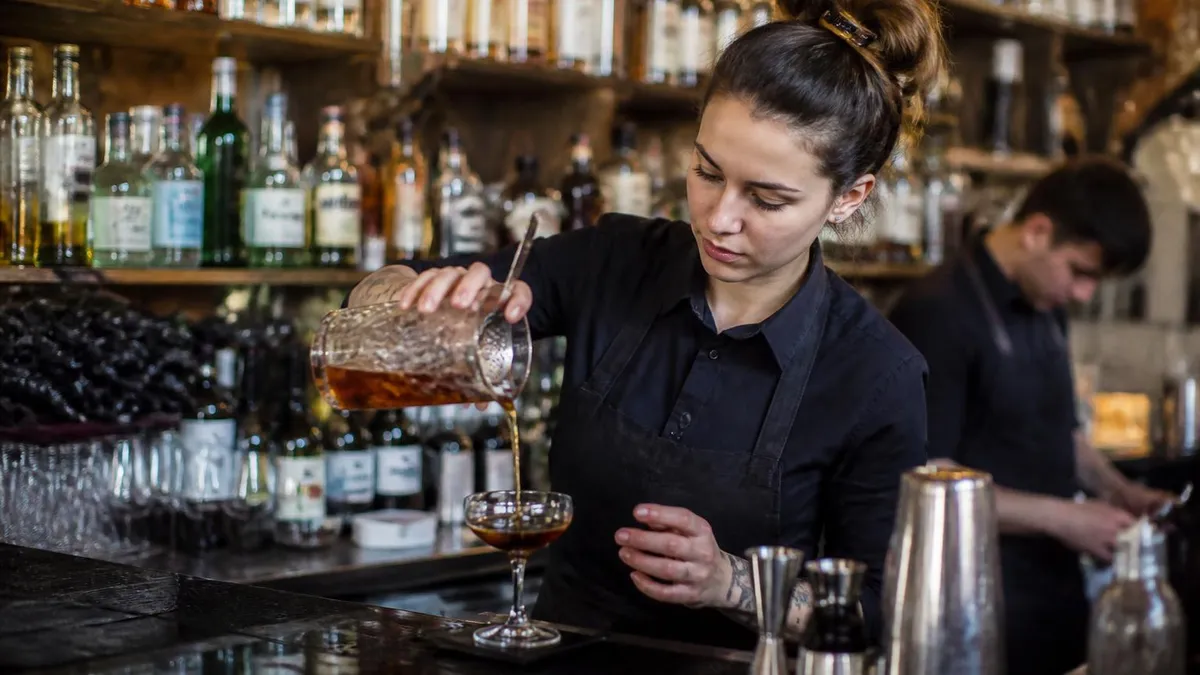
Never book a bartender or mobile bar without confirming liquor liability insurance in writing. If an intoxicated guest causes an accident, an uninsured server can leave you personally exposed under dram-shop and social-host laws. Request a certificate of insurance and read the cancellation clause before paying any deposit.
Vetting for quality goes beyond checking credentials; it is about predicting how someone will perform under the pressure of a real event. The single most reliable predictor is relevant experience. A bartender who has worked fifty weddings knows how to pace a cocktail hour, coordinate with a caterer, and stay calm when two hundred guests descend on the bar at once. Ask how many events like yours they have worked recently, and listen for specific, confident detail rather than vague reassurance about being able to handle anything.
Reviews remain invaluable when you read them carefully. Skim past the star rating and look for patterns in the written feedback. Do multiple reviewers mention punctuality, friendliness, and drink quality? Does anyone describe how the bartender handled a problem, like running low on a popular spirit or managing a difficult guest? Negative reviews are especially revealing, not because every business is perfect, but because how a bartender responded to criticism tells you how they will treat you if something goes sideways at your own event.
Communication during the booking process is a live audition. A professional responds promptly, asks thoughtful questions about your guest count and venue, and offers a clear written proposal. Someone who takes days to reply, sends one-line answers, or dodges questions about pricing and insurance is showing you exactly how reliable they will be on event day. The way a bartender handles the easy administrative work predicts how they will handle the hard work when the bar is three deep and the ice is running low.
Ask to see a sample menu or signature cocktail list. A bartender who can speak fluently about cocktails, suggest pairings for your food, and adapt to dietary needs brings a craft sensibility that elevates the whole event. They should also be comfortable scaling down; not every party needs elaborate drinks, and a good professional reads the room. If you want them to bring their own equipment, confirm they have a complete, well-maintained bartender services setup rather than improvising with borrowed tools on the day.
Logistics separate good bartenders from great ones. Discuss the timeline in detail: when they arrive, how long setup takes, how they want the bar area configured, and what they need from you in terms of power, water access, and a back-of-house staging space. A seasoned professional walks you through this proactively and may even ask for photos of the venue. That level of planning is exactly what prevents the small disasters that quietly ruin events, like discovering there is no nearby outlet for the blender.
Trust your instincts during the conversation as well. Bartending is a hospitality role, and personality genuinely matters. The right person is warm, professional, and easy to talk to, because those same qualities are what your guests will experience all night. If someone seems dismissive, rushed, or hard to pin down before you have even paid them, that impression rarely improves once the contract is signed. You are not just buying labor; you are inviting someone to set the tone of your event.
Finally, get everything in writing. A clear contract should list the date, start and end times, guest count, total cost, what is included, the gratuity arrangement, and the cancellation policy. Reputable bartenders provide this without being asked. A handshake deal might feel friendly, but it leaves both parties exposed to misunderstandings. The contract protects you and signals that the bartender runs a real, accountable business. When experience, reviews, communication, and a solid contract all line up, you can book with genuine confidence.
With your bartender booked, a little preparation on your end ensures the day runs as smoothly as their professionalism allows. Start by sharing a clear timeline at least a week ahead: when guests arrive, when the meal is served, when speeches happen, and when the bar should close. Bartenders pace their service around these milestones, slowing pours before dinner and ramping up afterward. The more they know about the flow of your event, the better they can anticipate rushes and avoid both long lines and idle downtime behind the bar.
Confirm the supply logistics in advance, especially for labor-only or dry-hire bookings. If you are providing the alcohol, a good rule of thumb is roughly one drink per guest per hour, then round up for a safety margin. Ice is almost always underestimated; plan for about one and a half pounds per guest when you factor in both chilling and serving. Running out of ice is one of the most common and avoidable event failures, so over-buy and store the surplus in coolers near the bar.
Set up the bar in a smart location. Position it away from the main entrance so lines do not block the door, but central enough that guests find it easily. Ensure there is a power source nearby if blenders or frozen drinks are on the menu, and a water source or large water containers for rinsing. Give the bartender a staging area out of guest sightlines for backup stock, trash, and recycling. These small environmental details have an outsized effect on how fast and clean the service feels.
Communicate any special requests clearly and early. If you want a signature cocktail named after the couple, a non-alcoholic menu for designated drivers and kids, or a strict last-call time, tell the bartender during planning, not on the day. Professionals love a signature drink because it streamlines orders and adds a memorable touch, but they need lead time to source the right ingredients. A thoughtful non-alcoholic selection also signals care for every guest and keeps sober drivers comfortable and included throughout the night.
Plan for responsible service and a graceful close. Agree in advance on how the bartender should handle guests who have clearly had enough, and back them up if they make the call to refuse service; their certification training exists precisely for these moments. Arrange transportation options like rideshare information or a designated-driver plan so no one feels stranded. Closing the bar thirty to sixty minutes before the event ends, while continuing to serve water and coffee, helps guests sober up and leaves everyone with a positive final impression.
Take care of your bartender, and they will take care of your event. Offer them a meal if the event spans dinner, make sure they have water and a brief break during long shifts, and handle the gratuity promptly at the end of the night. A bartender who feels respected works harder, smiles more, and remembers you for future bookings. If they did a great job, leave a detailed review and pass their name along; the referral economy is how the best local professionals build their business.
Finally, do a quick post-event debrief while it is fresh. Note what worked, what you would change, and any feedback worth sharing. Keeping a simple record of the bartender's name, rate, and performance turns your next "bartenders near me" search into a thirty-second decision instead of a fresh research project. Hosting gets easier every time you build on what you learned, and a reliable bartender you can rebook is one of the most valuable contacts in your event-planning toolkit.
Bartender Bartender Questions and Answers
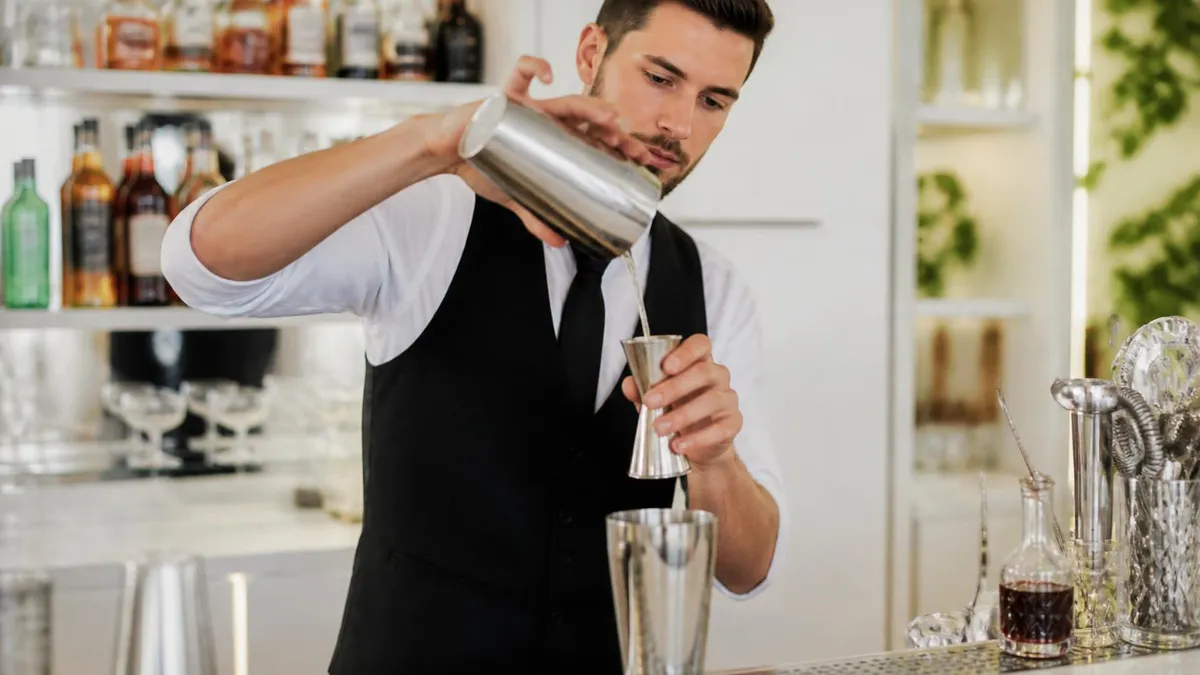
Bartending Kit: The Complete Tool Guide for Certification Prep
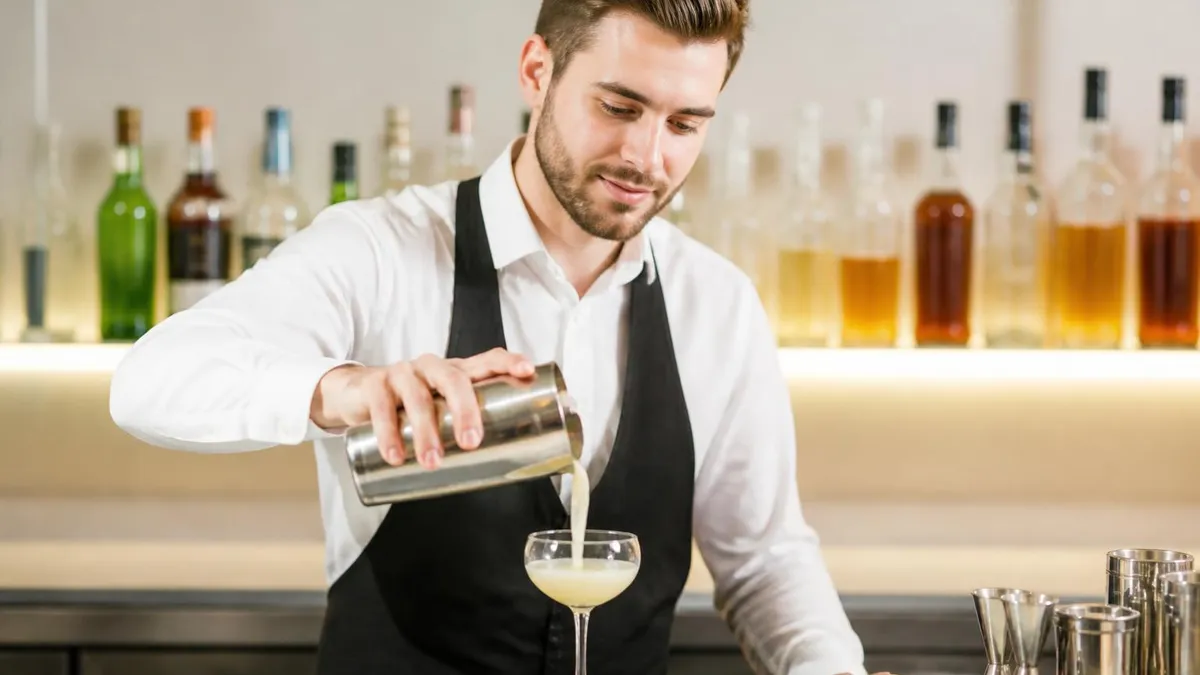
Bartender Age Requirements by State
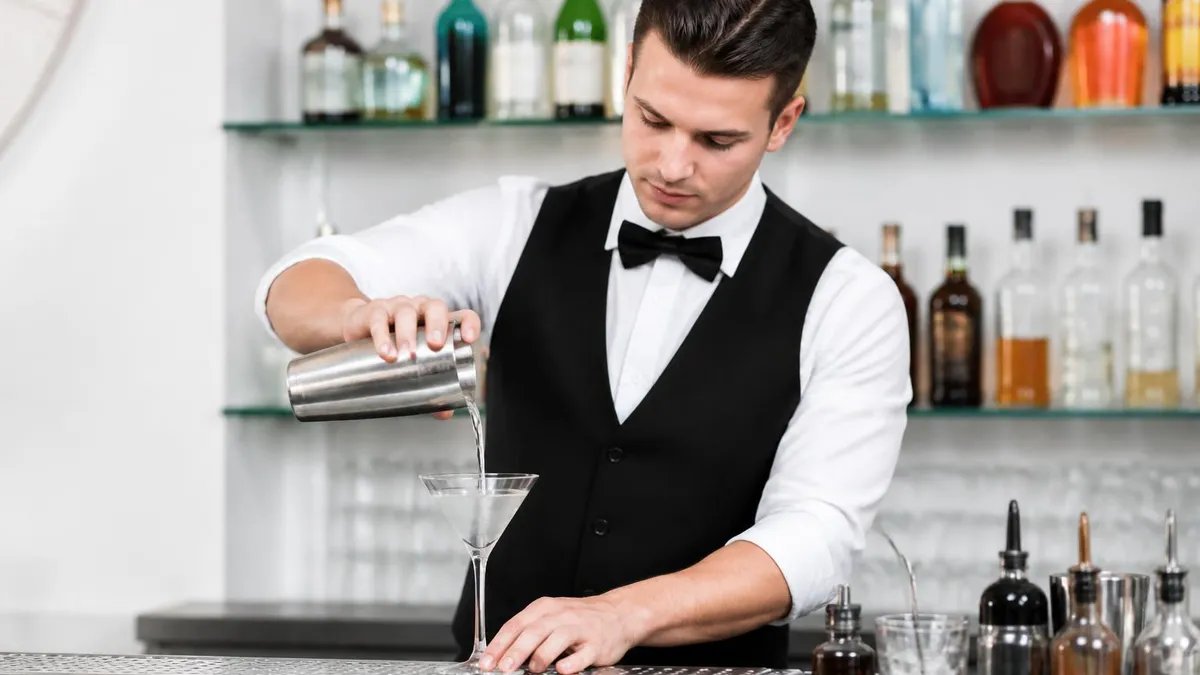
Wisconsin Bartending License: Operator's License Guide 2026
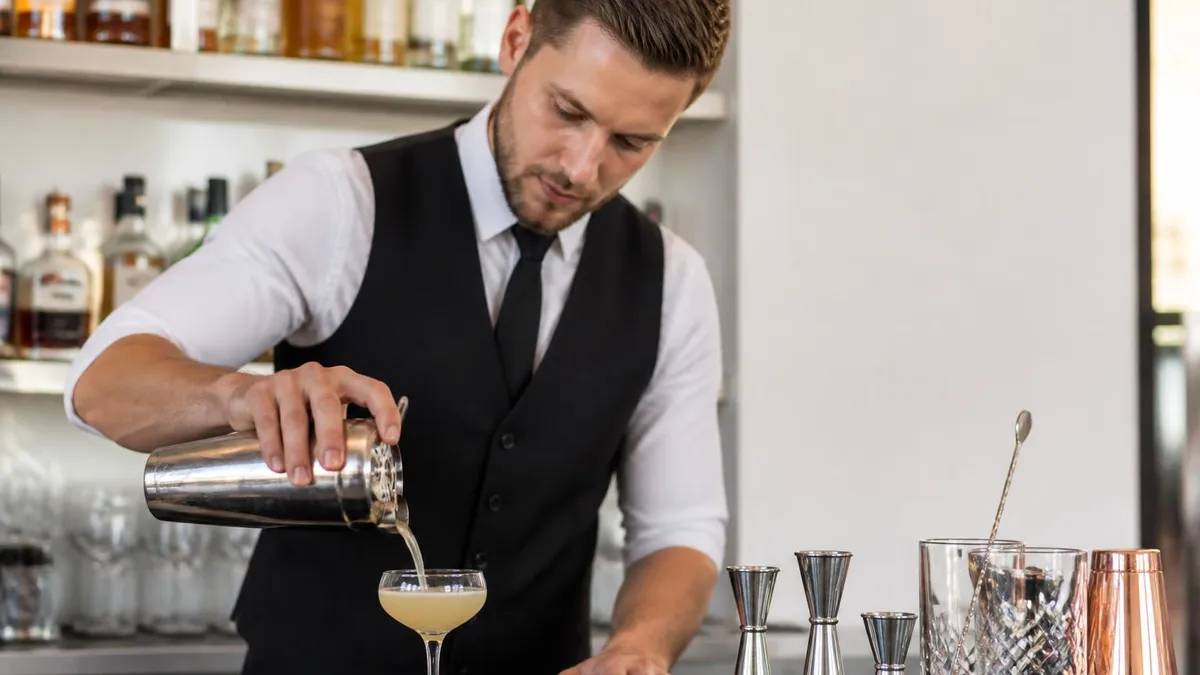
Bartending Classes Near Me: How to Find, Compare, and Choose the Right Local Training Program in 2026

How to Become a Bartender by State: Complete Requirements Guide for All 50 States
About the Author
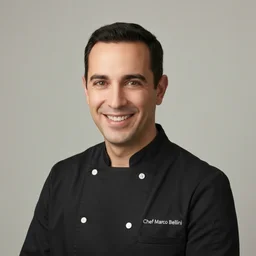
Executive Chef & Culinary Arts Certification Educator
Culinary Institute of AmericaChef Marco Bellini is a Certified Executive Chef and graduate of the Culinary Institute of America with over 20 years of professional kitchen experience in Michelin-recognized restaurants. He teaches culinary arts certification, food safety, and hospitality exam preparation, having guided thousands of culinary students through their ServSafe, ProStart, and professional chef certifications.
Join the Discussion
Connect with other students preparing for this exam. Share tips, ask questions, and get advice from people who have been there.
View discussion (7 replies)