
Bartender Server: The Complete Guide to Mastering the Role, Skills, and Career Path
Master the bartender server role 🏆 — duties, skills, pay, and certification tips to advance your bar career in 2026 August.

The bartender server is one of the most dynamic and in-demand positions in the hospitality industry, combining the technical craft of mixing drinks with the service excellence of front-of-house work. Whether you're pouring pints at a neighborhood bar, crafting cocktails at a high-volume nightclub, or serving drinks in a fine-dining restaurant, the bartender server role demands a unique blend of speed, precision, customer awareness, and product knowledge. Understanding exactly what this role entails is the first step toward excelling in it.
At its core, the bartender server is responsible for preparing and serving alcoholic and non-alcoholic beverages to guests, whether directly at the bar or in coordination with floor staff. This dual-function role often requires balancing multiple responsibilities at once — taking orders, mixing drinks, handling cash, managing tabs, and ensuring every guest feels welcomed and attended to. In busy establishments, a skilled bartender server can process dozens of orders per hour without sacrificing accuracy or hospitality.
The pay for bartender servers reflects the skill involved. Base hourly wages in the United States typically range from $10 to $18 per hour before tips, but experienced professionals in metropolitan areas or upscale venues often take home $50,000 to $80,000 annually when tips are factored in. High-end bars in cities like New York, San Francisco, and Miami report top earners clearing over $100,000 per year. The earning potential is genuinely competitive, especially for those who invest in their skills and certifications.
Beyond pay, the career trajectory for bartender servers is surprisingly robust. Many of today's bar managers, beverage directors, and even restaurant owners began their careers behind the bar. The role teaches inventory management, customer psychology, vendor negotiation, and team leadership — all skills that transfer directly into management positions. For those who love the craft, there are also competitive paths in cocktail competitions, brand ambassadorship, and consulting.
Certification plays an increasingly important role in this career. Many employers now require or strongly prefer candidates who hold recognized credentials such as TIPS (Training for Intervention ProcedureS), ServSafe Alcohol, or a formal bartending certificate from an accredited school. These certifications demonstrate that a candidate understands responsible alcohol service, liquor laws, and guest safety — reducing liability for the employer and increasing the candidate's marketability significantly.
The demand for skilled bartender servers continues to grow. The U.S. Bureau of Labor Statistics projects steady employment growth in the food and beverage service sector through 2030, driven by expanding restaurant culture, craft cocktail trends, and the revival of bar-centric social spaces. Entry into the field has never been more accessible, with online courses, community college programs, and vocational bartending schools offering flexible training options across the country.
This guide covers everything you need to know about the bartender server role: core duties and responsibilities, essential skills, certification pathways, typical work environments, income potential, and practical advice for landing your first job or leveling up your existing career. Whether you're a complete newcomer or an experienced server looking to transition behind the bar, the information here will help you build a clear, actionable plan for success.
Bartender Server Role by the Numbers

Core Duties and Responsibilities of a Bartender Server
Mix, garnish, and serve cocktails, beer, wine, and non-alcoholic drinks according to standard recipes and guest specifications. Accuracy, speed, and consistency are critical, especially during high-volume service periods when dozens of orders arrive simultaneously.
Greet guests, take drink orders, manage running tabs, and process payments accurately. Building rapport with regulars and ensuring first-time visitors feel welcomed are key parts of the role that directly impact tips and repeat business.
Open and close the bar station by stocking supplies, prepping garnishes, cleaning equipment, and securing inventory. Proper setup prevents service bottlenecks during peak hours and ensures the bar meets health and safety standards.
Monitor liquor, mixer, and supply levels throughout each shift. Alert management when items run low, minimize waste through accurate pours, and support weekly inventory counts to maintain cost control targets.
Verify guest ages through ID checks, monitor intoxication levels, and refuse service when legally or ethically required. Following dram shop laws and responsible service protocols protects both guests and the establishment from liability.
The skills required to succeed as a bartender server go well beyond memorizing drink recipes. Technical bartending knowledge is the foundation — you need to understand the difference between shaking and stirring, know your spirits categories from whiskey and rum to mezcal and aquavit, and be able to build classic cocktails from memory under pressure. However, the soft skills are equally important and often harder to teach. Communication, emotional intelligence, and the ability to read a room can make or break a shift.
Speed and multitasking are non-negotiable competencies for bartender servers working in high-volume environments. A busy Friday night might see you managing a six-seat bar while simultaneously fielding ticket orders from floor servers, running a tab for a group of twelve, and answering a guest's question about your whiskey selection — all at the same time. Developing efficient movement patterns, memorizing your well layout, and mastering pre-batching techniques are all practical strategies that top bartenders use to stay ahead of volume spikes.
Product knowledge separates good bartender servers from great ones. Guests increasingly expect their bartenders to know the story behind a bottle, suggest food pairings, recommend wines by grape variety, and explain the difference between a spritz and an Aperol spritz. Investing time in tasting menus, reading about spirits production, and attending industry events builds the kind of expertise that elevates service and justifies premium tips. Many establishments now offer in-house training programs that keep staff up to date on seasonal menu changes and new product releases.
Cash handling and POS system proficiency are practical skills that every bartender server must develop. Processing credit cards, splitting checks, managing comps, and reconciling a drawer at the end of a shift require attention to detail and mathematical accuracy. Errors in cash handling create headaches for management and erode trust, so developing clean habits early is essential. Most modern establishments use systems like Toast, Square, or Aloha — familiarity with these platforms is a clear advantage when job hunting.
Conflict resolution and de-escalation are skills that don't always appear in job descriptions but matter enormously in practice. Bars are social environments where emotions run high and disagreements between guests occasionally arise. A skilled bartender server can defuse tension with calm authority, redirect conversations, and involve security or management when necessary — all without creating a scene that disrupts other guests. This kind of professional composure is developed through experience and is highly valued by employers.
Memory is an underappreciated skill in bartending. Remembering a regular's favorite drink, recalling a guest's name after a single visit, and keeping track of multiple open tabs without referencing your POS at every turn creates an experience that feels personal and attentive. The best bartenders make every guest feel like the room's most important person, and that experience comes from deliberate attention and practiced memory techniques rather than any innate gift.
Physical stamina is the final essential skill that newcomers often underestimate. Bartender server shifts typically run six to ten hours, during which you're on your feet the entire time, lifting kegs, carrying cases of beer, and working in environments that can be loud, hot, and crowded. Building physical endurance, wearing supportive footwear, and developing ergonomic habits behind the bar will protect your body over the long term and ensure you can sustain the career for years rather than burning out after a season.
Work Environments for Bartender Servers
Bars and nightclubs represent the highest-volume, highest-energy environments for bartender servers. A single bartender in a busy club might pour 200 to 400 drinks during a six-hour shift, relying on efficiency, a streamlined well setup, and pre-batched ingredients to keep pace with demand. Tips are often substantial in these venues, especially on weekend nights, and the cash-in-hand compensation can exceed $300 to $500 per shift for experienced professionals in major metropolitan areas.
Working in a nightclub or high-volume bar also means adapting to noise, dim lighting, and a fast-paced service culture that leaves little room for error. Many establishments in this category hire bartenders with demonstrated speed and cocktail knowledge, often conducting timed trials during the interview process. Shifts typically run late — midnight to close is common — so candidates who thrive in this environment tend to be night owls who enjoy the energy of a late-night social scene.

Pros and Cons of Working as a Bartender Server
- +High earning potential through tips, especially at busy or upscale establishments
- +Flexible scheduling that accommodates students, parents, and second-job seekers
- +Opportunities to develop a highly marketable, transferable skill set
- +Social and engaging work environment with direct guest interaction
- +Clear career progression paths into management, consulting, or ownership
- +Access to industry events, tastings, and ongoing product education
- −Irregular hours including late nights, weekends, and holidays
- −Physical demands — long shifts on your feet in loud, high-temperature environments
- −Income variability due to tip dependence and slow-night fluctuations
- −Exposure to difficult guests and potential conflict situations
- −Risk of burnout from sustained high-stress, high-volume service
- −Some states require ongoing certification renewals at personal expense
Certification and Legal Requirements Checklist for Bartender Servers
- ✓Verify your state's minimum age requirement for bartenders (usually 18 or 21).
- ✓Complete a state-approved alcohol server training program such as TIPS or ServSafe Alcohol.
- ✓Obtain a food handler's card if your state requires it for bar staff.
- ✓Apply for a bartender's license or seller-server permit if your state mandates one.
- ✓Review your state's dram shop laws to understand your personal liability exposure.
- ✓Confirm your employer's specific certification requirements before your first shift.
- ✓Keep copies of all certifications in both digital and physical formats.
- ✓Schedule certification renewals before expiration dates — most renew every 2–3 years.
- ✓Complete a CPR or First Aid certification if working in a venue that requires it.
- ✓Study liquor regulations specific to your county or municipality, which may exceed state minimums.
Certification Boosts Your Hiring Odds by Up to 40%
According to industry surveys, bartender server candidates who hold a recognized alcohol service certification are 35–40% more likely to receive a job offer than uncertified applicants with similar experience. Employers value certified staff because they reduce liability under dram shop laws and demonstrate a professional commitment to responsible service. If you're job hunting, obtaining your TIPS or ServSafe Alcohol certification before applying is one of the highest-ROI investments you can make.
The income potential for bartender servers in the United States is genuinely compelling, particularly when you understand how tips function and how to maximize them strategically. The federal minimum wage for tipped employees is just $2.13 per hour in states that allow tip credits, but most states have set their tipped minimum wage significantly higher — California, for example, requires bartenders to earn the full state minimum wage ($16+ per hour in 2024) before any tips. Understanding the wage structure in your state is essential for accurately projecting your take-home pay.
Tips are the real income engine for most bartender servers. Industry data suggests that experienced bartenders in mid-range establishments average $150 to $300 in tips per shift, while those working high-volume or upscale venues can earn $400 to $700 or more per night. Factors that directly affect tip income include the establishment's price point, your shift timing (Friday and Saturday nights are consistently the most lucrative), your rapport with regulars, and your table-management efficiency. Developing a loyal base of returning guests is one of the most reliable paths to stable, predictable tip income.
Career growth in the bartender server career ladder is more structured than many people realize. The typical progression moves from barback (supporting the bartender with restocking and cleaning) to bartender server, then to lead bartender, bar supervisor, bar manager, and ultimately beverage director or general manager. Each step up the ladder brings a meaningful salary increase — bar managers in the US earn an average of $48,000 to $65,000 annually in base salary, not counting any profit-sharing or bonus arrangements that upscale establishments offer.
Geographic variation plays a major role in bartender server income. Coastal cities and tourist destinations consistently offer the highest earning potential. New York City bartenders report median total compensation (base plus tips) of $55,000 to $85,000 annually, while those working in smaller markets or rural areas may earn $28,000 to $42,000 in the same role. If maximizing income is a primary goal, targeting positions in high-traffic urban corridors, resort towns, or airport bars — where high guest volume and generous tipping cultures converge — is a proven strategy.
Side income opportunities abound for skilled bartender servers who build their reputations. Private event bartending is a lucrative supplement, with rates of $30 to $75 per hour common for weddings, corporate parties, and private celebrations. Brand ambassadors — bartenders who represent spirits companies at tastings and promotional events — earn $25 to $100 per hour for appearances that often come with free product and industry networking. Some experienced bartenders also develop consulting practices, advising new bar owners on menu design, staff training, and operational systems.
Benefits are an area where bar work has historically lagged behind corporate employment, but this is changing. Large restaurant groups and hotel chains increasingly offer health insurance, paid time off, retirement contributions, and education reimbursement to bartender servers. Some craft cocktail establishments and hospitality management companies have moved toward salary-based compensation models that provide income stability while maintaining competitive total pay. When evaluating a job offer, factor in the full benefits package rather than focusing solely on the hourly rate or expected tip income.
The long-term financial picture for dedicated bartender servers is brighter than the industry's reputation suggests. Professionals who combine strong technical skills with business acumen — learning how to read a P&L, manage pour costs, and optimize a bar program — position themselves for management roles that carry real salaries and leadership authority. Many successful bar operators started as servers or barbacks and built their expertise one shift at a time, eventually owning the establishments where they once worked hourly.
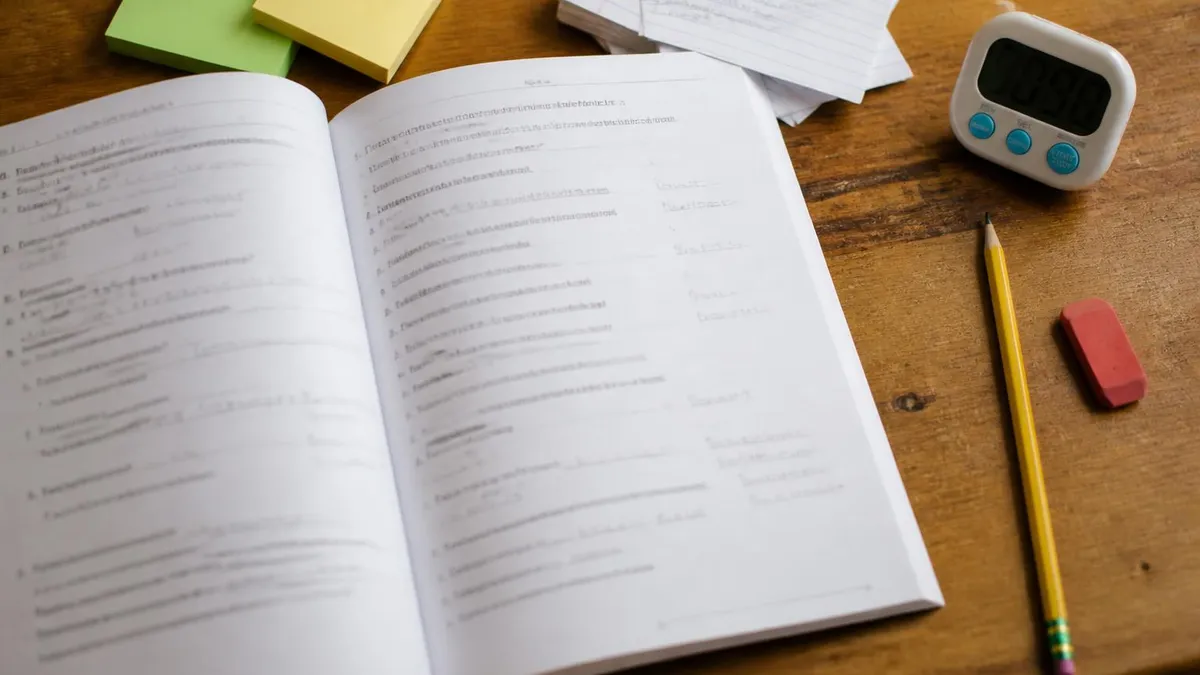
In most US states, bartender servers can be held personally liable for damages if they serve alcohol to a visibly intoxicated guest who then injures someone. Dram shop laws vary by state but the personal and professional consequences of over-service can be severe, including civil lawsuits, license revocation, and criminal charges. Always complete an accredited alcohol server training course and follow your establishment's ID and cut-off protocols without exception.
Landing your first bartender server position — or making a successful transition from floor service to behind the bar — requires a focused, strategic approach. The bar industry is relationship-driven, and your chances of getting hired increase dramatically when you combine formal training with real-world networking. Starting as a barback is one of the most reliable paths into bartending, because it gives you hands-on experience in a real bar environment while demonstrating work ethic and reliability to the management team you want to eventually work alongside.
Building a resume for bartender server positions requires thinking about the role from an employer's perspective. Highlight any customer service experience prominently, even if it came from retail, food service, or hospitality roles outside of bartending. Emphasize cash handling accuracy, high-volume experience, team collaboration, and any product knowledge certifications you hold. If you've completed a bartending school program, list it with the credential name, institution, and completion date. A concise, well-formatted one-page resume tailored to hospitality is far more effective than a generic template.
The interview process for bartender server positions often includes a practical component — a speed test, a cocktail build, or a simulated service scenario — in addition to a traditional conversation. Prepare for common questions about how you handle difficult guests, what you'd do if you suspected a coworker was stealing, and how you prioritize tasks during a rush. Practice building a Negroni, an Old Fashioned, and a Margarita until you can do them confidently and accurately under observation, because these are the most common practical tests.
Networking is arguably the most powerful job-search tool available to bartender server candidates. Industry events like local cocktail competitions, spirits tastings, and bar industry meetups put you in the same room as owners, managers, and industry professionals who have the ability to hire you on the spot. Follow establishments you admire on social media, engage authentically with their content, and show up as a genuine enthusiast of the craft. Many bartending jobs are filled through word of mouth before they're ever posted on job boards, so being known and liked in your local hospitality community creates a significant structural advantage.
Online job boards remain a useful channel despite the networking advantage. Platforms like Indeed, Poached, Culinary Agents, and industry-specific job sites aggregate bartender server openings from establishments of all sizes. Set up alerts for your target market, apply promptly when positions appear (the best jobs fill quickly), and tailor your cover letter to reflect genuine knowledge of the specific establishment. Mentioning a recent cocktail you tried at the bar, a menu item you admired, or a specific element of the venue's concept shows you've done your homework and are genuinely interested rather than mass-applying.
Social media presence can be a meaningful differentiator for bartender server candidates in 2026. Platforms like Instagram and TikTok have become genuine professional portfolios for hospitality workers — bartenders who document their cocktail builds, share drink education content, and engage with the broader bar community often receive inbound job inquiries. If you're comfortable in front of a camera, building a modest but authentic social presence around your bartending practice signals passion, creativity, and industry engagement to potential employers reviewing your application.
Once you've landed a position, the first 90 days are critical. Show up early, ask thoughtful questions, observe how experienced staff handle difficult situations, and focus on mastering your establishment's specific systems and menu before attempting to introduce your own ideas. Bartending culture rewards those who earn respect through consistency and reliability before asserting creative authority. Establishing yourself as the most dependable person on the schedule is the fastest path to getting the best shifts, building a loyal guest following, and earning the trust that opens doors to advancement.
Practical preparation makes the difference between passing your bartending certification exam on the first attempt and having to reschedule and repay testing fees. The most effective study strategy combines content review with active recall — simply rereading your course materials is far less effective than testing yourself on the material repeatedly. Use practice tests from platforms like PracticeTestGeeks to identify your weak areas early, then allocate your remaining study time toward those specific gaps rather than reviewing content you already know well.
Prioritize the topics most heavily tested on bartending certification exams: responsible alcohol service, state-specific liquor laws, dram shop liability, bar inventory management, and pour cost calculation. These categories consistently represent the majority of exam questions across the major certification bodies. Understanding not just the rules but the reasoning behind them — why you card someone who looks under 40, what a standard pour actually measures, how to calculate a drink cost percentage — will help you apply knowledge correctly even when exam questions are worded in unfamiliar ways.
Time management during the exam itself is a skill worth developing during your practice sessions. Many certification exams allocate roughly 60 to 90 minutes for 50 to 100 questions — that's about 60 to 90 seconds per question. Practice under timed conditions so that exam-day time pressure feels familiar rather than alarming. If you encounter a difficult question, mark it and move on rather than spending three minutes on a single item and creating anxiety about the remaining questions. Return to flagged items after completing the rest of the exam.
Study groups can be a powerful supplement to solo preparation, particularly for candidates who benefit from verbal explanation and peer accountability. Forming a small group with two or three fellow candidates allows you to quiz each other, discuss confusing concepts, and share study materials. Explaining a concept aloud to someone else — what a well spirit is, how a tip credit works, what the difference between a liquor license types — cements understanding in ways that passive reading cannot replicate. Even a single weekly study session with peers can meaningfully accelerate exam readiness.
Real-world application accelerates learning more than almost any study technique. If you're currently working in a bar or restaurant environment, pay deliberate attention to the inventory practices, responsible service protocols, and compliance procedures your establishment uses. Connecting abstract exam content to concrete daily experiences — noticing how your bar manager calculates pour cost, watching how a senior bartender handles an intoxicated guest, observing how deliveries are logged against order sheets — builds intuitive understanding that sticks far better than memorization alone.
Exam anxiety is real and worth addressing proactively. Physical preparation — adequate sleep, a nutritious meal, and moderate exercise the day before — significantly improves cognitive performance and reduces cortisol levels during high-stakes assessments. On exam day, arrive early enough to settle in without rushing, take slow controlled breaths before starting, and remind yourself that your preparation has been thorough and deliberate. Anxiety tends to peak in the first few minutes of an exam; once you've answered the first five or ten questions successfully, confidence typically stabilizes.
After passing your certification, make it a priority to keep your credentials current. Most bartending certifications expire after two to three years and require a renewal course or re-examination. Set a calendar reminder at least 90 days before your expiration date so you have time to complete renewal requirements without a lapse. Many employers conduct annual audits of staff certifications and will remove you from the schedule if your credentials expire, so staying ahead of renewal deadlines protects both your income and your professional reputation.
Bartender Bartender Questions and Answers
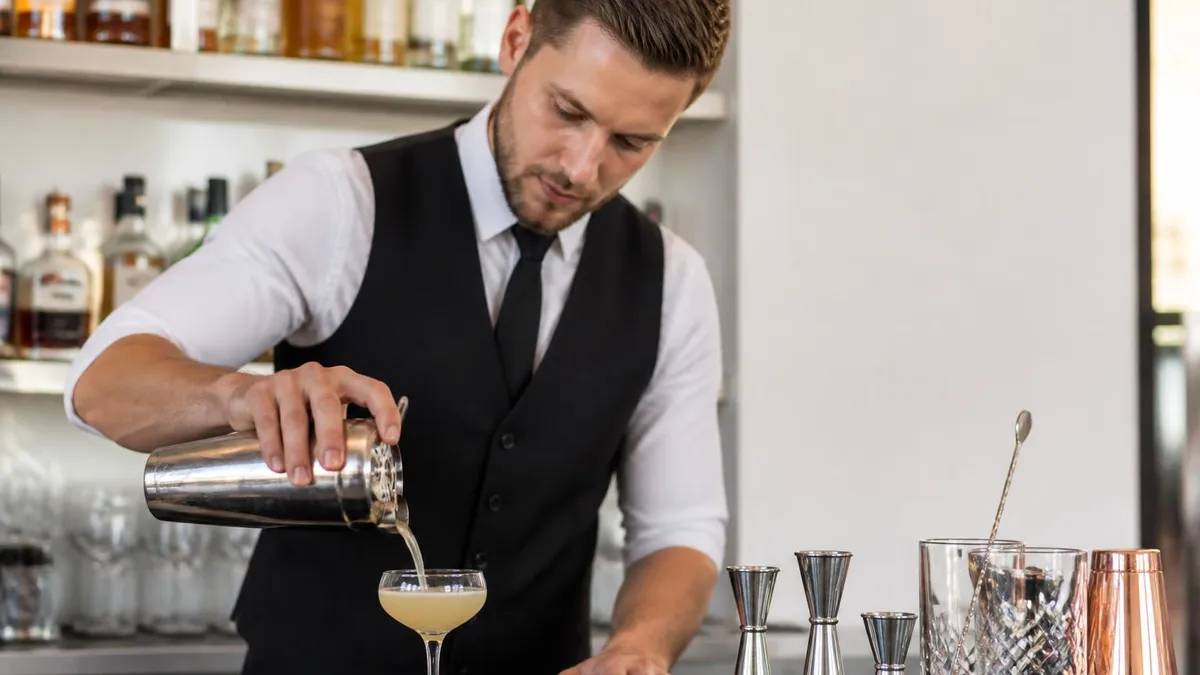
Bartending Classes Near Me: How to Find, Compare, and Choose the Right Local Training Program in 2026
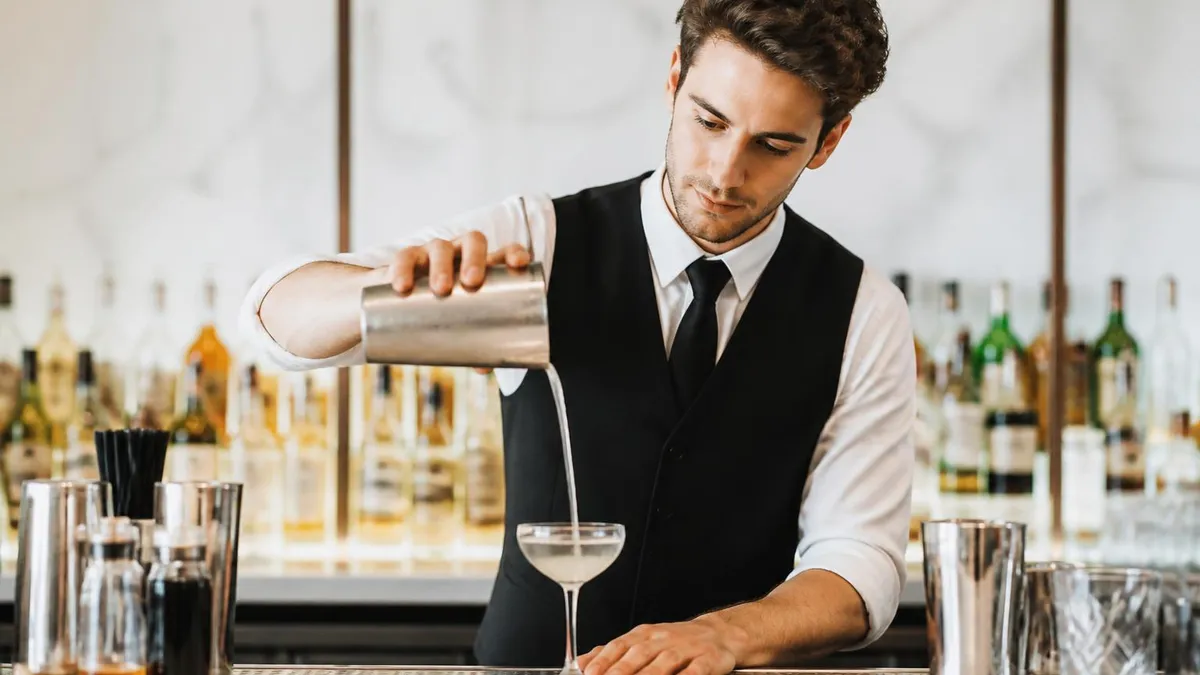
How to Become a Bartender by State: Complete Requirements Guide for All 50 States
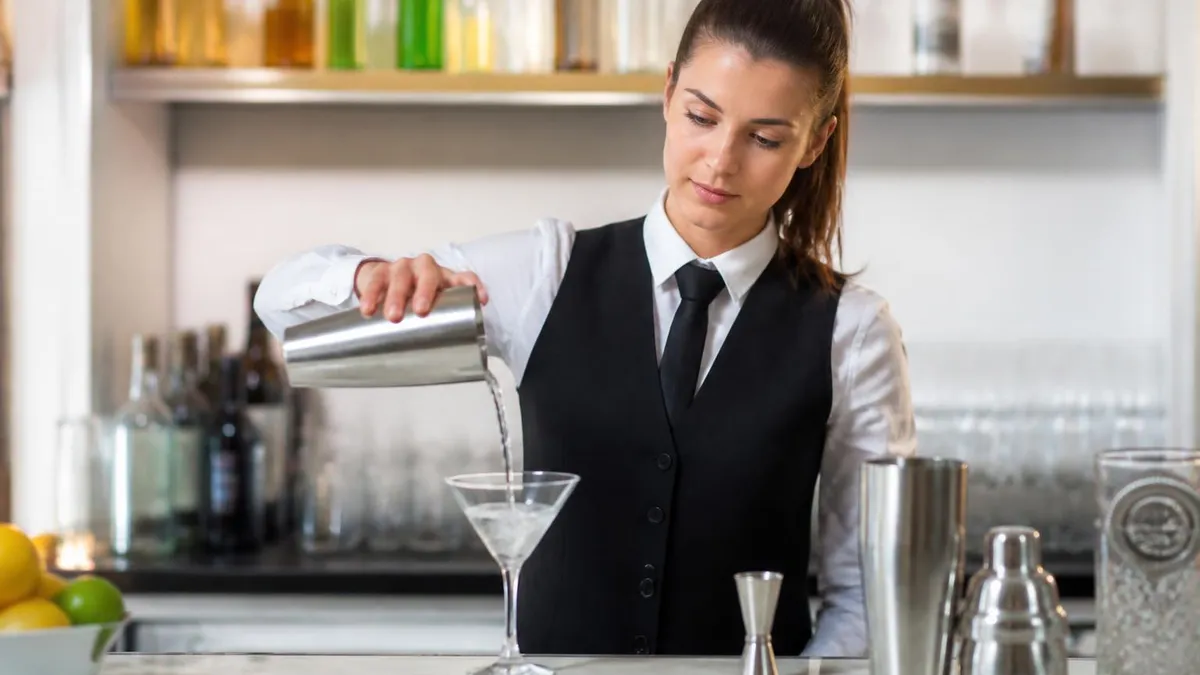
Bartending Certification: Complete Guide to Licensing, Training, and Career Success in 2026
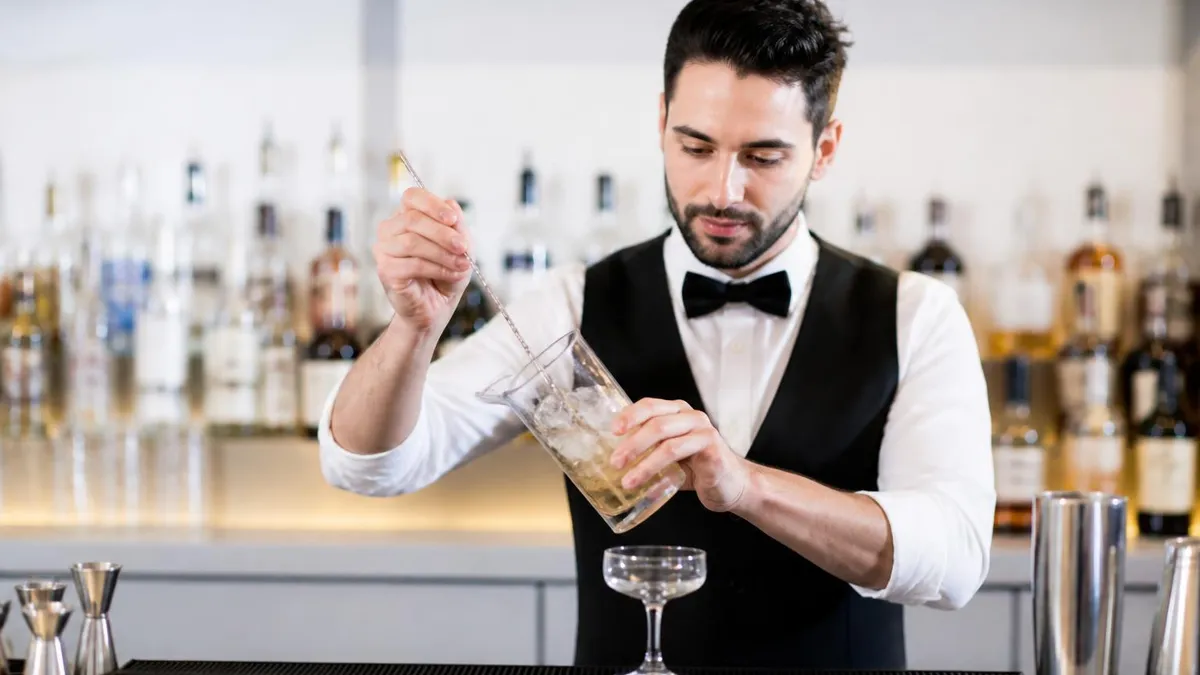
What Does the Term Bruising Mean in Bartending? A Complete Guide to Shaken Cocktail Science
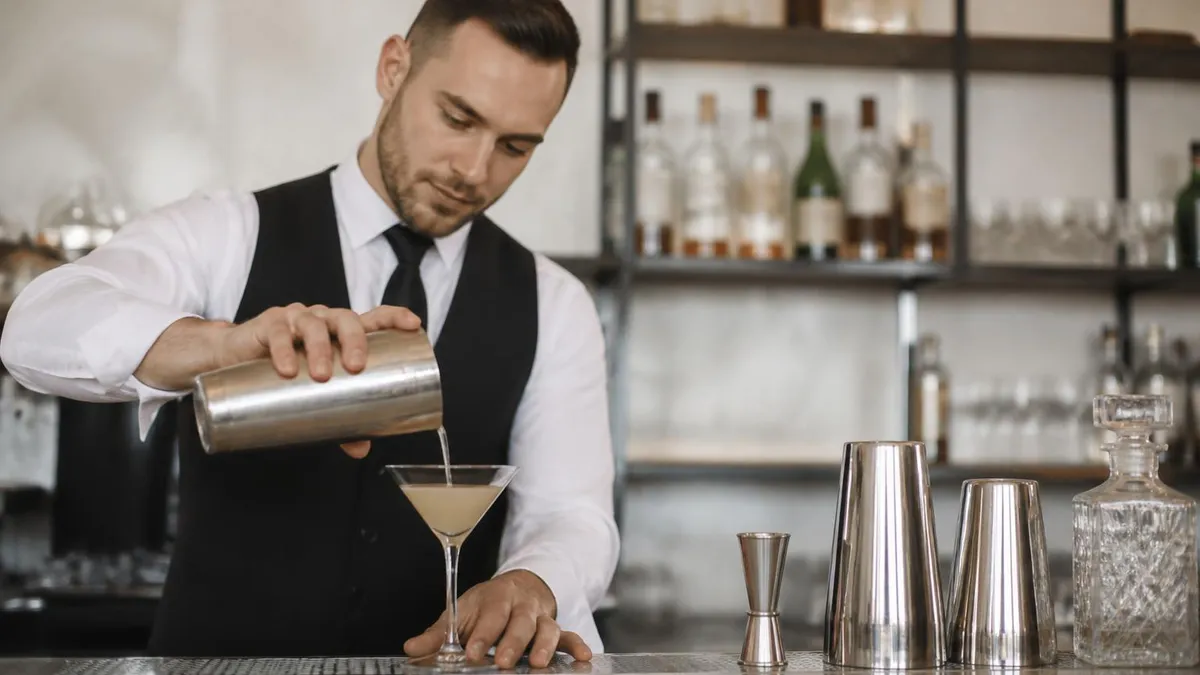
Lady Bartender: A Complete Guide for Women Behind the Bar in 2026
About the Author

Executive Chef & Culinary Arts Certification Educator
Culinary Institute of AmericaChef Marco Bellini is a Certified Executive Chef and graduate of the Culinary Institute of America with over 20 years of professional kitchen experience in Michelin-recognized restaurants. He teaches culinary arts certification, food safety, and hospitality exam preparation, having guided thousands of culinary students through their ServSafe, ProStart, and professional chef certifications.
Join the Discussion
Connect with other students preparing for this exam. Share tips, ask questions, and get advice from people who have been there.
View discussion (7 replies)