
Bartender Restaurant Jobs: Your Complete Guide to Landing, Thriving, and Advancing Behind the Bar
Everything about bartender restaurant jobs — hiring steps, pay, certifications, and advancement tips. Start your bar career today! 🎯

Bartender restaurant jobs represent one of the most dynamic, rewarding, and accessible career paths in the hospitality industry today. Whether you are drawn by the social energy of a bustling dining room, the creativity of crafting cocktails, or simply the attractive earning potential that comes from tips, working as a bartender in a restaurant setting offers a compelling mix of financial reward and personal satisfaction. The U.S. Bureau of Labor Statistics projects steady demand for bartenders through 2032, and restaurants remain the single largest employer of bartending talent nationwide.
Unlike bar-only establishments such as nightclubs or lounges, restaurant bartending occupies a unique middle ground where technical drink-making skills must complement full-service hospitality. Restaurant bartenders frequently manage both a bar service well — sending drinks to dining-room servers — and a seated bar section with walk-in guests. This dual responsibility demands exceptional multitasking, product knowledge, and communication skills that set restaurant-trained bartenders apart in the job market.
The path into restaurant bartending is more structured than many job seekers realize. Most operators expect candidates to arrive with a foundational understanding of alcohol service law, basic cocktail recipes, and point-of-sale systems. Increasingly, hiring managers give preference to applicants who hold recognized certifications, because credentialed bartenders reduce the restaurant's liability exposure and typically require less on-boarding time. Understanding what employers look for — and preparing accordingly — dramatically improves your odds of landing the role you want.
Compensation in restaurant bartender jobs varies widely by establishment type, geographic market, and the individual's ability to generate repeat guests. Entry-level positions at casual-dining chains may yield $30,000–$40,000 annually when base wage and tips are combined, while experienced bartenders at upscale or fine-dining restaurants in major metro areas routinely clear $60,000–$80,000 per year. Top performers at high-volume urban restaurants occasionally exceed six figures, making bartending one of the few hospitality roles where income scales significantly with skill and effort.
Career progression is another dimension that draws ambitious candidates to restaurant bartender jobs. Many of today's beverage directors, food-and-beverage managers, and even restaurant owners started behind the bar. The role provides an unmatched vantage point on operations, cost control, guest relations, and staff dynamics — knowledge that translates directly into management capability. Bartenders who invest in their professional development by earning certifications and expanding their spirits knowledge accelerate this trajectory considerably.
For those who are just beginning to explore the field, it helps to understand the full certification landscape before submitting a single application. Resources like bartender restaurant jobs guides explain the specific licensing and training requirements that vary from state to state, helping you build a targeted preparation plan. The clearer your picture of what employers want, the more confidently you can present yourself as a ready-to-hire professional.
This guide covers everything a prospective or current restaurant bartender needs to know: job responsibilities, compensation benchmarks, hiring strategies, key certifications, and a practical roadmap for long-term career advancement. By the end, you will have a concrete action plan for entering or elevating your standing in one of America's most vibrant industries.
Bartender Restaurant Jobs by the Numbers

Core Responsibilities of a Restaurant Bartender
Restaurant bartenders are responsible for crafting hundreds of drinks per shift with consistent taste and presentation. This means memorizing house recipes, measuring spirits correctly, and maintaining quality standards whether it is the first drink of the night or the hundredth.
A significant portion of restaurant bartender work involves filling server tickets from the dining room. Speed and accuracy at the service well directly impact table turn times, guest satisfaction scores, and the servers' tip earnings — making it a team-critical responsibility.
Tracking pours, managing par levels, reducing spillage, and conducting weekly inventory counts all fall within the bartender's operational scope. Bartenders who demonstrate cost-awareness stand out to management and are first considered for senior or lead bar positions.
Checking IDs, recognizing signs of intoxication, refusing service when necessary, and documenting incidents are legal obligations for every restaurant bartender. Failure to comply exposes both the employee and employer to significant liability, fines, and license suspension.
Top-earning bartenders treat every guest interaction as a hospitality moment. Recommending premium spirits, suggesting food pairings, and building regulars through genuine conversation are skills that translate directly into higher tip percentages and stronger performance reviews.
Compensation for restaurant bartender jobs is one of the most misunderstood topics in the hospitality industry. Many outsiders assume bartending pays minimum wage, but the reality — especially in higher-volume or upscale establishments — is far more lucrative. Understanding the full picture of how bartender pay works empowers you to evaluate job offers intelligently and choose positions that maximize your earning potential over time.
Base wages for restaurant bartenders typically range from $9 to $16 per hour depending on the state, with tipped-minimum-wage laws applying in many jurisdictions. Under federal law, employers may pay tipped employees as little as $2.13 per hour provided tips bring the worker to at least the standard federal minimum wage of $7.25. However, states like California, Washington, and Oregon require full minimum wage before tips, which means base pay in those markets starts considerably higher and total earnings are correspondingly robust.
Tips represent the core of a bartender's income and are driven by several controllable factors: shift timing, restaurant volume, menu price points, and the bartender's personal service style. Friday and Saturday evenings at a full-service restaurant typically generate 60–70% of a bartender's weekly tip income in just two shifts. Experienced bartenders strategically pursue weekend prime shifts, understanding that a single busy Saturday can yield more in tips than three slower weekday shifts combined.
Tip-sharing arrangements vary significantly by restaurant. Some operations require bartenders to tip out a percentage of sales to bussers, food runners, and hosts. Others allow bartenders to keep 100% of bar-seat tips while contributing a fixed percentage to the service-well pool for servers. Before accepting any position, it is worth clarifying the exact tip-out structure so you can accurately model your realistic take-home earnings rather than relying on quoted averages.
Beyond tips and hourly wages, many full-service restaurant groups offer bartenders access to benefits packages that include health insurance, paid time off, and 401(k) contributions. These benefits are more common at larger corporate chains and independent restaurants that have grown to multi-unit operations. Bartenders at independent single-location restaurants often trade benefits for a more flexible schedule and a stronger personal connection with ownership — a tradeoff that suits different life situations.
Seasonal fluctuations affect restaurant bartender earnings considerably. Resort markets, ski towns, beach destinations, and tourist-heavy urban corridors experience dramatic volume swings by season. Savvy bartenders in seasonal markets plan their finances accordingly, maximizing savings during peak periods to cushion off-season income drops. Some bartenders work two seasonal markets annually — a summer coastal market and a winter ski or holiday market — maintaining strong annual totals through strategic geographic mobility.
Earning potential also scales with specialization. Bartenders who invest in spirits education certifications such as WSET (Wine and Spirit Education Trust) or CMS (Court of Master Sommeliers) wine credentials command higher hourly rates at fine-dining establishments, wine bars, and hotels with attached restaurants. The return on investment for these certifications is typically realized within one to three months at a premium property, making them financially sound career decisions for serious industry professionals.
Certifications That Get You Hired in Restaurant Bartending
TIPS (Training for Intervention ProcedureS) and ServSafe Alcohol are the two most widely recognized responsible-alcohol-service certifications in the United States. More than 65% of multi-unit restaurant chains list one of these credentials as a preferred or required qualification on bartender job postings. Both programs cover identifying intoxication, checking identification for underage guests, understanding dram shop liability, and intervention techniques for cutting off a guest safely without escalating conflict.
Completing either certification typically takes 3–5 hours online, costs between $25 and $50, and results in a wallet card valid for 3 years. Many restaurant groups reimburse the certification fee after 90 days of employment, but arriving already certified signals professionalism during the interview. State-specific programs like TABC Certification in Texas or RBS in California carry equal weight with local employers and are sometimes legally mandated for anyone who serves alcohol.

Pros and Cons of Restaurant Bartender Jobs vs. Bar-Only Positions
- +Higher average tips from food-and-beverage combined checks in full-service dining rooms
- +More structured schedules with defined shift start and end times versus bar closes at 2 AM
- +Greater exposure to food-pairing knowledge that boosts wine and cocktail upselling skills
- +Access to benefits packages at corporate restaurant groups including health insurance and 401k
- +Clearer career ladder toward beverage director or food-and-beverage manager roles
- +Steadier year-round volume compared to nightclub or event-only bartending markets
- −Service-well duties add workload without direct tip compensation from dining-room guests
- −Kitchen noise, heat, and pace can make peak service hours physically and mentally demanding
- −Menu changes require frequent recipe relearning as seasonal cocktail menus rotate quarterly
- −Tip-out obligations to servers, bussers, and hosts can reduce net bartender take-home
- −Dress codes and image standards at upscale restaurants are stricter than casual bar environments
- −Lower celebrity or social-media visibility compared to craft-cocktail bar or nightclub positions
Bartender Restaurant Job Search Checklist
- ✓Complete a recognized responsible-alcohol-service certification such as TIPS, ServSafe Alcohol, or your state-specific program before applying.
- ✓Build or update your resume to highlight any customer-service experience, even if it is not in bartending or food service.
- ✓Study the 50 most common classic cocktail recipes including the Negroni, Old Fashioned, Margarita, Manhattan, and Moscow Mule.
- ✓Research the specific restaurant's cocktail menu online and be prepared to discuss two or three of their signature drinks in an interview.
- ✓Prepare three concrete examples of times you handled a difficult customer interaction professionally and resolved it to everyone's satisfaction.
- ✓Dress one step above the restaurant's service standard when showing up for an interview — business casual at minimum for casual dining, business attire for upscale.
- ✓Ask the hiring manager specific questions about tip-out structure, shift availability, and training timeline during the interview to demonstrate operational awareness.
- ✓Follow up within 24 hours of any interview with a brief, professional thank-you note referencing something specific from the conversation.
- ✓Complete at least one practice bar inventory exercise using publicly available templates to demonstrate cost-control familiarity if asked in a working interview.
- ✓Connect with two or three current restaurant bartenders via LinkedIn or local hospitality industry events to gather candid employer reputation intelligence before accepting any offer.
Certifications Reduce Time-to-Hire by Up to 40%
Hiring managers at multi-unit restaurant groups report that certified applicants move through the interview process significantly faster than uncertified candidates, because background checks and liability paperwork are streamlined when responsible-service credentials are already on file. Arriving at your first interview with a current TIPS or ServSafe Alcohol card in hand is one of the single highest-ROI steps you can take before submitting your first application.
Career advancement in restaurant bartending is more deliberate and achievable than the industry's reputation for high turnover might suggest. The bartenders who move into lead roles, bar management, and eventually beverage director positions share a common trait: they treat the bar as a classroom from day one, accumulating operational knowledge with the same seriousness that a management trainee would study a company's financials. The good news is that this mindset is entirely learnable and can be adopted at any stage of a bartending career.
The first rung on the restaurant bartender advancement ladder is the Lead Bartender or Senior Bartender designation. This role typically carries a modest hourly bump of $1–$3 above standard bartender rate, plus the responsibility of training new hires, opening or closing the bar, managing the liquor order for the week, and troubleshooting issues during service without manager intervention. Reaching Lead Bartender status usually takes 12–18 months of consistent performance at a single establishment, though operators who are expanding or shorthanded sometimes accelerate this timeline considerably.
Bar Manager is the next natural step and represents a significant transition from hourly tipped work to salaried or salaried-plus-bonus compensation. Bar Managers at full-service restaurants typically earn between $45,000 and $75,000 annually depending on market and property size. Their responsibilities include menu development, vendor negotiation, staff scheduling, cost-of-goods analysis, and compliance oversight. This role demands a working knowledge of P&L statements, labor law basics, and beverage inventory systems — skills that ambitious bartenders begin developing long before the title change happens.
Beyond Bar Manager, the Beverage Director role exists at larger restaurant groups, hotel restaurant outlets, and multi-concept hospitality companies. Beverage Directors set the wine and cocktail program strategy across multiple venues, manage purchasing relationships with distributors, train bar staffs on menu concepts and brand standards, and represent the company at trade tastings and industry events. Annual compensation at this level ranges from $70,000 to $130,000 at major operators, with top-market positions at luxury hotel groups occasionally exceeding $150,000.
Certifications accelerate advancement at every stage of this ladder. WSET Level 2 or Level 3 Award in Spirits demonstrates technical credibility when applying for premium establishment roles. Cicerone Certification (for beer-focused concepts) and WSET Sake certifications signal specialized expertise in niche but growing segments. Completing formal bar management coursework — either through community college hospitality programs or private industry schools — provides the financial and operational framework that management roles demand and that pure floor experience rarely teaches systematically.
Mentorship is an underutilized accelerant in restaurant bartender career development. Many cities have chapter organizations affiliated with the United States Bartenders' Guild (USBG) that host monthly education events, cocktail competitions, and networking mixers. Participating in even one USBG competition exposes you to craft standards, creative discipline, and industry peers at a level that no amount of solo studying replicates. The relationships formed in these settings routinely lead to job referrals, collaborative projects, and mentorship arrangements with senior industry professionals.
Finally, digital presence is becoming an increasingly important career tool for restaurant bartenders who aspire to advance. A well-maintained Instagram or TikTok account showcasing original cocktail creations, behind-the-scenes prep work, and spirits education content builds a personal brand that hiring managers and beverage directors actively search when filling key roles. Several prominent bar managers in major U.S. markets have publicly stated that a strong social media portfolio now carries as much weight as a traditional resume in their hiring evaluations — a shift that rewards bartenders who document and share their craft consistently.

Liquor laws vary dramatically by state and even by county. In some jurisdictions, serving a visibly intoxicated guest — even once — can result in personal civil liability for the bartender under dram shop statutes, not just for the employer. Before starting any restaurant bartender job, verify your state's specific certification requirements, mandatory training timelines, and the documentation your employer is legally required to maintain for each shift. Ignorance of local law is not a defense in licensing board investigations.
Choosing the right type of restaurant for your first or next bartender job matters far more than most applicants realize. The establishment's concept, volume, and ownership structure directly shape your earnings, your daily work experience, your skill development pace, and ultimately your resume's market value when you apply for your next position. Approaching the restaurant selection process strategically — rather than simply accepting the first offer that comes — pays compounding dividends throughout your career.
Casual-dining chain restaurants — think national brands with standardized cocktail menus and high table turnover — are excellent starting points for brand-new bartenders. The structured training programs, standardized recipes, and operational consistency at these concepts reduce the learning curve and provide a strong foundation in volume service, POS systems, and team coordination. The trade-off is that creative latitude is limited, and hourly tip income per check tends to be lower than at upscale or independent concepts, since average check sizes are smaller and guests tip on a percentage basis.
Upscale casual and polished-casual restaurants offer the best combination of strong tip income and meaningful skill development for mid-career bartenders. These concepts — which include brands in the $25–$50 average entree price range — attract guests who expect craft cocktails, premium spirit selections, and knowledgeable staff. The bar programs at these establishments are sophisticated enough to challenge and develop your palate and technique, while the volume and guest mix generate tip income significantly above the casual-dining floor.
Fine-dining restaurants represent the pinnacle of restaurant bartender prestige and compensation but also demand the highest baseline competency. Guests at Michelin-rated or AAA Four Diamond properties expect encyclopedic spirits knowledge, precise technique, and seamless tableside engagement. The interview process at these establishments is rigorous — often including a working audition or beverage knowledge exam — and the onboarding period may include mandatory certification completion before the new hire takes an unsupervised shift. For bartenders ready to compete at this level, the financial and reputational rewards are substantial.
Hotel restaurants and resort-attached food-and-beverage operations occupy their own niche in the restaurant bartender job landscape. These positions often include benefits packages unavailable at independent restaurants — health insurance, paid time off, employee meal programs, and structured performance reviews with merit increases. Volume at hotel restaurants can be unpredictable, spiking during conventions, events, and tourist seasons, but the stability of institutional employment appeals to bartenders who prioritize work-life balance alongside income growth.
Independent restaurants with owner-operators who are actively invested in their bar program are frequently the most rewarding environments for creative bartenders who aspire to build a personal brand. At these concepts, the bartender often has direct input into menu development, sourcing decisions, and promotional events — operational exposure that chain restaurants rarely offer. The trade-off is less institutional job security, but the autonomy and creative satisfaction make independent restaurants the choice of many career-oriented bartenders who view their craft as an art form rather than purely a paycheck.
Ghost kitchens and food halls represent a growing frontier for non-traditional restaurant bartender opportunities. While ghost kitchens are delivery-only and therefore bartender-free, food halls with communal bar programs are emerging in urban markets and offer interesting hybrid roles that combine elements of catering, craft cocktail service, and high-volume production. These settings reward adaptable bartenders who enjoy novelty and are comfortable working across multiple concept identities within a single shift.
Whatever restaurant type you target, preparation is the great equalizer. Candidates who arrive at interviews with certifications, menu knowledge, and clear evidence of professional commitment consistently outperform more experienced but less prepared competitors. The combination of technical skill, business acumen, and genuine hospitality mindset is the formula that transforms a bartender job into a bartender career — and understanding which restaurant environment best develops those qualities in you is the strategic insight that separates fast-trackers from those who plateau early.
Practical preparation for restaurant bartender jobs goes beyond memorizing cocktail recipes and showing up on time. The bartenders who consistently receive callbacks, pass working auditions, and earn strong performance reviews in their first 90 days share a set of preparation habits that set them apart from the majority of applicants who rely on charm and personality alone. Building these habits before you walk into your first interview is the most efficient investment of pre-hire time you can make.
Start by learning the 75 most commonly ordered cocktails in American restaurant settings and practice making each one until the muscle memory is automatic. The list should include all major highball builds, the core Martini and Manhattan spirit-and-vermouth formulas, the major sours family (Margarita, Whiskey Sour, Daiquiri, Gimlet, Cosmopolitan), and current-trend serves like Espresso Martinis, Aperol Spritzes, and low-ABV options. Hiring managers who give working auditions are evaluating speed, accuracy, and waste minimization — all of which require genuine repetition to develop reliably.
Develop your palate systematically by tasting spirits across categories with intentional attention rather than casual drinking. Spend one session with American whiskeys, identifying the flavor differences between bourbon, rye, and Tennessee whiskey. Spend another with aged versus blanco tequilas to understand how oak aging changes the flavor profile. This structured tasting practice — which can be done with small pours at home or during off-duty hours at a craft bar — builds the vocabulary and sensory references that allow you to describe spirits confidently when guests ask for a recommendation.
Learn basic bar math fluently before your first shift. Pour cost percentage equals the cost of the ingredient divided by the menu price, multiplied by 100. A $10 cocktail with $2.50 in spirit cost has a 25% pour cost — typical for a well-run bar program. Knowing this formula and being able to apply it during an interview demonstrates the operational literacy that managers associate with long-term hires rather than seasonal fill-ins. Practice calculating pour costs for 10 fictional cocktails until the arithmetic becomes effortless.
Invest time in understanding the POS system most common in your target market. Toast, Aloha, Micros, and Square are the platforms that dominate full-service restaurant segments, and familiarity with any of them shortens your ramp-up time and signals to an employer that you will not need basic technology hand-holding from day one. Many of these platforms offer free demo accounts or tutorial videos online, making self-directed familiarization entirely achievable before your first day of paid work.
Practice your opening and closing bar procedures by studying openly available bar operations checklists from hospitality training resources. A bartender who can independently complete a proper bar open — stocking wells, checking par levels, calibrating carbonation on draft lines, and testing all equipment — without needing step-by-step supervision from a manager is genuinely valuable to any operator. Similarly, a clean, complete close protects the restaurant's inventory, maintains equipment longevity, and ensures compliance with health department standards overnight.
Role-play difficult service scenarios with a trusted friend before your first shift or working audition. Practice the exact words you would use to refuse service to an intoxicated guest, to decline entry to someone without valid ID, and to de-escalate a confrontation at the bar without involving management. These scenarios are rare but high-stakes, and having a practiced, calm response dramatically reduces the psychological pressure of handling them in real time. Most certification programs include scenario training, but additional personal practice reinforces the muscle memory of measured, professional responses under stress.
Finally, track your financial performance from your very first week behind the bar. Record your tip income, hours worked, and tip-out obligations in a simple spreadsheet. Review the numbers monthly to identify which shifts, sections, and service behaviors correlate with your highest earnings. This data-driven approach to your own performance is the habit that distinguishes bartenders who grow their income steadily year over year from those who plateau at their entry-level earning rate without understanding why.
Bartender Bartender Questions and Answers

Bartender Age Requirements: Complete Certification & Licensing Guide for 2026
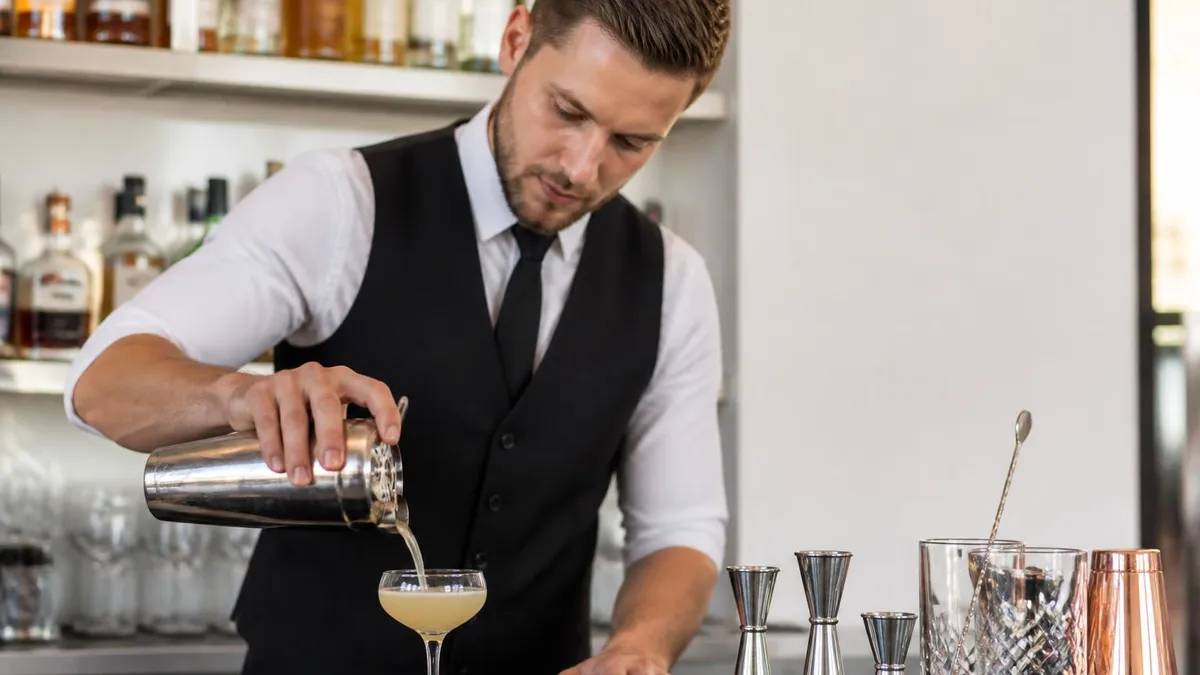
Bartending Classes Near Me: How to Find, Compare, and Choose the Right Local Training Program in 2026
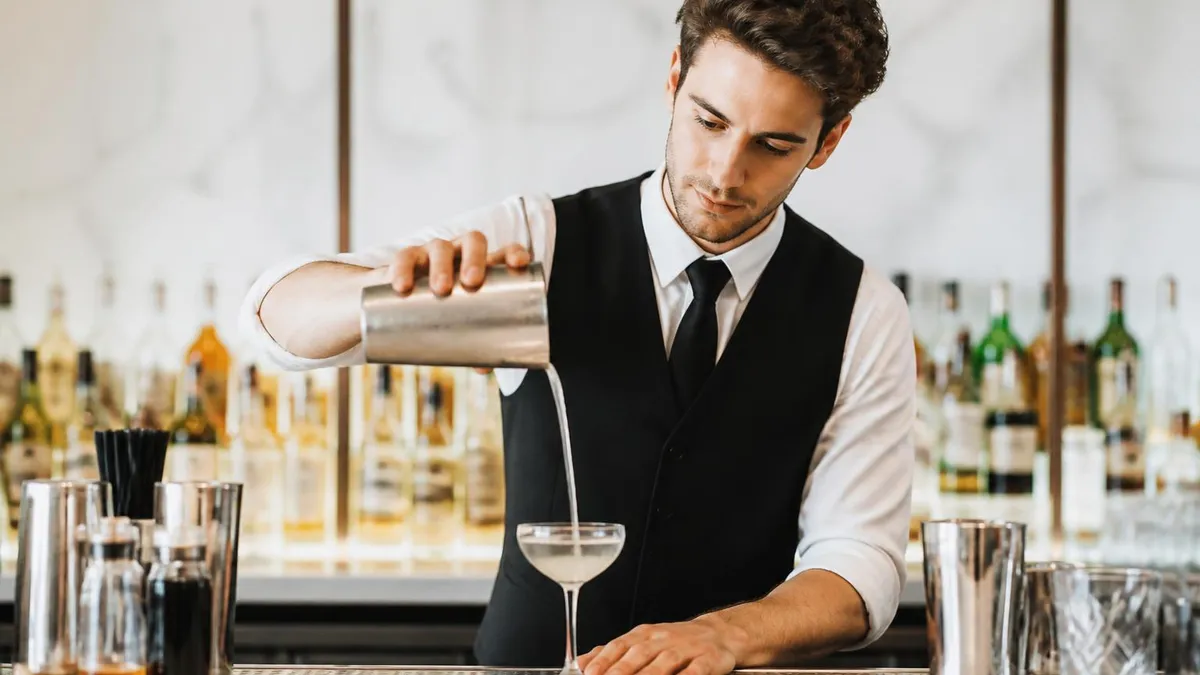
How to Become a Bartender by State: Complete Requirements Guide for All 50 States
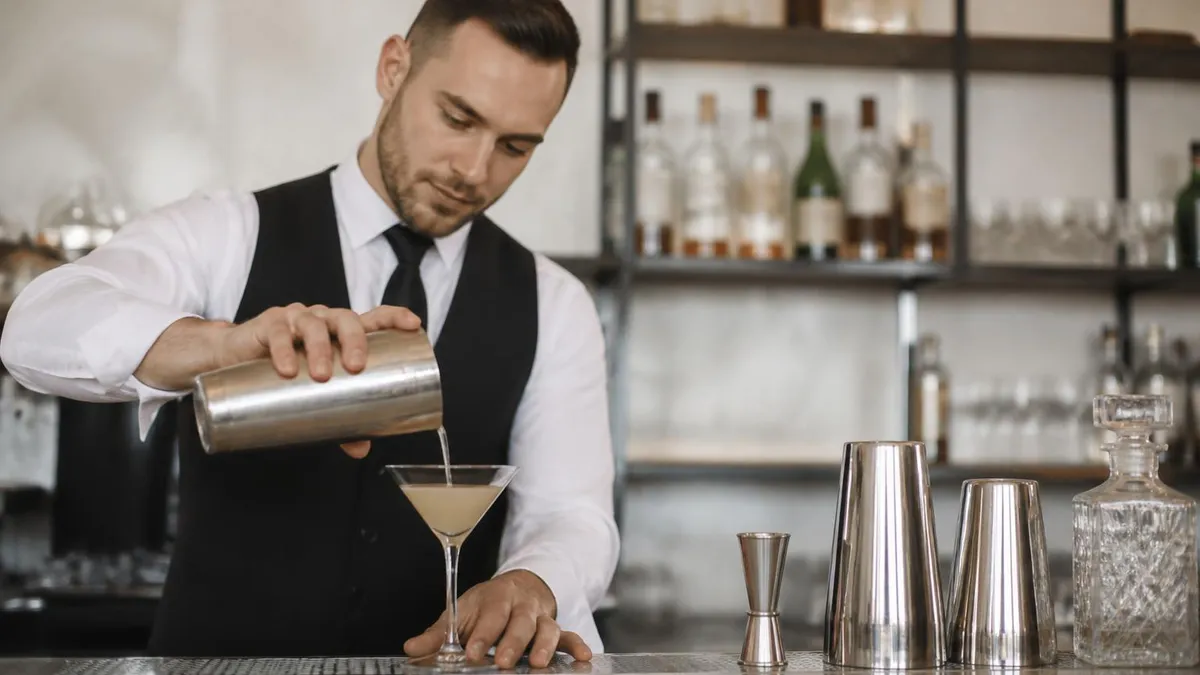
Lady Bartender: A Complete Guide for Women Behind the Bar in 2026

Did Ed Gein Really Kill the Bartender? The True Crime Myth vs. Bartending Reality
About the Author

Executive Chef & Culinary Arts Certification Educator
Culinary Institute of AmericaChef Marco Bellini is a Certified Executive Chef and graduate of the Culinary Institute of America with over 20 years of professional kitchen experience in Michelin-recognized restaurants. He teaches culinary arts certification, food safety, and hospitality exam preparation, having guided thousands of culinary students through their ServSafe, ProStart, and professional chef certifications.
Join the Discussion
Connect with other students preparing for this exam. Share tips, ask questions, and get advice from people who have been there.
View discussion (7 replies)