

ASCS Practice Test
Updated for September 2026The Air Systems Cleaning Specialist (ASCS) certification is a widely recognized credential in the heating, ventilation, and air conditioning (HVAC) industry. Offered by the National Air Duct Cleaners Association (NADCA), this certification validates an individual's expertise in HVAC system cleaning and maintenance. Proper air system cleaning is essential for improving indoor air quality, enhancing HVAC efficiency, and ensuring compliance with industry standards.
Becoming ASCS certified can open doors to career advancement, increased job opportunities, and improved credibility in the HVAC industry. This guide explores the certification process, training requirements, and the importance of air system cleaning.
ASCS Practice Test Questions
Prepare for the ASCS - Air Systems Cleaning Specialist Certification exam with our free practice test modules. Each quiz covers key topics to help you pass on your first try.
ASCS Equipment and Tools
ASCS Exam Questions covering ASCS Equipment and Tools. Master ASCS Test concepts for certification prep.
ASCS Project Planning & Documentation
Free ASCS Practice Test featuring ASCS Project Planning & Documentation. Improve your ASCS Exam score with mock test prep.
ASCS Cleaning Methods and Techniques
ASCS Mock Exam on Cleaning Methods and Techniques. ASCS Study Guide questions to pass on your first try.
ASCS Communication & Stakeholder Engagement
ASCS Test Prep for Communication & Stakeholder Engagement. Practice ASCS Quiz questions and boost your score.
ASCS HVAC System Components and Functions
ASCS Questions and Answers on HVAC System Components and Functions. Free ASCS practice for exam readiness.
ASCS Indoor Air Quality and Contaminants
ASCS Mock Test covering Indoor Air Quality and Contaminants. Online ASCS Test practice with instant feedback.
ASCS Post-Cleaning Verification and Testing
Free ASCS Quiz on Post-Cleaning Verification and Testing. ASCS Exam prep questions with detailed explanations.
ASCS Professional Ethics & Standards
ASCS Practice Questions for Professional Ethics & Standards. Build confidence for your ASCS certification exam.
ASCS Quality Assurance & Compliance
ASCS Test Online for Quality Assurance & Compliance. Free practice with instant results and feedback.
Key Takeaways
Free ASCS Practice Test Online
- The ASCS certification is essential for professionals in HVAC cleaning and maintenance.
- Air systems cleaning improves indoor air quality, energy efficiency, and HVAC performance.
- Proper training is necessary to pass the ASCS exam and gain expertise in air duct cleaning.
- HVAC air cleaning systems help remove pollutants and maintain a healthy indoor environment.
- Diagnosing thermostatic air cleaner systems ensures optimal HVAC functionality.
Air Systems Cleaning Specialist (ASCS) Certification
The ASCS certification is designed for professionals working in the HVAC cleaning and restoration industry. It demonstrates knowledge of industry standards, best practices, and safety regulations.
- ✓Confirm your exam appointment and location
- ✓Bring required identification documents
- ✓Arrive 30 minutes early to check in
- ✓Read each question carefully before answering
- ✓Flag difficult questions and return to them later
- ✓Manage your time — don't spend too long on one question
- ✓Review flagged questions before submitting
Benefits of ASCS Certification
- Validates expertise in HVAC system cleaning and maintenance.
- Enhances professional credibility and trust among clients.
- Increases job opportunities in the HVAC industry.
- Ensures compliance with industry regulations and best practices.
- Demonstrates commitment to improving indoor air quality.
Eligibility Requirements
- While there are no strict prerequisites, candidates should have experience in HVAC system cleaning.
- Completing NADCA-approved training programs is recommended.
- Understanding of HVAC components and cleaning methods is essential.
Exam Structure
- The ASCS exam consists of multiple-choice questions covering HVAC cleaning procedures, regulations, and safety measures.
- The test assesses knowledge of NADCA standards, Occupational Safety and Health Administration (OSHA) regulations, and general HVAC system operations.
- Candidates must achieve a passing score to receive certification.
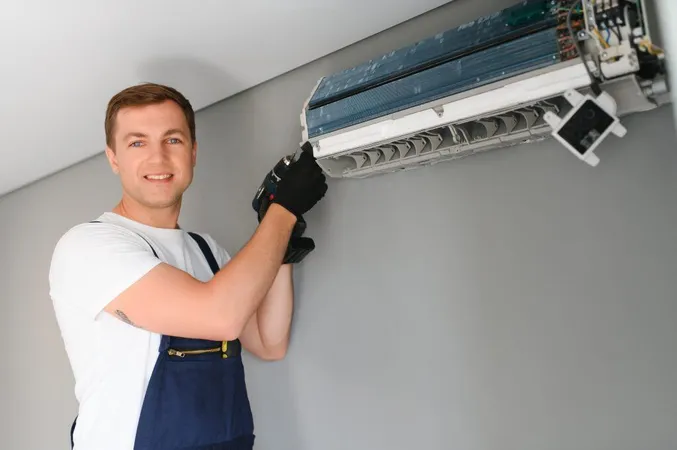
What is Air Systems Cleaning?
Air systems cleaning involves the removal of dust, debris, mold, and contaminants from HVAC components. Over time, HVAC systems accumulate pollutants that can affect performance and air quality. Proper cleaning ensures efficiency and health benefits.
Components of an HVAC System That Require Cleaning
- Air Ducts: Dust and allergens accumulate in air ducts, reducing airflow efficiency.
- Coils: Dirty coils reduce cooling efficiency and increase energy consumption.
- Fans and Blowers: Accumulated debris can cause mechanical failure.
- Filters: Clogged filters restrict airflow and must be replaced regularly.
- Registers and Vents: Dust buildup in vents affects air distribution.
Benefits of Regular Air System Cleaning
- Improves indoor air quality by reducing allergens and contaminants.
- Enhances HVAC system efficiency and lifespan.
- Reduces energy costs by maintaining airflow and system performance.
- Helps prevent health issues caused by mold, bacteria, and airborne pollutants.
Air Systems Cleaning Specialist Training
Training is essential for professionals seeking ASCS certification. Proper education provides knowledge of HVAC systems, cleaning techniques, and industry standards.
Available Training Programs
- NADCA Online Training: Offers courses covering HVAC cleaning methods, safety procedures, and compliance regulations.
- Hands-on Training Workshops: Provide practical experience in HVAC maintenance and air duct cleaning.
- Technical Schools and Certification Programs: Institutions offer specialized HVAC cleaning and maintenance courses.
Key Topics Covered in ASCS Training
- Fundamentals of HVAC system operation.
- Proper cleaning techniques for air ducts and components.
- NADCA standards and industry regulations.
- Safety protocols and hazard prevention.
- Understanding HVAC system contamination sources.
Recommended Study Materials
- NADCA’s “Assessment, Cleaning & Restoration of HVAC Systems” (ACR) Standard.
- OSHA guidelines for workplace safety in HVAC cleaning.
- Industry best practices for air duct and ventilation system maintenance.
HVAC Air Cleaning Systems
HVAC air cleaning systems play a critical role in maintaining indoor air quality. These systems remove pollutants, allergens, and contaminants from the air, ensuring a healthy environment.
Types of HVAC Air Cleaning Systems
- Mechanical Filters: Capture dust and particles through fiber-based filtration.
- Electronic Air Cleaners: Use electrostatic charges to trap airborne pollutants.
- Ultraviolet (UV) Germicidal Irradiation Systems: Kill bacteria and mold spores using UV light.
- Activated Carbon Filters: Remove odors, gases, and chemical pollutants.
Importance of Air Cleaning in HVAC Systems
- Reduces airborne contaminants and allergens.
- Prevents mold growth and bacterial spread.
- Enhances HVAC efficiency by reducing dust accumulation.
- Improves occupant health and comfort.
Maintenance Tips for HVAC Air Cleaning Systems
- Regularly replace filters to maintain airflow and efficiency.
- Clean ducts and components to prevent buildup of debris.
- Inspect and service air cleaning units periodically.
- Follow manufacturer recommendations for maintenance and repairs.
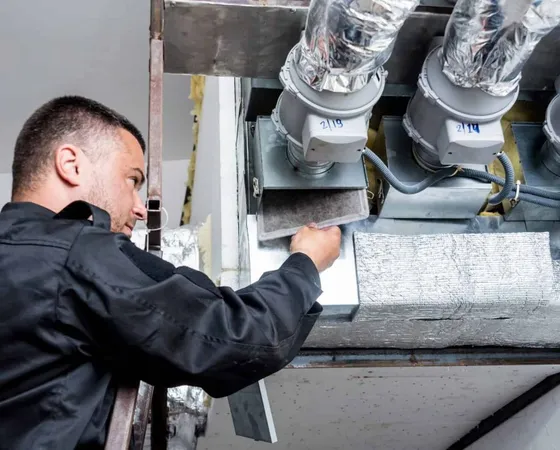
How to Diagnose a Thermostatic Air Cleaner System
A thermostatic air cleaner system helps regulate airflow and maintains HVAC efficiency. Diagnosing issues in these systems ensures optimal performance.
Common Problems in Thermostatic Air Cleaner Systems
- Restricted Airflow: Caused by dirty filters, blockages, or malfunctioning components.
- Inconsistent Temperature Control: Due to sensor or thermostat malfunctions.
- Unusual Noises: May indicate fan motor or airflow issues.
- Increased Energy Consumption: Resulting from inefficient airflow or clogged filters.
Steps to Diagnose and Fix Issues
- Inspect Filters: Replace clogged or dirty filters to restore airflow.
- Check Thermostat Settings: Ensure proper calibration and settings.
- Examine Ductwork for Leaks: Seal any air leaks to improve efficiency.
- Test Fan Motors and Blowers: Address mechanical failures or obstructions.
- Evaluate System Performance: Measure airflow and temperature consistency.
ASCS: Pros and Cons
- +ASCS exam preparation strengthens your knowledge across all domains
- +Passing the exam proves competency to employers and clients
- +Study materials and practice tests are widely available
- +Exam-based credentials are portable across states and employers
- +Clear exam objectives help focus your study plan effectively
- −Exam anxiety can affect performance — practice tests help reduce it
- −Registration fees are non-refundable if you miss your test date
- −Limited retake opportunities may apply with waiting periods
- −Exam content updates periodically — use current study materials
- −Testing center availability may require advance scheduling
(ASCS) Air Systems Cleaning Specialist Certification Questions and Answers
About the Author

Manufacturing Engineer & Quality Certification Expert
Purdue University School of Industrial EngineeringDr. James Park is a licensed Professional Engineer and Six Sigma Black Belt with a Master of Science in Industrial Engineering from Purdue University. He has 17 years of manufacturing operations and quality management experience across automotive and aerospace industries. Dr. Park coaches manufacturing professionals through Six Sigma, Lean Manufacturing, CPIM, and quality engineering certification exams.
Join the Discussion
Connect with other students preparing for this exam. Share tips, ask questions, and get advice from people who have been there.
View discussion (7 replies)