
ARRT vs ASRT: Understanding the Difference Between These Two Radiologic Technology Organizations
ARRT vs ASRT — what's the difference? Learn how each organization shapes your radiology career, from certification to advocacy. 🎓
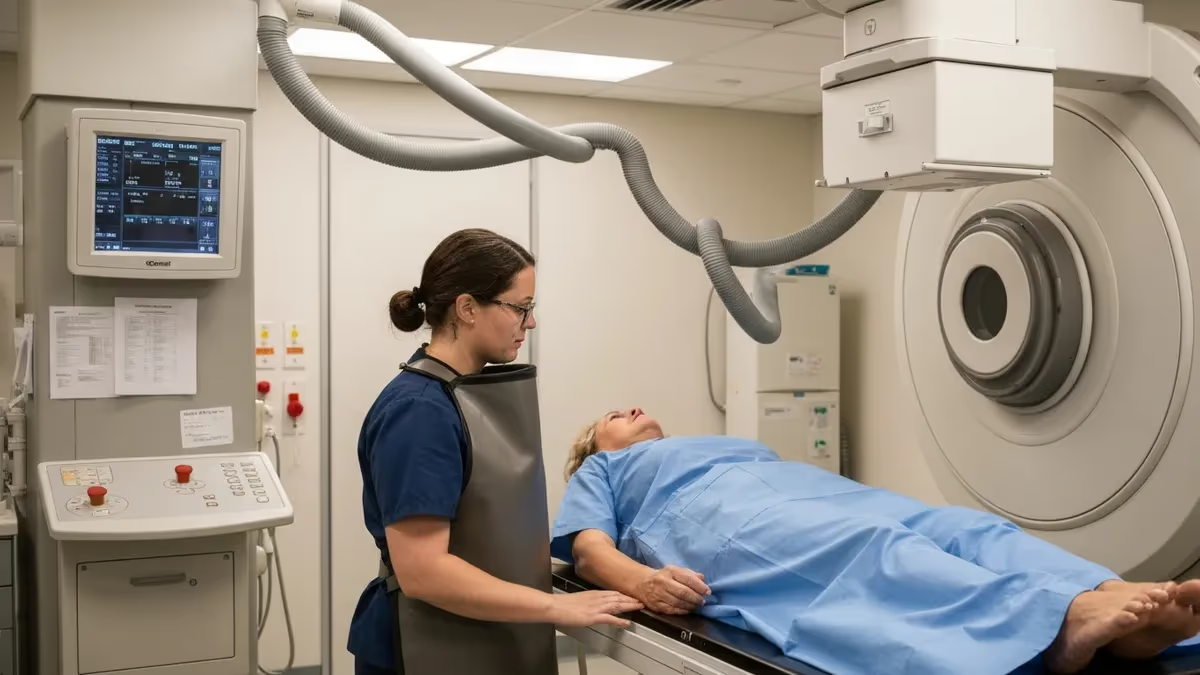
When you begin exploring a career as a radiologic technologist, two acronyms appear almost immediately: ARRT and ASRT. The confusion between arrt vs asrt is completely understandable — both organizations serve the radiologic technology profession in the United States, both use similar abbreviations, and both carry significant weight in your career. However, they serve fundamentally different purposes, and understanding that distinction is essential before you invest time, money, and energy into either relationship.
The American Registry of Radiologic Technologists, or ARRT, is the credentialing body. Think of ARRT as the organization that certifies and registers you, confirming that you have met the educational, ethical, and competency standards required to practice safely. When employers ask whether you are "ARRT registered," they want proof that you passed the national certification examination and that you maintain those credentials through continuing education and ethics compliance.
The American Society of Radiologic Technologists, or ASRT, is the professional membership association. ASRT is the organization that advocates for your rights as a worker, lobbies Congress on issues affecting the profession, provides educational resources, publishes practice standards, and connects you with a community of fellow radiologic technologists across the country. Membership is voluntary, and joining does not certify you to practice — it simply makes you part of a collective voice fighting for better wages, working conditions, and professional recognition.
One of the most common misconceptions among students entering radiologic technology programs is that they must choose between the two organizations. In reality, most working technologists are involved with both. You need ARRT certification to work in most clinical settings, while ASRT membership gives you access to continuing education opportunities, advocacy support, and professional development resources that can help you advance your career over time.
The financial relationship between the two organizations is also distinct. ARRT charges examination fees, renewal fees, and fees for additional credentials. ASRT charges annual membership dues, which vary based on your career status — students pay significantly less than working professionals. Some employers reimburse ASRT membership fees as a professional development benefit, while ARRT fees are typically considered a cost of licensure rather than optional professional development.
Understanding who oversees each organization also clarifies their roles. ARRT is governed by a Board of Trustees and operates independently as a nonprofit credentialing body. Its primary obligation is to the public — ensuring that every registered technologist has demonstrated the knowledge and skills necessary to protect patient safety. ASRT, by contrast, is governed by a Board of Directors elected by its membership, and its primary obligation is to the technologists themselves — advocating for their professional interests and providing the tools they need to succeed.
Throughout this article, you will learn the detailed history of both organizations, how each affects your day-to-day career as a radiologic technologist, what it costs to maintain your relationship with each, and how to use both organizations strategically to maximize your professional success. Whether you are a student just beginning your journey or a working technologist reassessing your professional commitments, this comparison will give you a clear picture of how ARRT and ASRT fit into your career.
ARRT and ASRT by the Numbers
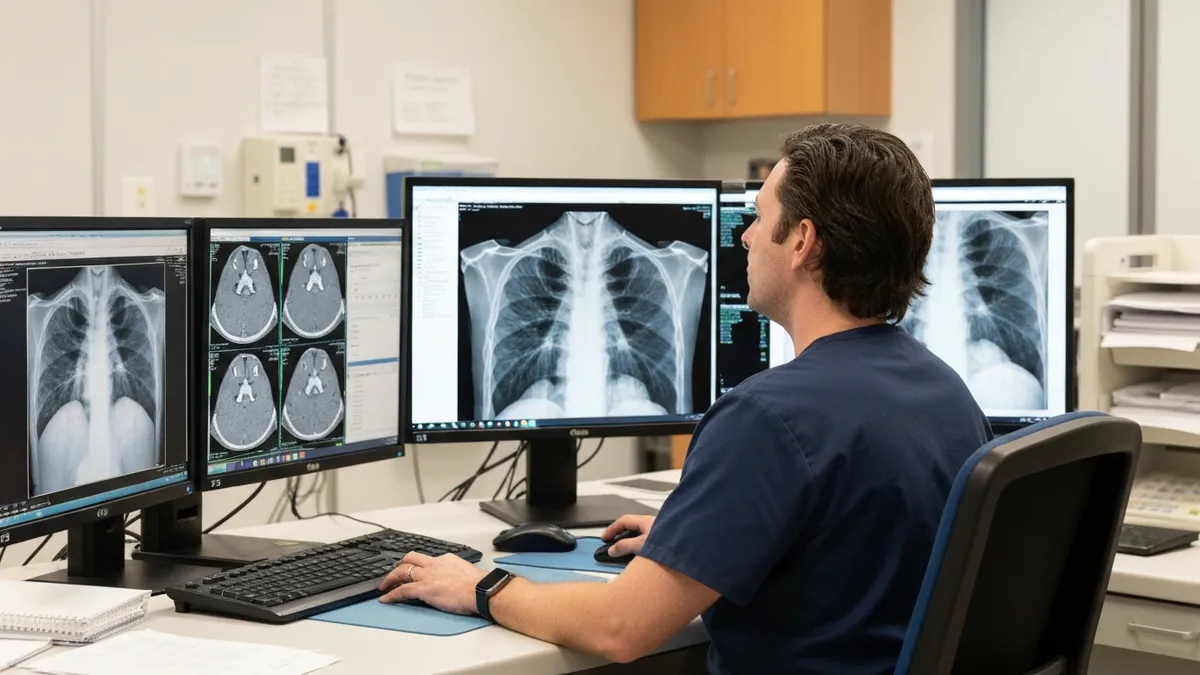
Overview of Each Organization
Founded in 1922, ARRT certifies and registers radiologic technologists who meet its education, examination, and ethics requirements. Employers and state licensing boards rely on ARRT credentials to verify a technologist's qualifications and right to practice.
Founded in 1920, ASRT is the world's largest radiologic technology membership organization. It advocates for the profession at the federal level, publishes practice standards, and provides members with educational resources, career tools, and a professional community.
ARRT sets the competency bar you must clear to practice, while ASRT provides the ongoing support and advocacy that strengthens the profession. Many CE resources ASRT offers also count toward the continuing education ARRT requires for credential renewal.
Nearly every radiologic technologist needs ARRT credentials to be employed — it is not optional in most states or facilities. ASRT membership is voluntary but strategically valuable for career growth, professional networking, and staying current on legislative issues.
The American Registry of Radiologic Technologists was established in 1922, making it one of the oldest healthcare credentialing bodies in the United States. From the very beginning, ARRT's mission centered on protecting the public by ensuring that individuals who performed radiologic procedures had demonstrated minimum competency. Over the decades, that mission expanded as the profession itself grew — from simple x-ray imaging to computed tomography, magnetic resonance imaging, nuclear medicine, radiation therapy, interventional radiology, and beyond.
ARRT administers credentialing examinations across more than two dozen specialty areas today. Each pathway requires candidates to complete an accredited educational program and meet specific clinical requirements before they can even sit for the examination. The primary credential — Radiography (R) — remains the most widely held, but thousands of technologists hold post-primary credentials in areas like Computed Tomography (CT), Magnetic Resonance Imaging (MRI), Mammography (M), and Cardiovascular-Interventional Radiography (CV). These additional credentials signal advanced expertise and often lead to higher salaries and expanded career opportunities.
Once you earn an ARRT credential, maintaining it requires ongoing effort. Every two-year renewal cycle, ARRT-registered technologists must complete 24 continuing education credits to demonstrate that they are staying current with advances in their field. Additionally, technologists must comply with ARRT's Standards of Ethics, which prohibit conduct ranging from criminal conviction to professional misconduct. Violations can result in credential suspension or revocation, which in most states means you lose your right to practice.
The American Society of Radiologic Technologists, in contrast, predates ARRT by two years. ASRT was founded in 1920 as a way to unify radiologic technology practitioners who recognized the need for collective advocacy and professional standards. The organization has grown into a global force with members not only across all 50 states but also in dozens of countries where radiologic technologists look to ASRT's resources for professional development.
ASRT's influence on the profession is most visible in its legislative advocacy work. The organization employs lobbyists who work directly with Congress to push for legislation favorable to radiologic technologists — including bills that address safe staffing ratios, radiation protection for patients, and reimbursement policies that affect how facilities budget for imaging services. When you pay ASRT membership dues, part of that money funds these ongoing advocacy efforts on your behalf, even if you never personally attend a legislative briefing or visit Capitol Hill.
Another critical function of ASRT is the development and publication of practice standards for radiologic technology. These documents, which ASRT updates regularly in consultation with clinical experts, describe the expected scope of practice, competencies, and professional behaviors for technologists in each imaging modality. While these standards are not law, they carry enormous influence — state licensing boards, professional liability insurers, and healthcare accreditation organizations often reference ASRT practice standards when evaluating whether a technologist performed procedures appropriately.
It is also worth noting that ASRT provides one of the most comprehensive libraries of continuing education content available to radiologic technologists. Members can access online CE modules, webinars, and journals that count toward the 24 CE credits ARRT requires for renewal. For many technologists, ASRT membership effectively pays for itself when you factor in the cost of obtaining CE credits through other channels versus the CE included with membership at no additional cost.
ARRT Certification vs ASRT Membership: What Each Provides
ARRT certification is the professional credential that authorizes you to practice as a radiologic technologist in the United States. Earning your ARRT credential involves completing an accredited radiologic technology program, fulfilling clinical competency requirements, passing a national examination, and agreeing to abide by the ARRT Standards of Ethics. The credential is recognized by employers, state licensing boards, and healthcare accreditation agencies as the gold standard of technologist competency.
Once certified, you maintain your ARRT registration by completing 24 continuing education credits every two years and renewing your credential before it lapses. ARRT also offers post-primary credentials in specialty areas like CT, MRI, and mammography, which require additional examination and clinical experience. Holding multiple ARRT credentials is a powerful way to increase your marketability and earning potential in a competitive job market where imaging specialists command premium salaries.
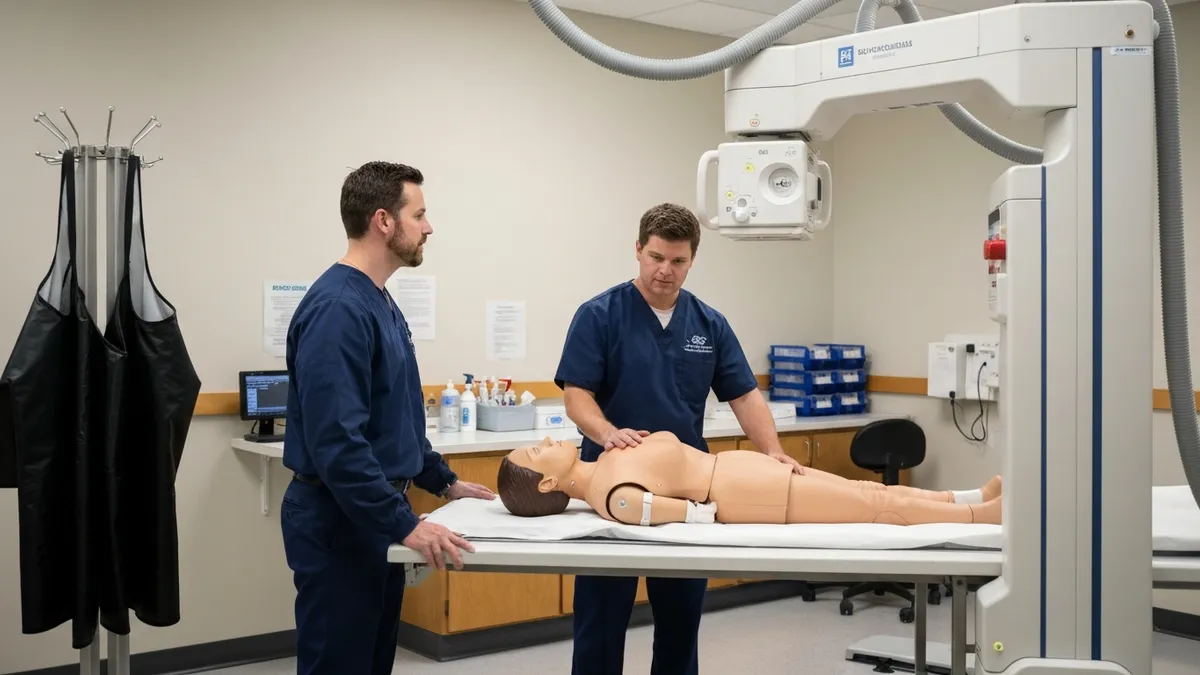
Pros and Cons of Each Organization's Requirements
- +ARRT credential is universally recognized by employers across all 50 states
- +ARRT post-primary credentials demonstrate advanced expertise and increase earning potential
- +ARRT ethics standards protect both patients and the professional reputation of technologists
- +ASRT provides access to affordable CE credits that satisfy ARRT renewal requirements
- +ASRT membership connects you to a national network of radiologic technology professionals
- +ASRT legislative advocacy fights for your salary, scope of practice, and working conditions
- −ARRT examination and renewal fees create ongoing costs throughout your career
- −ARRT continuing education requirements (24 credits per 2 years) demand consistent time investment
- −ARRT ethics violations can permanently revoke your ability to practice in the field
- −ASRT membership dues add recurring annual expenses that some technologists consider optional
- −ASRT advocacy outcomes are not guaranteed — legislative victories take years of sustained effort
- −Neither organization directly controls state-level licensure, which adds another layer of requirements
Pros and Cons at a Glance
| Pros | Cons |
|---|---|
| ARRT post-primary credentials demonstrate advanced expertise and increase earning potential | ARRT examination and renewal fees create ongoing costs throughout your career |
| ARRT ethics standards protect both patients and the professional reputation of technologists | ARRT ethics violations can permanently revoke your ability to practice in the field |
| ASRT provides access to affordable CE credits that satisfy ARRT renewal requirements | ASRT membership dues add recurring annual expenses that some technologists consider optional |
| ASRT membership connects you to a national network of radiologic technology professionals | ASRT advocacy outcomes are not guaranteed — legislative victories take years of sustained effort |
| ASRT legislative advocacy fights for your salary, scope of practice, and working conditions | Neither organization directly controls state-level licensure, which adds another layer of requirements |
What Every Radiologic Technologist Should Do With Both Organizations
- ✓Complete an ARRT-recognized accredited radiologic technology program before applying to sit for the exam.
- ✓Submit your ARRT application for examination only after verifying all clinical competency requirements are met.
- ✓Schedule your ARRT primary credential examination promptly after graduation while material is fresh.
- ✓Set up your ARRT online account to track CE credits and monitor your credential renewal deadline.
- ✓Join ASRT as a student member to access discounted dues and begin building your professional network early.
- ✓Explore ASRT's free CE library each year to identify modules that also satisfy your ARRT renewal requirements.
- ✓Follow ASRT's legislative alerts to stay informed about bills that could affect your scope of practice or salary.
- ✓Review ASRT's practice standards for your imaging modality to ensure your clinical practice aligns with professional expectations.
- ✓Consider pursuing an ARRT post-primary credential in CT, MRI, or another specialty to expand your career options.
- ✓Renew your ARRT credential before the expiration date to avoid reinstatement fees and employment gaps.
Your ARRT Credential Is Non-Negotiable — Your ASRT Membership Is a Career Multiplier
ARRT certification is required to work as a radiologic technologist in nearly every U.S. facility and state. Without it, you simply cannot practice. ASRT membership, while not required, strategically accelerates your career by providing affordable CE, salary data, and professional advocacy. Treating ASRT as optional is a missed opportunity — especially when student membership costs less than $50 per year.
Understanding the cost structure of both ARRT and ASRT is critical for financial planning, especially if you are a student entering the profession. The fees associated with ARRT are primarily examination-based and renewal-based. As of the most recent published fee schedules, the ARRT application and examination fee for primary credentials runs approximately $200, though this figure can shift slightly from year to year. This fee covers your examination registration and the processing of your credential once you pass. There is no separate fee for the credential itself — the examination fee covers both.
Renewal fees for ARRT credentials are charged every two years and currently run approximately $110 per credential. If you hold multiple credentials — for example, Radiography (R) and Computed Tomography (CT) — you pay a renewal fee for each. For technologists who hold three or four credentials, biennial renewal costs can therefore exceed $300 to $400 every two years. ARRT does offer a consolidated renewal process that makes managing multiple credentials somewhat easier, and some employers include credential renewal reimbursement as part of their benefits packages.
Reinstatement fees, which apply when a credential lapses before renewal is completed, are significantly higher than standard renewal fees. ARRT currently charges a reinstatement fee that is roughly double the standard renewal amount. This financial penalty underscores the importance of tracking your renewal deadline carefully and completing your 24 CE credits well before your credential expires. Missing the renewal window by even a few days can result in a credential lapse that you then have to pay significantly more to correct.
ASRT membership dues vary by category. Student memberships — for those currently enrolled in a radiologic technology program — cost approximately $40 to $50 per year, making it one of the most affordable professional memberships available in any healthcare field. New graduate memberships offer a discounted rate for technologists in their first year of professional practice, typically around $75 to $85 per year. Full professional membership currently runs approximately $140 to $155 per year for a standard individual membership, though ASRT periodically adjusts these rates.
For many technologists, the math on ASRT membership is compelling when you factor in what it provides. ASRT members receive access to a continuing education library that, if you were purchasing individual CE modules elsewhere, could easily cost $100 to $200 or more over two years. Combining those CE savings with access to the professional journal, salary survey data, career resources, and legislative advocacy, the annual membership cost often represents a strong return on investment — even before you consider the less tangible benefits of belonging to a professional community.
There is also a cost consideration around state licensure that intersects with both organizations. Many states require radiologic technologists to hold a state license in addition to their ARRT credential. While some states issue their licenses automatically to ARRT-registered technologists, others require separate applications, fees, and sometimes additional examinations. These state-level costs are separate from both ARRT and ASRT fees, and they add another layer of financial planning that technologists — especially those who work across state lines — need to track carefully.
Scholarships and financial assistance are available through both organizations to help offset costs for students and early-career professionals. ASRT's Education and Research Foundation awards scholarships annually to radiologic technology students who demonstrate academic merit and professional commitment. ARRT, while not a scholarship-granting body itself, partners with educational institutions that offer financial assistance to students preparing for credentialing examinations. Investigating these opportunities early in your educational journey can meaningfully reduce the financial burden of entering the profession.
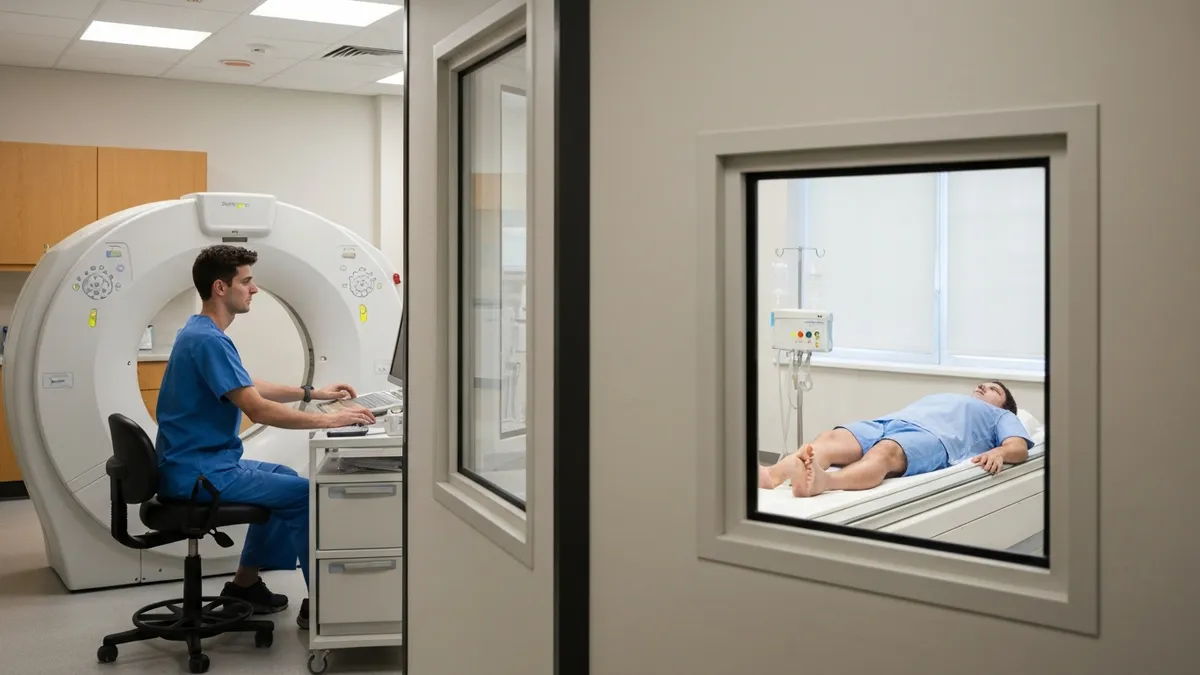
ARRT credential reinstatement fees are significantly higher than standard renewal fees, and a lapsed credential can disqualify you from employment immediately. Track your renewal deadline in your calendar at least six months in advance, and complete all 24 continuing education credits well before the deadline. Many employers will not retain a technologist whose credential has expired, even temporarily.
From a career strategy perspective, the most successful radiologic technologists treat ARRT and ASRT not as competing obligations but as complementary pillars of their professional identity. Your ARRT credential establishes your right to practice and signals your competency to employers. Your ASRT membership connects you to the resources, community, and advocacy that help you grow within the profession over a 30- to 40-year career. Neglecting either organization leaves a gap in your professional foundation that is difficult to compensate for through other means.
Salary data consistently shows that radiologic technologists who hold multiple ARRT credentials earn more than those who hold only the primary Radiography credential. The Bureau of Labor Statistics reports median annual wages for radiologic technologists in the range of $65,000 to $75,000, but technologists with CT, MRI, or interventional credentials often earn significantly more — sometimes 20 to 30 percent above the median for their geographic region. Pursuing post-primary ARRT credentials is therefore one of the most reliable strategies for increasing your earnings over time.
ASRT membership contributes to career advancement in ways that are less directly measurable but no less real. Technologists who stay engaged with ASRT's publications and educational programs tend to be better informed about changes in imaging technology, evolving practice standards, and emerging career opportunities. This knowledge advantage compounds over time — the technologist who consistently engages with professional development is better positioned for supervisory roles, specialized positions, and career transitions into related fields like medical dosimetry or radiologist assistant programs.
Networking through ASRT also opens doors that are invisible to technologists who practice in isolation. ASRT's annual Symposium and Summit conference brings together thousands of radiologic technology professionals from across the country, including educators, administrators, vendors, and clinical specialists. Attending this event even once can expose you to career opportunities, mentorship relationships, and professional insights that would be difficult or impossible to access through your local workplace alone. Many technologists credit ASRT events with providing the career pivots that led them to their most fulfilling positions.
For technologists considering education or management career paths, both ARRT and ASRT offer resources that support those transitions. ARRT credentials remain relevant even if you move into a faculty position at a radiologic technology program, as accreditation standards typically require educators in these programs to hold active ARRT credentials. ASRT's educational division, meanwhile, offers resources specifically designed for technologists who are transitioning into teaching, program administration, or clinical education roles within healthcare facilities.
Legislative advocacy through ASRT has produced concrete professional wins over the decades. The organization has successfully lobbied for federal legislation requiring radiation dose optimization in imaging facilities, supported scope of practice expansions in multiple states, and advocated for patient-centered imaging safety reforms. These victories benefit every radiologic technologist regardless of ASRT membership status — but they would not be possible without the collective resources that membership dues provide. In that sense, joining ASRT is an investment not just in your personal career but in the future of the entire profession.
Finally, it is worth understanding how both organizations handle disciplinary matters and professional accountability. ARRT maintains a public database of credential verification that allows employers and patients to confirm a technologist's registration status and check for any disciplinary actions. This transparency is part of ARRT's commitment to public protection. ASRT, as a membership organization, does not have the same enforcement authority, but it does maintain a code of ethics that members are expected to uphold, and it can revoke membership for serious violations of professional conduct standards.
Preparing for your ARRT examination requires a strategic approach that combines content mastery, test-taking skill development, and familiarity with the exam's specific format. The ARRT Radiography examination consists of 220 questions, of which 200 are scored and 20 are pretest items that do not affect your score. The exam is administered by computer at Prometric testing centers nationwide, and you have three and a half hours to complete it. Understanding this structure helps you pace yourself effectively during the actual exam.
The content categories tested on the ARRT Radiography examination include Radiation Protection, Equipment Operation and Quality Control, Image Acquisition and Evaluation, Imaging Procedures, and Patient Care and Education. Each category carries a specific percentage weight in the overall exam score, so you should allocate your study time proportionally rather than studying all areas equally. The ARRT publishes a detailed content specifications document that lists exactly which topics appear on the examination, and using this document as your study roadmap is far more efficient than relying on a general textbook overview alone.
Practice examinations are one of the most effective tools for ARRT preparation. Research on testing and learning consistently shows that practicing retrieval — forcing yourself to recall information without looking at notes — produces stronger long-term retention than re-reading or passive review. Taking full-length practice exams under timed conditions also helps you build the stamina and pacing skills you will need on examination day, where managing your time across 200 scored questions in three and a half hours requires deliberate strategy.
ASRT provides study resources that complement your ARRT preparation, including review courses, practice question banks, and examination preparation guides. Many radiologic technology programs also offer review sessions for graduating students in the weeks before they take the ARRT examination. If your program offers these sessions, attending them is strongly recommended — the combination of instructor-led review and peer discussion often surfaces knowledge gaps that independent study misses.
Ethics compliance is an area of ARRT preparation that many candidates underestimate. The ARRT Standards of Ethics apply from the moment you submit your examination application — any criminal history or professional misconduct that comes to light during the pre-application review can result in delayed or denied examination eligibility. Being honest and thorough in your pre-application disclosures is always the best approach, as the consequences of omission are far more severe than the consequences of transparency about past issues that ARRT's pre-application evaluation committee has the authority to review and potentially excuse.
After you pass your ARRT examination, the transition from candidate to registered technologist requires a few administrative steps that are easy to overlook in the excitement of receiving passing results. You must apply for your state license (if your state requires one), update your professional contact information with ARRT so renewal reminders reach you, and begin tracking your continuing education credits from day one. Setting up an ASRT student-to-professional membership conversion at this point also ensures continuity of benefits during the transition to full-time employment.
The most important long-term career advice for any radiologic technologist is to remain engaged with both ARRT and ASRT throughout your career, not just during the credentialing phase. The profession continues to evolve rapidly — artificial intelligence is being integrated into imaging interpretation workflows, new modalities are emerging, and the scope of practice for radiologic technologists is expanding in many states.
Staying connected to both the credentialing standards that ARRT maintains and the professional community that ASRT builds will help you navigate these changes successfully and position yourself as a leader in the field rather than a passive follower of change.
Sample ARRT - American Registry of Radiologic Technologists Practice Questions
Try these questions from our free ARRT - American Registry of Radiologic Technologists practice tests. The correct answer and an explanation follow each question.
What is the relationship between mAs and receptor exposure in digital radiography?
- A. Inverse relationship — doubling mAs halves exposure
- B. Direct relationship — doubling mAs doubles receptor exposure
- C. No relationship — mAs only affects contrast
- D. Doubling mAs quadruples exposure
Answer: B. Direct relationship — doubling mAs doubles receptor exposure
mAs directly controls the quantity of X-ray photons produced; doubling mAs doubles the number of photons reaching the receptor and doubles exposure.
For a parietoacanthial projection (Waters method) of the facial bones, what is the correct relationship between the positioning lines and the image receptor (IR) to best demonstrate the maxillary sinuses?
- A. Orbitomeatal line (OML) is perpendicular to the IR.
- B. Midsagittal plane (MSP) is parallel to the IR.
- C. Acanthomeatal line (AML) forms a 37-degree angle with the IR.
- D. Mentomeatal line (MML) is perpendicular to the IR, placing the OML at a 37-degree angle to the IR.
Answer: D. Mentomeatal line (MML) is perpendicular to the IR, placing the OML at a 37-degree angle to the IR.
In the parietoacanthial (Waters method) projection, the patient's head is tilted back so the chin touches the IR. This positioning makes the mentomeatal line (MML) perpendicular to the image receptor. As a result, the orbitomeatal line (OML) forms an approximately 37-degree angle with the IR. This specific angulation projects the dense petrous ridges just below the floor of the maxillary sinuses, providing an unobstructed view.
Which interaction between X-ray photons and matter is the primary source of occupational scatter radiation in diagnostic imaging?
- A. Photoelectric effect
- B. Compton scatter
- C. Pair production
- D. Photonuclear reaction
Answer: B. Compton scatter
Compton scatter is the dominant interaction at diagnostic energies (above ~30 keV) and is the main source of scatter radiation reaching the technologist.
Which of the following correctly describes the relationship between focal spot size and spatial resolution?
- A. A larger focal spot produces better spatial resolution
- B. A smaller focal spot produces better spatial resolution by reducing geometric unsharpness
- C. Focal spot size has no effect on spatial resolution at standard SIDs
- D. Spatial resolution improves as focal spot size increases due to increased photon flux
Answer: B. A smaller focal spot produces better spatial resolution by reducing geometric unsharpness
A smaller focal spot reduces geometric unsharpness (penumbra), which improves the sharpness and spatial resolution of the radiographic image.
Take the full ARRT - American Registry of Radiologic Technologists practice test
ARRT Questions and Answers

ARRT Practice Test PDF (Free Printable 2026)

ARRT Mock Exam 2026: Free Practice Tests for Radiologic Technologists

ARRT Radiography Exam 2026: Complete Practice Test & Study Guide

ARRT Passing Score: What You Need to Know to Pass the Registry Exam

How Many CE Credits Do I Need for ARRT? Complete Continuing Education Guide
About the Author

Medical Laboratory Scientist & Clinical Certification Expert
Johns Hopkins UniversityDr. Sandra Kim holds a PhD in Clinical Laboratory Science from Johns Hopkins University and is certified as a Medical Technologist (MT) and Medical Laboratory Scientist (MLS) through ASCP. With 16 years of clinical laboratory experience spanning hematology, microbiology, and molecular diagnostics, she prepares candidates for ASCP board exams, MLT, MLS, and specialist certification tests.