

APM Practice Test
Updated for September 2026In the fast-paced world of product development, the ability to adapt and respond to changes quickly is critical for success. This is where Agile Product Management (APM) plays a vital role. Agile methodologies allow product managers to deliver high-quality products through iterative cycles, better collaboration, and continuous improvement. For professionals aiming to enhance their skills and credentials, obtaining an Agile Product Management Certification can be a transformative career step. Agile Product Management differs from traditional approaches by focusing on customer satisfaction, flexibility, and responding to market changes. The increasing demand for professionals proficient in Agile methods has led to the popularity of Agile certifications. In this guide, we will explore everything you need to know about Agile Product Management, including certification details, training, lifecycle, and the benefits of Agile in the product management domain.
APM Practice Test Questions
Prepare for the APM - Agile Product Management Certification exam with our free practice test modules. Each quiz covers key topics to help you pass on your first try.
APM Agile Methodologies and Frameworks
APM Exam Questions covering Agile Methodologies and Frameworks. Master APM Test concepts for certification prep.
APM Agile Metrics & Reporting
Free APM Practice Test featuring Agile Metrics & Reporting. Improve your APM Exam score with mock test prep.
APM Agile Product Strategy and OKRs
APM Mock Exam on Agile Product Strategy and OKRs. APM Study Guide questions to pass on your first try.
APM Product Discovery & Validation
APM Test Prep for APM Product Discovery & Validation. Practice APM Quiz questions and boost your score.
APM Release Planning & Delivery
APM Questions and Answers on APM Release Planning & Delivery. Free APM practice for exam readiness.
APM Kanban & Lean Principles
APM Mock Test covering Kanban & Lean Principles. Online APM Test practice with instant feedback.
APM Product Backlog Management
Free APM Quiz on Product Backlog Management. APM Exam prep questions with detailed explanations.
APM Product Backlog Management and Priorit...
APM Practice Questions for Product Backlog Management and Prioritization. Build confidence for your APM certification exam.
APM Product Vision and Roadmap
APM Test Online for Product Vision and Roadmap. Free practice with instant results and feedback.
APM Retrospectives & Continuous Improvement
APM Study Material on Retrospectives & Continuous Improvement. Prepare effectively with real exam-style questions.
APM Scrum Framework & Ceremonies
Free APM Test covering Scrum Framework & Ceremonies. Practice and track your APM exam readiness.
APM Sprint Planning & Estimation
APM Exam Questions covering Sprint Planning & Estimation. Master APM Test concepts for certification prep.
APM Stakeholder Engagement
Free APM Practice Test featuring Stakeholder Engagement. Improve your APM Exam score with mock test prep.
Key Takeaways
Free APM Practice Test Online
Agile Product Management Certification is essential for product managers who want to demonstrate expertise in Agile practices.
The Agile Product Management lifecycle follows iterative processes, ensuring continuous feedback and improvement at each stage.
APM training equips product managers with the necessary tools and techniques to excel in Agile environments.
Understanding the distinction between Agile Product Management and Project Management is crucial for optimizing your approach to both domains.
Agile methodologies are increasingly vital in the rapidly changing field of product management, ensuring better alignment with customer needs and market trends.
What is Agile Product Management?
Agile Product Management (APM) is a methodology used to manage the development of products in a more flexible and adaptive way. Unlike traditional product management methods, Agile emphasizes delivering small, incremental changes over time rather than large, monolithic releases. This approach allows product managers to better respond to changing market conditions, customer feedback, and team capabilities.
Agile Product Management is based on principles set out in the Agile Manifesto, which focuses on:
Customer collaboration over contract negotiation
Responding to change over following a fixed plan
Delivering working solutions over documentation
Individuals and interactions over processes and tools
These principles are crucial for product managers who are tasked with creating products that meet customer needs and adapt to market changes quickly.

The Agile Product Management Lifecycle
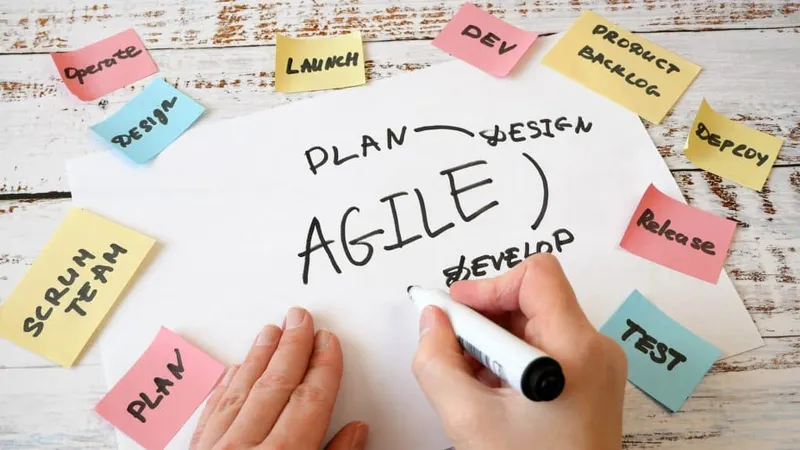
The Agile Product Management lifecycle is a continuous, iterative process that allows teams to develop products in stages. Each iteration results in a potentially shippable product increment. Here's an overview of the key stages in the lifecycle:
Conceptualization: This is where product vision and strategy are defined. The goal is to align the product with customer needs and business objectives.
Planning: At this stage, the product team creates a roadmap and prioritizes features based on customer value, business goals, and resource availability.
Development: Agile methodologies, such as Scrum or Kanban, are employed to build the product in short, iterative cycles (sprints). Each sprint delivers a small, working part of the product.
Testing: During development, testing is conducted continuously to ensure the product meets quality standards. This iterative testing process helps detect and resolve issues early.
Launch: After development and testing, the product is released to the market. Feedback is gathered from users to inform future iterations.
Evaluation and Feedback: Agile teams frequently collect customer feedback to guide future product development and improve existing features.
The iterative nature of the Agile Product Management lifecycle helps product managers stay on track, ensure product quality, and make necessary adjustments based on user feedback.
APM Training: Gaining Expertise in Agile Methodologies
Agile Product Management training is designed to equip professionals with the knowledge and skills needed to manage product development in an Agile environment. These training programs typically cover a wide range of topics, including:
Agile principles and frameworks: Understanding the core principles behind Agile methodologies such as Scrum, Kanban, and Lean.
Product backlog management: Learning how to prioritize features and tasks effectively based on customer needs and business goals.
Stakeholder communication: Mastering how to engage with internal and external stakeholders and manage expectations.
Iteration planning and review: Gaining proficiency in planning sprints, setting goals, and reviewing progress after each iteration.
Many certifications are available for Agile Product Management, including Certified Scrum Product Owner (CSPO), Agile Certified Product Manager and Product Owner (ACPMPO), and other Agile-related credentials. These certifications can significantly boost a product manager’s resume and increase job prospects.
Agile Product Management vs Project Management: Understanding the Key Differences
While both Agile Product Management and Project Management share common goals of delivering successful outcomes, they differ significantly in their approaches and roles.
Scope and Focus: Agile Product Management focuses on managing the continuous evolution of the product, with an emphasis on responding to change. In contrast, Project Management focuses on completing specific, defined goals within a set timeframe.
Iterations: In Agile Product Management, work is completed in small iterations (sprints), allowing teams to adjust frequently. Project Management, however, typically follows a linear or waterfall approach with a clear start and end date.
Collaboration: Agile Product Managers work closely with stakeholders throughout the process to refine product features. Project Managers are more likely to manage timelines, budgets, and scope.
Understanding the differences between Agile Product Management and traditional Project Management can help organizations align their teams and processes effectively for the best possible product outcomes.
Is Agile Important for Product Management?
In today's fast-evolving business environment, Agile is essential for Product Management. The ability to quickly adapt to customer needs, gather real-time feedback, and iterate on products is paramount. Agile methodologies provide the tools and processes needed to maintain a competitive edge, especially in industries where rapid innovation is crucial.
By embracing Agile, product managers can:
Better meet customer needs by frequently releasing updates and new features
Improve collaboration across teams, including development, marketing, and sales
Increase efficiency by focusing on high-priority features that offer the most value
Respond to market changes quickly, ensuring that products remain relevant and competitive
Agile’s flexibility and focus on customer satisfaction make it a must-have approach for modern product management.
Conclusion
Agile Product Management is transforming how products are developed and delivered. The Agile Product Management Certification empowers professionals with the skills to manage the lifecycle of products in an iterative and responsive manner. Whether you are looking to transition to Agile or deepen your existing knowledge, this certification is an excellent step to take.
Understanding the lifecycle, getting proper APM training, and distinguishing between Agile Product Management and traditional Project Management will position you as a valuable asset in the product development world. Agile’s focus on collaboration, iteration, and adaptability ensures that products are built more efficiently and effectively, aligning perfectly with modern business needs.
APM: Pros and Cons
- +APM certification validates expertise recognized by employers nationwide
- +Certified professionals typically earn 15-20% higher salaries
- +Opens doors to advanced positions and leadership roles
- +Demonstrates commitment to professional standards and ethics
- +Builds a strong professional network through certification communities
- −Exam preparation typically requires 2-4 months of dedicated study
- −Certification and exam fees can range from $150-$500+
- −Must complete continuing education to maintain active certification
- −Pass rates vary — thorough preparation is essential for success
- −Some certifications require prerequisite experience or education
(APM) Agile Product Management Certification Questions and Answers
About the Author

Project Management Professional & Agile Certification Expert
University of Chicago Booth School of BusinessKevin Marshall is a Project Management Professional (PMP), PMI Agile Certified Practitioner (PMI-ACP), PRINCE2 Practitioner, and Certified Scrum Master with an MBA from the University of Chicago Booth School of Business. With 16 years of program management experience across technology, finance, and healthcare sectors, he coaches professionals through PMP, PRINCE2, SAFe, CSPO, and agile certification exams.
Join the Discussion
Connect with other students preparing for this exam. Share tips, ask questions, and get advice from people who have been there.
View discussion (9 replies)