

APE Practice Test
Updated for September 2026Adaptive Physical Education (APE) is a specialized area of physical education aimed at providing students with disabilities the opportunity to participate in physical activities tailored to their individual needs. The focus of APE is to ensure that students with physical, intellectual, or developmental disabilities have access to quality physical education programs. As more schools adopt inclusive educational practices, the demand for trained professionals in APE continues to grow. In this article, we will explore what Adaptive Physical Education is, the role of APE teachers, job opportunities in the field, available programs, and how to obtain APE certification online.
APE Practice Test Questions
Prepare for the APE - Adaptive Physical Education Certification exam with our free practice test modules. Each quiz covers key topics to help you pass on your first try.
APE Adaptation and Modification Techniques
APE Exam Questions covering Adaptation and Modification Techniques. Master APE Test concepts for certification prep.
APE Disability-Specific Knowledge & Condit...
Free APE Practice Test featuring APE Disability-Specific Knowledge & Conditions. Improve your APE Exam score with mock test prep.
APE Motor Development & Physical Fitness
APE Mock Exam on APE Motor Development & Physical Fitness. APE Study Guide questions to pass on your first try.
APE Assessment Design & Student Evaluation
APE Test Prep for Assessment Design & Student Evaluation. Practice APE Quiz questions and boost your score.
APE Curriculum Design & Program Planning
APE Questions and Answers on Curriculum Design & Program Planning. Free APE practice for exam readiness.
APE Differentiated Instruction & Learning ...
APE Mock Test covering Differentiated Instruction & Learning Styles. Online APE Test practice with instant feedback.
APE Educational Technology & Digital Literacy
Free APE Quiz on Educational Technology & Digital Literacy. APE Exam prep questions with detailed explanations.
APE Evaluation and Measurement
APE Practice Questions for Evaluation and Measurement. Build confidence for your APE certification exam.
APE Instructional Strategies for Students ...
APE Test Online for Instructional Strategies for Students with Disabilities. Free practice with instant results and feedback.
Key Takeaways
Free APE Practice Test Online
Adaptive Physical Education (APE) is a crucial component of inclusive education, ensuring that students with disabilities have access to physical education opportunities tailored to their needs.
APE teachers are specially trained educators who develop individualized programs to help students with disabilities develop motor skills, improve fitness, and participate in physical activities.
Job opportunities in APE are increasing as the demand for inclusive education grows, with positions available in schools, community programs, and private sectors.
Several programs offer APE certification online, allowing educators to specialize and enhance their careers while gaining the knowledge needed to work effectively with students with disabilities.
What is Adaptive Physical Education?
Adaptive Physical Education refers to physical education programs that are specifically designed to meet the needs of students with disabilities. Unlike general physical education, which is focused on enhancing the fitness and motor skills of all students, APE programs are tailored to accommodate various disabilities, including physical, sensory, and cognitive challenges. The primary goal of APE is to help students develop physical skills, improve fitness, and increase self-confidence, while promoting an inclusive environment for everyone.
APE involves the modification of traditional physical education activities to ensure that students with disabilities can participate successfully. This may include using specialized equipment, adjusting the intensity of activities, or employing different teaching methods. It is also an essential part of the educational process for children with disabilities, helping them achieve motor development milestones and social integration with their peers.

Adaptive Physical Education Certification Online
For those interested in pursuing a career in adaptive physical education, obtaining certification is an essential step. While some states require a traditional teaching certificate in physical education, others may require additional certification in adaptive physical education to work with students with disabilities.
Several accredited institutions offer online certification programs in adaptive physical education. These programs are designed for individuals who are already working as physical education teachers and wish to specialize in adaptive physical education. The convenience of online certification allows professionals to enhance their credentials while maintaining their current teaching responsibilities.
Benefits of Online Certification Programs:
Flexibility: Study at your own pace without needing to attend classes in person.
Cost-Effective: Often less expensive than traditional in-person certification programs.
Specialization: Gain expertise in working with students with disabilities, including knowledge of adapted sports, therapeutic techniques, and specialized equipment.
Upon completion, certification allows educators to design and implement physical education programs that cater to students with various disabilities, ensuring they receive the same quality of education and physical development as their peers.
Adaptive Physical Education Programs
Various programs and schools across the country offer adaptive physical education services to support students with disabilities. These programs are often integrated within a school's special education framework. Additionally, there are specialized institutions that focus on providing tailored physical education for students with severe disabilities.
Schools with inclusive programs typically have a dedicated APE teacher who designs and adapts physical activities for students with various needs. For example, students with mobility issues may engage in low-impact activities such as chair exercises or swimming, while students with cognitive disabilities might participate in motor skill development games that focus on coordination.
Moreover, universities and colleges offer degree programs that prepare students for careers in adaptive physical education. These programs cover topics such as the theory behind adaptive sports, legal and ethical issues, and the development of specialized teaching strategies. Graduates of these programs are well-equipped to provide physical education to students of all abilities.
Types of Adaptive Physical Education Programs:
School-Based Programs: Integrated into the general physical education curriculum, modified to suit the needs of students with disabilities.
Community Recreation Programs: Focused on providing accessible sports and physical activities for individuals with disabilities.
Therapeutic Recreation Programs: Designed to assist individuals with severe disabilities by improving motor skills and overall physical health.
Adaptive Physical Education Teacher
An Adaptive Physical Education teacher is a specialized educator responsible for providing physical education instruction to students with disabilities. These teachers work with students of all ages, designing and implementing individualized programs that focus on improving physical, motor, and social skills.
To become an APE teacher, one typically needs to hold a teaching certification in physical education, along with additional qualifications or certifications in adaptive physical education. These professionals need to understand various disabilities and develop creative ways to ensure all students can participate in physical activities safely and effectively. Their role also includes working closely with other special education staff, therapists, and families to develop and adjust individualized education plans (IEPs) for students.
Key Responsibilities of an APE Teacher:
Designing and delivering individualized physical education programs.
Collaborating with other teachers and healthcare professionals.
Using specialized equipment to aid students’ participation.
Adapting activities to meet the physical, cognitive, and emotional needs of students.
Monitoring students’ progress and modifying plans as necessary.
Becoming an APE teacher requires a deep commitment to helping students with disabilities lead active, healthy lives, and it often requires specialized training beyond a standard physical education certification.
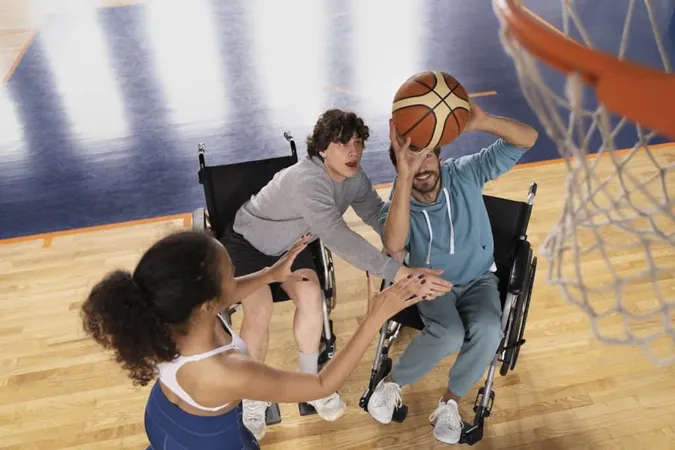
Adaptive Physical Education Jobs
With the increasing awareness and importance of inclusive education, the demand for professionals trained in adaptive physical education has grown. There are various job opportunities available for individuals with APE certification in schools, private organizations, and other educational settings. Some common positions include:
Adaptive Physical Education Teacher: Directly responsible for delivering APE programs in K-12 schools.
Special Education Coordinator: Overseeing the inclusion of students with disabilities in physical education programs and coordinating with other educators to ensure their success.
Physical Therapist: While not exclusively an APE position, physical therapists often work in collaboration with APE teachers to ensure students receive the necessary therapeutic support.
Recreation Specialist: Working in community programs, rehabilitation centers, or recreational therapy settings to provide adapted physical activities for individuals with disabilities.
Conclusion
Adaptive Physical Education is a vital field that ensures all students, regardless of ability, can participate in physical activities. As the need for inclusive education increases, APE certification and specialized programs are more important than ever. By obtaining an APE certification, teachers not only gain the knowledge and skills to support students with disabilities but also make a meaningful difference in their students’ lives. Whether you’re looking to start your career as an APE teacher or advance your current role, the resources and opportunities available will help you make an impact in this rewarding field.
APE: Pros and Cons
- +APE certification validates expertise recognized by employers nationwide
- +Certified professionals typically earn 15-20% higher salaries
- +Opens doors to advanced positions and leadership roles
- +Demonstrates commitment to professional standards and ethics
- +Builds a strong professional network through certification communities
- −Exam preparation typically requires 2-4 months of dedicated study
- −Certification and exam fees can range from $150-$500+
- −Must complete continuing education to maintain active certification
- −Pass rates vary — thorough preparation is essential for success
- −Some certifications require prerequisite experience or education
(APE) Adaptive Physical Education Certification Questions and Answers
About the Author

Certified Professional Development Expert & Niche Certification Advisor
University of Pennsylvania Graduate School of EducationDr. Alexandra Kim holds a PhD in Professional Studies from the University of Pennsylvania and is a Certified Professional in Learning and Performance (CPLP) and Certified Professional in Talent Development (CPTD). With 17 years of corporate training and professional certification advisory experience, she helps professionals navigate specialized, emerging, and cross-industry certification programs.
Join the Discussion
Connect with other students preparing for this exam. Share tips, ask questions, and get advice from people who have been there.
View discussion (8 replies)