
ACLS Certification vs CPR: Key Differences, Requirements & Which One You Need
ACLS certification vs CPR — understand scope, requirements & who needs each. 🎯 Complete training guide for healthcare professionals.
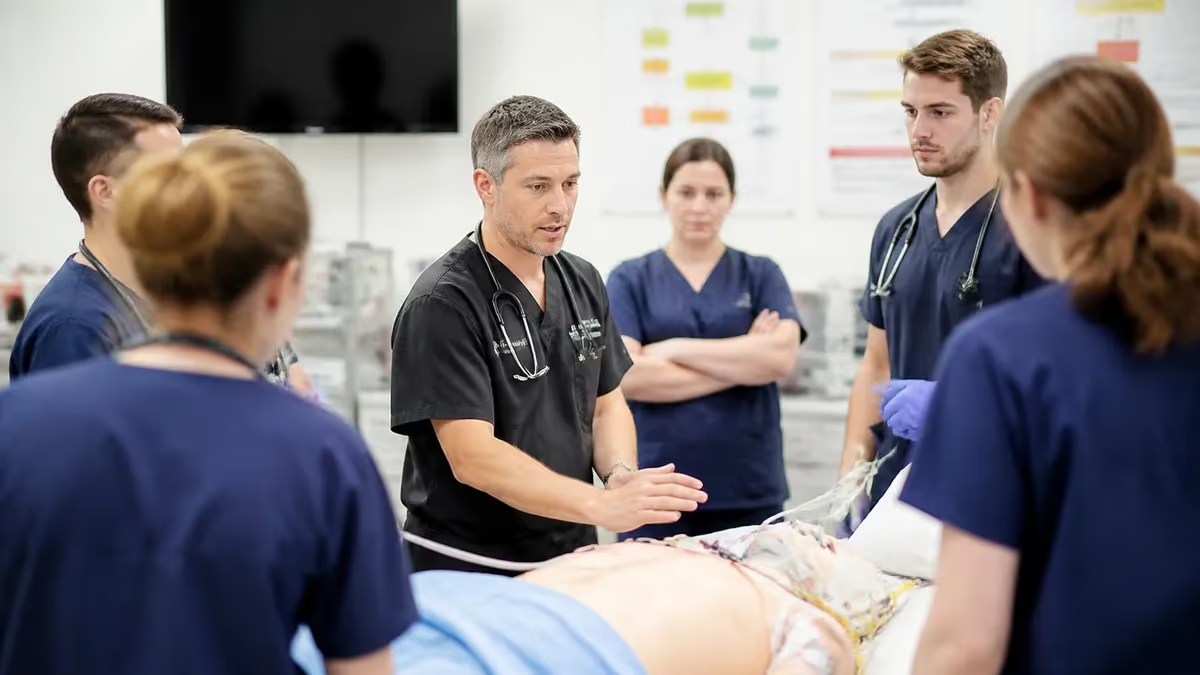
Understanding the difference between ACLS certification vs CPR is one of the most important steps any healthcare professional or aspiring clinician can take before choosing a training program. CPR — cardiopulmonary resuscitation — is the foundational life-saving technique taught to laypeople and medical professionals alike, while ACLS, or Advanced Cardiovascular Life Support, is a comprehensive clinical framework designed exclusively for licensed healthcare providers who must manage complex cardiac emergencies in real time.
The distinction matters enormously when you are applying for a job in an emergency department, ICU, or cardiac care unit. Employers and credentialing bodies look at both credentials differently: CPR satisfies a baseline safety requirement, while ACLS signals that a provider can lead or participate in a full resuscitation team, interpret electrocardiograms on the fly, administer emergency pharmacology, and follow evidence-based algorithms under extreme pressure. Knowing which credential applies to your role can save you time, money, and confusion at the hiring stage.
Both certifications are updated periodically by the American Heart Association (AHA), the organization that sets the gold standard for resuscitation science in the United States. The most recent AHA guidelines, published in 2020 and supplemented through 2025, refined compression depth targets, updated drug dosing protocols, and introduced stronger emphasis on high-quality CPR as the backbone of every ACLS algorithm. These refinements mean the two credentials, while related, are moving targets that require regular renewal.
From a practical standpoint, CPR certification is typically a two- to four-hour course that teaches chest compressions, rescue breathing, and automated external defibrillator (AED) use. ACLS, by contrast, is a one- to two-day course that assumes you already hold a current Basic Life Support (BLS) certification and builds on that foundation with 12-lead ECG interpretation, advanced airway management, rhythm recognition, and the administration of vasopressors, antiarrhythmics, and other critical-care medications.
The audience for each credential is starkly different. CPR is appropriate for teachers, fitness instructors, childcare workers, and any member of the public who wants to respond effectively in a community emergency. ACLS is required for registered nurses working in critical care or telemetry units, paramedics, emergency medicine physicians, anesthesiologists, and any provider who may be called upon to run or support a code. Some advanced practice nurses and physician assistants also need ACLS depending on their state scope-of-practice rules and employer policy.
Cost and time investment also separate the two credentials. A CPR-only course through the AHA or Red Cross runs roughly $30 to $80 and can be completed in a single afternoon. An ACLS course costs between $150 and $350, requires prerequisite BLS, spans six to twelve hours of instruction plus skills stations, and culminates in a written exam and hands-on mega-code evaluation. Online blended ACLS options reduce in-person time but still require a skills check-off session with a certified instructor.
This guide breaks down every dimension of the acls vs cpr comparison so you can make an informed decision about which certification path fits your career goals, clinical setting, and renewal schedule. Whether you are a nursing student preparing for your first hospital job or an experienced paramedic refreshing your credentials, the sections below will walk you through scope, requirements, exam formats, costs, and study strategies in detail.
- To pass the AHA ACLS Provider Course Exam, students need a score of at least 84%. (American Heart Association)
- The AHA ACLS Provider Course Completion Card is valid for two years. (American Heart Association)
- Providers renewing their AHA ACLS card can take the shorter ACLS Update Course, which runs about 8.25–9.25 hours with video prework or 8.50–9.50 hours without it, breaks included. (American Heart Association)
- The AHA ACLS course is offered as instructor-led classroom training or as HeartCode blended learning, and both lead to the same AHA ACLS course completion card. (American Heart Association)
- Before attending the AHA ACLS Course, every student has to complete the online Precourse Self-Assessment with a score of at least 70%. (American Heart Association)
Facts verified Oct 15, 2026 against American Heart Association. Dates that have passed are removed automatically.
ACLS Exam at a Glance
| Item | Detail | Official source |
|---|---|---|
| Passing score | 84% minimum on the ACLS Provider Course Exam | American Heart Association |
| Validity | Valid for 2 years | American Heart Association |
| Renewal | ACLS Update Course: about 8.25–9.50 hours with breaks | American Heart Association |
| Delivery | Instructor-led classroom, or HeartCode blended learning (online + hands-on skills session) | American Heart Association |
| Eligibility | Score of at least 70% on the mandatory Precourse Self-Assessment, plus proficiency in BLS, ECGs, ACLS pharmacology and bag-mask ventilation | American Heart Association |
Facts verified Oct 15, 2026 against American Heart Association. Dates that have passed are removed automatically.
ACLS vs CPR by the Numbers
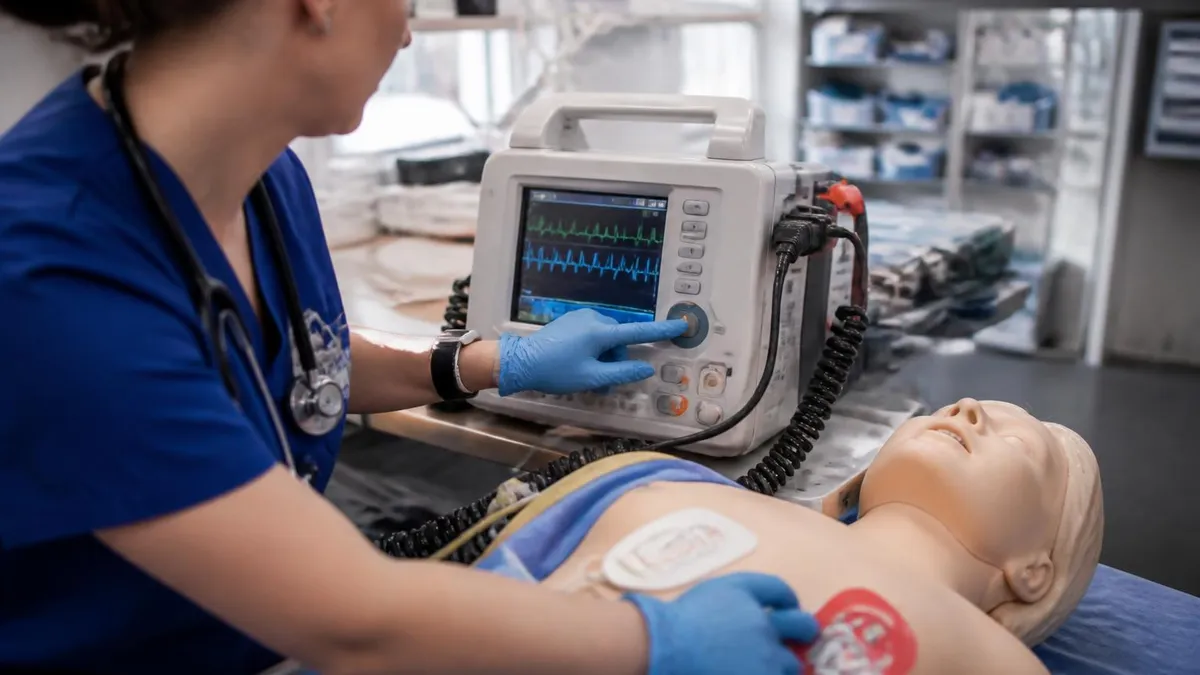
Core Skill Sets: ACLS vs CPR Side by Side
High-quality chest compressions at 100–120 per minute, rescue breathing at a 30:2 ratio, AED operation, and recognition of cardiac arrest. Appropriate for both laypeople and healthcare providers at the basic response level.
Builds on CPR with two-rescuer techniques, bag-mask ventilation, team dynamics, and infant/child algorithms. Required prerequisite before enrolling in any ACLS course offered through the AHA.
Adds 12-lead ECG and rhythm strip interpretation, advanced airway insertion and confirmation, IV/IO access, vasopressor and antiarrhythmic drug administration, and leadership of structured resuscitation teams following AHA algorithms.
ACLS candidates must demonstrate real-time decision-making in simulated cardiac arrest, STEMI, stroke, and bradycardia/tachycardia scenarios — an evaluative step that has no equivalent in a standard CPR course.
Determining who needs ACLS versus who only needs CPR comes down to three factors: clinical role, work setting, and state or employer credentialing requirements. CPR certification is the universal baseline — virtually every healthcare employer requires it, and many non-healthcare roles such as school teachers, coaches, and lifeguards mandate it as well. ACLS, however, is a role-specific credential that targets providers who manage or assist in the management of life-threatening cardiovascular emergencies in a clinical environment.
Emergency medicine physicians and emergency department nurses are almost universally required to hold current ACLS by hospital policy, the Joint Commission, and in some cases state nursing boards. In many states, registered nurses working in intensive care units, cardiac step-down units, telemetry floors, and post-anesthesia care units (PACUs) must maintain ACLS as a condition of employment. The reasoning is straightforward: these providers are the first clinical responders when a patient decompensates, and they need the advanced skill set to intervene until a physician arrives or to support an ongoing resuscitation effort.
Paramedics and advanced EMTs in many states are required to hold ACLS or a state-equivalent advanced cardiac life support credential. Flight nurses and transport nurses almost universally need ACLS because they operate in resource-limited environments where physician backup is not immediately available. Certified registered nurse anesthetists (CRNAs), anesthesiology residents, and surgery residents also typically hold ACLS because their patient populations carry significant cardiac risk and their work environments demand immediate response capability.
By contrast, licensed practical nurses (LPNs) in long-term care or outpatient settings usually need only BLS, not ACLS, unless their employer specifically requires the advanced credential. Medical assistants in primary care clinics and dental assistants typically need only CPR or BLS. Students in nursing, medical, and respiratory therapy programs are frequently required to obtain BLS before starting clinical rotations, with ACLS required or strongly recommended before graduation or residency match.
First responders such as police officers and firefighters occupy a middle ground. Fire departments with EMS functions often require their personnel to hold at minimum EMT-Basic with BLS, while those cross-trained as paramedics hold ACLS-equivalent skills. Law enforcement officers are generally required to hold CPR/AED certification but not ACLS, though many departments are beginning to integrate Stop the Bleed and naloxone administration into their training alongside standard CPR.
Healthcare students preparing for competitive residency or fellowship programs, such as emergency medicine or cardiology, can strengthen their applications by completing ACLS before residency starts. Many emergency medicine residency programs expect incoming residents to arrive with current ACLS. Some family medicine and internal medicine residency programs allow residents to complete ACLS during intern orientation, but arriving pre-certified can reduce orientation burden and demonstrate initiative.
Hospital committees and accreditation surveyors regularly audit staff credential files. An RN working in a critical care unit without current ACLS can put the unit's compliance status at risk. This regulatory dimension explains why most hospitals build ACLS renewal into annual education calendars and often cover the cost of recertification for employees — it is not just a professional development perk, it is an accreditation necessity that directly affects hospital licensing.
ACLS vs CPR Training Formats, Delivery Options & What to Expect
Traditional in-person CPR classes are offered by AHA-authorized training centers, Red Cross chapters, hospitals, and community organizations nationwide. A typical class runs two to four hours and includes a brief video-based lecture, hands-on manikin practice for chest compressions and rescue breathing, and a brief AED skills station. Instructors provide real-time feedback on compression depth, rate, and hand placement — feedback that is impossible to replicate through video alone.
Participants who pass the skills evaluation and a short written or verbal assessment receive a provider card valid for two years. Class sizes are typically capped at eight to twelve students per instructor to ensure adequate hands-on practice time. Many employers arrange on-site group classes, making in-person CPR renewal highly convenient and often free of charge for employees. This format remains the gold standard for learners who are new to resuscitation or who want the most practice repetitions per hour of training.
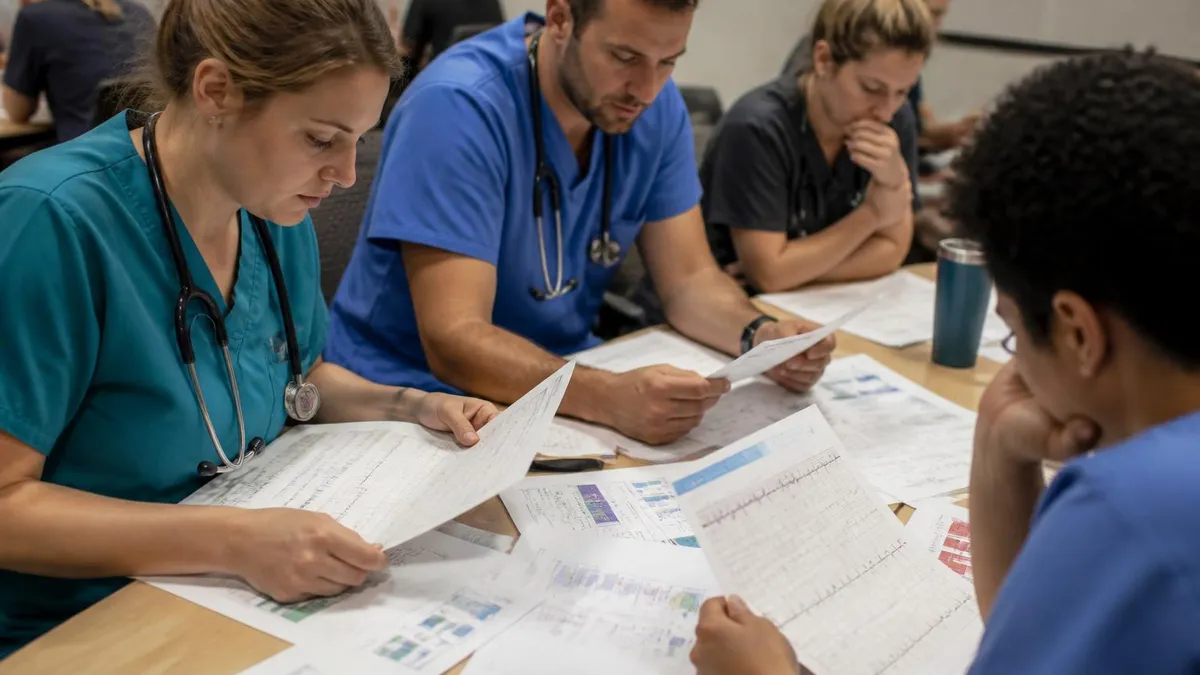
ACLS vs CPR: Pros and Cons for Healthcare Professionals
- +ACLS demonstrates advanced clinical competency that significantly strengthens job applications for critical care, emergency, and flight nursing positions
- +CPR is universally recognized, fast to obtain, and accepted across both healthcare and non-healthcare employment settings
- +ACLS prepares providers to lead resuscitation teams confidently, reducing cognitive load during high-stress cardiac arrest events
- +Both credentials are renewable on a two-year cycle, making credential maintenance predictable and easy to schedule around clinical work
- +ACLS pharmacology training improves overall medication safety awareness even outside of code situations
- +CPR training boosts community safety and can save a colleague's or family member's life outside of the clinical setting
- +ACLS certification is often employer-funded in hospital settings, making the advanced credential accessible without out-of-pocket cost
- −ACLS requires current BLS as a prerequisite, meaning new providers must complete two separate courses before becoming ACLS-certified
- −CPR alone is insufficient for most acute care nursing and physician roles, leaving providers under-credentialed for high-acuity positions
- −ACLS courses are significantly more expensive than CPR — often four to seven times the cost when factoring in materials and course fees
- −The ACLS written exam and mega-code evaluation create a meaningful failure risk, particularly for candidates with limited rhythm recognition experience
- −Both credentials expire every two years, creating a recurring time and cost burden that can be disruptive for providers working irregular schedules
- −Online-only ACLS courses are not recognized by the AHA; all candidates must complete hands-on skills evaluation with a certified instructor
- −CPR certification from non-AHA or non-Red Cross providers may not be accepted by hospital credentialing departments, requiring repeat training
ACLS vs CPR Certification Checklist: Steps to Get Certified
- ✓Confirm which credential your employer or licensing board requires — CPR/BLS, ACLS, or both — before enrolling in any course.
- ✓Obtain current BLS for Healthcare Providers certification through an AHA-authorized training center before attempting ACLS enrollment.
- ✓Select an AHA-authorized ACLS training provider — verify authorization on the AHA website to ensure your card will be accepted by credentialing departments.
- ✓Complete the online HeartCode component (blended format) or attend the full classroom session at least two weeks before your credential expiration date.
- ✓Review all six core ACLS algorithms — cardiac arrest VF/pVT, PEA/asystole, bradycardia, tachycardia, STEMI, and acute stroke — before your skills day.
- ✓Memorize the doses, indications, and contraindications for key ACLS medications: epinephrine, amiodarone, lidocaine, atropine, adenosine, and dopamine.
- ✓Practice rhythm strip interpretation daily for at least two weeks before the course using flashcards, apps, or online practice tests.
- ✓Arrive at your skills session having reviewed mega-code team leader responsibilities, closed-loop communication, and the H's and T's of reversible arrest causes.
- ✓Pass the ACLS written exam with a score of 70% or higher and demonstrate competency at all skills stations during the mega-code evaluation.
- ✓Store your provider card in a secure digital location and set a calendar reminder 90 days before the two-year expiration date to schedule renewal.
BLS Is the Non-Negotiable Foundation
No matter how experienced a clinician you are, you cannot enroll in an AHA ACLS course without a current BLS for Healthcare Providers card. Many providers discover this only after registering for ACLS, resulting in last-minute scrambles for a BLS class. Always check your BLS expiration date first — if it lapses within six months, renew it before scheduling ACLS to avoid having two back-to-back renewal deadlines that are dangerously close together.
The cost structure of ACLS versus CPR reflects the difference in content depth, instructor time, and equipment requirements. A standard CPR or BLS course costs between $30 and $80 per person depending on the training center, geographic market, and whether the course includes a physical provider card or a digital card. Group rates for employer-arranged classes can drop the per-person cost below $25. The short duration and minimal equipment needs — primarily manikins, AED trainers, and pocket masks — keep CPR pricing accessible for virtually any budget.
ACLS pricing varies more widely. An initial ACLS certification course at a hospital-affiliated training center typically runs $200 to $350. Blended HeartCode ACLS courses often cost $150 to $250 for the online module plus an additional $50 to $100 for the skills session, bringing total costs to a comparable range. Simulation-center-based ACLS programs at academic medical centers can cost $400 or more but offer higher-fidelity case scenarios, debriefing sessions, and continuing education credit. Renewal courses are generally priced 20 to 40 percent lower than initial courses because they cover less content and require fewer instructor hours.
Many hospitals, large health systems, and ambulatory surgical centers cover the full cost of ACLS for employees whose job descriptions require it. This is particularly common in emergency departments, ICUs, cardiac catheterization labs, and labor and delivery units. Some employers reimburse the cost after the fact upon submission of a receipt and the new provider card, while others arrange group on-site classes and handle payment directly with the training center. Nurses and providers who work in smaller outpatient practices or are self-employed — such as locum tenens physicians — typically bear the cost themselves.
Beyond the direct course cost, providers should factor in the indirect cost of time. A full-day initial ACLS course means losing a day of shift pay or clinical productivity. Blended-format courses reduce that to two to four hours on-site, but the online portion still requires several hours of focused study time at home or at work. For travel nurses and per-diem staff who may not have a single employer covering their credentialing costs, the cumulative expense of maintaining both BLS and ACLS every two years — roughly $300 to $500 per two-year cycle — is a meaningful budget line item.
Continuing education units (CEUs) are another financial consideration. Some ACLS providers bundle CEU credit into the course fee, allowing nurses and other licensed providers to satisfy part of their state license renewal requirements simultaneously. Depending on the state and the number of CEUs offered, this bundled value can meaningfully offset the course cost when compared to purchasing equivalent CEU courses separately. Providers should verify with their state board that ACLS-bundled CEUs will be accepted before relying on them for license renewal credit.
Materials costs add modestly to total investment. The AHA sells a printed ACLS Provider Manual for approximately $40, and the companion pocket reference card costs an additional $5 to $10. Digital versions of the manual are included in some blended course platforms. Third-party study guides, smartphone apps, and practice question banks from providers like PracticeTestGeeks offer additional preparation resources, with pricing ranging from free to $30 for premium access — generally a worthwhile investment given the reduction in retake probability.
Looking at the total two-year credentialing budget for a critical care nurse who needs both BLS and ACLS, a reasonable estimate is $50 to $80 for BLS renewal plus $150 to $300 for ACLS renewal, totaling $200 to $380 out of pocket every two years if the employer does not cover costs. Spread over 24 months, this amounts to roughly $8 to $16 per month — a manageable professional investment with outsized career and patient-safety returns compared with holding only a basic CPR card.
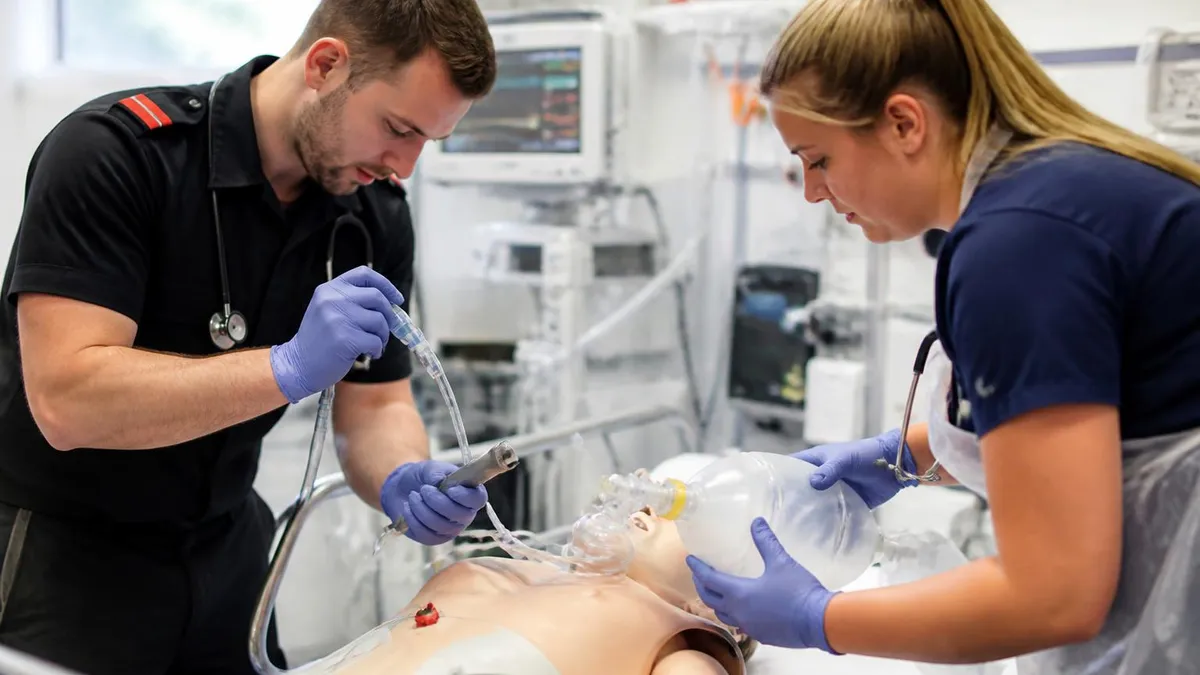
If your ACLS certification expires, most hospitals will remove you from the schedule for advanced-acuity patient assignments until your credential is renewed. Some credentialing departments have a 30-day grace period; others do not. A lapsed ACLS can also delay a job start date or trigger a compliance finding during a Joint Commission survey. Always track both your BLS and ACLS expiration dates separately and renew BLS first if both are due within the same window.
Passing the ACLS written exam and mega-code evaluation requires targeted preparation that goes well beyond a casual read-through of the provider manual. Most candidates who fail on the first attempt do so because they underestimate the breadth of pharmacology questions on the written exam or because they freeze during the mega-code when the simulated patient deteriorates unexpectedly. Understanding what the evaluators are looking for — and practicing those exact behaviors before the course day — dramatically increases first-time pass rates.
The ACLS written examination typically consists of 50 multiple-choice questions covering rhythm recognition, algorithm application, drug dosing, and airway management priorities. The minimum passing score is 70 percent, though some training centers set the bar higher at 75 or 80 percent. Questions are scenario-based rather than pure recall, meaning that memorizing drug names without understanding when and why to administer them will not be sufficient. A candidate must be able to read a case scenario, identify the rhythm or condition, select the correct algorithm pathway, and choose the appropriate intervention — all in 60 to 90 seconds per question.
Rhythm recognition is the skill that most differentiates ACLS-ready candidates from those who need more preparation. The core rhythms tested include normal sinus rhythm, sinus bradycardia, sinus tachycardia, atrial fibrillation, atrial flutter, supraventricular tachycardia (SVT), ventricular tachycardia (VT), ventricular fibrillation (VF), pulseless electrical activity (PEA), and asystole. Candidates should be able to identify each rhythm within 10 seconds of viewing a rhythm strip, then immediately map that rhythm to the correct ACLS algorithm pathway. Daily rhythm strip practice using flashcards or digital tools is the single most effective preparation strategy for this component.
Pharmacology preparation should focus on the eight to ten drugs that appear most frequently in ACLS algorithms. Epinephrine 1 mg IV/IO every three to five minutes is the cornerstone of cardiac arrest management regardless of rhythm. Amiodarone 300 mg IV/IO followed by 150 mg is the first-line antiarrhythmic for shockable rhythms (VF and pVT). Adenosine 6 mg rapid IV push followed by 12 mg if the first dose fails is the treatment of choice for stable SVT with a narrow QRS complex.
Atropine 0.5 mg IV every three to five minutes (maximum 3 mg) is used for symptomatic sinus bradycardia. Candidates who can recite these doses, routes, and indications accurately during the mega-code will avoid the most common pharmacology errors that trigger evaluator intervention.
The mega-code evaluation assesses a candidate's ability to function as the team leader of a resuscitation. The team leader role requires calling out rhythm interpretations, directing team members by name and role, confirming that orders are heard and executed (closed-loop communication), pausing compressions only for rhythm checks, and making timely decisions about defibrillation, medication administration, and airway management. Candidates who default to passive observation rather than active direction are typically flagged for remediation. Practice the team leader role out loud — even alone — before your course day to build the verbal habit of directing rather than doing.
After achieving initial certification, maintaining proficiency over the two-year cycle between renewals is the challenge that many providers underestimate. Research consistently shows that ACLS skills — particularly compression quality and algorithm recall — degrade measurably within six to twelve months without reinforcement. Providers who work in high-acuity units where codes occur regularly maintain skills through clinical exposure, but those in lower-acuity settings should use deliberate practice strategies: annual manikin skill drills, periodic algorithm review sessions, and regular use of rhythm strip practice tools to prevent skill decay before the renewal course.
Many healthcare facilities have begun implementing monthly or quarterly in-situ simulation drills — brief, unannounced code scenarios run on actual patient care units with real equipment — as a strategy to maintain ACLS competency between formal renewal cycles. These drills have been shown in peer-reviewed literature to reduce time to first shock in real cardiac arrest events and to improve team communication scores.
If your unit does not yet conduct in-situ simulations, advocating for them with your nurse manager or medical director is one of the highest-impact quality improvement steps you can take to translate your ACLS certification into genuine patient-safety outcomes.
For a fuller set of questions on this topic, see our aha acls algorithms resource.
For a fuller set of questions on this topic, see our acls free practice test resource.
For a fuller set of questions on this topic, see our acls algorithms pdf resource.
Building a structured study plan is the most reliable way to enter your ACLS course feeling confident rather than overwhelmed. Most candidates benefit from two to three weeks of focused preparation, dedicating 30 to 60 minutes per day to a mix of algorithm review, pharmacology memorization, and rhythm strip practice. The following practical strategies are drawn from the preparation approaches used by candidates who report passing on their first attempt and feeling genuinely prepared — not just lucky.
Start your preparation by downloading or purchasing the AHA ACLS Provider Manual and reading the algorithm chapter first. The core algorithms — cardiac arrest, bradycardia, tachycardia, and post-cardiac arrest care — are the skeleton around which everything else is built. Create a one-page summary of each algorithm with the key decision points and drug doses highlighted. Carry this summary with you and review it during breaks at work. Visual learners benefit from color-coding the algorithms: shockable rhythms in red, non-shockable in blue, unstable presentations in orange, and stable presentations in green.
Pharmacology memorization is most efficient when organized by drug class and mechanism rather than alphabetically. Group the vasopressors together (epinephrine, dopamine, norepinephrine), the antiarrhythmics together (amiodarone, lidocaine, adenosine, procainamide), and the rate-controlling agents together (atropine, beta-blockers, calcium channel blockers). For each drug, memorize four things: the indication within an ACLS algorithm, the standard dose and route, the timing of repeat doses, and one critical contraindication. Using spaced repetition flashcard apps on your phone is one of the most time-efficient methods for locking in this information.
Rhythm strip practice should be daily, not crammed into the final two days before your course. Apps and websites offer hundreds of practice strips with answer explanations. Begin with the six rhythms most likely to appear in the mega-code: VF, VT, PEA, asystole, SVT, and second-degree AV block type II.
Once you can identify each within five seconds, expand your practice to include less common rhythms such as Wolff-Parkinson-White (WPW), third-degree heart block, and torsades de pointes. The goal is to reach a level of automatic recognition so that in the mega-code scenario you immediately know what you are seeing and what comes next algorithmically.
Team leader communication is a skill that must be practiced verbally, not just conceptualized. Set up a brief role-play with a colleague or study partner where you narrate aloud what you would say as team leader during a code scenario. Practice phrases like: "I see ventricular fibrillation — charge the defibrillator to 200 joules," "I want 1 mg of epinephrine IV push now," and "Can someone confirm that epinephrine was given and note the time?" Hearing yourself give clear, direct instructions before the mega-code removes the awkwardness that many candidates feel on the first attempt at leading a simulated resuscitation.
The day before your ACLS course, avoid heavy cramming. Instead, do a light review of the algorithms and your pharmacology summary, get adequate sleep, and arrive at the training center with a pen, your provider manual or reference card, and your current BLS card. Bring a snack and water — full-day courses are cognitively demanding, and energy dips in the early afternoon are common.
Introduce yourself to the instructor early and let them know if you have any specific areas of uncertainty. Most ACLS instructors appreciate proactive learners and will give additional guidance at skills stations when they know where a candidate needs extra attention.
After passing your ACLS course, the real work is applying what you learned in clinical practice. When you encounter a real code or a rapid response situation, use the H's and T's framework mentally to systematically rule out reversible causes: hypovolemia, hypoxia, hydrogen ion (acidosis), hypo/hyperkalemia, hypothermia, tension pneumothorax, tamponade, toxins, thrombosis (pulmonary), and thrombosis (coronary). This systematic approach prevents tunnel vision and ensures that treatable underlying causes are identified and addressed rather than overlooked while the team focuses exclusively on compressions and defibrillation.
ACLS Questions and Answers

ACLS CPR Certification: Complete Training Guide for Healthcare Professionals
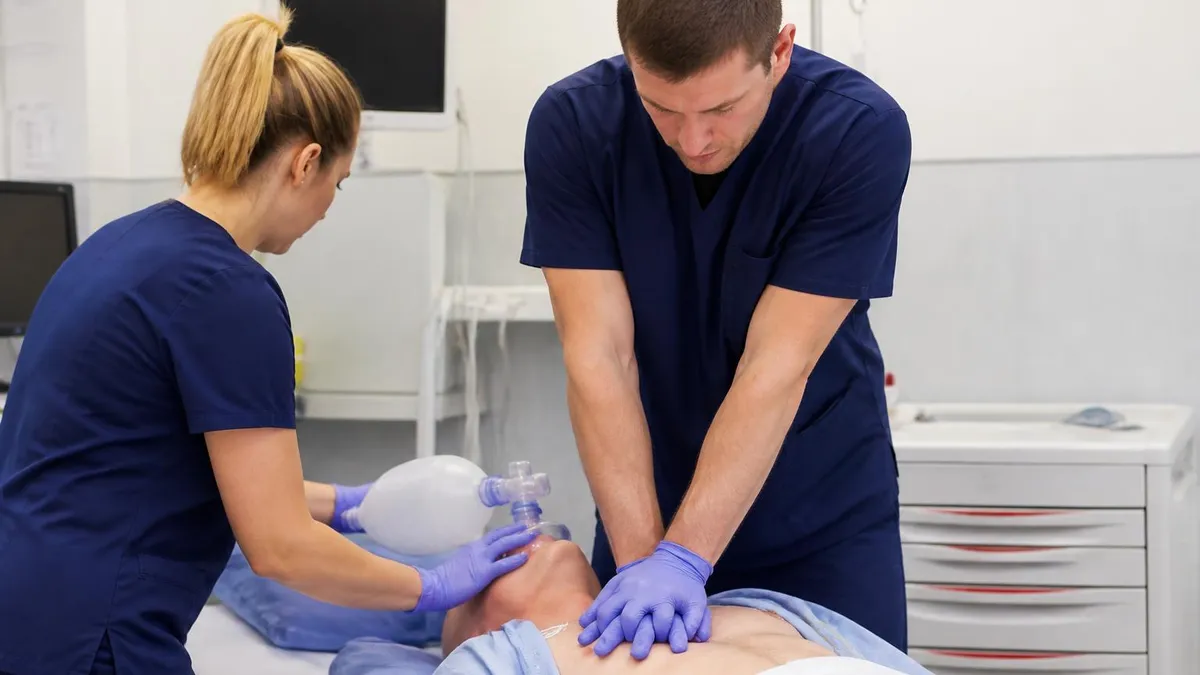
ACLS Study Guide: Complete 2026 Certification Prep with Algorithms, Drugs & Practice Tests

ACLS BLS Course: Complete Training Guide for Healthcare Providers

ACLS Guidelines 2026: Complete AHA Update on Algorithms, Drugs, CPR Quality & Post-Arrest Care
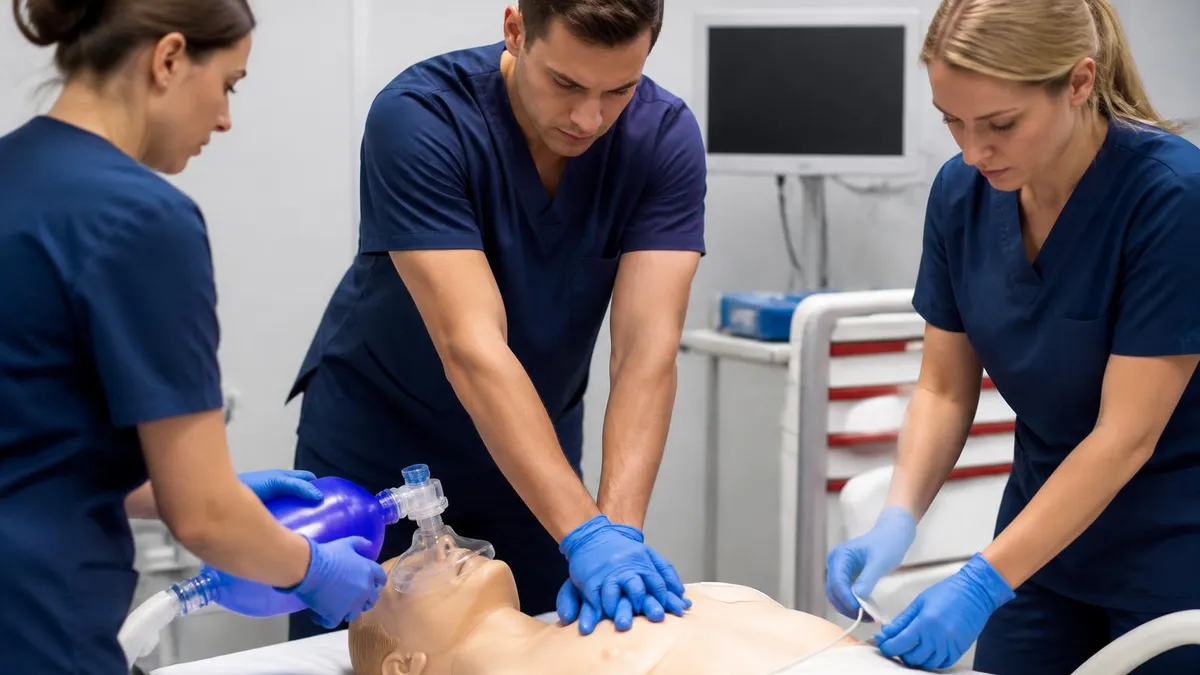
What Is ACLS Certification? Complete 2026 Guide to Advanced Cardiovascular Life Support Training, Requirements & Renewal
How this page was made: written with AI tools and published by Nathan Beja, founder of Practice Test Geeks, who is responsible for its content. Exam facts are checked against the official sources listed below. Not reviewed by a subject-matter expert. Editorial policy
Sources & references
Exam facts on this page (fees, format, dates, passing scores) are checked against these official sources; the date is our last check. Editorial policy
- cpr.heart.org — Test delivery, renewal, eligibility, score validity · verified Oct 2026
- heart.org — Passing score · verified Oct 2026