

UTC Practice Test
Updated for September 2026Ultrasound technologists, also known as diagnostic medical sonographers, play a pivotal role in modern healthcare by utilizing high-frequency sound waves to produce images of internal body structures. These images assist physicians in diagnosing and monitoring various medical conditions. Pursuing a career in this field requires specific education, training, and certification. This comprehensive guide outlines the essential steps and considerations for aspiring ultrasound technologists.
UTC Practice Test Questions
Prepare for the UTC - Ultrasound Technologist Certification exam with our free practice test modules. Each quiz covers key topics to help you pass on your first try.
UTC Ultrasound Technologist Anatomy & Phys...
UTC Exam Questions covering Ultrasound Technologist Anatomy & Physiology Fundamentals. Master UTC Test concepts for certification prep.
UTC Ultrasound Technologist Diagnostic Ima...
Free UTC Practice Test featuring Ultrasound Technologist Diagnostic Imaging & Interpretation. Improve your UTC Exam score with mock test prep.
UTC Ultrasound Technologist Equipment Oper...
UTC Mock Exam on Ultrasound Technologist Equipment Operation. UTC Study Guide questions to pass on your first try.
UTC Ultrasound Technologist Patient Care &...
UTC Test Prep for Ultrasound Technologist Patient Care & Safety Protocols. Practice UTC Quiz questions and boost your score.
UTC Clinical Procedures & Protocols
UTC Questions and Answers on Clinical Procedures & Protocols. Free UTC practice for exam readiness.
UTC Emergency Procedures & Response
UTC Mock Test covering Emergency Procedures & Response. Online UTC Test practice with instant feedback.
UTC Medical Terminology & Anatomy
Free UTC Quiz on Medical Terminology & Anatomy. UTC Exam prep questions with detailed explanations.
UTC Patient Assessment & Documentation
UTC Practice Questions for Patient Assessment & Documentation. Build confidence for your UTC certification exam.
UTC Professional Ethics & Communication
UTC Test Online for Professional Ethics & Communication. Free practice with instant results and feedback.
UTC Quality Assurance & Standards
UTC Study Material on Quality Assurance & Standards. Prepare effectively with real exam-style questions.
UTC Safety & Infection Control
Free UTC Test covering Safety & Infection Control. Practice and track your UTC exam readiness.
Key Takeaways
Free Ultrasound Technologist Practice Test Online
Certification: Obtaining certification from recognized organizations like ARDMS or ARRT is essential for validating expertise and enhancing employment opportunities.
Education: Completing prerequisite courses and graduating from an accredited sonography program are foundational steps.
Clinical Experience: Hands-on training is crucial for developing practical skills and ensuring quality patient care.
Exam Preparation: Utilizing available study guides and resources can significantly improve the likelihood of passing certification exams.
Continual Learning: Engaging in ongoing education is vital for career advancement and maintaining certification.
Understanding Ultrasound Technologist Certification
Certification is a crucial step for ultrasound technologists, as it validates their expertise and commitment to maintaining high professional standards. In the United States, two primary organizations offer certification in sonography:
American Registry for Diagnostic Medical Sonography (ARDMS): Established in 1975, ARDMS is an independent, nonprofit organization that administers examinations and awards credentials in various specialties, including diagnostic medical sonography, cardiac sonography, and vascular technology.
American Registry of Radiologic Technologists (ARRT): ARRT offers certification and registration in sonography, recognizing individuals qualified to perform the role of a sonographer.
- ✓Confirm your exam appointment and location
- ✓Bring required identification documents
- ✓Arrive 30 minutes early to check in
- ✓Read each question carefully before answering
- ✓Flag difficult questions and return to them later
- ✓Manage your time — don't spend too long on one question
- ✓Review flagged questions before submitting
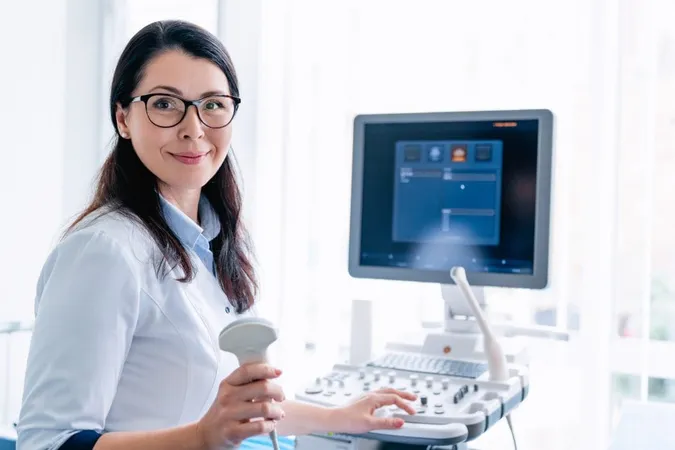
What is UTC?
The term "UTC" is not commonly used in the context of ultrasound technologist certification. It is possible that "UTC" refers to a specific certification program or institution; however, without additional context, it is challenging to provide a precise definition. Aspiring ultrasound technologists are generally encouraged to pursue certification through recognized organizations such as ARDMS or ARRT.
Educational Pathways and Prerequisites
To become a certified ultrasound technologist, individuals typically follow these educational steps:
Complete Prerequisite Courses: Prospective students should complete courses in subjects like algebra, physics, anatomy, communications, and computer science. Maintaining a strong GPA is often essential for program admission.
Enroll in an Accredited Sonography Program: Accredited programs offer associate or bachelor's degrees in diagnostic medical sonography. These programs provide both theoretical knowledge and practical clinical experience.
Gain Clinical Experience: Hands-on training in a clinical setting is vital for developing the skills necessary for effective patient care and accurate imaging.
Ultrasound Tech Study Guide
Preparing for certification exams requires a comprehensive study plan. Several resources are available to assist candidates:
ARDMS Application and Exam Resources: ARDMS provides a Prerequisite Prep Tool to guide applicants through the prerequisite selection process and offers various study materials.
ASRT Sonography Registry Review: The American Society of Radiologic Technologists offers study guides and resources tailored for ARRT and ARDMS exam preparation.
Accredited Educational Programs: Many accredited programs incorporate exam preparation into their curricula, offering students a structured approach to studying.
Diagnostic Ultrasound: An Overview
Diagnostic ultrasound, or sonography, is a non-invasive imaging technique that uses high-frequency sound waves to create images of internal body structures. It is widely used to examine organs, tissues, and blood flow, aiding in the diagnosis and monitoring of medical conditions. Key aspects of diagnostic ultrasound include:
Safety: Ultrasound does not use ionizing radiation, making it a safer alternative to imaging modalities like X-rays and CT scans.
Versatility: It is used in various medical fields, including obstetrics, cardiology, and emergency medicine.
Real-Time Imaging: Ultrasound provides real-time images, allowing for dynamic assessment of structures and functions.

How to Become an Ultrasound Technologist
Embarking on a career as an ultrasound technologist involves several key steps:
Complete Prerequisite Education: Focus on relevant high school courses and maintain a strong academic record.
Graduate from an Accredited Program: Enroll in and complete a diagnostic medical sonography program accredited by recognized accrediting bodies.
Obtain Certification: Pass the certification examinations administered by organizations such as ARDMS or ARRT.
Pursue State Licensure (if applicable): Some states require licensure for sonographers; check local regulations to ensure compliance.
Engage in Continuing Education: Stay updated with advancements in the field through ongoing education and professional development.
UTC: Pros and Cons
- +UTC certification validates expertise recognized by employers nationwide
- +Certified professionals typically earn 15-20% higher salaries
- +Opens doors to advanced positions and leadership roles
- +Demonstrates commitment to professional standards and ethics
- +Builds a strong professional network through certification communities
- −Exam preparation typically requires 2-4 months of dedicated study
- −Certification and exam fees can range from $150-$500+
- −Must complete continuing education to maintain active certification
- −Pass rates vary — thorough preparation is essential for success
- −Some certifications require prerequisite experience or education
About the Author

Certified Professional Development Expert & Niche Certification Advisor
University of Pennsylvania Graduate School of EducationDr. Alexandra Kim holds a PhD in Professional Studies from the University of Pennsylvania and is a Certified Professional in Learning and Performance (CPLP) and Certified Professional in Talent Development (CPTD). With 17 years of corporate training and professional certification advisory experience, she helps professionals navigate specialized, emerging, and cross-industry certification programs.
Join the Discussion
Connect with other students preparing for this exam. Share tips, ask questions, and get advice from people who have been there.
View discussion (8 replies)