
Why Do MLB Umpires Wear Suits? The Complete History and Meaning Behind Umpire Attire
Why do MLB umpires wear suits? Discover the full history, dress code rules, and meaning behind umpire attire in baseball. 🎯

Why do MLB umpires wear suits? The answer stretches back more than a century and reveals a fascinating story about authority, professionalism, and the evolving identity of one of baseball's most essential roles. In the earliest days of organized baseball, umpires wore street clothes because no formal standard existed. As the sport grew into a national institution, league officials recognized that the person charged with enforcing rules needed to project unmistakable authority from the moment they stepped onto the field. The suit became that symbol.
The tradition of formal umpire attire predates the modern baseball uniform by decades. In the late 1800s, the National League began requiring umpires to dress in a manner that distinguished them from players and spectators alike. Early umpires wore dark suits, ties, and even top hats in some documented cases. This formality was not about fashion — it was about command. A well-dressed official signaled to players, managers, and fans that the person making calls was a credentialed professional whose decisions carried weight.
Over the twentieth century, the suit evolved considerably. Wool gave way to polyester blends. Ties became optional and then largely disappeared from on-field attire in lower leagues. MLB standardized its dress code as umpire unions negotiated collective bargaining agreements that addressed everything from salaries to uniform specifications. Today's MLB umpires typically wear navy blue or black slacks, a matching blazer or plate coat, and a collared shirt — a tailored silhouette that still reads unmistakably as authoritative, even from the upper deck of a stadium.
The choice of dark colors is deliberate and functional. Dark navy and charcoal gray minimize visibility of dirt, sweat, and incidental contact that occurs during a 162-game season. Umpires crouch, pivot, sprint into position, and occasionally absorb foul tips and wild pitches. Their clothing must survive physical demands while maintaining a sharp appearance. The fabric weight and cut are engineered to allow range of motion without sacrificing the professional silhouette that distinguishes an umpire from any other person on the field.
Understanding umpire suit attire is inseparable from understanding the broader visual language umpires use to communicate with players, coaches, and fans. Just as hand signals convey strike calls and safe plays, the uniform itself broadcasts a message: this individual is neutral, credentialed, and empowered to make binding decisions. The suit is not a costume — it is a communication tool worn by professionals who study the rulebook, train for years, and manage high-pressure situations with composure.
For aspiring umpires at every level, dress code compliance is taken seriously from the very first game assignment. Youth leagues, high school associations, and amateur governing bodies all publish attire guidelines. Violating those guidelines — showing up in the wrong color, wearing inappropriate footwear, or skipping required protective gear — can result in assignment suspension. Learning why these standards exist helps new umpires internalize the culture rather than simply memorizing a checklist.
This article covers the full arc of umpire attire history, examines the specific components of today's MLB dress code, explains how minor league and amateur standards differ, and provides practical guidance for umpires who are building their wardrobe from scratch. Whether you are preparing for your first youth baseball assignment or studying for an umpire certification exam, understanding the why behind the uniform will make you a more confident and prepared official on every field you step onto.
MLB Umpire Attire by the Numbers

Core Components of the MLB Umpire Uniform
The most recognizable piece of MLB umpire attire. A structured, tailored jacket worn over the chest protector by the home plate umpire. It projects authority, provides modest coverage of protective equipment, and is typically navy or black.
MLB umpires wear tailored dark slacks — navy or charcoal — paired with a matching belt. The cut allows full range of motion for crouching and pivoting. Pleated or flat-front styles are both permitted under the current dress code.
A fitted polo or button-collar shirt in approved league colors worn underneath the plate coat or blazer. The shirt must match the overall uniform palette. Untucked or wrinkled shirts are considered a dress code violation at the professional level.
MLB umpires wear league-issue caps with the official MLB logo patch. Black athletic shoes with non-slip soles are required. The cap and footwear standards exist for both safety and uniformity across all crew members working a given series.
Though not visible as traditional attire, the chest protector, shin guards, and mask are integral parts of the plate umpire's kit. These items are worn under or alongside the plate coat and must meet MLB safety specifications.
The history of umpire attire in American baseball mirrors the broader history of how the sport professionalized itself. In the 1860s and 1870s, when the first professional leagues were being organized, umpires were often local volunteers or fans selected from the crowd by mutual agreement of both teams. These individuals wore whatever they happened to have on that day. There was no uniform, no badge, and often no formal authority whatsoever. Disputes were common, and the umpire's word was frequently ignored or challenged without consequence.
The National League's founding in 1876 changed the landscape dramatically. League administrators understood that consistent officiating was essential to the sport's credibility, and that meant standardizing who umpires were and how they presented themselves. Early NL umpires were paid professionals assigned by the league rather than selected on-site. They wore dark suits — not baseball uniforms — specifically to differentiate themselves from the players they were officiating. This visual distinction was the original purpose behind formal umpire dress, and it remains the core rationale today.
By the early twentieth century, umpires were a recognized professional class within baseball. The American League's founding in 1901 doubled the demand for trained officials, and both leagues began to codify appearance standards more formally. Umpires of this era wore three-piece suits with ties on the field, projecting the image of a courtroom official rather than an athlete. Photographs from the 1910s and 1920s show remarkably formal attire — dark wool suits, stiff collars, and dress shoes — worn on dirt and grass under summer heat.
The mid-twentieth century brought gradual modernization. As protective equipment improved and umpires adopted more athletic stances behind the plate, the full three-piece suit became impractical. Leagues transitioned to sport coats and slacks combinations that retained the formal silhouette while allowing greater mobility. The introduction of synthetic fabrics in the 1960s and 1970s was a turning point — lighter, more breathable materials meant umpires could maintain appearance standards across a full nine-inning game in July humidity without the physical misery of heavy wool.
The creation of the Major League Umpires Association in 1970 marked a new chapter in attire standardization. Collective bargaining gave umpires a formal voice in negotiating working conditions, and uniform specifications became part of those negotiations. The league agreed to supply uniforms to MLB umpires, ensuring consistency across all crews. This arrangement continues today under the World Umpires Association, which represents all MLB umpires and negotiates terms including equipment provisioning, travel allowances, and dress code requirements.
Minor league attire evolved along a parallel but separate track. For much of the twentieth century, minor league umpires were responsible for purchasing their own uniforms from approved suppliers. This created significant variability in appearance between leagues and even between umpires within the same crew. As Major League Baseball took over the management of all minor leagues in 2021, uniform standardization became a stated priority. The current minor league system has moved toward more consistent attire requirements that align closely with MLB standards, helping to pipeline umpires who arrive at the major league level already accustomed to professional dress expectations.
Amateur and youth league attire tells yet another part of the story. Organizations like Little League International, Babe Ruth League, and various state high school athletic associations each publish their own attire guidelines. These typically specify color combinations, approved cap styles, and minimum protective equipment requirements. While these standards are less rigorous than professional codes, they serve the same foundational purpose: creating a visual cue that tells everyone on and off the field exactly who is in charge of enforcing the rules. Even at the most recreational level, the umpire's uniform is a tool for establishing order.
Umpire Attire Standards Across Different Levels of Play
Major League Baseball umpires receive league-issued uniforms that include a tailored plate coat, matching slacks, a collared shirt, an official cap with the MLB logo, and approved black athletic footwear. The navy and charcoal color palette is strictly enforced, and umpires are expected to arrive at the ballpark with clean, pressed attire. Plate coats are worn by the home plate umpire; base umpires typically wear matching blazers or sport coats depending on weather conditions and crew preference within league guidelines.
Triple-A umpires, now under MLB's unified system, follow standards that closely mirror the big-league code. Many Triple-A officials are on the umpire development track, rotating into MLB games as needed, so maintaining appearance parity with the parent level is both a practical and professional requirement. Equipment suppliers approved by MLB provide standardized items to ensure all umpires look consistent regardless of which park they are working in on any given night.

Formal Umpire Suits vs. Athletic Umpire Uniforms: Tradeoffs
- +Projects clear authority that distinguishes officials from players and coaches at a glance
- +Maintains a long-standing tradition that reinforces baseball's professional identity
- +Dark color palette is highly practical for concealing dirt, grass stains, and sweat
- +Tailored fit allows for a professional silhouette across a wide range of body types
- +Modern synthetic fabrics provide breathability comparable to athletic wear
- +Standardized appearance across a crew creates a unified, organized visual impression
- −Higher upfront cost compared to athletic-style uniforms used in other sports
- −Formal attire can trap heat in summer conditions, particularly for base umpires without plate coats
- −Dry cleaning and pressing requirements add ongoing maintenance cost and time
- −Less flexibility in sizing and fit compared to stretch athletic wear
- −Shoes approved under dress code may be less supportive than modern athletic footwear
- −New umpires may find the full uniform specification list confusing and expensive to assemble correctly
Umpire Uniform Compliance Checklist Before Every Game
- ✓Confirm slacks are the correct approved color (navy or charcoal depending on your league) and are clean and pressed.
- ✓Verify your shirt is tucked, wrinkle-free, and matches the approved color for your association.
- ✓Inspect your cap to ensure it is the correct style and color and that any required logo patch is properly attached.
- ✓Check that your footwear is solid black with non-slip soles and meets your league's approved footwear list.
- ✓Ensure your chest protector, shin guards, and mask are properly fitted and meet current safety certification standards.
- ✓Carry a backup indicator and extra baseballs so equipment issues do not create delays that draw attention to your gear.
- ✓Review your association's current dress code memo — standards occasionally update between seasons without formal announcement.
- ✓Arrive at the field with enough time to fully dress before players begin warm-ups, projecting readiness from the start.
- ✓Coordinate attire with your partner or crew to ensure consistent colors and styles across all officials working the game.
- ✓Do a final mirror check before walking onto the field — a polished appearance reinforces your authority before the first pitch.
Your Appearance is Your First Call
Studies of officiating psychology consistently show that officials who maintain sharp, consistent attire receive fewer initial challenges from coaches and players. The uniform is not ceremonial — it is a behavioral cue that sets the tone for how the game will be managed. Arriving on the field dressed correctly is the first act of game management you perform on every assignment.
Building a proper umpire uniform wardrobe from scratch is one of the first practical challenges every new official faces. The cost adds up quickly when you account for slacks, a plate coat or blazer, approved shirts, a cap, shoes, and all required protective equipment. For a new youth league umpire, total startup costs can range from $150 to $400 depending on the quality of gear purchased and whether the local association provides any subsidized equipment. For an umpire entering a high school or collegiate program, the investment is typically higher, often between $400 and $800 for a complete first-year kit.
The most important single purchase in any umpire's wardrobe is the plate coat or blazer. This garment is the most visible piece of your attire and the one that most directly communicates professional status. Cheap, poorly fitted plate coats undermine the authority signal that the uniform is designed to project. Established suppliers like Honigs, Davis Uniforms, and Gerry Davis Sports carry professional-grade options that are used at every level from youth leagues to the major leagues. Investing in a quality coat that fits properly and holds its shape through a full season is money well spent.
Slacks are the second major investment. Many new umpires make the mistake of purchasing generic dark navy dress slacks from a department store, only to discover that the color does not match their approved league standard, which often specifies a particular shade or fabric specification. Association-approved umpire slacks are cut differently from civilian dress slacks — they have reinforced knee panels, deeper pockets, and are often constructed from a heavier-weight fabric that resists scuffing when sliding into position during close plays. Buying from approved suppliers eliminates the risk of non-compliance while also getting a garment engineered for the job.
Footwear is an area where safety and appearance intersect. The shoes an umpire wears must be solid black, but they also need to provide adequate support for the demands of working a full game — which for a plate umpire can involve crouching behind the dish for well over 200 pitches and covering significant ground on passed balls and wild pitches.
Many umpires favor athletic shoes with black uppers rather than traditional dress shoes, a practice permitted at most amateur levels. At the professional level, specific models are approved, and wearing non-approved footwear can result in formal notification from the league office.
Caps deserve careful attention because they are one of the most scrutinized elements of an umpire's appearance. Wearing the wrong style, color, or logo configuration is a visible error that players, coaches, and association evaluators will notice immediately. New umpires should purchase only caps from the approved supplier list published by their governing association and should store caps properly to maintain their shape between assignments. A misshapen or faded cap signals carelessness, which is the opposite of the message an umpire's attire should send.
Protective equipment purchasing decisions require balancing cost, fit, and safety rating. Entry-level chest protectors and shin guards from reputable brands provide adequate protection for youth and recreational games, but umpires who advance to high school or collegiate levels should invest in equipment rated for faster pitch velocities. The mask is a particularly personal piece of equipment — fit matters enormously for both protection and comfort. Many experienced umpires recommend trying on masks in person rather than ordering online, since the geometry of individual faces varies enough that the best mask on paper may not be the best fit in practice.
Finally, wardrobe maintenance is a professional responsibility that many new umpires underestimate. Plate coats and blazers should be dry cleaned two to three times per season, not every game, but never left soiled between assignments. Slacks should be pressed before each game. Caps should be brushed and stored on a form. Shoes should be polished regularly. The accumulation of these habits distinguishes the umpire who treats the job casually from the one who understands that every element of the game-day presentation — including the uniform — is a reflection of professional character.

Most umpire associations include attire compliance in evaluator scorecards. A single dress code violation noted by an evaluator can lower your season rating and reduce the quality of game assignments you receive. New umpires should review their association's attire bulletin at the start of every season — standards update periodically, and relying on last year's memory is a common mistake that creates avoidable compliance problems.
Professionalism in umpiring extends far beyond the mechanics of calling balls and strikes or positioning correctly on the bases. It encompasses how an umpire carries themselves from the moment they arrive at the ballpark to the moment they leave. Attire is one of the most visible dimensions of professional conduct, and the way an umpire presents themselves sets the stage for every interaction that follows. A sharp, well-maintained uniform signals competence before a single pitch is thrown, and that initial impression has real consequences for how smoothly a game is managed.
The psychological dimension of umpire attire is well-documented in officiating research. Officials who project authority through their appearance tend to encounter fewer challenges to their calls, not because those calls are necessarily more accurate, but because the visual authority signal shifts the social dynamic on the field. Players and managers are more likely to accept close decisions from an official who looks authoritative than from one who appears careless or unprepared. The suit is part of a broader package of professional signals that includes body language, voice, and decisiveness — but it is the first one people see.
This is why umpire training programs at every level include attire instruction alongside rulebook study and mechanics training. Organizations like the Professional Baseball Umpire Corporation (PBUC), which trains minor league umpires, and various state high school associations that certify officials at the amateur level, all devote curriculum time to appearance standards. The message is consistent: attire is not a peripheral concern — it is a core component of effective officiating. An umpire who masters the rules but looks sloppy on the field undermines their own authority with every decision they make.
For umpires working crew assignments, attire coordination adds another layer of responsibility. A crew that arrives on the field with mismatched colors, different cap styles, or varying degrees of formality creates a visually dissonant impression that undermines collective authority. Experienced crew chiefs typically communicate attire expectations to their partners before the first game of a series, confirming that everyone is in the same plate coat color, the same shirt style, and the same footwear. This coordination is especially important for postseason or tournament assignments where the games carry higher stakes and media visibility increases.
Weather presents one of the most challenging attire management scenarios for umpires at any level. Cold-weather games create pressure to layer under and over the official uniform, but the layers must not compromise the uniform's appearance or violate league guidelines. Most associations permit dark navy or black base layers worn under the shirt and slacks during cold conditions, and some permit approved outer shell jackets in matching colors.
Rain gear is another consideration — umpires working in wet conditions must balance staying dry with maintaining a professional appearance. Many associations specify approved rain gear, and wearing non-approved wet-weather clothing is treated the same as any other attire violation.
Heat management is the warm-weather counterpart. Umpires working in summer heat — particularly plate umpires wearing a full plate coat over a chest protector — face real physiological demands. Hydration, scheduling shade time between half-innings, and choosing the most breathable approved fabrics are all practical strategies. Some leagues have responded to heat concerns by approving short-sleeve plate shirts for extreme weather days, a departure from tradition that reflects the ongoing evolution of attire standards in response to real-world conditions.
The broader point is that professionalism in umpire attire is not static. Standards evolve in response to new materials, changed weather patterns, collective bargaining outcomes, and shifting expectations within the sport. The umpire who understands why these standards exist — the authority signaling, the tradition of distinction from players, the visual cohesion of a professional crew — is better positioned to adapt to changes than one who merely memorizes current requirements. That deeper understanding is what separates officials who develop long careers from those who plateau early.
Practical tips for umpires building their professional wardrobe start with doing the research before spending any money. Every governing association — from your state high school activities association to USA Baseball to Little League International — publishes an official attire bulletin or uniform specification document. Download and read this document before purchasing a single item.
The specific shade of navy required, the approved shirt collar style, the accepted cap logo format, and the footwear requirements will all be spelled out in detail. Buying gear that does not conform to these specifications is a waste of money that creates a compliance problem before you ever work your first game.
When purchasing a plate coat or blazer, prioritize fit above all other considerations. A coat that is too large looks sloppy and undermines the professional image you are trying to project. A coat that is too small restricts your movement and will be uncomfortable over a long game. If you are purchasing online, use the supplier's sizing guide carefully and order from suppliers that offer exchanges. If you are near a supplier with a physical location, try items on in person. The investment of time in getting the right fit pays dividends across multiple seasons of use.
For new umpires on a budget, there is a practical sequence for building your wardrobe. Start with the absolute minimums required to work your first assignments: slacks, a shirt, a cap, and shoes. If your league requires protective equipment — which all leagues working live-pitch games do — invest in a solid entry-level mask, chest protector, and shin guards.
Add a plate coat or blazer once you have confirmed the role is something you want to continue pursuing. This staged approach avoids the situation where a new umpire spends $600 on full gear only to discover the role is not a good fit for them personally.
Networking with experienced umpires in your local association is one of the most underutilized resources for new officials. Veterans often have gear they are willing to sell at reduced prices as they upgrade their own equipment. They also know which suppliers provide the best quality for the price point, which items wear out fastest and should be bought at a higher quality tier initially, and which association-specific requirements are strictly enforced versus informally overlooked. This institutional knowledge is not available in any handbook and can save a new umpire significant money and frustration in their first season.
Maintenance habits established early in your umpiring career will serve you for decades. Develop a post-game routine that includes brushing your cap, hanging your plate coat on a proper hanger rather than folding it, and checking your protective equipment for wear or damage. Pre-game, build in ten minutes to press your slacks and inspect your entire kit. These habits take very little time individually but compound into a consistently professional appearance that evaluators notice and reward with better game assignments over time.
Documentation matters more than most new umpires expect. Keep receipts for all uniform purchases, especially for items purchased from approved suppliers. If you are ever questioned about attire compliance, having purchase documentation from an approved vendor demonstrates good-faith compliance even if a specific item falls into a gray area of the specifications. Some associations also require umpires to submit gear documentation as part of annual certification renewal, making receipt-keeping a practical administrative necessity rather than just a good habit.
Finally, remember that the uniform is a representation of the profession itself. Every time you step onto a field, you are part of a lineage of officials stretching back to the nineteenth century who have worn formal attire to signal authority, neutrality, and professionalism. The suit has changed — from three-piece wool to tailored synthetic-blend plate coats — but the intent has never changed. When you dress the part completely and correctly, you honor that tradition and give yourself the best possible foundation for managing the game with confidence and authority from the first pitch to the last out.
Umpire Questions and Answers
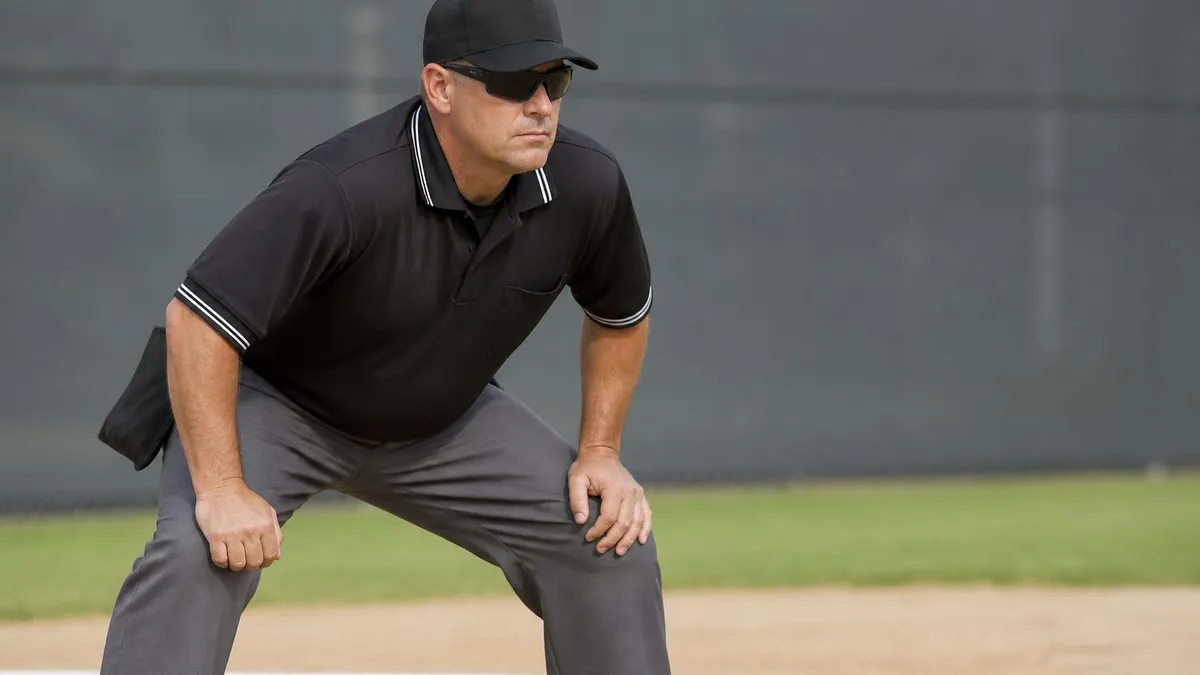
Umpire Signals: The Complete Visual Guide to Every Call Behind the Plate and on the Bases

Umpire Positioning: The Complete Guide to Field Coverage, Mechanics, and Crew Coordination
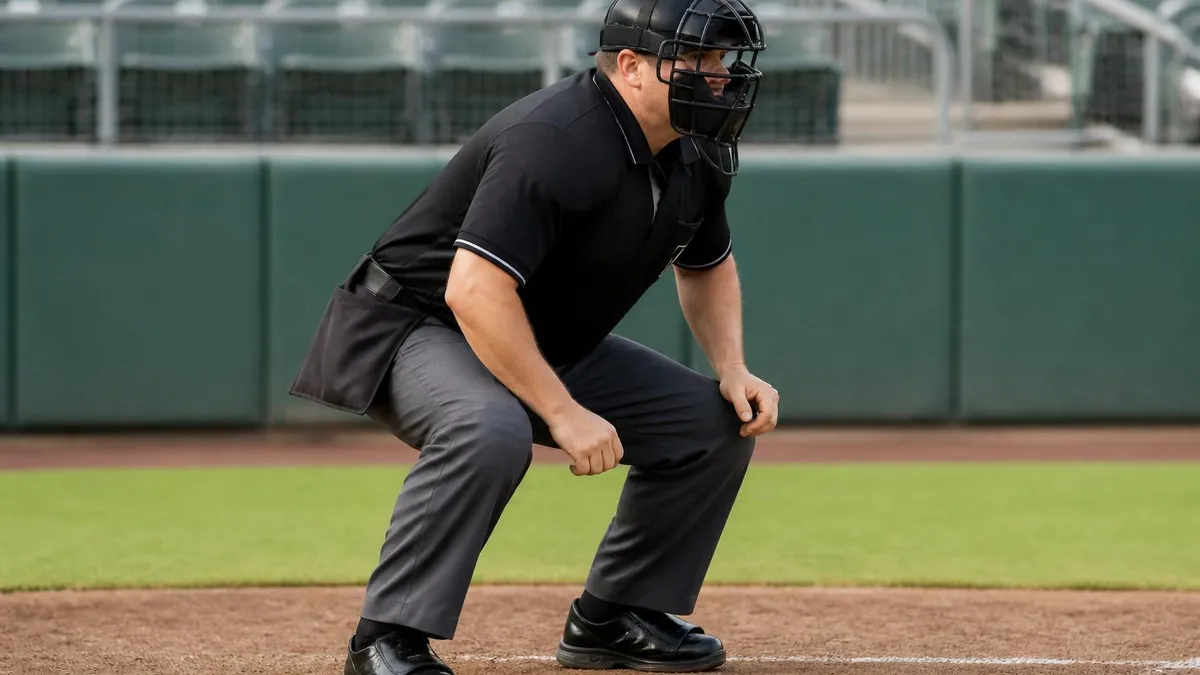
Umpire News: Profession, Career, and Industry Updates

Umpire Jobs: A Complete Career Overview, Duties, and Path to the Field

Umpire in Arkansas: How to Get Certified, Find Games, and Build Your Career
About the Author

Educational Psychologist & Academic Test Preparation Expert
Columbia University Teachers CollegeDr. Lisa Patel holds a Doctorate in Education from Columbia University Teachers College and has spent 17 years researching standardized test design and academic assessment. She has developed preparation programs for SAT, ACT, GRE, LSAT, UCAT, and numerous professional licensing exams, helping students of all backgrounds achieve their target scores.