
How to Become an MLB Umpire: The Complete Training Guide and Requirements
How do I become an MLB umpire? ✅ Learn the exact steps, schools, salary, and career path to reach the big leagues in this complete guide.

If you have ever watched a close play at the plate and thought you could have made that call better, you are not alone — but actually understanding how to become an mlb umpire reveals just how demanding and competitive the journey really is.
Every Major League Baseball umpire on the field today spent years, often more than a decade, working their way through minor league systems, professional umpire schools, and grueling evaluations before earning the right to stand behind home plate in a big-league stadium. The path is long, but for those passionate about the game and committed to mastering its rules, it is absolutely achievable.
The first step toward an MLB umpiring career is attending one of the two officially recognized professional umpire schools: the Minor League Baseball Umpire Training Academy in Vero Beach, Florida, or the Harry Wendelstedt Umpire School in Daytona Beach, Florida. Both schools run intensive five-week programs typically beginning in January, and class sizes are limited.
Tuition runs approximately $3,000 to $4,000 for the course, and prospective students must be at least 18 years old with a high school diploma or GED equivalent to apply. Physical fitness is essential, as the curriculum demands long days on the field in all weather conditions.
After graduating from umpire school, the top-ranked students — usually only the top 10 to 20 percent of each class — receive invitations to the Professional Baseball Umpire Corporation (PBUC) evaluation camp. This two-week camp assesses mechanics, rules knowledge, communication skills, and overall demeanor under pressure. Only the absolute best candidates from this camp are offered professional contracts to begin working in the Minor League Baseball system, starting at the Rookie or Low-A level. The competition at this stage is fierce, with hundreds of hopeful umpires vying for just a handful of openings each season.
Once assigned to the minor leagues, new umpires must demonstrate consistent improvement across multiple seasons and levels. A typical career progression moves from Rookie ball through Low-A, High-A, Double-A, and Triple-A, with each promotion earned through strong evaluations from supervisors. The entire minor league journey often takes eight to twelve years, and there is no guarantee of reaching the majors. Umpires at higher levels earn modest salaries — Triple-A umpires make approximately $3,000 to $4,700 per month during the season — and must cover many of their own travel and lodging expenses in the lower levels.
Throughout their minor league careers, umpires are regularly evaluated by Major League Baseball's Umpire Development Program. Supervisors attend games unannounced and score umpires on positioning, timing, judgment, rules application, and professionalism. The highest-rated minor league umpires receive assignments to work major league spring training games, postseason play, and eventually fill-in slots during the regular season as substitutes when MLB umpires take leave. These auditions are critical opportunities to prove readiness for permanent promotion to the big leagues.
The number of full-time MLB umpire positions is extremely limited — there are only 76 full-time umpires on the major league roster. Openings occur infrequently, usually due to retirement, and competition for each vacancy is intense. Candidates promoted to the major leagues must pass a final evaluation and receive approval from the MLB Commissioner's office. Most new MLB umpires work additional years in a provisional status, proving themselves before being granted full tenure. The median salary for a full-time MLB umpire is approximately $235,000 per year, with senior umpires and crew chiefs earning significantly more.
Even after reaching the majors, professional development never stops. MLB umpires undergo annual video review sessions, rules clinics, and performance evaluations throughout every season. The best umpires are assigned to postseason games — Division Series, League Championship Series, and ultimately the World Series — which represent the pinnacle of achievement in the profession. Understanding the full scope of what this career demands is the foundation of any serious plan to pursue it, and this guide will walk you through every phase of the journey in detail.
MLB Umpiring Career by the Numbers

Step-by-Step Path to Becoming an MLB Umpire
Meet Basic Eligibility Requirements
Enroll in a Professional Umpire School
Excel at the PBUC Evaluation Camp
Work Through the Minor League Levels
Audition in MLB Spring Training and Fill-In Roles
Earn a Full-Time MLB Roster Spot
The minor league phase of an umpiring career is where most careers are won or lost, and understanding what evaluators look for at each level is essential preparation. At the Rookie and Low-A levels, supervisors are primarily concerned with whether a new umpire has absorbed the core mechanics taught at umpire school — positioning behind the plate, base umpire footwork, timing on bang-bang plays, and the proper use of signals.
Mistakes at these levels are expected, but umpires who cannot demonstrate steady improvement through their first two seasons rarely receive promotions. The evaluations are written, detailed, and reviewed by the Umpire Development Program office in New York.
As umpires advance to High-A and Double-A, the expectations shift significantly. The players at these levels are future major leaguers, the games are faster, and the situations are more complex. Umpires must demonstrate mastery of obstruction, interference, balk rules, appeal plays, and the infield fly rule — situations that arise without warning and require instant, confident decisions. Communication skills become increasingly important at this stage, as umpires are expected to manage difficult players, coaches, and managers professionally and without escalating minor disagreements into ejections or controversies that draw negative attention.
Triple-A is the final step before the major leagues, and the competition among umpires at this level is exceptional. Many Triple-A umpires have spent a decade or more working their way up through the system, and they understand every nuance of professional baseball rules. At this level, supervisors are evaluating intangibles as much as mechanics: Does this umpire carry themselves with authority? Do players and managers respect their calls even when they disagree? Can they handle the media attention that comes with high-profile games and controversial moments? These questions matter enormously when MLB officials decide who earns a call-up.
One often-overlooked aspect of minor league umpiring is the physical and financial toll the career takes. Minor league umpires work games every day or nearly every day during a season that runs from April through September, often in intense summer heat. Travel between cities in small rental cars or shared vans is common, especially at the lower levels.
Lodging and per diem allowances are modest, and many umpires supplement their income with offseason work. The ability to manage fatigue, maintain consistent performance across a 140-game season, and stay mentally sharp under difficult conditions separates the umpires who advance from those who plateau.
Physical fitness is not just a requirement for umpire school — it is a career-long necessity. Major league umpires are required to pass annual physical fitness tests, and minor league umpires are expected to maintain similar standards. Umpires who gain excessive weight, develop mobility limitations, or struggle to stay in position on the bases become vulnerable during evaluations.
Many serious candidates begin strength and conditioning programs months before attending umpire school, and maintain structured fitness routines throughout their careers. Good footwork, stamina for nine-inning games in July heat, and the ability to sprint to position quickly all depend on physical conditioning.
Rules knowledge is a non-negotiable pillar of the career, and the best umpires are lifelong students of the Official Baseball Rules. The rulebook is updated annually, and professional umpires are expected to master every change. MLB conducts mandatory rules clinics each spring, and umpires who cannot correctly apply rare or obscure rules during actual game situations face negative evaluations. Many aspiring umpires study the rulebook intensively throughout the offseason and use practice tests and study guides to reinforce their understanding before each new season begins.
Networking and mentorship play underappreciated roles in an umpiring career. Many of the most successful MLB umpires credit experienced mentors — often veteran umpires they worked alongside in the minors — with accelerating their development and helping them avoid career-limiting mistakes. Seeking out feedback proactively, studying video of your own games with a critical eye, and volunteering for additional assignments when supervisors offer them are habits that distinguish ambitious umpires from those who simply go through the motions. The umpiring community is relatively small, and reputation matters at every level of the profession.
MLB Umpire Training: School, Evaluation, and Advancement
The two professional umpire schools — the Minor League Baseball Umpire Training Academy and the Harry Wendelstedt Umpire School — run intensive five-week programs each January in Florida. Curriculum covers the strike zone, base mechanics, rotation principles, signal execution, rules application, and conflict management. Class sizes are limited to roughly 100–120 students per session, creating a competitive environment from day one. Tuition, housing, and equipment costs typically total $5,000–$6,000 for the full five weeks.
Daily schedules at umpire school begin early and end late, with classroom sessions in the morning and field work through the afternoon. Students are evaluated continuously, and rankings are posted regularly so every candidate knows where they stand. The final week involves actual game assignments against minor league players, giving evaluators a realistic picture of each student's readiness. Only the top-ranked graduates receive invitations to the PBUC evaluation camp — the critical gateway to a professional contract.

Is a Career as an MLB Umpire Worth the Journey?
- +Median MLB umpire salary of $235,000 with crew chiefs earning $450,000 or more annually
- +Lifetime career working within professional baseball at the highest level of the sport
- +Strong job security once full tenure is granted on the 76-man MLB roster
- +Postseason assignments to Division Series, ALCS/NLCS, and the World Series
- +Comprehensive benefits including health insurance, pension, and travel reimbursement at the MLB level
- +Deep personal satisfaction from mastering one of the most rules-complex professional sports
- −Extremely limited job openings — only 76 full-time MLB slots exist nationwide
- −8 to 12 years or more of minor league work with modest pay before potential MLB promotion
- −Minor league umpires cover many travel and lodging costs out of pocket at lower levels
- −No guaranteed advancement — most umpire school graduates never reach the major leagues
- −Highly physically demanding career requiring year-round fitness and long daily hours during season
- −Constant public and social media scrutiny, including review of every close or controversial call
Pros and Cons at a Glance
| Pros | Cons |
|---|---|
| Lifetime career working within professional baseball at the highest level of the sport | Minor league umpires cover many travel and lodging costs out of pocket at lower levels |
| Postseason assignments to Division Series, ALCS/NLCS, and the World Series | No guaranteed advancement — most umpire school graduates never reach the major leagues |
| Comprehensive benefits including health insurance, pension, and travel reimbursement at the MLB level | Highly physically demanding career requiring year-round fitness and long daily hours during season |
| Deep personal satisfaction from mastering one of the most rules-complex professional sports | Constant public and social media scrutiny, including review of every close or controversial call |
MLB Umpire Career Preparation Checklist
- ✓Confirm you meet minimum eligibility: age 18+, high school diploma or GED, and 20/20 corrected vision
- ✓Begin a structured physical fitness program at least 6 months before umpire school to build stamina and mobility
- ✓Purchase and study the current Official Baseball Rules cover-to-cover, paying special attention to obstruction, interference, and balk rules
- ✓Apply to either the Minor League Baseball Umpire Training Academy or Harry Wendelstedt Umpire School well before the application deadline
- ✓Budget $5,000–$6,000 for tuition, housing, equipment, and living expenses during the five-week umpire school program
- ✓Practice your behind-the-plate stance and base mechanics using video, mirrors, or local amateur games before attending school
- ✓Build experience umpiring high school, college, or amateur games to develop field presence and situational judgment
- ✓Study umpire signals and crew communication protocols so you arrive at school with foundational mechanics already internalized
- ✓Prepare mentally and physically for the PBUC evaluation camp — research what evaluators look for and train accordingly
- ✓Plan financially for a multi-year minor league career at modest salaries before receiving any major league opportunities
The PBUC Camp Is Your Most Critical Milestone
Of the hundreds of students who attend professional umpire schools each January, only the top 10–20 percent receive PBUC evaluation camp invitations — and from those, only 5 to 10 earn professional contracts. Your ranking at umpire school is the single most important factor in whether your career even begins, which makes preparation before you arrive as important as performance once you get there.
The salary and financial reality of an umpiring career follows a dramatic arc — from very modest compensation in the minor leagues to excellent pay at the major league level, with a long, uncertain period in between. At the Rookie and Low-A levels, professional umpires earn approximately $2,000 to $2,400 per month during the roughly five-month season, with no pay during the offseason.
Housing and per diem allowances are provided but are minimal, and umpires at these levels frequently share hotel rooms and travel in compact rental cars between small markets. Many supplement their income with offseason jobs in unrelated fields.
As umpires advance to High-A and Double-A, monthly salaries improve to roughly $2,500 to $3,500, and some allowances for housing or transportation improve as well. The jump to Triple-A brings salaries of approximately $3,000 to $4,700 per month, and umpires at that level begin to enjoy slightly better travel arrangements.
However, even at Triple-A, the annualized income for a full season and offseason period — particularly accounting for expenses — is modest compared to what most professionals with equivalent experience and expertise might earn in other fields. This financial reality is one reason many umpiring candidates leave the profession before reaching the majors.
The financial calculus changes dramatically upon reaching the major leagues. First-year MLB umpires earn a base salary of approximately $150,000 per year, with pay increasing substantially with seniority. Mid-career MLB umpires typically earn $200,000 to $300,000 annually, while experienced crew chiefs — umpires who lead a four-person crew and carry significant authority during games — can earn $450,000 or more. All MLB umpires receive comprehensive benefits including health insurance, a defined benefit pension plan, and travel and accommodation expenses fully covered during the season.
Postseason assignments represent both a professional honor and a meaningful financial bonus. Umpires selected for Division Series games receive a fee of approximately $17,500, while ALCS and NLCS assignments pay around $20,000 each. World Series umpires earn approximately $20,000 for the series. These postseason fees are paid on top of regular salary and are awarded based on annual performance rankings, creating a direct financial incentive for umpires to maintain high performance even after achieving job security through tenure. The All-Star Game is similarly compensated with a fee of around $10,000 to $15,000 per selected umpire.
Beyond base compensation, MLB umpires benefit from a pension plan that becomes fully vested after a qualifying period of service. Umpires who retire after a full MLB career receive pension benefits that provide meaningful long-term financial security. The MLB Umpires Association, which represents full-time major league umpires through collective bargaining, has secured these benefits over decades of negotiations. Understanding the full compensation picture — including benefits, postseason pay, and pension — reveals that the total lifetime earnings potential for a successful MLB umpire significantly exceeds what the base salary figures suggest at first glance.
Career longevity in umpiring can be remarkable. Many MLB umpires work into their late 50s or even early 60s, provided they maintain physical fitness and continue to perform at a high level during evaluations. This longevity, combined with pension benefits, means that a career reaching the major leagues and lasting 15 to 20 seasons at that level can generate lifetime financial security that rewards the long, difficult journey through the minor leagues. For those who make it, the return on investment — measured in both financial and personal fulfillment terms — is substantial.
The number of MLB umpire positions has remained stable at 76 full-time slots for many years, and openings are rare. Typically only three to five vacancies arise in any given year, almost always due to retirement rather than any form of expansion. The average MLB umpire retires in their late 50s after roughly 20 to 25 years of major league service, meaning the pool turns over slowly.
This makes it critical for aspiring umpires to understand that the career is a genuine long-term investment requiring extraordinary commitment, patience, and sustained excellence across potentially more than a decade of minor league work before any major league opportunity arises.
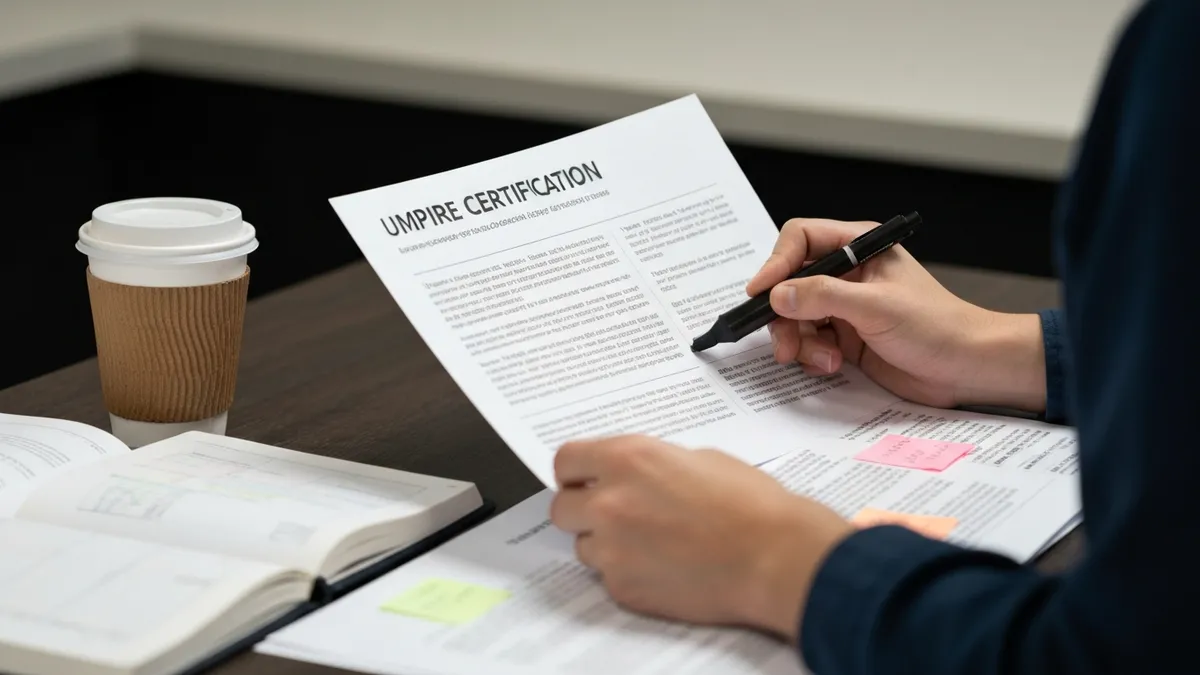
Both the Minor League Baseball Umpire Training Academy and the Harry Wendelstedt Umpire School fill their January classes well in advance — often by October or November of the prior year. Missing the application window means waiting a full year before the next opportunity. If you are serious about attending, submit your application and deposit as early as possible, ideally by September of the year before your target class begins.
Building strong foundational skills before ever setting foot at umpire school can make a significant difference in your ranking and, ultimately, whether you receive a PBUC evaluation camp invitation. The umpires who perform best during the five-week program are rarely those who arrive with raw talent alone — they are the ones who arrived with mechanics already drilled into muscle memory, rules already studied deeply, and physical conditioning already at a high level.
Investing three to six months of deliberate preparation before school gives you a meaningful advantage over candidates who treat the program as a starting point rather than a proving ground.
Start by acquiring the current edition of the Official Baseball Rules and reading it completely at least twice. Focus especially on the most rules-complex situations: the infield fly rule and when it applies, the difference between obstruction and interference, balk rules for both the windup and set positions, appeal play procedures, and the rules governing substitutions and lineup changes. Many umpire school candidates arrive unable to explain these rules clearly under pressure, which immediately signals a lack of preparation to evaluators. Knowing the rulebook cold is non-negotiable at the professional level.
Next, begin umpiring local amateur games — high school varsity, college club leagues, adult recreational leagues, or any organized competition where you can practice working behind the plate and on the bases. Even experienced players and coaches in amateur settings will give you feedback on your positioning, timing, and calls, and working real games develops the situational awareness and composure that classroom study alone cannot build. Many successful professional umpires accumulated hundreds of amateur game assignments before attending their first professional school session.
Video study is an underutilized preparation tool that can accelerate your mechanical development significantly. Watch MLB umpires working on television broadcasts and pay careful attention to their footwork on base plays, their timing before making calls, the crispness of their signals, and how they position themselves relative to runners and fielders on different play types. Slow-motion replay clips available on MLB's website and various baseball content channels allow you to study specific mechanics in detail. Try to replicate what you see when working amateur games, and record yourself if possible so you can identify mechanical errors to correct.
Physical preparation is equally important and often underestimated by first-time umpire school candidates. Five weeks of umpire school involves daily work on artificial turf in Florida January weather — which can be surprisingly warm and humid — followed by stretching, classroom sessions, and then more field time. You will squat, pivot, sprint to position, and stand for hours without meaningful rest breaks.
Build a conditioning program that emphasizes lower body strength, core stability, hip mobility, and cardiovascular endurance. Most experienced umpire school instructors say that physical conditioning often separates students who perform consistently through the five weeks from those who fade in the final stretch.
Mental preparation is the third pillar of pre-school preparation. Umpiring is a profession that demands split-second decisions under intense scrutiny, often with coaches or managers challenging your calls from just a few feet away. Developing composure, confidence, and the ability to make a decisive call and move on without second-guessing yourself is critical.
Practice making calls loudly and with confidence, even in low-stakes amateur games, so that projecting authority becomes natural rather than forced when the pressure is real. Umpires who hesitate or appear unsure of their calls invite challenges from players and coaches, which compounds the difficulty of the situation.
Finally, connect with experienced umpires who have worked at higher levels and can offer mentorship and honest feedback. Many states have umpire associations that organize clinics, assignor networks, and mentorship programs connecting new umpires with veterans. Organizations like the National Association of Sports Officials (NASO) offer resources including training materials, insurance, and community for umpires at all levels. Building relationships within the umpiring community before attending professional school gives you access to guidance from people who have successfully navigated the same path you are trying to follow, and that real-world wisdom is invaluable during a demanding and competitive process.
Once you have begun your professional umpiring career in the minor leagues, the habits you build in your first two to three seasons will shape your entire trajectory. Supervisors from the MLB Umpire Development Program evaluate minor league umpires throughout the season, often attending games without advance notice to observe performance under normal conditions.
The umpires who advance most quickly are those who perform consistently at a high level regardless of the game's stakes, the quality of the opponent, or the difficulty of the travel schedule. Treating every game as an evaluation — because it effectively is — is the mindset that separates those who advance from those who plateau.
Actively seek feedback from supervisors rather than waiting for evaluations to be shared with you. Most supervisors respect umpires who approach them after games with genuine questions about specific plays: Was my positioning correct on that rotation? Did my timing hold up on that sweep tag? Could I have managed that argument more efficiently? Supervisors are more likely to invest attention in umpires who demonstrate intellectual curiosity and commitment to improvement, and those relationships can influence promotion decisions in borderline cases where the data alone does not clearly favor one candidate over another.
Crew dynamics matter more than many young umpires realize. At the minor league level, two-umpire crews work together for extended stretches of the season, and the ability to communicate clearly, share information on checked swings and base rotations, and support a partner after a difficult play is a skill that supervisors explicitly evaluate. Umpires who create friction within crews, blame partners for mistakes, or resist collaborative communication develop reputations that travel quickly in the small professional umpiring community. Being an outstanding crewmate is as important as being an outstanding individual umpire.
Managing your physical and mental health through a long minor league season is a practical skill that requires active effort. The season runs roughly 140 games from April through September, often with day games after night games, extensive bus or car travel between cities, and weeks away from family and home.
Developing structured sleep routines, eating discipline, and stress management practices will help you maintain consistent performance when fatigue accumulates in August and September. The umpires who perform their best late in the season — when supervisors are making final evaluations before promotion decisions — are those who have taken physical and mental wellness seriously all year.
Study advanced rules scenarios continuously throughout your career. The Official Baseball Rules contain dozens of situations that rarely arise during a typical season but become defining moments when they do occur. Umpires who handle a rare appeal play incorrectly, misapply the infield fly rule, or misunderstand the interference rules in a key moment can derail a successful season with a single costly error.
Many professional umpires work through published rules case books, attend off-season rules clinics, and participate in group discussions with fellow umpires about rare or ambiguous situations. This continuous learning mindset is one of the defining characteristics of umpires who reach and sustain major league careers.
Use off-season periods strategically. While the professional baseball season runs from April through September, the most ambitious umpires use October through March to sharpen their skills rather than simply rest. Options include working winter league baseball in Puerto Rico, the Dominican Republic, or Venezuela for additional high-level game experience; attending umpire clinics and rules workshops; studying video of your own games from the previous season; and building physical conditioning for the coming year. Umpires who return to spring training visibly sharper than they finished the prior season make the strongest possible impression on supervisors when the new evaluation cycle begins.
Finally, embrace the long timeline as a feature of the profession rather than a frustration. Every season in the minor leagues is an opportunity to become a better umpire, and the umpires who reach the major leagues are almost universally those who approached each level with genuine enthusiasm rather than impatience.
The journey to MLB is long, difficult, and uncertain — but for those who commit fully to the process, master their craft at every level, and maintain the professional standards required throughout, the destination is one of the most rewarding positions in professional sports. The umpires standing on the field during the World Series earned every single step of the journey that brought them there.
Umpire Questions and Answers
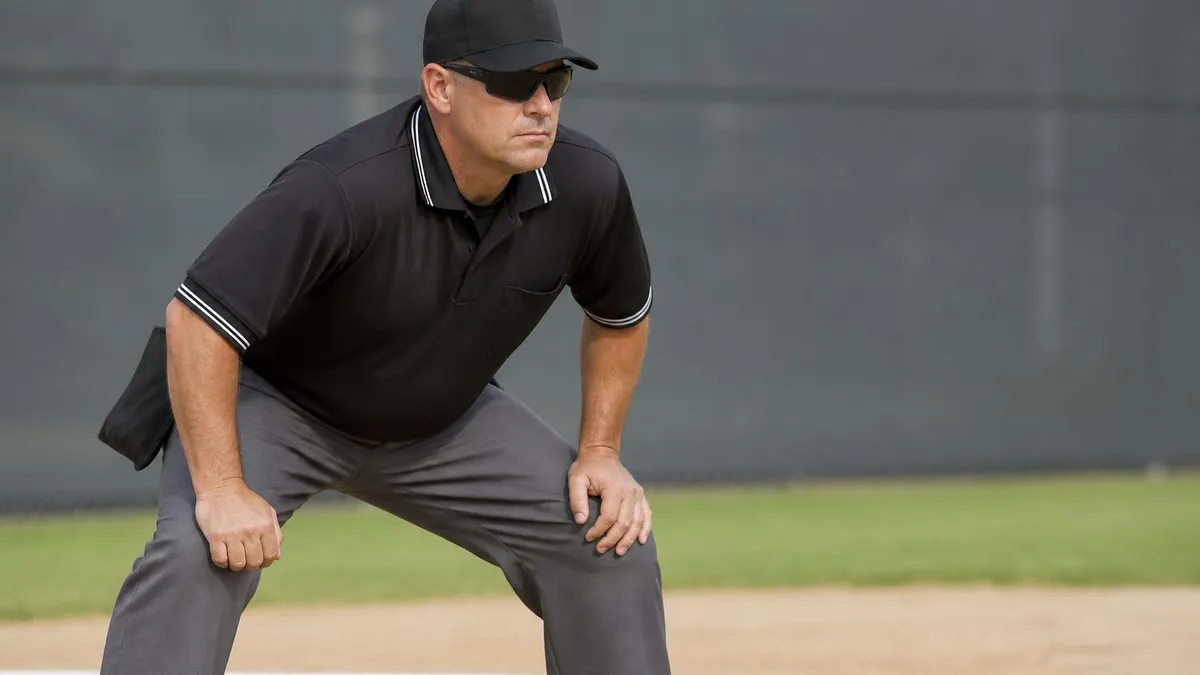
Umpire Signals: The Complete Visual Guide to Every Call Behind the Plate and on the Bases

Umpire Positioning: The Complete Guide to Field Coverage, Mechanics, and Crew Coordination
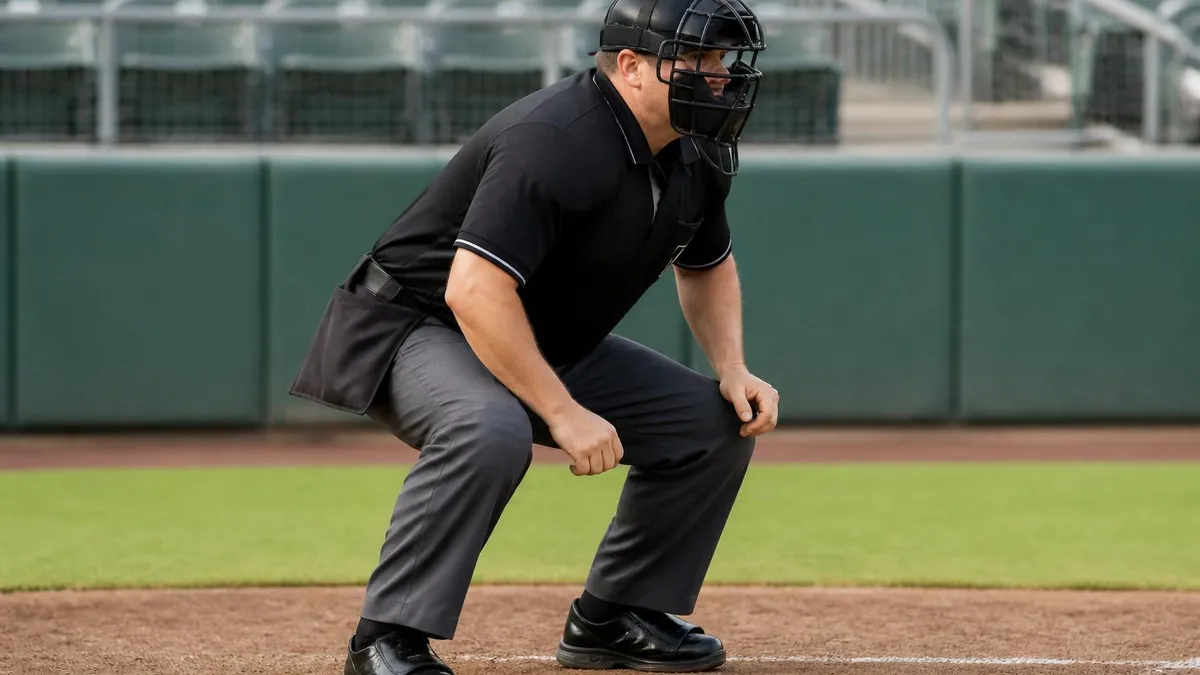
Umpire News: Profession, Career, and Industry Updates

Umpire Jobs: A Complete Career Overview, Duties, and Path to the Field

Umpire in Arkansas: How to Get Certified, Find Games, and Build Your Career
About the Author

Educational Psychologist & Academic Test Preparation Expert
Columbia University Teachers CollegeDr. Lisa Patel holds a Doctorate in Education from Columbia University Teachers College and has spent 17 years researching standardized test design and academic assessment. She has developed preparation programs for SAT, ACT, GRE, LSAT, UCAT, and numerous professional licensing exams, helping students of all backgrounds achieve their target scores.