
How to Pass the Smart Serve Exam: Study Guide & Tips 2026 October
Free Smart proxy server: 📗 how to pass the smart serve exam practice test with instant feedback and detailed answer explanations. Prepare for your exam.

If you're looking for the most direct path through the smart serve smart serve test how to pass smart serve exam challenge, you're in the right place. Passing Smart Serve on your first attempt is achievable with a structured approach — think of it like configuring a smart proxy server: you set up the rules once, correctly, and the system handles everything smoothly from that point forward.
Your Smart Serve certification works the same way — get the knowledge foundation right, and responsible service decisions become automatic on the floor. The minimum passing score is 80%, and the exam tests applied understanding of Ontario alcohol law rather than pure memorization.
How old do you have to be to serve alcohol in Ontario? Eighteen — and holding a valid Smart Serve certificate is the mandatory credential that proves you're legally authorized to serve at any licensed venue in the province. Both requirements (age and certification) must be met before you can legally step behind the bar or take a floor service role at a licensed establishment. Understanding this foundation matters because the Smart Serve exam tests whether you understand the rules that make responsible service legal and professional, not just whether you memorized a definition.
This guide walks you through a proven preparation strategy for the Smart Serve exam: which subject areas to prioritize, how to use practice quizzes effectively, and what to expect on exam day. Free practice links are throughout the article — use them as calibration tools before your final attempt.
Smart Serve Exam: Key Numbers
Key Facts at a Glance
| Item | Value | Details |
|---|---|---|
| Minimum score to pass the exam | 80% | |
| Minutes for the final exam | 45–90 | |
| Minimum age to hold certification | 18+ | |
| Certificate validity after passing | 5 yrs |

How old do you have to be to serve alcohol in Ontario — 18 — is the first requirement; Smart Serve certification is the second. Together they make you legally eligible for any alcohol service role in Ontario. How old do you have to be to serve alcohol before you can even enroll in Smart Serve? Officially, there's no minimum enrollment age — you can complete the training and pass the exam before your 18th birthday, but your certificate only becomes legally operative on your 18th birthday.
Smart serve certification involves completing four training modules — alcohol laws, responsible service, ID verification, and refusal of service — followed by the final adaptive exam. The modules are self-paced and delivered online at smartserve.ca. Most candidates take one to two hours per module, though the pace varies significantly based on reading speed and how thoroughly you engage with the content. Rushing through modules to get to the exam faster is the most common preparation mistake — the exam draws directly from module content, so shallow engagement translates directly to lower exam scores.
The four subject areas aren't equally weighted in terms of difficulty. Most candidates find the responsible service scenario questions the hardest because they require holding multiple variables simultaneously (stage of intoxication + appropriate response + communication technique). Alcohol laws questions are more straightforward once you know the key rules. ID verification questions are specific enough to study precisely. Refusal of service questions reward candidates who've internalized the practical framework.
The best smart serve preparation strategy follows a three-phase cycle: engage deeply with each training module, test your retention with practice questions, and revisit weak areas before the exam. The way to serve alcohol responsibly — and to pass the exam — is through genuine understanding, not surface-level review. Can you serve alcohol at 18? Yes — but your certification proves you understand what that responsibility entails legally and professionally. The exam is testing for that understanding.
Phase one: complete all four training modules without skipping content. Read actively — take notes on key rules (service hours, acceptable IDs, intoxication stage indicators), not just passively scroll. The exam frequently uses slightly different wording than the training module — candidates who understood the principle answer correctly; candidates who tried to memorize exact phrasing often miss questions worded differently.
Phase two: use practice quiz sets immediately after each module while the content is fresh. If you score below 75% on a practice quiz for a specific subject, don't proceed to the next module yet — revisit the training content first. Stacking weak areas compounds the problem: each module builds slightly on conceptual foundations from the previous ones, so gaps in alcohol law knowledge create blind spots in responsible service questions.
Smart Serve Practice Test Questions
Prepare for the Smart Serve - Smart Serve Test exam with our free practice test modules. Each quiz covers key topics to help you pass on your first try.
Smart Serve Alcohol Laws and Regulations
Smart Serve Exam Questions covering Alcohol Laws and Regulations. Master Smart Serve Test concepts for certification prep.
Smart Serve Alcohol Laws & Responsible Ser...
Free Smart Serve Practice Test featuring Alcohol Laws & Responsible Service. Improve your Smart Serve Exam score with mock test prep.
Smart Serve Checking Identification & Age ...
Smart Serve Mock Exam on Checking Identification & Age Verification. Smart Serve Study Guide questions to pass on your first try.
Smart Serve Customer Interaction and Safety
Smart Serve Test Prep for Customer Interaction and Safety. Practice Smart Serve Quiz questions and boost your score.
Smart Serve Drug Interactions and Alcohol
Smart Serve Questions and Answers on Drug Interactions and Alcohol. Free Smart Serve practice for exam readiness.
Smart Serve Duty of Care and Legal Liability
Smart Serve Mock Test covering Duty of Care and Legal Liability. Online Smart Serve Test practice with instant feedback.
Smart Serve Effects of Alcohol & Standard ...
Free Smart Serve Quiz on Effects of Alcohol & Standard Drinks. Smart Serve Exam prep questions with detailed explanations.
Smart Serve Identifying Intoxication & Imp...
Smart Serve Practice Questions for Identifying Intoxication & Impairment. Build confidence for your Smart Serve certification exam.
Smart Serve Liability Issues & Risk Manage...
Smart Serve Test Online for Liability Issues & Risk Management. Free practice with instant results and feedback.
Smart Serve Managing Difficult Situations ...
Smart Serve Study Material on Managing Difficult Situations & Refusals. Prepare effectively with real exam-style questions.
Smart Serve Ontario Liquor Licence Act
Free Smart Serve Test covering Ontario Liquor Licence Act. Practice and track your Smart Serve exam readiness.
Smart Serve Responsible Alcohol Service
Smart Serve Exam Questions covering Responsible Alcohol Service. Master Smart Serve Test concepts for certification prep.
Smart Serve Roles & Responsibilities of Se...
Free Smart Serve Practice Test featuring Roles & Responsibilities of Servers. Improve your Smart Serve Exam score with mock test prep.
Smart Serve Safe Alcohol Service & Monitoring
Smart Serve Mock Exam on Safe Alcohol Service & Monitoring. Smart Serve Study Guide questions to pass on your first try.
Smart Serve Safe and Legal Practices
Smart Serve Test Prep for Safe and Legal Practices. Practice Smart Serve Quiz questions and boost your score.
Smart Serve Serving Minors and Underage Pr...
Smart Serve Questions and Answers on Serving Minors and Underage Prevention. Free Smart Serve practice for exam readiness.
Smart Serve Study Strategies by Subject
The alcohol laws module covers Ontario's Liquor Licence Act and AGCO regulatory framework. Focus on: permitted service hours (9:00 AM to 2:00 AM at licensed venues), the difference between major and minor violations, what constitutes over-service as a legal matter, and how different licence types operate under different conditions. Exam questions in this area typically present a situation and ask whether a violation occurred or what the correct server response is.
Study tip: for each major rule in the training module, think of one realistic scenario where it would apply. "9 AM to 2 AM service hours" becomes: a patron orders at 1:58 AM — do you serve? (Yes, you can serve; they must be able to finish before closing.) This active scenario-building is more exam-effective than re-reading the rules passively multiple times.
How old do you have to be to serve liquor in Ontario compared to other jurisdictions? Ontario sets the minimum at 18 for all categories of alcohol service. In contrast, the indiana server liquor license online system requires servers in Indiana to be 21 — the US federal minimum drinking age influences server age requirements in most states. How old do you have to be to serve liquor varies even more across US states: some states distinguish between serving beer vs. spirits (different age minimums), while Ontario makes no such distinction — 18 applies uniformly to all alcohol categories.
The indiana server liquor license online process (Indiana's SET certification) is one of the most simplified US state programs, similar in structure to Ontario's Smart Serve — online training, multiple-choice exam, digital certificate. The core content is comparable: responsible service principles, ID checking, recognizing impairment, refusal techniques. But Indiana's minimum serving age (21) and legal framework (Indiana Alcohol and Tobacco Commission) differ meaningfully from Ontario's (AGCO, 18 minimum).
Understanding that Smart Serve is province-specific is particularly important for candidates who've previously completed server training in another jurisdiction. US state server permits don't substitute for Smart Serve in Ontario — even if you hold a valid Indiana SET certificate or Texas TABC server permit, you still need to complete Ontario's Smart Serve certification before serving alcohol at a licensed Ontario venue. The training content overlaps substantially but the regulatory frameworks differ enough that recertification is required.
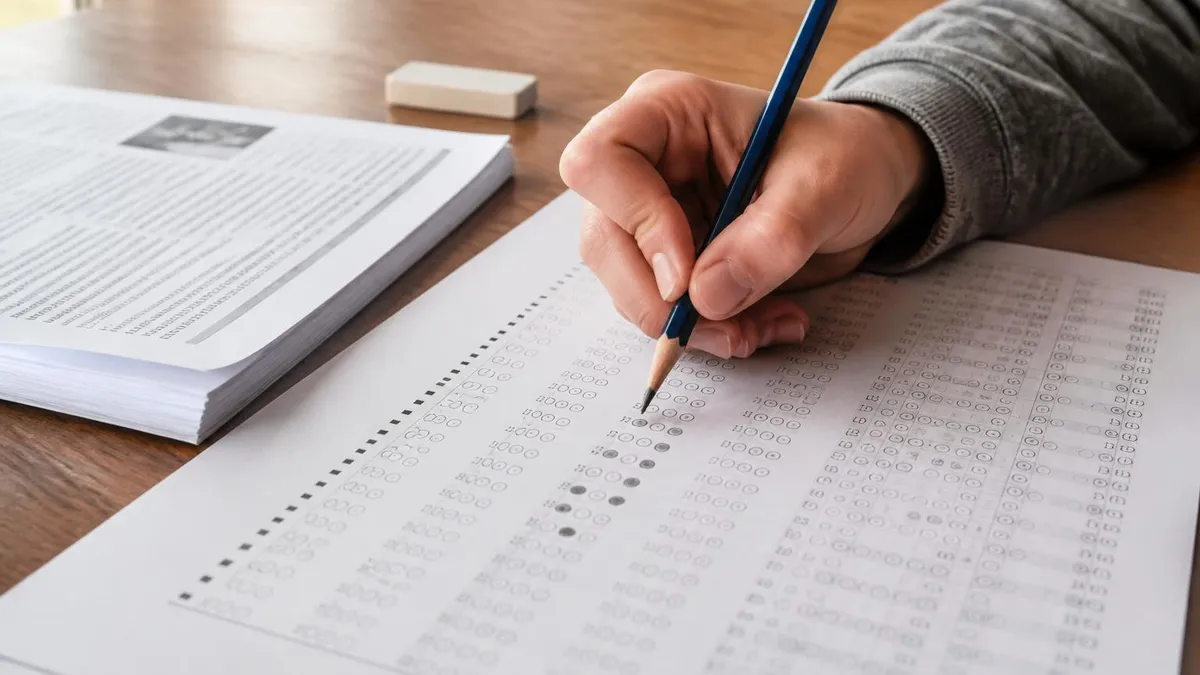
Smart Serve Exam: 4 Things to Master
Know the three intoxication stages (early/moderate/advanced) and the specific behavioral indicators for each. The correct server response is stage-dependent — getting the stage wrong means getting the response wrong. This is the highest-use knowledge area on the responsible service module.
Memorize exactly which documents are acceptable in Ontario (driver's licence, passport, Canadian Forces ID, Ontario Photo Card) and practice calculating age quickly from birth dates under pressure. These questions have clear correct answers — get them right consistently.
Know Ontario's permitted service hours cold: 9:00 AM to 2:00 AM at licensed bars and restaurants, 9:00 AM to 11:00 PM at authorized retail. Exam questions often test the edge cases — what happens at 2:01 AM, when does service stop for patrons currently at tables.
Smart Serve's refusal approach is: private, respectful, firm, and redirective (offer an alternative — water, food, safe transport). Practicing this four-element framework until it feels natural prepares you for both exam questions and real service situations.
The way to serve well on the Smart Serve exam is to treat every practice quiz session as a diagnostic tool, not just a confidence builder. When you miss a question, don't just note the correct answer — understand why your answer was wrong. Systematic error analysis is what accelerates improvement between practice sessions. Candidates who review their misses carefully improve faster than those who simply try again and hope for different results.
The alcohol server permit georgia (Georgia's RASS certification) and similar US state programs share the Smart Serve's focus on scenario-based testing. Alcohol server permit requirements across North America consistently test applied situational judgment rather than regulatory memorization — this format rewards candidates who understand the principles well enough to apply them in novel scenarios. If you approach Smart Serve prep with this mindset, you'll outperform candidates who rely on memorized rules.
Phase three of your preparation: the day before your exam, do a full practice quiz set across all four subject areas without stopping. Treat it like a mock exam — timed, uninterrupted, focused. If you score 80%+ across all four areas, you're ready. If any area drops below 75%, target that area with one more focused review session. Don't attempt the real exam until your mock performance is consistently above the passing threshold.
Smart Serve Preparation Approaches: Pros & Cons
- +Training modules + practice quizzes = the most reliable preparation combination
- +Scenario-based practice builds the applied thinking the exam actually tests
- +Free practice resources available across all four subject areas — no cost for prep
- +Self-paced format lets you spend more time on weak areas without falling behind
- +Immediate certificate delivery after passing — no waiting for results
- +Once you genuinely understand the material, real-world service decisions become easier too
- −Rushing through modules without engagement consistently produces low practice scores
- −Relying on old answer sheets gives false confidence and may introduce wrong information
- −Underestimating the scenario-based format leads to unexpected difficulty on the real exam
- −No feedback on which questions you missed or why — requires self-driven error analysis
- −Retake fees make first-attempt success economically important as well as professionally important
- −Adaptive format means you can't predict how many questions you'll face or how long it will take
The indiana liquor license for servers (SET certification) requires servers to be 21 — a significant contrast with Ontario's 18 minimum. Server permit requirements vary widely across North America, but the content universally covers responsible service principles, ID verification, and understanding the legal framework for alcohol service in the relevant jurisdiction. How old do you have to be a server in your jurisdiction matters for determining which training program applies to you — Ontario's Smart Serve if you're working in Ontario, the relevant state program if you're in the US.
If you're moving from another province or returning to Ontario after working elsewhere in Canada, note that Smart Serve is province-specific. British Columbia's Serving It Right, Alberta's ProServe, and Manitoba's Smart Choices are separate programs — none substitute for Smart Serve Ontario. The content similarity is high, but each program is tied to its province's specific alcohol legislation. Even if you completed Serving It Right in BC last year, you'll need Smart Serve before serving alcohol in Ontario.
The server permit landscape across US states is even more fragmented. Indiana, Texas, Georgia, Utah, and New Mexico all have separate server permit programs under different regulatory bodies. Moving between states typically requires completing a new state-specific program. This fragmentation is one of Ontario's real advantages: one Smart Serve certificate works province-wide, regardless of which city, county, or venue type you're working in.

Smart Serve Exam Day Checklist
- ✓Confirm you're 18 or older and have completed all four Smart Serve training modules
- ✓Score 80%+ on at least two practice quiz sets across all four subject areas before attempting
- ✓Set up in a quiet, distraction-free environment with a stable internet connection
- ✓Use Chrome or Firefox browser for best platform compatibility
- ✓Keep a glass of water nearby — the exam can take 45–90 minutes and you shouldn't rush
- ✓Read every question fully before selecting an answer — scenario questions often hinge on specific wording
- ✓Eliminate clearly wrong options first, then choose from the remaining options
- ✓Don't second-guess answers you were confident about on first read — trust your preparation
- ✓If the session disconnects, log back in immediately — your progress is typically saved
- ✓Download your certificate immediately after passing and note your Smart Serve certificate number
Can you serve alcohol at 18 in Ontario — yes — and the Smart Serve exam is the last step between you and your first serving role. How old do you have to be a server in Ontario? Eighteen, with Smart Serve certification. Once you hold your certificate, you're legally eligible for any alcohol service position in the province. The exam is the bottleneck, and solid preparation removes it. Most candidates who use the three-phase approach (train → practice → diagnose weak areas → re-practice) pass on their first attempt with a comfortable margin above 80%.
The indiana server liquor license (SET certification) provides a useful comparison on the value of preparation: Indiana employers report that candidates with SET certification before applying have a measurably higher first-attempt pass rate and perform better in their first weeks on the floor. The same principle applies in Ontario — Smart Serve-certified candidates who've actually internalized the training material make better real-world service decisions, which is why the certification exists.
Exam anxiety is real and worth addressing directly: if you're nervous about the exam, more practice is the best anxiolytic. Anxiety is typically driven by uncertainty about what the exam will test. The more practice questions you work through, the more familiar the format becomes — and the lower your anxiety. Candidates who've done ten to fifteen full practice quiz sets report feeling genuinely calm on exam day because they've seen enough question types to know what's coming.
After each practice question, explain why the correct answer is correct — out loud
This technique — called "elaborative interrogation" in learning science — dramatically improves retention compared to simply checking the answer and moving on. When you can articulate why the correct option is right (not just that it's right), you've encoded the underlying principle in a form your brain can retrieve under exam pressure. Apply this to every practice question you miss, and to any question where you chose correctly but weren't fully confident. Five minutes of this after a practice session produces better retention than an additional hour of passive re-reading.
The tabc server permit (Texas Alcoholic Beverage Commission certification) is one of the more well-known US state server permits, required by most Texas bars and restaurants before an employee can serve alcohol. The k cafe smart single serve coffee maker is an entirely separate product — a Keurig single-cup coffee brewer — that happens to share vocabulary with "Smart Serve." If you've encountered this phrase in your Smart Serve research, the coffee maker and the Ontario alcohol certification are unrelated; the name similarity is coincidental.
Back to the TABC: Texas sets its minimum age at 18 for serving alcohol (though bar manager positions often require 21), which aligns with Ontario's minimum. TABC certification covers Texas alcohol law, intoxication recognition, ID verification, and responsible service — the same subject areas as Smart Serve, adapted to Texas's regulatory framework. Candidates who hold TABC in Texas and relocate to Ontario will find the content familiar but still need to complete Smart Serve Ontario certification before serving alcohol in the province.
Understanding these cross-jurisdictional comparisons isn't just trivia — it helps Ontario candidates appreciate what their Smart Serve certificate actually represents. It's not a generic "I know about alcohol" certificate; it's specifically calibrated to Ontario's legal requirements and AGCO enforcement framework. That precision is what makes it legally operative in Ontario and why it doesn't substitute for other provinces' programs.
If you've completed all four Smart Serve training modules and worked through multiple practice quiz sets across all four subject areas, you're genuinely ready for the exam. The 80% threshold is designed to be achievable by well-prepared candidates, not to filter out everyone except experts. Most first-time candidates who engaged seriously with the training pass with comfortable margins. Go in confident that your preparation reflects in your performance — and if you're not yet scoring 80%+ on practice tests, that's the signal to do one more focused study session before attempting the real exam.
The utah alcohol server permit is administered through Utah's Department of Alcoholic Beverage Services — Utah has particularly strict alcohol laws, including specific percentage limits on served alcohol and unusual venue-type restrictions that differ from most states. The seattle alcohol server permit (Washington State's MAST certification) requires completion of an approved alcohol server training course in Washington State. Both require state-specific knowledge that goes beyond what Smart Serve covers, just as Smart Serve covers Ontario-specific rules that these programs don't.
The common thread across all responsible service certifications: ID verification, intoxication recognition, refusal of service, and understanding the legal framework are universal skills. What varies is the specific legal framework — permitted hours, minimum serving age, licence types, enforcement mechanisms. Ontario's Smart Serve does an excellent job of covering all four universal skill areas through its four training modules, which is why the exam format (scenario-based, 80% pass threshold, adaptive question count) is effective at identifying genuinely prepared candidates.
Your final exam preparation action: take one full practice quiz set across all four Smart Serve subjects today, treat it like the real exam (focused, uninterrupted, timed), review every missed question carefully, and schedule your real exam attempt for a day when you're rested and prepared. That's the complete preparation pathway, and it works for candidates who follow it consistently.
Seller server classes are the US equivalent of Smart Serve — state-approved courses that train alcohol sellers and servers in responsible service principles, state-specific alcohol law, and customer intervention techniques. "Seller server" is the common US regulatory term for the dual role that bartenders and servers play: you're both selling alcohol (a commercial transaction) and serving it (a service interaction). Smart Serve Ontario captures both functions under one certification, just as US seller server programs do.
Alcohol servers permit new mexico certification falls under New Mexico's Alcohol Server Education (ASE) program, which requires completion before servers begin working in a licensed venue. New Mexico's program has a 10-day grace period for new employees — a server can begin work while completing certification but must finish within 10 days of starting. Ontario's Smart Serve is stricter: you should have certification before your first shift serving alcohol, not within 10 days. Check with your employer on their specific policy, but don't assume Ontario allows the same grace period as New Mexico.
The foundation of Smart Serve success is the same whether you're taking the exam tomorrow or preparing six weeks out: engage with the training material genuinely, practice with scenario-based questions regularly, diagnose and address weak areas before the exam, and approach the final test with confidence built on real preparation. That cycle works. Follow it and you'll walk out with your certificate and the knowledge to apply it correctly on the job.
Sample Smart Serve Test Practice Questions
Try these questions from our free Smart Serve Test practice tests. The correct answer and an explanation follow each question.
What training requirement applies to servers at events with Special Occasion Permits in Ontario?
- A. No training is required
- B. Servers should have Smart Serve certification to ensure responsible alcohol service
- C. Only first aid training is needed
- D. Servers need a university degree in hospitality
Answer: B. Servers should have Smart Serve certification to ensure responsible alcohol service
While requirements may vary by event type, servers at SOP events should have Smart Serve certification. This ensures they understand their legal obligations regarding responsible service, identification checking, recognizing intoxication, and refusing service when necessary.
Which of the following is a reliable physical sign of intoxication?
- A. Wearing sunglasses indoors
- B. Slurred speech, loss of coordination, and glassy/unfocused eyes
- C. Ordering expensive drinks
- D. Talking loudly on a phone
Answer: B. Slurred speech, loss of coordination, and glassy/unfocused eyes
Reliable physical signs include slurred speech, impaired coordination, glassy or bloodshot eyes, difficulty standing or walking, and spilling drinks. Behavioral changes alone aren't sufficient indicators.
Which of the following is a recommended strategy for ensuring an intoxicated customer gets home safely?
- A. Tell them to walk it off outside
- B. Let them sleep in the establishment until they sober up
- C. Help arrange a taxi, rideshare, or a sober designated driver
- D. Offer them a coffee and then send them to drive home
Answer: C. Help arrange a taxi, rideshare, or a sober designated driver
Helping arrange safe transportation—such as a taxi, rideshare, or sober driver—is a responsible and legally defensible action that protects the patron and limits the establishment's liability.
What insurance is recommended for licensed establishments to protect against liability claims?
- A. Only fire insurance
- B. Commercial general liability (CGL) insurance with liquor liability coverage
- C. Health insurance for employees
- D. No special insurance is needed
Answer: B. Commercial general liability (CGL) insurance with liquor liability coverage
Liquor liability insurance (often part of CGL insurance) protects establishments against claims arising from alcohol-related incidents. Standard insurance may not cover liquor-related claims.
Smart Serve Questions and Answers

About the Author
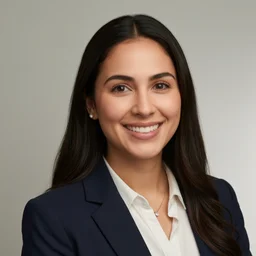
Certified Hospitality Educator & Tourism Certification Expert
Cornell University School of Hotel AdministrationIsabella Martinez is a Certified Hospitality Educator with an MBA in Hospitality Management from Cornell's School of Hotel Administration. She has 18 years of hotel operations and hospitality management experience and specializes in preparing candidates for Smart Serve, TIPS, food and beverage service certifications, and hospitality management licensing programs.