
30-Day Smart Serve Study Plan: Pass Your Ontario Certification 2026 October
Your smart serve smart serve test 30 day study plan: 📚 daily tasks, free practice quizzes & Ontario responsible service exam prep for first-time success.

This smart serve smart serve test 30 day study plan gives you a structured, day-by-day preparation roadmap for the Ontario Smart Serve certification exam. You don't need a full month to pass — most candidates can complete training and pass the exam in a single day of focused effort — but a 30-day plan is ideal if you want to retain the material deeply and approach exam day with genuine confidence.
Think of your study plan like a well-configured smart proxy server: set up the right rules at the start, and every request (every exam question) gets routed correctly without hesitation.
How old do you have to be to serve alcohol in Ontario? Eighteen — and that's the starting eligibility requirement before your Smart Serve certificate has any legal force. If you're 17 now and planning ahead, this 30-day study plan positions you to certify and start working on your 18th birthday. If you're already 18 and need your certificate quickly, you can compress this plan into a focused week or even a weekend.
The 30-day plan is structured into four phases, each corresponding to a Smart Serve subject area: alcohol laws (Week 1), responsible service (Week 2), ID verification (Week 3), and refusal of service plus exam prep (Week 4). Free practice quiz links are embedded throughout — use them at the end of each study week to measure your retention before moving to the next phase.
Smart Serve Study Plan: Key Numbers

How old do you have to be to serve alcohol in Ontario — 18 — is the legal baseline that makes your Smart Serve certificate meaningful. Before that age, you can study, practice, and prepare, but the certificate only becomes legally operative once you're 18. How old do you have to be to serve alcohol before you can register at smartserve.ca? There's no minimum enrollment age, so starting your study plan before your 18th birthday is smart if you want to certify immediately on turning 18.
The 30-day study plan works best with 20 to 30 minutes of daily focused study time. This isn't a heavy commitment — it's the equivalent of a short commute's worth of focused review daily. The distributed practice approach works better than cramming because your brain consolidates information during sleep and rest between sessions. Candidates who study consistently over days retain material better than those who try to absorb everything in one marathon session.
Smart serve certification involves four training modules at smartserve.ca. In a 30-day plan, you spend roughly one week per module, then the final week on practice quiz sets and full exam preparation. This pacing gives you time to truly absorb each area before moving to the next and ensures you enter exam day with well-distributed knowledge rather than sharp knowledge in one area and gaps in others.
The best smart serve preparation maximizes retention by distributing study across time rather than concentrating it. The way to serve alcohol legally begins with understanding the law — which is why Week 1 of this plan focuses entirely on Ontario's Liquor Licence Act and AGCO regulatory framework. Can you serve alcohol at 18? Yes, in Ontario — but only if you understand what that permission actually entails. Week 1 builds that foundational legal literacy.
Week 1 daily tasks (Days 1–7): On Day 1, read the Smart Serve training module overview and take notes on the structure. Days 2 through 5: work through the alcohol laws training module, spending 20 to 30 minutes per session on a specific subsection (licence types, service hours, violation categories, AGCO enforcement). Day 6: compile your notes into a one-page summary of the key alcohol law rules you need to know. Day 7: take our free Alcohol Laws practice quiz to measure your retention. Score below 75%? Revisit the weakest subsections before moving to Week 2.
The weekly practice quiz serves as a checkpoint — it tells you whether you're ready to move forward or whether you need another pass through the material. Don't treat a low practice score as failure; treat it as a navigation signal. The quiz is diagnostic, and the information it gives you is more valuable than a false confidence score would be.
Smart Serve Practice Test Questions
Prepare for the Smart Serve - Smart Serve Test exam with our free practice test modules. Each quiz covers key topics to help you pass on your first try.
Smart Serve Alcohol Laws and Regulations
Smart Serve Exam Questions covering Alcohol Laws and Regulations. Master Smart Serve Test concepts for certification prep.
Smart Serve Alcohol Laws & Responsible Ser...
Free Smart Serve Practice Test featuring Alcohol Laws & Responsible Service. Improve your Smart Serve Exam score with mock test prep.
Smart Serve Checking Identification & Age ...
Smart Serve Mock Exam on Checking Identification & Age Verification. Smart Serve Study Guide questions to pass on your first try.
Smart Serve Customer Interaction and Safety
Smart Serve Test Prep for Customer Interaction and Safety. Practice Smart Serve Quiz questions and boost your score.
Smart Serve Drug Interactions and Alcohol
Smart Serve Questions and Answers on Drug Interactions and Alcohol. Free Smart Serve practice for exam readiness.
Smart Serve Duty of Care and Legal Liability
Smart Serve Mock Test covering Duty of Care and Legal Liability. Online Smart Serve Test practice with instant feedback.
Smart Serve Effects of Alcohol & Standard ...
Free Smart Serve Quiz on Effects of Alcohol & Standard Drinks. Smart Serve Exam prep questions with detailed explanations.
Smart Serve Identifying Intoxication & Imp...
Smart Serve Practice Questions for Identifying Intoxication & Impairment. Build confidence for your Smart Serve certification exam.
Smart Serve Liability Issues & Risk Manage...
Smart Serve Test Online for Liability Issues & Risk Management. Free practice with instant results and feedback.
Smart Serve Managing Difficult Situations ...
Smart Serve Study Material on Managing Difficult Situations & Refusals. Prepare effectively with real exam-style questions.
Smart Serve Ontario Liquor Licence Act
Free Smart Serve Test covering Ontario Liquor Licence Act. Practice and track your Smart Serve exam readiness.
Smart Serve Responsible Alcohol Service
Smart Serve Exam Questions covering Responsible Alcohol Service. Master Smart Serve Test concepts for certification prep.
Smart Serve Roles & Responsibilities of Se...
Free Smart Serve Practice Test featuring Roles & Responsibilities of Servers. Improve your Smart Serve Exam score with mock test prep.
Smart Serve Safe Alcohol Service & Monitoring
Smart Serve Mock Exam on Safe Alcohol Service & Monitoring. Smart Serve Study Guide questions to pass on your first try.
Smart Serve Safe and Legal Practices
Smart Serve Test Prep for Safe and Legal Practices. Practice Smart Serve Quiz questions and boost your score.
Smart Serve Serving Minors and Underage Pr...
Smart Serve Questions and Answers on Serving Minors and Underage Prevention. Free Smart Serve practice for exam readiness.
30-Day Study Plan: Week-by-Week
Week 1 focuses on Ontario's Liquor Licence Act and the AGCO regulatory framework. Key topics to master: permitted service hours (9:00 AM to 2:00 AM at licensed venues), the difference between major and minor violations, what each licence type permits, and how AGCO enforcement works. Daily study time: 20–30 minutes per day across Days 1–6, with Day 7 as a practice quiz checkpoint.
Study tip: for each major rule, write one sentence explaining when and how it applies in a real service scenario. "Service stops at 2:00 AM" becomes "If a patron orders at 1:58 AM, I can serve them — but the drink must be cleared by close, not ordered after 2 AM." This active scenario thinking is what the exam actually tests, so practice it from Day 1.
How old do you have to be to serve liquor in Ontario is 18 — the same as serving beer or wine. This uniform minimum applies across all alcohol categories in Ontario, unlike some US jurisdictions where different minimums apply to beer versus spirits service.
The indiana server liquor license online program (Indiana SET certification) requires servers to be 21 regardless of alcohol category — a significantly higher threshold than Ontario's. If you're an Ontario hospitality worker who ever works in Indiana, know that your Smart Serve doesn't substitute for SET certification and that the minimum age requirement is three years higher.
This 30-day plan is specifically calibrated for the Ontario Smart Serve exam. It won't prepare you for the Indiana SET, TABC, Georgia RASS, or Utah DABS programs — those require jurisdiction-specific training. But the study habits and practice strategies in this plan transfer universally: distributed practice, scenario-based thinking, and regular progress checkpoints with practice quizzes will accelerate your learning in any responsible service certification program.
One pattern that separates successful 30-day planners from those who struggle: daily consistency. Twenty minutes every day over 30 days outperforms three hours once a week — even when the total hours are similar. The spacing effect in human memory means you retain much more from consistent distributed exposure than from irregular intensive sessions. Build the daily habit, even if some days you only have 15 minutes.
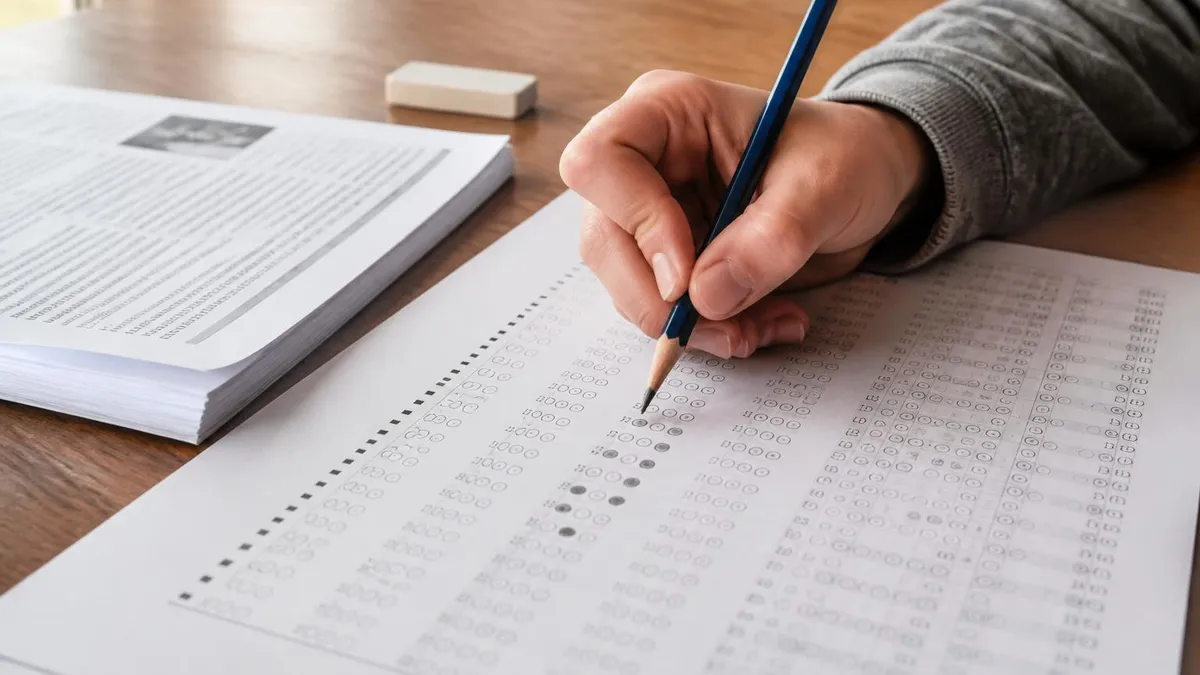
4 Pillars of the Smart Serve 30-Day Plan
20–30 minutes per day outperforms weekly cramming sessions. The spacing effect ensures daily exposure builds lasting memory retention rather than short-term recall that fades before the exam. Set a consistent daily study time and protect it.
Study the four subject areas in order: alcohol laws → responsible service → ID verification → refusal of service. Each builds on the conceptual foundation of the previous. Jumping between subjects before mastering each one creates gaps that compound on the exam.
Take a practice quiz at the end of each subject-area week. Use your score as a navigation signal — above 80%, proceed; below 75%, revisit the weak subsections before moving forward. The quiz tells you where your preparation is working and where it isn't.
Convert every rule into a realistic scenario: when would this apply? What would the server do? This active translation from rule to application is exactly what the exam tests — and candidates who practice scenario thinking consistently outperform those who memorize rules passively.
The best way to serve your study time effectively in Weeks 1 and 2 is to use the alcohol server permit framework as an organizing concept. Every responsible service certification — whether it's Ontario's Smart Serve, the alcohol server permit Georgia (RASS program), or any other state-level program — exists to solve the same problem: alcohol service creates legal and public safety risks, and those risks are reduced when servers understand the law and apply responsible service principles consistently.
Keeping this purpose front of mind during study helps you understand the "why" behind each rule, which is what makes scenario questions answerable rather than guessable.
The alcohol server permit in most US states operates similarly to Smart Serve in structure: online training, multiple-choice exam, digital certificate. The alcohol server permit Georgia (RASS certification) is employer-required even where it's not universally mandated by state law, because licensed establishments want staff who've documented their training — the same reason Ontario employers require Smart Serve before your first shift. Understanding this parallel helps Ontario candidates see their Smart Serve certification as part of a broader professional credentialing ecosystem, not just an Ontario-specific compliance checkbox.
By Day 21 of the 30-day plan, you should have completed the alcohol laws, responsible service, and ID verification modules. This is a natural midpoint checkpoint: take a mixed practice quiz covering all three areas, identify your weakest subject, and allocate the first few days of Week 4 to reinforcing that area before tackling the refusal of service module. This adaptive approach to Week 4 ensures your weakest area receives a final targeted review before exam day.
30-Day Study Plan: Pros & Cons
- +Distributed practice produces significantly better retention than one-day cramming
- +Subject-area sequencing ensures foundational knowledge is solid before building on it
- +Weekly practice quiz checkpoints catch gaps before they compound on the final exam
- +20 minutes per day is sustainable even for busy schedules — low daily barrier
- +The plan builds genuine understanding rather than surface-level recall
- +Arriving at exam day well-rested and well-prepared consistently produces higher scores
- −Most candidates don't need 30 full days — Smart Serve can be completed in one focused day
- −Requires sustained daily commitment for a month — easy to derail after a busy week
- −If your exam date is soon, a compressed 7-day version is more practical than the full 30-day plan
- −Opportunity cost: 30 days spent studying is 30 days without certification (if you need it quickly)
- −Some candidates over-prepare and develop anxiety about the exam rather than confidence
- −The plan assumes consistent motivation — starting strong but fading in Week 3 is a common pattern
The indiana liquor license for servers (Indiana SET certification) requires applicants to be 21 to serve alcohol. How old do you have to be a server in Ontario? Eighteen — a significant difference. This age gap means Ontario's bartending career pathway is accessible three years earlier than Indiana's. If you're an 18 or 19-year-old in Ontario planning a hospitality career, use this advantage: certify now through Smart Serve, build two to three years of Ontario experience, and you'll have credentials that position you well in any jurisdiction that requires 21-year-old servers by the time you're eligible.
The 30-day study plan is also useful for certification renewals — when your five-year Smart Serve certificate is approaching expiry, returning to the material after years of working experience requires reactivation of knowledge that may have become automatic and thus harder to explicitly recall on an exam. The 30-day plan gives returning servers a structured way to re-engage with the regulatory specifics (service hours, acceptable IDs, violation categories) that you apply intuitively on the floor but may struggle to articulate in a multiple-choice format without specific review.
Renewal candidates often find Week 1 (alcohol laws) most important to review — Ontario's liquor laws have evolved, and regulations around retail alcohol access, patio licences, and service hours have changed in recent years. Don't assume your knowledge from five years ago is current. Review the updated training modules at smartserve.ca and use practice quizzes to confirm your updated understanding before attempting the renewal exam.

30-Day Smart Serve Study Plan: Daily Checklist
- ✓Days 1–7: Complete the Smart Serve alcohol laws training module (20–30 min/day)
- ✓Day 7: Take free Alcohol Laws practice quiz — aim for 80%+ before proceeding
- ✓Days 8–14: Complete the responsible service module, focusing on intoxication stages
- ✓Day 14: Take free Responsible Service practice quiz — review any missed questions
- ✓Days 15–21: Complete the ID verification module — memorize acceptable IDs and practice age calculation
- ✓Day 21: Take a mixed practice quiz (alcohol laws + responsible service + ID) — identify weakest area
- ✓Days 22–26: Complete the refusal of service module and review your weakest subject area
- ✓Days 27–29: Take at least 2 full practice quiz sets across all four subject areas
- ✓Day 29 evening: Review your notes summary — key rules, acceptable IDs, intoxication stages
- ✓Day 30: Take the real Smart Serve exam — rested, focused, and confident in your preparation
Can you serve alcohol at 18 in Ontario — yes — and your Smart Serve certificate is the document that makes that permission real and verifiable. A server permit (the general term used in many US states for the equivalent credential) serves the same function: it certifies that you've completed required training and are legally authorized to serve alcohol in a licensed establishment. The Indiana server liquor license (SET certification) functions as Indiana's server permit — required by most employers, tied to a specific state program, and non-transferable to other jurisdictions.
Server permit requirements exist because alcohol service creates legal liability for establishments and public safety risks for patrons and the community. Every jurisdiction that requires server permits has done so in response to documented harms from irresponsible alcohol service — drunk driving incidents, over-service injuries, underage service violations. Smart Serve exists because Ontario recognized that trained servers make better decisions than untrained ones, and that certification creates accountability for both servers and establishments.
Understanding this purpose deepens your engagement with the training material. When you're reading about the three intoxication stages or the refusal of service framework, you're not learning abstract rules — you're learning practical tools that reduce harm in real service environments. Candidates who approach the material with this mindset consistently report higher engagement and better retention than those who treat the training as a bureaucratic obstacle to get through.
Day 29 protocol: one full mock session, then early sleep — no late-night cramming
The day before your Smart Serve exam, take one complete practice quiz set covering all four subject areas. Review every question you miss. Compile a one-page summary of your most important rules: service hours, acceptable IDs, the three intoxication stages, refusal language framework. Then stop studying. Late-night cramming the day before a test is counterproductive — it increases anxiety and reduces sleep quality, both of which hurt exam performance. Trust your 30 days of preparation. Get eight hours of sleep, eat a proper breakfast on exam day, and start the exam with a clear, rested mind.
The tabc server permit (Texas Alcoholic Beverage Commission certification) and the utah alcohol server permit (Utah DABS certification) both cover responsible service content similar to Smart Serve but under different regulatory frameworks. TABC training is required by most Texas employers and covers Texas state alcohol law, including Texas's unique regulations around mixed beverage permits and BYOB establishments. Utah's alcohol server permit covers one of the most complex alcohol regulatory environments in the US — Utah's laws are strict and unusual, including caps on poured alcohol percentage in many venue types.
Ontario candidates familiar with Smart Serve who relocate to Utah or Texas should expect a meaningful learning curve around the new jurisdiction's specific rules, even though the fundamental responsible service principles (intoxication recognition, refusal techniques, ID verification) transfer directly. Use the same 30-day study plan framework in the new jurisdiction's program — just substituting the local training content for Smart Serve's Ontario-specific modules.
If you're using this 30-day plan and currently in Week 2 or 3, you're right on track. The distributed practice approach is working — even when individual sessions feel like they're covering small amounts of ground, the cumulative effect across 30 days builds a knowledge base that exam-day cramming can't replicate. Stay consistent, use the practice quizzes as checkpoints, and you'll arrive at Day 30 genuinely prepared.
If you need your Smart Serve certificate urgently, a 7-day version of this plan works well: Day 1 = alcohol laws module, Day 2 = responsible service module, Day 3 = ID verification module, Day 4 = refusal of service module, Days 5–6 = practice quiz sets across all four areas (aim for 80%+), Day 7 = exam. This compressed version requires 60–90 minutes per day rather than 20–30 minutes, but it's entirely achievable and produces strong first-attempt pass rates for candidates who commit to the daily time blocks. The 30-day plan produces deeper retention; the 7-day plan is appropriate when you need certification quickly.
The k cafe smart single serve coffee maker is a Keurig product line — single-cup coffee brewing appliances with built-in froth capability. The name "smart single serve" is a product description, not a reference to Ontario's Smart Serve alcohol certification program. If you've arrived here via a search that mixed these two terms, you're looking at the Smart Serve certification article — for Keurig product information, Keurig's website is the right resource.
Back to the study plan: the alcohol servers license albuquerque nm process falls under New Mexico's state-level Alcohol Server Education (ASE) certification, with some Albuquerque-specific municipal requirements layered on top. New Mexico's ASE program covers responsible service content similar to Smart Serve, but the regulatory framework — New Mexico Regulation and Licensing Department, rather than Ontario's AGCO — and the specific laws covered are New Mexico-specific. Ontario candidates working in Albuquerque would need to complete ASE certification before serving alcohol there.
The most important thing you can do right now for your Smart Serve preparation is to set aside a consistent daily study block and start Week 1's alcohol laws module. The 30-day plan's power comes from consistency over time — the first session is the hardest to start, and every subsequent one builds on momentum. Begin today, and your Day 30 exam attempt will feel like the natural culmination of a solid preparation process, not a stressful unknown.
Alcohol servers permit new mexico (New Mexico's ASE certification) requires completion before servers begin working — with a 10-day grace period for new hires, unlike Ontario where Smart Serve should be in place before your first shift. How old do u have to be to serve alcohol in Ontario? Eighteen — and once you hold your Smart Serve certificate, you're legally authorized to serve at any Ontario licensed venue. The "u" in the casual search spelling doesn't change the answer: 18, Smart Serve certified, and you're good to go.
The alcohol servers license albuquerque nm example illustrates something broader: across North America, responsible service certification is the professional standard for anyone in an alcohol service role. Ontario's Smart Serve is one of the most accessible, well-structured, and widely recognized versions of this credential. Its online-only format, immediate certificate delivery, and five-year validity make it easier to obtain and maintain than most comparable programs.
After you complete this 30-day plan and pass your exam, consider sharing this plan with colleagues who are starting their Smart Serve journey. The certification is mandatory for everyone serving alcohol in Ontario, and having a structured preparation roadmap significantly reduces the anxiety and exam failure rate that comes from unstructured last-minute cramming. A workplace culture where everyone prepares seriously for Smart Serve is also a safer service environment for everyone — staff, patrons, and the establishment.
Sample Smart Serve Test Practice Questions
Try these questions from our free Smart Serve Test practice tests. The correct answer and an explanation follow each question.
What is Smart Serve certification and who needs it?
- A. A bartending skills certification; only bartenders need it
- B. A responsible alcohol service training program; all staff who serve, sell, or deliver alcohol in Ontario need it
- C. A food handling certificate; only kitchen staff need it
- D. A first aid certification; only managers need it
Answer: B. A responsible alcohol service training program; all staff who serve, sell, or deliver alcohol in Ontario need it
Smart Serve is Ontario's mandatory responsible service training. Everyone who serves, sells, or delivers alcohol must be certified, including servers, bartenders, hosts who deliver drinks, and delivery drivers.
Why should all staff receive regular responsible service training even after receiving initial Smart Serve certification?
- A. To justify paying staff more than minimum wage
- B. Because Smart Serve certification expires every year automatically
- C. To reinforce best practices, address new scenarios, and maintain a culture of responsible service
- D. It is required by federal law to retrain all staff monthly
Answer: C. To reinforce best practices, address new scenarios, and maintain a culture of responsible service
Ongoing training reinforces responsible service habits, ensures staff are prepared for evolving situations, and supports a workplace culture where responsible service is the consistent standard—not just a one-time certification requirement.
Why is it important for all staff in a licensed establishment—not just servers—to have Smart Serve certification?
- A. It is a legal requirement for all staff in Ontario to hold Smart Serve certification
- B. It ensures consistent responsible service practices and reduces overall liability for the establishment
- C. Only servers are required to be certified; others are optional
- D. It allows managers to avoid training their staff further
Answer: A. It is a legal requirement for all staff in Ontario to hold Smart Serve certification
Ontario's Liquor Licence Act requires all persons who serve, sell, or handle alcohol in a licensed premises to hold Smart Serve certification. This ensures all staff understand their legal obligations.
How does Smart Serve certification benefit a server personally?
- A. It guarantees a higher wage by law
- B. It demonstrates knowledge of responsible service and may reduce personal liability if proper procedures are followed
- C. It allows servers to serve alcohol to minors in special circumstances
- D. It exempts servers from following establishment policies
Answer: B. It demonstrates knowledge of responsible service and may reduce personal liability if proper procedures are followed
Smart Serve certification shows that a server has been trained in responsible service practices. While it does not eliminate liability, documenting that certified procedures were followed can support a defence in legal proceedings.
Smart Serve Questions and Answers


About the Author
Certified Hospitality Educator & Tourism Certification Expert
Cornell University School of Hotel AdministrationIsabella Martinez is a Certified Hospitality Educator with an MBA in Hospitality Management from Cornell's School of Hotel Administration. She has 18 years of hotel operations and hospitality management experience and specializes in preparing candidates for Smart Serve, TIPS, food and beverage service certifications, and hospitality management licensing programs.