

Smart Serve Practice Test
Updated for October 2026What changed for the Smart Serve certification in 2026
- Smart Serve Full Online Training Program costs $44.95 CAD (non-refundable, non-transferable); the shorter Retail Online Training Program for grocery/convenience store staff costs $24.95 CAD. Smart Serve does not state on its site whether HST is added at checkout. (source)
- The Full Course takes about 4 hours (self-paced, 24/7) and must be finished, including the Final Test, within 30 days of purchase. (source)
- The Final Test has 33 randomly generated multiple-choice questions, is completed in one sitting (about 30 minutes), and requires a score above 80% to pass; each purchase includes two (2) attempts. The Retail test has 20 questions with the same 80% pass mark and two attempts. (source)
- All Final Tests are proctored online with no exceptions: you need a working webcam and microphone, must show valid government-issued photo ID, and stay in camera view; a proctor-flagged violation costs you the attempt even if you passed. (source)
- Smart Serve certificates are valid for 5 years from the date of issue. Mandatory recertification began July 1, 2022; certificates issued before July 1, 2018 have already expired, and an expired certificate means repurchasing and retaking the course and Final Test. (source)
- AGCO requires valid Smart Serve certification from the first day of work for every person involved in the sale, service, sampling or delivery of liquor or taking liquor orders, plus licensee security staff (the old 60-day grace period ended July 1, 2017), and all liquor training certifications must be renewed every five years. (source)
- Under Ontario Regulation 746/21, s. 11(1), anyone who sells, serves, delivers or handles liquor on behalf of a licensee must be at least 18 years of age. (source)
- The course and test are fully translated into English, French, Chinese, Korean, Punjabi and Spanish; certificates are issued only as a free downloadable eCertificate (physical cards are no longer printed or mailed). (source)
Last verified: September 17, 2026 against Smart Serve Ontario, the AGCO and Ontario e-Laws (O. Reg. 746/21).
Important: The Smart examination requires thorough understanding of all core subject areas. Review the official Canadian exam guidelines and ensure you meet all eligibility requirements before scheduling your test date.
What are the key eligibility requirements for the Smart?
Candidates must meet the educational and professional requirements set by the Canadian certification body. Check official prerequisites before applying.
Start FREE TestWhat is the best strategy for Smart exam preparation?
Combine official study materials with practice tests, focus on weak areas, and create a structured revision timetable leading up to exam day.
Start FREE TestHow is the Smart exam scored?
The Smart uses a standardised scoring system. Results are typically provided as pass/fail, with detailed score reports available for each domain area.
Start FREE TestWhat should I bring on Smart exam day?
Bring valid photo identification, your exam confirmation, and any approved materials. Arrive early and review the testing centre rules beforehand.
Start FREE TestSmart Study Tips
- Create a structured study schedule at least 4-6 weeks before your Smart exam date.
- Focus on understanding core concepts rather than memorising answers for the Smart Serve Responsible Alcohol Service.
- Use our free practice tests to identify weak areas and track your progress over time.
- Review the official Smart exam syllabus to ensure complete topic coverage.
- Take timed practice sessions to build your exam pace and reduce test-day anxiety.
Smart Serve Ontario Practice Test Questions
Prepare for the Smart Serve Ontario exam with our free practice test modules. Each quiz covers key topics to help you pass on your first try.
Smart Serve Ontario Age Verification and M...
Smart Serve Ontario Exam Questions covering Age Verification and Minors. Master Smart Serve Ontario Test concepts for certification prep.
Smart Serve Ontario Intervention Techniques
Free Smart Serve Ontario Practice Test featuring Intervention Techniques. Improve your Smart Serve Ontario Exam score with mock test prep.
Smart Serve Ontario Liquor Licence Types
Smart Serve Ontario Mock Exam on Liquor Licence Types. Smart Serve Ontario Study Guide questions to pass on your first try.
Smart Serve Ontario Ontario Liquor Laws
Smart Serve Ontario Test Prep for Ontario Liquor Laws. Practice Smart Serve Ontario Quiz questions and boost your score.
Smart Serve Ontario Refusing Service
Smart Serve Ontario Questions and Answers on Refusing Service. Free Smart Serve Ontario practice for exam readiness.
- ✓Valid government-issued photo identification
- ✓Exam booking confirmation or admission notice
- ✓Approved calculator (if permitted)
- ✓Water bottle (clear, no labels)
- ✓Arrive 30 minutes before scheduled time
- ✓Know the test centre location and parking
- ✓Review key formulas or concepts the night before
- ✓Get a good night's sleep before exam day
Ready to Pass the Smart?
Join thousands of candidates who have used our free practice tests to prepare for the Smart Serve Responsible Alcohol Service. Start practising today and build the confidence you need to succeed.
For more in-depth preparation strategies, read our How to Become a Bartender — covering exam format, scoring, and proven study techniques.
Candidates targeting this certification can strengthen their exam readiness with our Smart Serve practice test 2026, which covers the key content areas and question formats tested in the official exam.
Sample Smart Serve Practice Questions
Try these questions from our free Smart Serve practice tests. The correct answer and an explanation follow each question.
How long is a Smart Serve certification valid in Ontario?
- A. 1 year
- B. 3 years
- C. 5 years
- D. It never expires
Answer: C. 5 years
Smart Serve certification is valid for five years from the date of completion. After that period, servers must recertify to continue serving alcohol.
What is the best practice for communicating last call to patrons?
- A. Simply stop serving without notice
- B. Announce last call clearly and provide adequate time for patrons to finish their drinks before closing
- C. Only tell patrons who ask about closing time
- D. Send a text message to all patrons
Answer: B. Announce last call clearly and provide adequate time for patrons to finish their drinks before closing
Best practice is to clearly announce last call to all patrons, giving them adequate time to finish their current drinks and make arrangements for safe transportation before the establishment closes.
Which type of liquor licence in Ontario allows an establishment to serve alcohol primarily with meals?
- A. Liquor Sales Licence
- B. Catering Licence
- C. Manufacturer's Licence
- D. Special Occasion Permit
Answer: A. Liquor Sales Licence
A Liquor Sales Licence is the standard licence for restaurants and dining establishments that serve alcohol primarily in conjunction with meals.
What is the role of door staff or bouncers in the intervention process?
- A. They only check IDs at the door
- B. They are the first line of screening and last line of support — assessing sobriety at entry and assisting with safe departures
- C. They have no role in alcohol service decisions
- D. They should physically remove anyone who is intoxicated
Answer: B. They are the first line of screening and last line of support — assessing sobriety at entry and assisting with safe departures
Door staff play a crucial dual role: preventing intoxicated individuals from entering and supporting the safe exit of patrons who become intoxicated. They are integral to the overall responsible service system.
Official Resources
- Smart Serve Ontario — the official certifying body; register for the Full or Retail training program, check current pricing, and take the proctored Final Test directly on their site.
- Alcohol and Gaming Commission of Ontario (AGCO) — the government regulator that requires valid Smart Serve certification for anyone selling, serving or delivering liquor in Ontario, with details on training and licensee obligations.
- Ontario Regulation 746/21 (e-Laws) — the official legal text setting the minimum age and other statutory requirements for liquor sale, service and delivery in Ontario.
About the Author
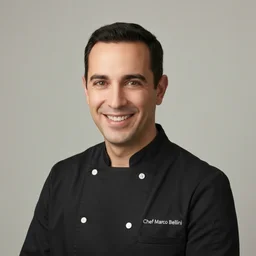
Executive Chef & Culinary Arts Certification Educator
Culinary Institute of AmericaChef Marco Bellini is a Certified Executive Chef and graduate of the Culinary Institute of America with over 20 years of professional kitchen experience in Michelin-recognized restaurants. He teaches culinary arts certification, food safety, and hospitality exam preparation, having guided thousands of culinary students through their ServSafe, ProStart, and professional chef certifications.