
Services SIA Home Office Gov UK: The Complete Guide to the SIA Authority and Licensing in 2026 October
services sia homeoffice gov uk explained ✅ — full guide to SIA authority, licensing, exam prep & how to apply for your UK security guard licence in 2026 October.

The official services sia homeoffice gov uk portal is the single gateway through which every aspiring and existing security professional in the United Kingdom must pass. Operated by the Security Industry Authority (SIA) — an arm's-length body of the Home Office — this platform handles licence applications, renewals, disclosure checks, and employer verification. Whether you are applying for your very first Door Supervisor licence or renewing a CCTV Operator badge, understanding how the SIA portal works and what the authority requires is the essential first step toward a legal career in the UK private security industry.
The Security Industry Authority was established under the Private Security Industry Act 2001 and became fully operational in 2003. Its core mission is to regulate the private security industry, raise professional standards, and reduce criminality within the sector. Today the SIA licences hundreds of thousands of individuals working in roles including Door Supervision, Security Guarding, Close Protection, Cash and Valuables in Transit, Vehicle Immobilisation, and CCTV Public Space Surveillance. Every person working in these roles in a licensable capacity must hold a valid SIA licence, making familiarity with the authority's processes absolutely non-negotiable for anyone entering the profession.
One of the most common sources of confusion for new applicants is the difference between the SIA itself and the approved training providers who deliver the qualification courses. The SIA does not run training — it sets the standards, approves the qualifications, and issues the licences. Awarding bodies such as Highfield, NCFE, and Qualsafe deliver the Level 2 Award for Door Supervisors or the Level 2 Award for Security Guards through accredited colleges and private training centres. Once you pass the qualification, the SIA reviews your application, criminal record disclosure, and identity documents before granting the licence.
For candidates preparing for the knowledge-based assessments that form part of SIA-linked qualifications, the topics covered are broad and can feel overwhelming at first. The assessments typically cover the legal powers and responsibilities of security personnel, conflict management techniques, emergency procedures, communication skills, and operational requirements such as access control and patrol methods. A structured study approach — working through each unit, taking timed practice tests, and reviewing areas of weakness — dramatically improves a candidate's chance of passing first time and avoiding costly resits.
The cost of obtaining an SIA licence is a significant consideration for many applicants. As of 2026, the SIA licence fee is £190 for a three-year licence for most roles. This is paid directly to the SIA via the online portal and is separate from the cost of your training course, which typically ranges from £250 to £600 depending on the provider and the sector.
Some employers in the security industry offer to fund training for the right candidates, so it is worth exploring this route, particularly if you are new to the sector and want to minimise upfront costs before your first contract begins.
The SIA portal also powers the public licence-checking service, which allows employers, event organisers, and members of the public to verify that a security operative holds a valid, current licence simply by entering their licence number or name. This transparency is central to the SIA's regulatory model — it means that businesses commissioning security services can instantly confirm compliance, and it deters unlicensed working, which remains a persistent problem in certain parts of the sector. Understanding how sia authority uk licensing connects to employment and earning potential is crucial for career planning.
In this guide we will walk you through every dimension of the SIA authority and its licensing system: the types of licences available, the step-by-step application process, the knowledge assessment topics you need to master, the costs involved, and the practical tips that will help you pass your qualification and secure your badge as efficiently as possible.
Whether you are at the very beginning of your security career or are a seasoned operative looking to add a new licence sector, this article is designed to give you a complete picture of what the SIA requires and how to meet those requirements with confidence.
SIA Authority UK by the Numbers
Key Facts at a Glance
| Item | Value | Details |
|---|---|---|
| Licence Fee | £190 | Valid for 3 years (2026 rate) |
| Required Qualification | Level 2 | Award for Security Guard or Door Supervisor |
| Typical Processing Time | 4–8 Weeks | From application submission to licence issue |

SIA Licence Types: Which One Do You Need?
The core licence for static guarding roles — protecting premises, conducting patrols, managing access points, and responding to alarms. Requires the Level 2 Award for Security Guards covering legal powers, conflict management, and emergency procedures.
Required for working on licensed premises such as pubs, clubs, and venues. Covers all Security Guard content plus physical intervention, searching, and licensing law. The most comprehensive and sought-after frontline licence.
For operatives monitoring public-facing CCTV systems. Requires the Level 2 Award for CCTV Operators, covering data protection legislation, evidential recording, and effective use of surveillance equipment in control rooms.
The specialist licence for bodyguard and executive protection roles. Demands prior frontline security experience plus the Level 3 Award for Close Protection, including threat assessment, surveillance awareness, and protective driving theory.
Required for operatives transporting cash, jewellery, or high-value goods. Covers secure vehicle operation, route planning, incident response, and the legal framework around carrying and protecting high-value loads.
Applying for an SIA licence follows a clearly defined process, but the number of steps involved and the documentation required can catch first-time applicants off guard. The process begins long before you log onto the SIA portal — it starts with choosing a training course from an SIA-approved awarding body. You must complete and pass your qualification before you can submit a licence application, because the SIA will ask for your qualification reference number as part of the application form. Trying to apply before your results are confirmed will result in your application being returned incomplete.
Once you have your qualification results, you create an online account on the SIA licensing portal, accessible via the services sia homeoffice gov uk address. The application form asks for personal details, your National Insurance number, employment history relevant to the security industry, and your qualification information.
You will also need to provide proof of your right to work in the UK — typically a UK or Irish passport, a Biometric Residence Permit, or a share code generated through the UK Visas and Immigration service. The SIA takes identity verification extremely seriously, and documents that are expired, unclear, or do not match your application details will delay the process significantly.
A Disclosure and Barring Service (DBS) check — formerly known as a CRB check — is a mandatory component of the SIA application. For most licence types, this is an Enhanced DBS check, the most thorough level available, which covers all spent and unspent convictions, cautions, reprimands, and any police intelligence considered relevant by local forces.
The SIA assesses your DBS results against a list of absolute bar offences (which result in automatic refusal) and discretionary bar offences (which are considered on a case-by-case basis). Having a criminal record does not automatically prevent you from obtaining a licence, but certain categories of offence — particularly violence, dishonesty, and sexual offences — are treated with great seriousness.
After submitting your application and paying the £190 licence fee, the SIA will send you an acknowledgement email and your application will enter the processing queue. Standard processing takes between four and eight weeks, though during peak periods — particularly in autumn, when many training cohorts complete their courses — waits can extend to ten weeks or more.
You can track the status of your application in real time through your online account. If the SIA needs additional information or documents, they will contact you via email, so it is critical that the email address on your account is active and regularly checked throughout this period.
While you wait for your licence, you may be wondering whether you can begin work. The SIA operates an Approved Contractor Scheme (ACS) which allows certain accredited employers to take on licence-applied-for workers — operatives who have submitted a valid licence application but have not yet received their badge.
This arrangement is strictly limited: the employer must be ACS-accredited, the operative must hold proof of their pending application, and they may only work under direct supervision of a fully licensed colleague. Not all employers participate in the ACS, so it is important to confirm this with your prospective employer before assuming you can start work immediately.
When your licence is approved, the SIA will post your credit-card-sized licence badge to your registered address. This badge features your photograph, your name, your licence number, the licence sector (e.g., Security Guard), and the expiry date. You are legally required to wear this badge prominently at all times while working in a licensable capacity.
Failure to do so is a criminal offence under the Private Security Industry Act 2001 and can result in prosecution, a fine, and the potential revocation of your licence. Your employer and clients are entitled to ask to see your badge at any time, and it should be treated with the same care as a passport or driving licence.
Renewing your SIA licence is just as important as the initial application and follows a similar online process. The SIA sends renewal reminders approximately three months before your expiry date, and you should aim to submit your renewal application at least six weeks before your current licence expires to avoid any gap in your licensed status.
Renewal requires an updated DBS check, payment of the current licence fee, and confirmation that your qualification is still valid. Understanding all of these requirements in advance — and keeping your SIA online account up to date with your current address — is the most effective way to ensure seamless, uninterrupted licensing throughout your security career.
SIA Knowledge Assessment: What You Need to Know
SIA assessments place heavy emphasis on the legal framework governing security personnel in the UK. Candidates must understand the powers of arrest available to private citizens under the Police and Criminal Evidence Act 1984, the lawful use of force under the Criminal Law Act 1967, trespass law, data protection obligations under the UK GDPR, and the relevant provisions of the Licensing Act 2003 for door supervisors. Questions in this area frequently test candidates on specific scenarios — for example, in what circumstances a security guard may detain a suspected shoplifter, or what constitutes an unlawful search.
Beyond arrest powers, the legal unit also covers health and safety obligations under the Health and Safety at Work Act 1974, fire safety responsibilities, and the duty of care owed to members of the public. Understanding the difference between criminal law (which involves the state prosecuting an individual) and civil law (which involves one party suing another) is a recurring theme. Candidates who spend time working through realistic scenario-based practice questions in this area consistently report feeling more confident in the assessment room, because the questions reflect the situations they will genuinely encounter on the job.

Is Pursuing an SIA Licence the Right Move for You?
- +Strong and consistent demand for licensed security professionals across the UK, providing reliable employment opportunities in all regions.
- +The SIA licence is nationally recognised — once qualified, you can work for any employer in the sector without retraining.
- +Clear career progression pathways from Security Guard to Door Supervisor, CCTV Operator, and ultimately Close Protection roles.
- +Many employers offer to fund or co-fund training and licence fees, reducing the financial barrier to entry for new candidates.
- +Shift-based working patterns suit people who value flexibility or who are managing other commitments alongside their security career.
- +The qualification teaches genuinely valuable skills — conflict management, emergency response, and legal awareness — that are useful in many contexts beyond security work.
- −The upfront cost of training plus the £190 SIA licence fee represents a significant investment that must often be paid before any income is earned.
- −The licence application and DBS processing timeline of four to eight weeks means there can be a frustrating gap between completing your training and being able to work legally.
- −Night and weekend shifts are common in the security industry, which can be demanding on personal and family life over the long term.
- −Certain criminal convictions — even old or minor ones — can result in an SIA licence application being refused or delayed pending review.
- −The physical and psychological demands of frontline security work, including exposure to aggression and conflict, can contribute to stress and fatigue.
- −Licence renewal every three years, including an updated DBS check and renewal fee, adds an ongoing administrative and financial responsibility.
SIA Licence Application Checklist: Everything You Need
- ✓Complete an SIA-approved Level 2 qualification from an accredited awarding body such as Highfield, NCFE, or Qualsafe.
- ✓Obtain your qualification certificate and note your unique qualification reference number for the application form.
- ✓Gather valid proof of identity — a current UK/Irish passport, Biometric Residence Permit, or a UK Visas and Immigration share code.
- ✓Confirm your National Insurance number is correct and matches your HMRC records exactly.
- ✓Create an online account on the SIA licensing portal and complete all sections of the application form accurately.
- ✓Pay the current SIA licence fee of £190 using a debit or credit card via the secure online payment system.
- ✓Consent to and submit an Enhanced DBS check as part of the application — this is mandatory for all frontline licence sectors.
- ✓Provide accurate details of any previous convictions, cautions, or reprimands — non-disclosure is treated as a serious breach and can result in revocation.
- ✓Ensure your registered email address is active and checked regularly so you do not miss requests for additional documents.
- ✓Track your application progress through your online account and respond promptly to any requests from the SIA processing team.
Allow at Least 10 Weeks from Completing Training to Licence in Hand
Many new security operatives underestimate how long the full process takes. Between your final assessment, results processing by the awarding body, DBS check completion, and SIA licence review, ten weeks is a realistic minimum. Submit your application the same week you receive your qualification results — every day of delay is a day longer you will wait to earn your first licensed income.
Understanding the full cost picture before you begin your SIA licensing journey helps you plan your finances and avoid unwelcome surprises. The headline fee — £190 for the three-year licence — is fixed by the SIA and payable directly through the portal. However, this represents only part of your total investment.
Training courses, which you must complete before applying, typically cost between £250 and £600 for the Security Guard qualification and between £400 and £700 for the Door Supervisor qualification, which is longer and more intensive. Some candidates also need to pay for retakes of individual assessment units if they do not pass first time, with resit fees ranging from £50 to £150 per unit depending on the training provider.
Travel and accommodation costs for training can add further expense, particularly if you live in a rural area and your nearest approved training centre requires a significant journey. Some training providers now offer blended or remote learning for the knowledge-based units, which can reduce travel costs, though the physical skills units — first aid and physical intervention for door supervisors — must always be completed in person. Factoring in time off work during your training course is another consideration that many candidates overlook until they are already committed to a start date.
On the positive side, the return on investment in an SIA licence is generally strong. Licensed security guards in the UK typically earn between £11 and £15 per hour in 2026, with door supervisors commanding higher rates of £13 to £18 per hour, particularly in London and the South East. Security supervisors and team leaders with several years of experience and an unblemished licence record can earn significantly more, particularly when working for major contract security companies or in specialist roles such as close protection or aviation security. The licence pays for itself quickly once you are working regularly.
Renewal costs are an ongoing reality of working as a licensed security professional. Every three years, you must pay the current renewal fee — expected to remain around £190 — and undergo a new Enhanced DBS check. Some employers cover renewal costs for long-term staff, and it is worth negotiating this as part of your employment package when you join a company. If your employer does not cover renewal, begin saving for it at least a year before your licence expires so that cost is never a barrier to maintaining your licensed status.
The SIA also operates a licence sector addition process, which allows existing licence holders to add additional sectors to their licence without starting from scratch. For example, a Security Guard who completes the additional Door Supervisor units can apply to have both sectors on a single licence. This process involves completing the relevant additional qualification units and paying an administration fee, but the cost is substantially lower than obtaining a completely separate licence. Many experienced security professionals use this pathway to increase their employability and commanding a premium rate for their additional skills.
Late renewal or allowing your licence to lapse creates significant problems. If your licence expires before you submit a renewal application, you must cease all licensable work immediately. The SIA does not allow you to continue working with an expired licence under any circumstances, and doing so is a criminal offence.
Restarting after a lapse may require a completely fresh application, including a new qualification if your current one has exceeded its validity period — an expensive and time-consuming outcome that is entirely avoidable with good planning. Set a calendar reminder twelve months before your renewal date and treat it as a non-negotiable professional obligation throughout your career.
For those who are curious about how licensing connects to broader career earnings and progression, exploring the data on what different SIA roles actually pay in different regions of the UK is a worthwhile exercise before committing to a particular licence sector. Salary data, employment trends, and tips on maximising your earning potential as a licensed security professional are all topics worth researching as you plan your career trajectory in the industry.

Under the Private Security Industry Act 2001, working in a licensable security role without a valid SIA licence carries a fine of up to £5,000 and up to six months' imprisonment. Your employer also commits an offence by deploying unlicensed staff. Always confirm your licence is active and current before each shift — check your badge expiry date and verify your status through the SIA portal if you are unsure.
Preparing for the knowledge-based assessments that underpin SIA qualifications requires a more structured approach than simply reading through the course materials once. The assessments are designed to test applied knowledge — your ability to select the correct response in a realistic scenario — rather than rote recall of definitions. This means that passive reading is rarely sufficient. The most effective candidates are those who combine regular reading with active recall, timed practice questions, and honest self-assessment of where their knowledge has gaps that need targeted attention before the real assessment day.
Start your preparation by obtaining the most current version of the qualification specification from your training provider or directly from the relevant awarding body. Each specification lists the exact learning outcomes and assessment criteria that will be tested, giving you a precise map of the content you need to master.
Organise these learning outcomes into categories — legal, conflict management, emergency procedures, access control, documentation — and create a simple tracking system to record your confidence level in each area. This allows you to prioritise your study time effectively rather than spending equal time on areas you already know well and areas where you are genuinely weak.
Timed practice tests are among the most powerful study tools available to SIA qualification candidates. Sitting under simulated exam conditions — no notes, strict time limit, realistic question style — activates a different kind of learning than casual reading. The time pressure forces you to retrieve information quickly and confidently, which is exactly what the real assessment demands.
After each practice test, review every question you got wrong — not just the correct answer, but the reasoning behind it. Understanding why a particular option is correct and the others are wrong is what converts knowledge into genuine competence that holds up under pressure.
Many candidates find that legal questions are among the most challenging, particularly around the powers of arrest, the lawful use of force, and the specific provisions of the Licensing Act relevant to door supervisors. A useful strategy for this topic area is to work through scenario-based questions systematically, identifying the key legal principle being tested in each question and then linking it back to the relevant legislation.
Building a simple reference sheet of key legal concepts — the grounds for a citizen's arrest, the definition of reasonable force, the six licensing objectives — gives you a quick revision tool for the days immediately before your assessment.
Conflict management questions frequently use first-person scenario narratives where you must choose between four possible responses to a developing situation. The correct answer is almost always the option that prioritises de-escalation, communication, and personal safety over confrontation or physical intervention.
When you are unsure between two options, ask yourself: which response reduces the risk of harm to all parties and maintains professionalism? The answer that best fits that criterion is almost always the one the mark scheme rewards. This principle reflects the genuine values the SIA wants to see in licensed security professionals, so it is a reliable guide even when the specific scenario is unfamiliar.
Emergency procedures questions are best revised through the lens of the standard protocols your training provider has taught you — RACE for fire, the chain of survival for cardiac arrest, the four Hs and four Ts for resuscitation. These mnemonic frameworks are not just memory aids; they reflect the actual best-practice procedures you will follow on the job. Visualising yourself carrying out each step in a realistic workplace scenario as you revise makes the material more memorable and more likely to be retrieved correctly under the pressure of the real assessment environment.
Finally, do not underestimate the importance of rest and physical preparation in the days before your assessment. Fatigue significantly impairs memory retrieval and decision-making — the two cognitive functions most heavily tested in the SIA knowledge assessment. In the week before your test, aim to wind down intensive new studying and shift to light review and confidence-building practice rather than cramming unfamiliar material.
Arrive at the assessment centre early, bring valid photo ID, and approach each question calmly and methodically. Candidates who have prepared consistently over several weeks and approach the assessment day with a structured mindset consistently outperform those who cram intensively in the final 48 hours.
Once you hold your SIA licence, maintaining it in good standing requires ongoing attention to both the administrative and professional dimensions of your role. On the administrative side, this means keeping your SIA online account updated with your current home address, monitoring your licence expiry date, and filing your renewal application in good time.
On the professional side, it means conducting yourself in a way that would withstand scrutiny from your employer, your clients, and the SIA itself — because the authority has the power to revoke licences from operatives whose conduct falls below the expected standard, even after the licence has been issued.
The SIA operates a complaints process that allows members of the public, clients, and fellow security professionals to report concerns about a licence holder's behaviour. Complaints that are upheld can result in warnings, conditions being placed on a licence, or in serious cases, revocation.
The categories of conduct that most frequently result in formal SIA action include assault, dishonesty, working while unlicensed, and misuse of the SIA badge (for example, lending it to another person or using it in a context for which it was not issued). Staying clearly within the boundaries of your legal powers at all times is not just good practice — it is essential for protecting your licence and your livelihood.
Continuing professional development (CPD) is increasingly valued in the security sector, even where it is not yet formally mandated by the SIA for all licence types. Employers who invest in CPD for their teams see lower staff turnover, fewer incident-related claims, and better client retention rates.
As an individual operative, completing additional qualifications — such as a first aid at work certificate, a conflict management refresher, or a counter-terrorism awareness course such as ACT Awareness — signals to employers and clients that you take your professional responsibilities seriously. In an industry where many operatives hold only the minimum required qualification, additional credentials can meaningfully differentiate you in a competitive job market.
The SIA's online portal also provides a range of guidance documents, policy statements, and regulatory updates that are worth monitoring regularly. When the SIA proposes changes to licensing requirements — such as updates to the minimum qualification standards, changes to the absolute bar offences list, or new sectors being brought under mandatory licensing — these are typically announced through the portal and via the SIA's social media channels. Staying informed about regulatory changes protects you from being caught out by new requirements and demonstrates the kind of professional engagement that distinguishes excellent security operatives from merely adequate ones.
Networking within the security industry is another practical strategy that many successful operatives underestimate. Professional associations such as the Security Institute, the British Security Industry Association (BSIA), and the ASIS UK Chapter provide forums for sharing best practice, accessing specialist training, and building relationships with peers and potential employers.
Some of these associations offer discounted or subsidised training for members, which can reduce the ongoing cost of maintaining and expanding your skill set over the course of a career. Membership also demonstrates a commitment to the industry's professional development that many senior employers look for when making hiring decisions for supervisory or specialist roles.
For those with ambitions beyond frontline guarding, the SIA licensing framework provides a logical progression pathway. The Close Protection licence is widely regarded as the most prestigious in the sector, and the training pathway — which typically requires prior Door Supervisor experience and a substantial financial investment — rewards candidates who have built a strong foundation of operational and legal knowledge at the Security Guard and Door Supervisor levels.
Corporate security management, security consultancy, and risk management roles in the private sector also draw heavily from the talent pool of experienced, licensed security professionals who have demonstrated both operational competence and professional integrity over time.
Ultimately, the SIA licensing system is both a minimum standard and a foundation. Meeting the minimum requirements to obtain your licence is just the beginning — building a long, successful career in the security industry means continuing to learn, staying current with legal and regulatory developments, maintaining impeccable professional conduct, and actively seeking opportunities to expand your skills and responsibilities. The candidates who approach their SIA qualification not as a box to tick but as the genuine beginning of a professional journey are the ones who go furthest in this demanding but rewarding sector.
Sample SIA Security Guard Practice Questions
Try these questions from our free SIA Security Guard practice tests. The correct answer and an explanation follow each question.
Which Act of Parliament established the Security Industry Authority (SIA) and created the licensing regime for private security operatives?
- A. The Security Services Act 1989
- B. The Private Security Industry Act 2001
- C. The Criminal Justice and Public Order Act 1994
- D. The Police Reform Act 2002
Answer: B. The Private Security Industry Act 2001
The Private Security Industry Act 2001 established the Security Industry Authority (SIA) and introduced compulsory licensing for those working in the private security industry, including door supervisors, security guards, CCTV operators, and others.
Which legislation prohibits security guards from carrying offensive weapons or having them in a public place without lawful authority or reasonable excuse?
- A. The Offensive Weapons Act 2019
- B. The Prevention of Crime Act 1953 and the Criminal Justice Act 1988
- C. The Private Security Industry Act 2001
- D. The Police and Criminal Evidence Act 1984
Answer: B. The Prevention of Crime Act 1953 and the Criminal Justice Act 1988
The Prevention of Crime Act 1953 prohibits carrying offensive weapons in public without lawful authority or reasonable excuse. The Criminal Justice Act 1988 (s.139) further prohibits carrying bladed or pointed articles in public without good reason. Security guards are bound by both Acts.
What is a 'key holding' service in security?
- A. A locksmith service
- B. A service where the security company holds keys to premises and responds to alarm activations out of hours
- C. A key cutting service
- D. A service for making spare keys
Answer: B. A service where the security company holds keys to premises and responds to alarm activations out of hours
Key holding is a service where the security company securely holds keys to a client's premises and responds when alarms are activated outside business hours, including securing the premises if necessary.
Under the Licensing Act 2003, who is responsible for maintaining good order and compliance with licence conditions at a licensed premises?
- A. The local police commander
- B. The Designated Premises Supervisor (DPS) and the premises licence holder
- C. The SIA-licensed door supervisors alone
- D. The local authority licensing committee
Answer: B. The Designated Premises Supervisor (DPS) and the premises licence holder
The Licensing Act 2003 places responsibility for compliance with licence conditions and the promotion of the licensing objectives (including crime prevention, public safety, and public nuisance) on the Designated Premises Supervisor and the licence holder. Door supervisors support the DPS in managing the premises.
SIA Guard Questions and Answers
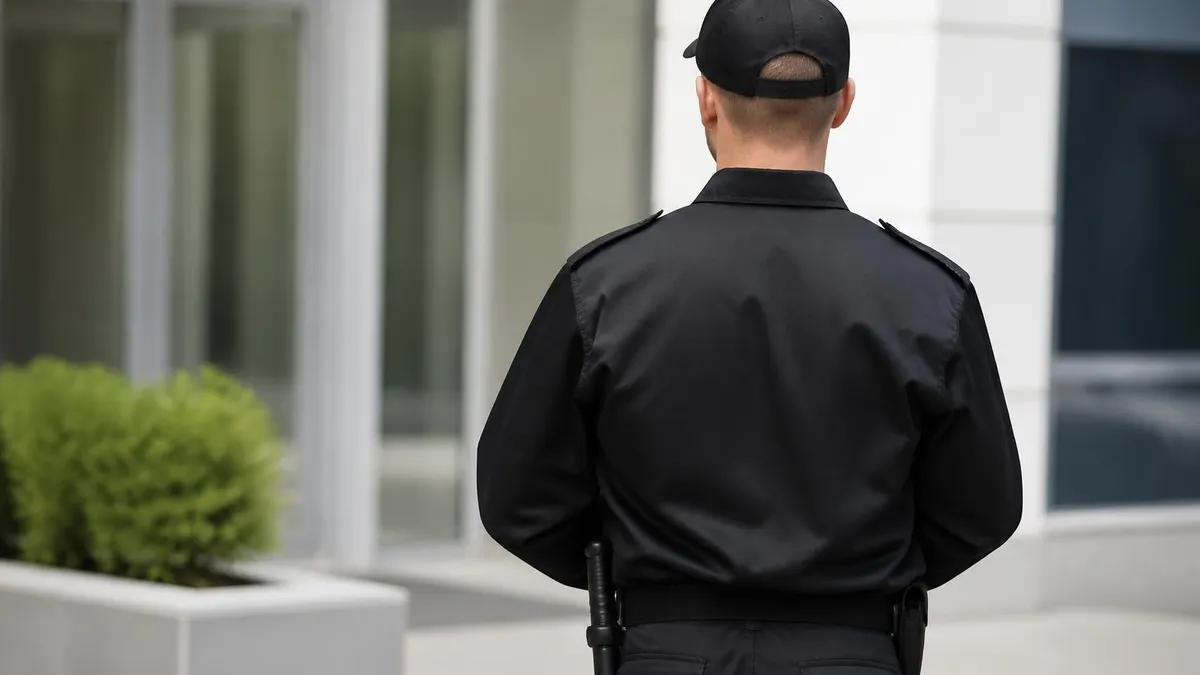
Security Guard Salary UK: How Much Do SIA Guards Really Earn in 2026?
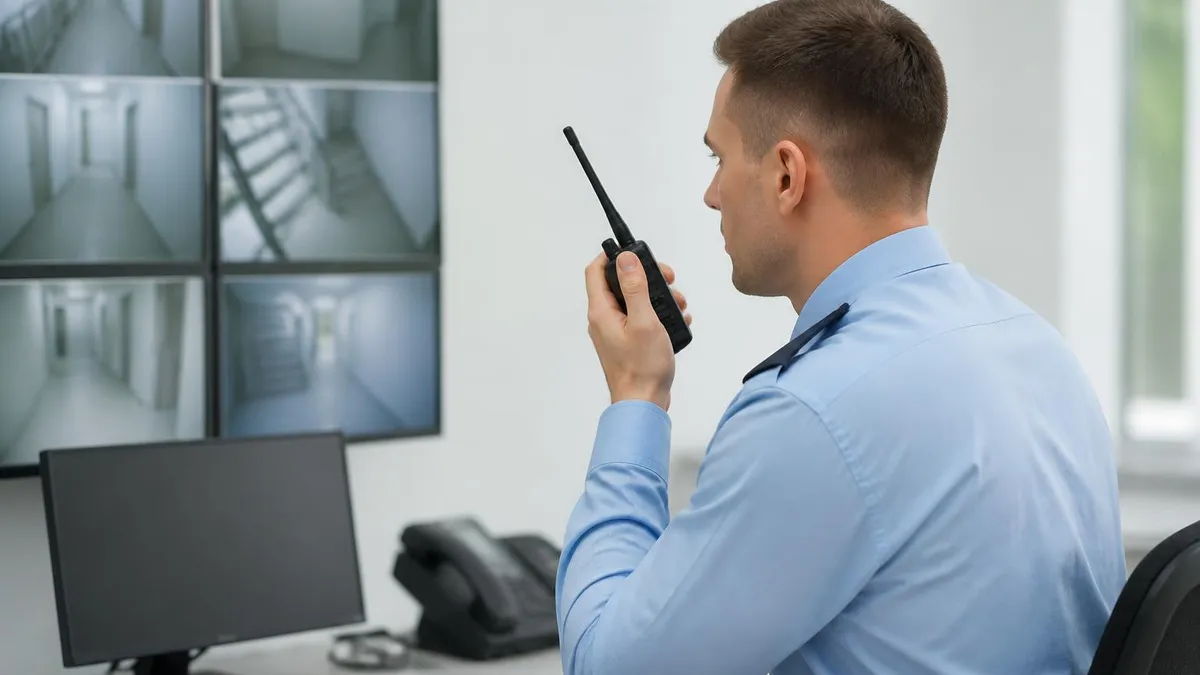
SIA Badge Checker: How to Verify an SIA Licence in the UK (2026)

SIA Security Guard Licence Practice Test PDF (Free Printable 2026)

SIA Check In: The Complete Guide to the SIA's Online Licensing System for UK Security Guards
SIA CCTV Licence Course: Complete Guide to Training, Requirements & Costs (2026)
About the Author

Certified Protection Professional & Security Licensing Expert
John Jay College of Criminal JusticeMarcus Rivera is a Certified Protection Professional (CPP) and Physical Security Professional (PSP) with a Master of Science in Security Management from John Jay College of Criminal Justice. With 16 years of corporate security, loss prevention, and executive protection experience, he coaches security professionals through ASIS CPP, PSP, PCI, and state security guard licensing examinations.