
Duties of a Deputy Sheriff: Complete Guide to Daily Responsibilities, Patrol Work, and Court Functions in 2026 October
Explore the duties of deputy sheriff officers in 2026 October — 💯 patrol, court security, civil process, jail operations, and community policing responsibilities.

The duties of deputy sheriff officers in the United States span a remarkably wide range of public safety functions, far beyond what most civilians see on a typical traffic stop or community event. A deputy sheriff is a sworn law enforcement officer who works under the elected sheriff of a county, and the job blends patrol policing, court security, jail supervision, civil process service, and emergency response into one demanding career. Understanding these responsibilities matters whether you are studying for the exam, considering a career change, or simply researching local government.
Unlike municipal police officers who operate within city limits, a sheriff deputy typically has jurisdiction across the entire county, including unincorporated areas, small towns without their own police force, and shared responsibility within incorporated cities. This county-wide scope means deputies handle everything from rural domestic disputes to courthouse security to transporting inmates between facilities. The breadth of work is one reason the position attracts people who want variety in their daily assignments rather than the narrower focus of a city patrol officer.
The phrase sheriff and deputy gets used interchangeably in casual conversation, but they are not the same role. The sheriff is the elected chief law enforcement officer of the county, while deputies are the sworn officers who carry out the day-to-day work the sheriff oversees. Most counties employ dozens to hundreds of deputies organized into divisions such as patrol, corrections, courts, civil, investigations, and special operations. Each division has its own training requirements, shift structure, and core responsibilities.
On any given shift, a deputy might respond to a 911 call about a burglary in progress, serve an eviction notice on behalf of the civil court, transport a prisoner to a medical appointment, secure a courtroom during a high-profile trial, or assist a stranded motorist on a county highway. According to the Bureau of Justice Statistics, sheriff's offices employ roughly 360,000 full-time sworn personnel nationwide, and these officers respond to millions of calls each year. The work is rarely predictable, which is precisely what many deputies say they love about it.
This guide breaks down the duties of deputy sheriff officers in detail, covering patrol functions, court security, corrections, civil process, investigations, and community policing. We will look at how responsibilities differ between rural and urban counties, what a typical shift looks like, the legal authority deputies carry, and the training that prepares them for these tasks. If you are preparing for the written exam or the oral board, knowing these duties cold is non-negotiable — examiners want candidates who understand the job before they sign up.
You will also see how compensation reflects the breadth of responsibility. The sheriff deputy pay scale varies significantly by state, county budget, and years of service, but the underlying job description stays remarkably consistent from Florida to Oregon. The core skills — situational awareness, decision-making under pressure, clear written reports, and respectful community interaction — show up everywhere, which is why exam content focuses on these areas.
By the end of this article you will have a complete picture of what deputy sheriffs actually do, how their work connects to the broader criminal justice system, and what to expect if you pursue the badge. Use the table of contents to jump to specific sections, or read straight through for the full picture.
Deputy Sheriff Duties by the Numbers
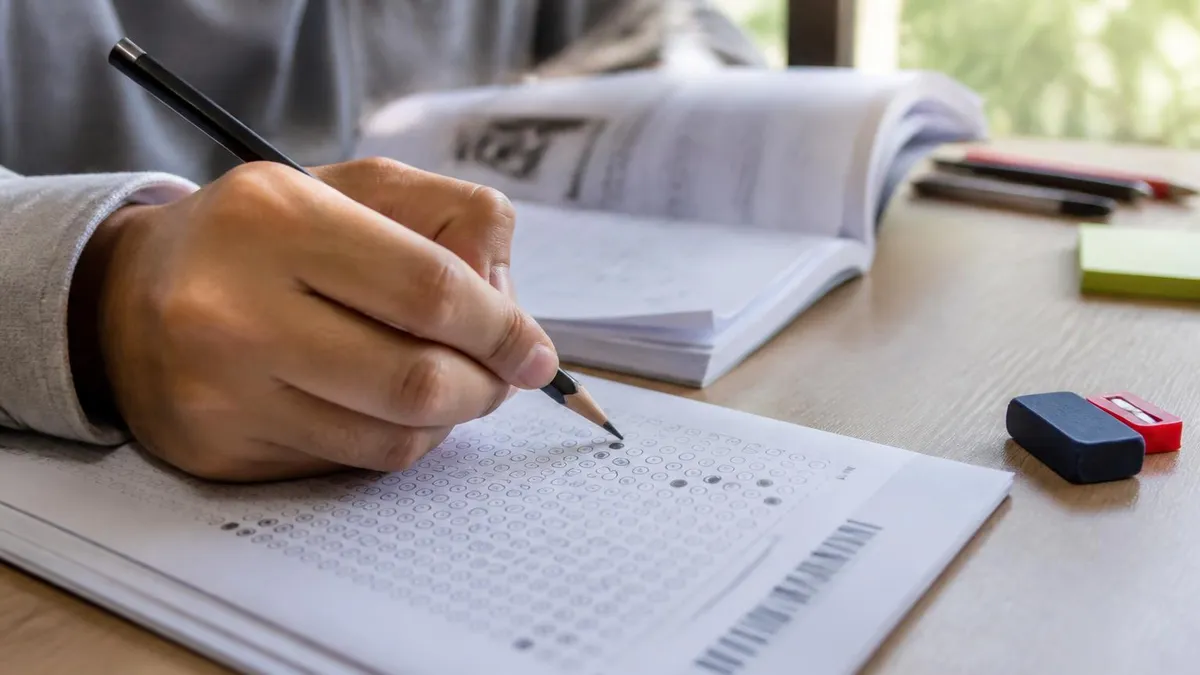
The Six Core Divisions of Deputy Sheriff Duties
The largest unit in most sheriff's offices. Patrol deputies respond to 911 calls, conduct traffic enforcement, investigate accidents, and provide visible presence across unincorporated county areas and small towns without their own police department.
Deputies assigned to courthouses provide security, screen visitors at entry points, escort judges and jurors, control courtroom proceedings, and serve as bailiffs. They prevent violence, manage prisoner transfers, and ensure orderly judicial operations.
Jail deputies supervise pre-trial detainees and sentenced inmates inside county detention facilities. They conduct headcounts, search cells for contraband, distribute meals and medication, and respond to disturbances inside the jail.
Civil deputies serve subpoenas, summonses, eviction notices, restraining orders, and writs of execution. They enforce court-ordered property seizures, conduct sheriff's sales, and document service legally for the requesting party.
Detectives and investigators handle felony cases, sex crimes, narcotics, financial fraud, homicide, and cold cases. They build cases through interviews, evidence collection, surveillance, search warrants, and coordination with prosecutors.
Includes SWAT, K-9, marine patrol, search and rescue, dive teams, aviation, and bomb disposal. These specialty deputies train heavily and respond to incidents beyond the scope of regular patrol shifts.
Patrol is the foundation of most deputy sheriff careers. New deputies almost always start on patrol after academy graduation, regardless of where they eventually specialize. A patrol deputy is the uniformed officer in a marked sheriff's vehicle who answers 911 calls, runs traffic enforcement, investigates traffic crashes, performs welfare checks, and provides a visible deterrent presence in neighborhoods. In rural counties, a single deputy may cover hundreds of square miles alone, with the nearest backup forty minutes away.
A typical patrol shift begins with a briefing where the watch commander reviews recent incidents, wanted suspects, and any special operations. Deputies inspect their vehicles, check radios, weapons, body cameras, and required gear before clearing for calls. From there, dispatch routes them to incidents in their assigned zone — domestic disturbances, alarm responses, suspicious persons, theft reports, missing children, animal complaints, and the constant stream of traffic stops that generate much of the documented work.
Report writing eats a surprising portion of every shift. Every arrest, accident, incident, and citizen complaint requires a written report that becomes part of the official record and may end up in court. Deputies who write clear, factual, well-organized reports earn promotions faster because supervisors, prosecutors, and defense attorneys all read their work. Sloppy writing leads to dismissed cases, civil liability, and lost credibility. Academy instructors hammer this point repeatedly, and the written exam tests grammar and sequencing for the same reason.
Traffic enforcement is more than writing speeding tickets. Deputies investigate fatal crashes, respond to DUI suspects, manage road closures during incidents, conduct vehicle inspections, and enforce commercial trucking regulations on county roads. Many high-profile drug seizures and warrant arrests begin with routine traffic stops where a deputy notices indicators of criminal activity. The famous pima county sheriff's deputy shot and killed an armed man case from 2023 began as a welfare check and shows how quickly patrol calls can escalate.
Community policing is a major focus for modern sheriff's offices. Deputies attend neighborhood association meetings, school events, faith community gatherings, and youth programs to build relationships before crises occur. Some agencies assign deputies to specific neighborhoods long-term so residents know their officer by name. This relational policing reduces tension during difficult calls and improves the information flow that helps solve crimes. The community policing principles tested on the exam come directly from this body of practice.
Officer safety practices govern everything a patrol deputy does. Approaching vehicles from behind the B-pillar, keeping suspects in clear sightlines, using cover during felony stops, watching for ambush patterns, and maintaining radio contact with dispatch are taught in academy and reinforced through field training. Deputies who skip these habits during quiet shifts often pay for it during the one call that turns violent without warning. The job rewards consistent professionalism, not heroics.
Patrol deputies also handle a great deal of work that is not strictly law enforcement. They deliver death notifications to families, mediate disputes between neighbors, search for missing dementia patients, transport people in mental health crisis to treatment facilities, and assist motorists in distress. This service component shapes public perception of the sheriff's office more than any arrest statistic, which is why community-facing soft skills appear repeatedly on the oral board.
Sheriff Practice Test Questions
Prepare for the Sheriff - Deputy Sheriff Exam exam with our free practice test modules. Each quiz covers key topics to help you pass on your first try.
Sheriff Applicable Laws and Regulations
Sheriff Exam Questions covering Applicable Laws and Regulations. Master Sheriff Test concepts for certification prep.
Sheriff Basic Mathematics Application
Free Sheriff Practice Test featuring Basic Mathematics Application. Improve your Sheriff Exam score with mock test prep.
Sheriff Community Policing Principles
Sheriff Mock Exam on Community Policing Principles. Sheriff Study Guide questions to pass on your first try.
Sheriff Correctional Officer Practices
Sheriff Test Prep for Correctional Officer Practices. Practice Sheriff Quiz questions and boost your score.
Sheriff Criminal Investigation Procedures
Sheriff Questions and Answers on Criminal Investigation Procedures. Free Sheriff practice for exam readiness.
Sheriff Deductive and Inductive Reasoning
Sheriff Mock Test covering Deductive and Inductive Reasoning. Online Sheriff Test practice with instant feedback.
Sheriff Evidence Collection and Preservation
Free Sheriff Quiz on Evidence Collection and Preservation. Sheriff Exam prep questions with detailed explanations.
Sheriff First Aid and Emergency Response
Sheriff Practice Questions for First Aid and Emergency Response. Build confidence for your Sheriff certification exam.
Sheriff Observation and Memory Recall
Sheriff Test Online for Observation and Memory Recall. Free practice with instant results and feedback.
Sheriff Officer Duties and Responsibilities
Sheriff Study Material on Officer Duties and Responsibilities. Prepare effectively with real exam-style questions.
Sheriff Patrol Procedures and Techniques
Free Sheriff Test covering Patrol Procedures and Techniques. Practice and track your Sheriff exam readiness.
Sheriff Professional Ethics and Situationa...
Sheriff Exam Questions covering Professional Ethics and Situational Judgment. Master Sheriff Test concepts for certification prep.
Sheriff Reading Comprehension Skills
Free Sheriff Practice Test featuring Reading Comprehension Skills. Improve your Sheriff Exam score with mock test prep.
Sheriff Report Writing and Grammar
Sheriff Mock Exam on Report Writing and Grammar. Sheriff Study Guide questions to pass on your first try.
Sheriff Report Writing and Written Communi...
Sheriff Test Prep for Report Writing and Written Communication. Practice Sheriff Quiz questions and boost your score.
Sheriff Situational Judgment Scenarios
Sheriff Questions and Answers on Situational Judgment Scenarios. Free Sheriff practice for exam readiness.
Courts, Civil Process, and Corrections: What a Sheriff's Deputy Does Beyond Patrol
Court services deputies are responsible for the safety of judges, court staff, jurors, witnesses, attorneys, and the public inside courthouses. They screen visitors through metal detectors and X-ray machines at the main entrance, confiscate prohibited items, and remove disruptive individuals from courtrooms. During high-profile trials, court deputies may guard sequestered juries, escort threatened witnesses, and conduct sweeps for hidden weapons or recording devices before sessions begin.
Inside the courtroom itself, the bailiff deputy controls movement, swears in witnesses, manages exhibits, and supervises in-custody defendants. Courthouses are unusually high-risk because they bring victims, defendants, and their families into close proximity during emotionally charged proceedings. Deputies who work courts must be calm, observant, and willing to act fast when a fight breaks out or a defendant attempts to flee. The role requires polished professionalism and zero tolerance for security gaps.

Deputy vs Sheriff Career: Pros and Cons of Each Role
- +Variety of assignments across patrol, courts, corrections, civil, and investigations
- +Strong job security with civil service protections and pension benefits
- +County-wide jurisdiction provides broader experience than city policing
- +Frequent promotion ladders into sergeant, lieutenant, captain, and chief deputy ranks
- +Specialty unit opportunities like SWAT, K-9, marine, aviation, and dive teams
- +Community-facing work builds long-term relationships and reputation
- +Take-home patrol vehicles offered in many counties as a meaningful perk
- −Shift work including nights, weekends, holidays, and forced overtime
- −Physical risk from suspects, vehicle pursuits, and emergency responses
- −Emotional toll from death investigations, child abuse cases, and trauma exposure
- −Heavy report writing workload that follows every incident and arrest
- −Public scrutiny, body camera footage, and complaint investigations
- −Rural deputies often work alone with delayed backup
- −Starting corrections assignments can extend two years before patrol
Pros and Cons at a Glance
| Pros | Cons |
|---|---|
| Variety of assignments across patrol, courts, corrections, civil, and investigations | Shift work including nights, weekends, holidays, and forced overtime |
| Strong job security with civil service protections and pension benefits | Physical risk from suspects, vehicle pursuits, and emergency responses |
| County-wide jurisdiction provides broader experience than city policing | Emotional toll from death investigations, child abuse cases, and trauma exposure |
| Frequent promotion ladders into sergeant, lieutenant, captain, and chief deputy ranks | Heavy report writing workload that follows every incident and arrest |
| Community-facing work builds long-term relationships and reputation | Public scrutiny, body camera footage, and complaint investigations |
| Take-home patrol vehicles offered in many counties as a meaningful perk | Rural deputies often work alone with delayed backup |
Daily Shift Checklist for a Working Deputy Sheriff
- ✓Attend shift briefing and review BOLOs, recent crimes, and special instructions
- ✓Inspect patrol vehicle including fluids, tires, lights, radio, and emergency equipment
- ✓Check duty weapon, magazines, body armor, taser, OC spray, and handcuffs
- ✓Test body-worn camera and in-car video recording systems before clearing
- ✓Verify radio function with dispatch and confirm assigned channel and zone
- ✓Review active warrants and protection orders for the patrol area
- ✓Respond to dispatched calls promptly with safety and priority awareness
- ✓Document every contact in CAD, citations, and written reports before end of shift
- ✓Process arrests through booking with complete paperwork and evidence chain
- ✓Restock supplies, complete vehicle inspection report, and turn in evidence at shift end
Report Writing Is a Promotion Skill
Deputies who write clean, factual, well-organized reports get noticed by supervisors, prosecutors, and judges. Sloppy writing loses cases and stalls careers. Practice narrative structure, chronological order, and active voice during academy — it pays off for thirty years.
The legal authority a deputy sheriff carries is both extensive and tightly constrained. Deputies are sworn peace officers under state law, which means they can make arrests, conduct searches with proper authority, carry firearms on and off duty, issue citations, execute warrants, and use force when legally justified. That authority generally extends across the entire county where they are sworn, and many states grant statewide authority for fresh pursuit and certain felony arrests. Understanding the boundaries of this power matters because mistakes lead to suppressed evidence, lost cases, and civil rights lawsuits.
Probable cause is the legal standard that governs most arrests and search warrants. It requires articulable facts that would lead a reasonable officer to believe a crime has occurred and the suspect committed it. Probable cause is more than suspicion but less than the proof beyond a reasonable doubt required at trial. Deputies must be able to articulate the facts that built their probable cause in clear written reports, because defense attorneys will challenge every weak link. The written exam tests these legal standards because they show up daily.
The Fourth Amendment governs searches and seizures, requiring warrants based on probable cause except in narrow exceptions like consent, exigent circumstances, plain view, search incident to arrest, and automobile searches with probable cause. Deputies who freelance outside these exceptions lose cases and expose themselves and the county to liability. Academy curriculum spends weeks on search and seizure law, and field training officers test new deputies on these rules during every traffic stop and call.
Use of force law gives deputies the authority to use reasonable force to make arrests, protect themselves, and protect others, but the level of force must be proportional to the threat. The Graham v. Connor decision established that force is evaluated from the perspective of a reasonable officer on the scene, not in hindsight. Deputies are trained on force continuums that begin with verbal commands, escalate through soft and hard empty hand techniques, less-lethal tools, and ultimately deadly force when faced with imminent threat of death or serious injury.
Miranda rights apply when a suspect is in custody and being interrogated about a crime. Deputies who fail to give Miranda warnings before custodial questioning lose the statements at trial. The rules around what constitutes custody and what counts as interrogation are nuanced, and deputies study them carefully because suppressed confessions sink prosecutions. Patrol deputies typically Mirandize at the moment of arrest and again before formal questioning to avoid any ambiguity.
Deputies also operate under departmental policies that are often stricter than state law. A pursuit may be legal under state statute but prohibited by departmental pursuit policy except in specific circumstances. Off-duty conduct, social media posts, secondary employment, and even what deputies say in public are governed by policy manuals that exceed legal minimums. Recruits are issued the manual on day one and tested on it during academy, field training, and probationary reviews.
Internal accountability is built into the system through internal affairs investigations, body camera review, citizen complaint procedures, and use-of-force review boards. Deputies who follow training, document their decisions, and behave professionally rarely have problems. Those who cut corners, fail to write reports, or treat citizens poorly accumulate complaints that limit promotion and eventually end careers. The job rewards discipline, and the exam process is designed to identify candidates who already have it.

The three most common liability traps for new deputies are improper use of force, illegal searches, and inadequate report writing. Each of these can void a case, end a career, and cost the county millions in civil judgments. Take training seriously, document everything in writing, and ask supervisors when in doubt — there is no shame in asking and no recovery from a documented mistake.
The skills that separate average deputies from outstanding ones are surprisingly consistent across agencies. Communication tops every list. Deputies who can de-escalate angry citizens with their voice, write reports that prosecutors love, and testify clearly under cross-examination outperform peers who rely on physical presence alone. Most law enforcement encounters are resolved with words, not force, and verbal judo is the most-used tool on the duty belt. Recruits who study active listening, tactical communication, and crisis intervention rise faster.
Decision-making under pressure is the second pillar. Deputies face hundreds of small decisions every shift and a handful of high-stakes ones. The ability to gather information quickly, weigh options, and act decisively without panic comes from training, repetition, and mental preparation. Veteran deputies talk about visualization — running scenarios in their head during quiet moments so the response is automatic when the situation appears. The deductive and inductive reasoning sections of the exam are designed to identify candidates with this capacity.
Physical fitness underpins everything else. A deputy who cannot run a hundred yards, climb a fence, control a resisting suspect, or carry an injured person to safety is a liability to themselves and to backup. Most agencies require ongoing fitness testing, and many tie it to promotion. Beyond minimum standards, deputies who maintain real fitness recover faster from injuries, sleep better despite shift work, and last longer in the career. The sheriff and deputy hiring process tests fitness at multiple stages for these reasons.
Emotional regulation may be the most underrated skill. Deputies see things that civilians never see — fatal crashes, dead children, abused elderly people, suicides, severe domestic violence — and the cumulative effect is real. Officers who develop healthy coping mechanisms, talk to peer support teams when needed, exercise regularly, and maintain strong personal lives outlast those who suppress everything until it explodes. Many agencies now require annual wellness checks because the data on officer suicide and divorce demands attention.
Integrity is the foundation. Deputies who lie on reports, plant evidence, accept gifts inappropriately, or abuse their authority destroy the credibility of the entire office. Modern body cameras, dash cameras, citizen cell phones, and digital records make dishonesty almost impossible to hide for long. Sheriff's offices conduct extensive background investigations specifically to identify candidates with strong character. The polygraph and psychological exam in the hiring process are designed to filter out applicants who lack it.
Cultural competence matters because deputies serve diverse communities. Counties contain people from many backgrounds, languages, religions, and economic situations. Deputies who treat everyone with respect — regardless of immigration status, mental illness, addiction, or socioeconomic class — build the public trust that makes information flow during investigations. Implicit bias training, cultural awareness courses, and ride-alongs with community leaders are now standard in modern academies.
Finally, lifelong learning marks the best deputies. Laws change, technology advances, threats evolve. Deputies who pursue advanced certifications, instructor courses, college degrees, and specialty assignments stay sharp and competitive. The deputies who plateau usually stopped learning after academy. Those who keep growing become the supervisors, instructors, and chief deputies the next generation looks up to.
Practical preparation for a deputy sheriff career starts well before academy. Candidates who research the specific sheriff's office where they want to work — its divisions, leadership philosophy, community relationships, equipment, and starting deputy sheriff salary — show up to interviews with informed questions and clear motivation. Generic answers about wanting to help people fall flat with oral board members who have heard them ten thousand times. Specificity signals seriousness, and seriousness gets hired.
Get your physical fitness above the minimum before applying, not at it. Agencies test a one-and-a-half mile run, push-ups, sit-ups, and often a 300-meter sprint and vertical jump. Hitting the minimum on test day means you are barely qualified, and barely qualified candidates lose to candidates who crush the standards. Build a training program three to six months out that targets the specific events your agency uses, and add real strength work because the job demands it long after the academy fitness test is over.
Study the written exam content seriously. Most sheriff exams cover reading comprehension, grammar, math, deductive and inductive reasoning, situational judgment, and basic legal concepts. Use timed practice tests to build pacing, identify weak areas, and reduce test anxiety. Candidates who walk in cold often score in the bottom third even when they would otherwise be excellent deputies. Free practice questions are available online, and many agencies publish sample exam booklets — read them carefully and take every available practice test.
Prepare for the background investigation by living a clean life now. Background investigators look at credit, social media, employment history, driving record, drug use, prior arrests, and references. Pay your bills, scrub questionable posts, maintain steady employment, and avoid casual drug use even where it is locally legal — many agencies still disqualify recent marijuana use. Honesty during the polygraph matters more than past mistakes; investigators expect imperfection but cannot tolerate deception.
The oral board interview tests communication, judgment, and motivation. Prepare answers to common scenarios — what would you do if your partner used excessive force, how would you handle a citizen complaint, why this agency over the neighboring city police. Practice out loud with a friend or mentor in law enforcement. Speak in clear, concrete examples from your real life rather than abstract generalities. Board members are looking for candidates who think before they speak and who already understand the job.
If you have the chance, do ride-alongs with the agency you want to join. Most sheriff's offices welcome serious candidates for ride-alongs after a basic background check. A few shifts on patrol show you what the work actually looks like — the boredom, the chaos, the paperwork, the humanity, the emotional weight — and tell you whether the job fits. The deputies riding with you also evaluate you informally, and good impressions filter back to recruiters.
Finally, network within the law enforcement community. Attend agency open houses, recruitment events, and community meetings. Talk to working deputies about their daily duties, the challenges, and what they wish they had known before signing up. The career rewards the prepared, and preparation begins long before the first day of academy. Use the time well, study the duties carefully, and the badge is achievable for any committed candidate.
Sample Sheriff - Deputy Sheriff Exam Practice Questions
Try these questions from our free Sheriff - Deputy Sheriff Exam practice tests. The correct answer and an explanation follow each question.
A deputy recorded the number of traffic citations issued each day over a five-day work week. The daily totals were 8, 11, 7, 14, and 10. What was the average number of citations issued per day?
- A. 11
- B. 50
- C. 9
- D. 10
Answer: D. 10
To find the average (or mean), you must sum all the values and then divide by the number of values. The sum of the citations is 8 + 11 + 7 + 14 + 10 = 50. There are 5 days (values), so you divide the sum by 5: 50 / 5 = 10. The average number of citations per day was 10.
A deputy notices that over the past three months, every vehicle theft reported in their patrol zone has occurred between 1:00 AM and 4:00 AM on a weekend. Based on this pattern, the deputy concludes the thief is most likely active during early weekend mornings. What type of reasoning did the deputy use?
- A. Circular Reasoning
- B. Deductive Reasoning
- C. Inductive Reasoning
- D. Hypothetical Syllogism
Answer: C. Inductive Reasoning
The deputy used specific observations (the timing and day of several thefts) to form a general conclusion or prediction. This process of moving from specific instances to a broader generalization is the definition of inductive reasoning. The conclusion is a strong probability, not a certainty.
What legal standard must a Deputy Sheriff meet to conduct a lawful arrest?
- A. Probable cause
- B. Reasonable suspicion
- C. Mere suspicion
- D. Absolute certainty
Answer: A. Probable cause
To conduct a lawful arrest, a Deputy Sheriff must meet the legal standard of probable cause. Probable cause means there are sufficient facts and circumstances to believe that a crime has been committed and that the person to be arrested committed it. This standard is higher than reasonable suspicion but less than absolute certainty.
In the community policing model, the role of a patrol deputy expands from a law enforcer to also include being a:
- A. Social worker and therapist.
- B. Strict disciplinarian.
- C. Liaison and problem-solver.
- D. Administrative assistant.
Answer: C. Liaison and problem-solver.
Community policing requires deputies to be more than just enforcers. They must also act as community liaisons and problem-solvers, working with residents, businesses, and other agencies to address issues that affect the quality of life in their assigned beat.
Sheriff Questions and Answers
Deputy Sheriff Salary 2026: Real Pay Numbers by State, Rank, and Years of Service

How to Become a Deputy Sheriff: Requirements, Training, and Career Path 2026
What Is a Deputy Sheriff? Complete Guide to the Role, Duties, and Career Path in 2026

Sheriff Deputy Exam: Complete Guide to the Written Test, Fitness, and Interview 2026
Sheriff Practice Test Video Answers
About the Author
Law Enforcement Trainer & Civil Service Exam Specialist
John Jay College of Criminal JusticeMarcus B. Thompson earned his Master of Arts in Criminal Justice from John Jay College of Criminal Justice and served 12 years as a law enforcement officer before transitioning to full-time academy instruction. He is a POST-certified instructor who has prepared candidates for police entrance exams, firefighter assessments, and civil service examinations across dozens of agencies.
Join the Discussion
Connect with other students preparing for this exam. Share tips, ask questions, and get advice from people who have been there.
View discussion (7 replies)