

SAPOL Practice Test
Updated October 2026Facts verified Oct 31, 2026 against South Australia Police (SAPOL), Talent Acquisition / Recruiting Section; tests delivered by TAFE SA
SAPOL (South Australian Police) is the top law enforcement in South Australia. They work hard to keep everyone safe and happy. SAPOL officers make sure the state is a safe place for all. SAPOL really gets what their communities need. They build trust by working closely with locals. This helps everyone work together to keep the area safe. SAPOL does a lot to help people. They answer emergency calls, solve crimes, and prevent new ones. Their team shows they care deeply about South Australia's people. Practice with the free SAPOL - South Australian Police practice test on PracticeTestGeeks (7 questions with answer explanations).
SAPOL: upcoming dates and official changes
- Nov 9, 2026: The next scheduled SAPOL Recruitment Test session with TAFE SA is on Monday 9 November 2026 at Adelaide City, 9:30am to 11:30am.[1]
- The SAPOL Recruitment Test is a literacy test covering reading comprehension and written expression/writing skills.[1]
- A standard SAPOL Recruitment Test session at TAFE SA lasts 2 hours. Evening sessions last 2.5 hours because the break is shorter.[1]
- Police Officer applicants must score at least 60% in Reading and 60% in Writing on the SAPOL Recruitment Test.[2]
- Booking the SAPOL Recruitment Test directly with TAFE SA costs A$148.50 including GST.[1]
- The concession price for the SAPOL Recruitment Test booked directly with TAFE SA is A$126.50.[1]
- Country and interstate SAPOL applicants sit the SAPOL Recruitment Test on the Monday of a three-day recruitment event at Police Headquarters.[2]
- Police Officer applicants can take the SAPOL Recruitment Test in person or online at a time that suits them.[2]
- Candidates must be at least 17 years old to sit the SAPOL Recruitment Test with TAFE SA.[1]
- Police Security Officer applicants must pass the SAPOL Recruitment Test after they apply unless an exemption applies.[3]
Numbers in brackets link to the official sources listed under Sources & last verified. Dates that have passed are removed automatically.
SAPOL Exam at a Glance
| Item | Detail | Source · Verified |
|---|---|---|
| Number of questions | Reading comprehension and written expression[1] | tafesa.edu.au · Oct 31, 2026 |
| Time limit (Standard scheduled session) | 2 hours (evening session 2.5 hours)[1] | tafesa.edu.au · Oct 31, 2026 |
| Passing score (Police Officer) | Reading 60%; Writing 60%[2] | South Australia Police (SAPOL), Talent Acquisition / Recruiting Section; tests delivered by TAFE SA · Oct 27, 2026 |
| Exam fee (Direct booking) | A$148.50 incl. GST[1] | tafesa.edu.au · Oct 31, 2026 |
| Exam fee (Direct booking — concession) | A$126.50 concession[1] | tafesa.edu.au · Oct 27, 2026 |
| Exam fee (SAPOL-invited applicants) | Free when invited by SAPOL[1] | tafesa.edu.au · Oct 31, 2026 |
| Delivery (Country and interstate applicants) | In person at Police Headquarters, Monday of the three-day recruitment event[2] | South Australia Police (SAPOL), Talent Acquisition / Recruiting Section; tests delivered by TAFE SA · Oct 27, 2026 |
| Delivery (Police Officer) | In person or online[2] | South Australia Police (SAPOL), Talent Acquisition / Recruiting Section; tests delivered by TAFE SA · Oct 27, 2026 |
| Delivery (Police Security Officer) | In person (online version in development)[3] | South Australia Police (SAPOL), Talent Acquisition / Recruiting Section; tests delivered by TAFE SA · Oct 27, 2026 |
| Eligibility (Minimum age) | 17 years or over[1] | tafesa.edu.au · Oct 31, 2026 |
| Eligibility (Police Security Officer) | Required after application unless exempt[3] | South Australia Police (SAPOL), Talent Acquisition / Recruiting Section; tests delivered by TAFE SA · Oct 27, 2026 |
| Next exam date | 9 November 2026, Adelaide City[1] | tafesa.edu.au · Oct 27, 2026 |
What changed for SAPOL in 2026
- Oct 27, 2026: Next exam date changed to 9 November 2026, Adelaide City (previously 9 November 2026 — Adelaide City).[1]
- Oct 27, 2026: Exam fee (Direct booking) changed to A$148.50 incl. GST (previously A$148.50 including GST).[1]
- Oct 27, 2026: Exam fee (SAPOL-invited applicants) changed to Free when invited by SAPOL (previously Free when invited by SAPOL after application review).[1]
- Oct 27, 2026: Time limit (Standard scheduled session) changed to 2 hours (evening session 2.5 hours) (previously Two-hour session).[1]
- Oct 27, 2026: Number of questions changed to Reading comprehension and written expression (previously Reading comprehension and written expression only).[1]
Free SAPOL - South Australian Police Study Tools
Interactive SAPOL - South Australian Police resources on PracticeTestGeeks, free to start:
- SAPOL - South Australian Police flashcards — review key terms and concepts card by card
- SAPOL - South Australian Police study guide — topic-by-topic overview of what the exam covers
- SAPOL - South Australian Police cheat sheet — one-page printable summary for last-minute review
According to South Australia Police (SAPOL), Talent Acquisition / Recruiting Section; tests delivered by TAFE SA, “These tests cover reading comprehension and written expression/writing skills.”[1]
SAPOL Practice Test Questions
Prepare for the SAPOL - South Australian Police exam with our free practice test modules. Each quiz covers key topics to help you pass on your first try.
SAPOL Cognitive Reasoning
SAPOL Exam Questions covering Cognitive Reasoning. Master SAPOL Test concepts for certification prep.
SAPOL Psychological Evaluation
Free SAPOL Practice Test featuring Psychological Evaluation. Improve your SAPOL Exam score with mock test prep.
SAPOL Self-Assessment
SAPOL Mock Exam on Self-Assessment. SAPOL Study Guide questions to pass on your first try.
SAPOL Verbal Reasoning
SAPOL Test Prep for Verbal Reasoning. Practice SAPOL Quiz questions and boost your score.
SAPOL Ethics and Integrity
SAPOL Questions and Answers on Ethics and Integrity. Free SAPOL practice for exam readiness.
SAPOL Law and Legal Knowledge
SAPOL Mock Test covering Law and Legal Knowledge. Online SAPOL Test practice with instant feedback.
SAPOL Numerical Reasoning
Free SAPOL Quiz on Numerical Reasoning. SAPOL Exam prep questions with detailed explanations.
SAPOL Physical Fitness and Health Standards
SAPOL Practice Questions for Physical Fitness and Health Standards. Build confidence for your SAPOL certification exam.
Worked examples: how to reason through SAPOL questions
These are practice questions written for this site, not questions from the real exam. Each explanation shows why the right answer is right and why the others are wrong.
Example 1
Question: The SAPOL Code of Ethics is based on which primary foundation?
- Efficiency and productivity targets
- Community expectations and human rights values
- Seniority and chain of command
- Legislation enforcement and arrest quotas
Answer: B. Community expectations and human rights values
Explanation:
Option B is correct. A code of ethics for police rests on values and public trust, so community expectations and human rights values are its foundation.
Efficiency and productivity targets are wrong because they measure output, not conduct, and a code built on them would reward results over fairness. Seniority and chain of command describe how an organisation is structured, not the ethical basis for behaviour. Legislation enforcement and arrest quotas are wrong because quotas push officers toward numbers rather than judgement, and enforcing the law is a duty, not the source of ethics.
Rule to remember: in ethics questions, prefer the option built on fairness, rights and public trust over one built on performance measures or hierarchy.
Example 2
Question: A police officer travels 45 km in the first hour of patrol and 30 km in the second hour. What is the average speed over the two hours?
- 30 km/h
- 37.5 km/h
- 45 km/h
- 75 km/h
Answer: B. 37.5 km/h
Explanation:
Option B, 37.5 km/h, is correct. Average speed is total distance divided by total time. The officer covers 45 km plus 30 km, which is 75 km, over 2 hours, and 75 divided by 2 is 37.5.
30 km/h is wrong because it is only the speed of the second hour. 45 km/h is wrong because it is only the speed of the first hour. 75 km/h is wrong because it is the total distance with no division by time, so the answer has the wrong unit meaning.
Rule to remember: add up the whole distance, add up the whole time, then divide. Do not pick one leg of the trip, and check that your answer sits between the slowest and fastest legs.
Example 3
Question: Under Australian law, a person is presumed innocent until proven guilty. This principle is known as:
- Habeas corpus
- Presumption of innocence
- Double jeopardy
- Mens rea
Answer: B. Presumption of innocence
Explanation:
Option B, presumption of innocence, is correct. It means a person is treated as innocent until the prosecution proves guilt, so the burden of proof sits with the prosecution.
Habeas corpus is wrong because it is a way to challenge unlawful detention, not a rule about guilt. Double jeopardy is wrong because it protects a person from being tried twice for the same offence. Mens rea is wrong because it means the guilty mind, the mental element that must accompany a criminal act.
Rule to remember: match the legal term to the exact wording of the question. Phrases such as innocent until proven guilty point to the presumption of innocence, while each of the other terms answers a different question.
How to use these practice tests
Start with the official material. Read the SAPOL recruitment process page and the TAFE SA course page so you know your delivery method, pass marks and booking route before you practise anything.
The test covers reading comprehension and written expression, so spend most of your time there. Use SAPOL Written Communication and SAPOL Verbal Reasoning to practise reading short passages closely and writing clear, correct sentences. Our sets are written by us and are not real exam questions, and we cannot confirm they match the live test, so treat them as practice for the skills rather than a preview.
Once you are comfortable with that, add variety with SAPOL Situational Judgment, SAPOL Ethics and Integrity and SAPOL Numerical Reasoning. These help with reasoning habits, even where they are not named in the official outline.
After each set, read every explanation, including for questions you got right. Write down the rule behind each miss and revisit it a few days later. Near test day, sit a full set in one go, in a quiet place, with a timer, and check your device and booking details if you are testing online.
Key Takeaways
FREE SAPOL Practice Test Online
- SAPOL is the leading law enforcement agency in South Australia, committed to public safety and community service.
- SAPOL's community policing approach fosters trust and cooperation with local residents to address crime and public safety concerns.
- SAPOL officers demonstrate professionalism, integrity, and a steadfast dedication to serving the people of South Australia.
- SAPOL's comprehensive services include emergency response, criminal investigations, and proactive crime prevention initiatives.
- As the premier law enforcement agency in the state, SAPOL sets the standard for excellence in public service and community-centric policing.
Community Policing: Fostering Trust and Cooperation
SAPOL (South Australian Police): Upholding Law and Order
SAPOL is dedicated to keeping South Australia safe and following the law. They work hard to build trust and solve problems in communities. This helps them respond quickly to emergencies and prevent crime.
SAPOL works closely with the people they protect. They listen to concerns and help solve them. This way, they build trust and make communities stronger against crime.
Rapid Emergency Response: Ensuring Public Safety
SAPOL is quick to act in emergencies. They have the latest technology and well-trained officers. They work hard to keep everyone safe, whether it's a medical emergency or a big crisis.
| Key Policing Priorities | SAPOL's Approach |
|---|---|
| Community Engagement | Building trust and cooperation through active outreach and partnership with local communities |
| Emergency Response | Ensuring swift and effective resolution of public safety incidents through specialized training and advanced resources |
| Crime Prevention | Implementing proactive strategies to identify and address the root causes of criminal activity |
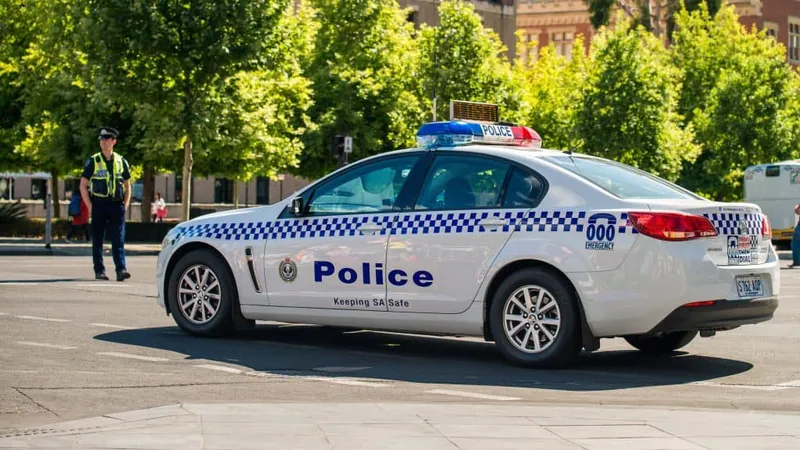
"Our commitment to the people of South Australia is unwavering. We strive to be a trusted partner, working hand-in-hand with our communities to create a safer, more secure future for all."
- Chief Commissioner, SAPOL
Investigative Excellence: Solving Crimes, Protecting Citizens
At the heart of SAPOL's mission is a strong commitment to criminal investigations and solving crimes. The agency's team of investigators uses advanced techniques to find the truth and hold offenders accountable.
SAPOL uses top-notch forensic science, data analysis, and a wide network of intelligence. They work hard to protect South Australia's citizens. They tackle everything from financial crimes to violent offenses, keeping communities safe.
SAPOL also focuses on victim support services. They know solving crimes is not just about catching offenders. It's also about caring for those affected. They offer special programs and support to help victims heal and recover.
SAPOL is the guardian of public safety, always improving their services. They use the latest technology and forensic science to stay ahead of criminals. Thanks to their hard work, South Australia's people can feel safe, knowing their communities are protected.
Neighborhood Watch Programs: Empowering Local Communities
Proactive Approach: Crime Prevention and Community Engagement
At SAPOL, we go beyond just reacting to crime. We focus on preventing it by working with our communities. Our programs and education aim to build a safer South Australia together.
SAPOL's Neighborhood Watch programs help locals fight crime. They make communities stronger by encouraging everyone to look out for each other. This way, we all help keep our neighborhoods safe.
Through meetings and training, we teach people how to help. They learn to spot and report suspicious activities. This teamwork helps us keep our communities safe.
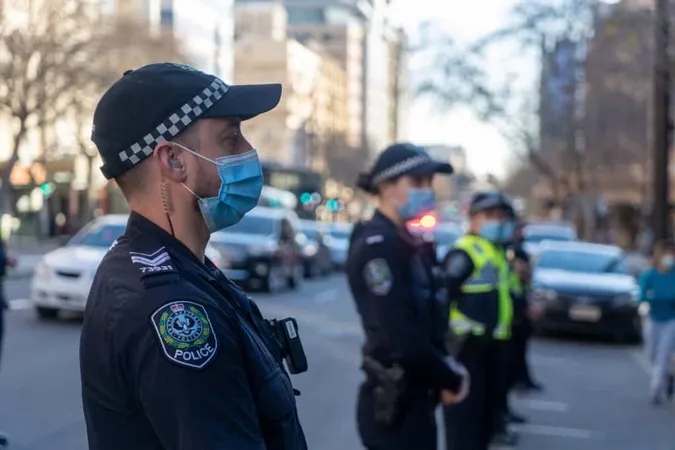
Educational Outreach: Raising Awareness and Understanding
We also focus on teaching the public through outreach programs. Our officers visit schools and communities to talk about safety and rights. They share important information to help everyone understand the police's role.
These efforts help build trust and improve communication. They make our crime prevention work more effective. Together, we can make South Australia a safer place.
- +Industry-recognized credential boosts your resume
- +Higher earning potential (10-20% salary increase on average)
- +Demonstrates commitment to professional development
- +Opens doors to advanced career opportunities
- −Exam preparation requires significant time investment (4-8 weeks)
- −Certification fees can be $100-$400+
- −May require continuing education to maintain
- −Some employers may not require certification
Sample SAPOL - South Australian Police Practice Questions
Try these questions from our free SAPOL - South Australian Police practice tests. The correct answer and an explanation follow each question.
Under South Australian law, police may use force when making an arrest. This force must be:
- A. Whatever level the officer deems appropriate
- B. Reasonable and proportionate to the circumstances
- C. Minimal regardless of the suspect's resistance
- D. Approved by a supervisor in advance
Answer: B. Reasonable and proportionate to the circumstances
The law requires that any force used by police must be reasonable and proportionate to the threat or resistance encountered.
Under South Australian law, which Act primarily governs police powers of arrest?
- A. Criminal Law Consolidation Act 1935
- B. Summary Offences Act 1953
- C. Police Act 1998 (SA)
- D. Bail Act 1985 (SA)
Answer: C. Police Act 1998 (SA)
The Police Act 1998 (SA) is the primary legislation that governs the powers, duties, and conduct of South Australian Police officers.
Under the South Australian policing framework, who is primarily responsible for maintaining ethical standards within a police station?
- A. The Police Complaints Authority exclusively
- B. Each individual officer, supported by supervisors and the chain of command
- C. The Minister for Police
- D. External auditors appointed by government
Answer: B. Each individual officer, supported by supervisors and the chain of command
Ethical responsibility is individual at its core, with supervisors and organizational structures providing support and accountability mechanisms.
How often are serving SAPOL officers typically required to pass fitness reassessments?
- A. Never after initial recruitment
- B. Annually or at defined intervals
- C. Only when promoted
- D. Every five years
Answer: B. Annually or at defined intervals
SAPOL requires serving officers to maintain fitness standards through periodic reassessments to ensure ongoing operational readiness.
Take the full SAPOL - South Australian Police practice test
What is SAPOL (South Australian Police)?
SAPOL (South Australian Police) is the top law enforcement in South Australia. They work hard to keep communities safe. Their duties include stopping crimes, solving mysteries, and helping in emergencies.
What are SAPOL's main areas of focus?
SAPOL focuses on building trust with communities, responding quickly to emergencies, and solving crimes. They also work to prevent crimes before they happen. Their goal is to keep everyone safe and involved in keeping communities safe.
How does SAPOL approach community policing?
SAPOL values community policing a lot. They aim to build trust with locals. Officers work with people, businesses, and groups to tackle local problems and keep everyone safe.
What is SAPOL's role in emergency response?
SAPOL is quick to respond to emergencies. Their trained officers handle many situations, like natural disasters and crimes. They work fast to keep everyone safe.
How does SAPOL excel in criminal investigations?
SAPOL is great at solving crimes. They use new methods and technology to find culprits. They also help victims and work hard to solve cases.
What are SAPOL's crime prevention and community engagement initiatives?
SAPOL is proactive in preventing crimes and engaging with communities. They have programs like Neighborhood Watch and educational events. These help make communities safer and more informed.
How does SAPOL train and equip its officers?
SAPOL invests in training its officers. They have a top-notch academy that prepares them for their duties. Officers get the skills and knowledge needed to protect South Australia's communities.
Sources & last verified
- tafesa.edu.au — number of questions, time limit, exam fee, eligibility (official source). “These tests cover reading comprehension and written expression/writing skills.” Verified Oct 31, 2026 · source checked Oct 31, 2026.
- South Australia Police (SAPOL), Talent Acquisition / Recruiting Section; tests delivered by TAFE SA — passing score, delivery (official source). “The current pass marks for the SAPOL Recruitment Test for Police Officer applicants are: Reading: 60% Writing: 60%” Verified Oct 27, 2026 · source checked Oct 26, 2026.
- South Australia Police (SAPOL), Talent Acquisition / Recruiting Section; tests delivered by TAFE SA — eligibility, delivery (official source). “Applicants are required to successfully complete the SAPOL Recruitment Test after submitting their application, unless they qualify for an exemption.” Verified Oct 27, 2026 · source checked Oct 26, 2026.
How we verify: editorial & fact-checking policy. Report an error: contact us.
How this page was made: written with AI tools and published by Nathan Beja, founder of Practice Test Geeks, who is responsible for its content. Exam facts are checked against the official sources listed below. Not reviewed by a subject-matter expert. Editorial policy
Sources & references
Exam facts on this page (fees, format, dates, passing scores) are checked against these official sources; the date is our last check. Editorial policy
- police.sa.gov.au — Test delivery, eligibility, passing score · verified Oct 2026
- tafesa.edu.au — Eligibility, exam dates, fees, exam format, time limit · verified Oct 2026