
Same Day Dental Implants 2026 October
Free Same Day Dental Implants practice test with questions and answer explanations. Prepare for the 2026 October exam with instant scoring. 🗨️
Benefits of Same Day Dental Implants
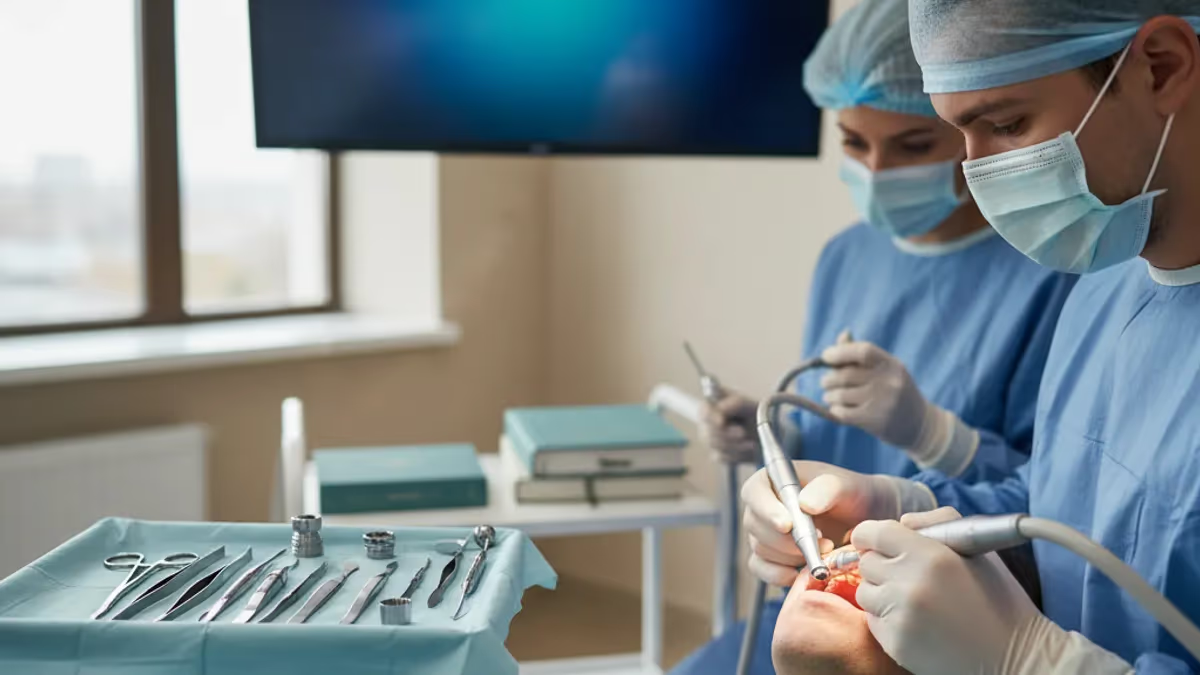
Same day dental implants offer numerous benefits for individuals seeking a quick and efficient solution to restore their smiles. One of the key advantages is the ability to walk out of the dental office with fully functional teeth on the same day as the implant surgery. Unlike traditional implants that require months of healing before attaching prosthetic teeth, same day implants eliminate this waiting time, allowing patients to enjoy a natural-looking smile immediately.
Another significant benefit is the convenience provided by same day dental implants. Traditional implant procedures often involve multiple appointments over an extended period, causing inconvenience and disruption to daily life. With same day implants, everything from tooth extraction to implant placement and attachment of prosthetic teeth can be completed in a single appointment. This not only saves time but also reduces anxiety associated with going through multiple surgeries or visits.
In addition to these advantages, same day dental implants can improve oral health and overall well-being. Missing teeth can lead to bone loss in the jaw over time, affecting facial appearance and causing further oral health issues. By replacing missing teeth with same day implants promptly, patients can prevent further bone loss and preserve their facial structure while enjoying restored self-esteem and confidence.
- ✓Confirm your exam appointment and location
- ✓Bring required identification documents
- ✓Arrive 30 minutes early to check in
- ✓Read each question carefully before answering
- ✓Flag difficult questions and return to them later
- ✓Manage your time — don't spend too long on one question
- ✓Review flagged questions before submitting
The Magic of Same Day Dental Implants
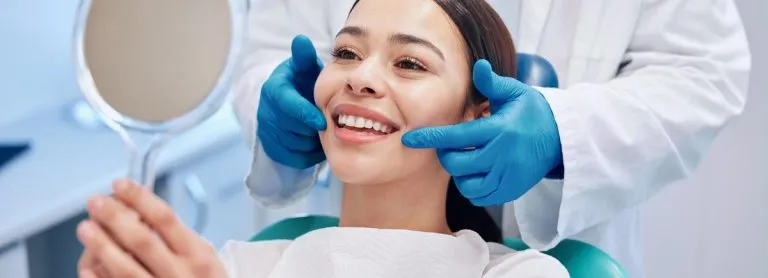
Same day dental implants, as the name suggests, work like magic. Gone are the days when you had to wait for months with a missing tooth or cope with uncomfortable dentures. With advancements in technology and modern techniques, it is now possible to get dental implants in just one visit to the dentist.
The magic lies in the innovative procedure called immediate loading or same day placement. Unlike traditional implant treatments where multiple visits are required, with same day dental implants, your missing tooth can be replaced in just a few hours. The process involves placing an implant post directly into the jawbone and attaching a temporary crown or bridge on top – all in one sitting.
Imagine waking up with a gap in your smile and going to bed that same evening with a beautifully restored tooth. Same-day dental implants not only save you time but also minimize discomfort and allow you to regain full functionality of your teeth immediately. It's like experiencing real magic - transforming your smile and boosting your confidence in just a matter of hours.
- +Validates your knowledge and skills objectively
- +Increases job market competitiveness
- +Provides structured learning goals
- +Networking opportunities with other certified professionals
- −Study materials can be expensive
- −Exam anxiety can affect performance
- −Requires dedicated preparation time
- −Retake fees apply if you don't pass
Pros and Cons at a Glance
| Pros | Cons |
|---|---|
| Validates your knowledge and skills objectively | Study materials can be expensive |
| Increases job market competitiveness | Exam anxiety can affect performance |
| Provides structured learning goals | Requires dedicated preparation time |
| Networking opportunities with other certified professionals | Retake fees apply if you don't pass |
Sample Dental Implants Practice Questions
Try these questions from our free Dental Implants practice tests. The correct answer and an explanation follow each question.
Which prosthetic material is most commonly used for implant-supported crowns in the posterior region due to its strength?
- A. Composite resin
- B. Full-cast gold
- C. Monolithic zirconia
- D. Feldspathic porcelain
Answer: C. Monolithic zirconia
Monolithic zirconia is preferred posteriorly for its high fracture resistance, low chipping rate, and excellent wear properties under heavy occlusal load.
Antibiotic prophylaxis before dental implant surgery is commonly recommended for:
- A. All patients regardless of health status
- B. Systemically compromised patients and per surgeon protocol, typically amoxicillin 2g one hour before
- C. Only patients with cardiac conditions
- D. No patients — antibiotics cause implant failure
Answer: B. Systemically compromised patients and per surgeon protocol, typically amoxicillin 2g one hour before
While evidence varies, many surgeons use prophylactic amoxicillin 2g pre-operatively for at-risk patients following ADA/AAOS guidelines to reduce infection risk.
What is the primary benefit of incorporating platelet-rich fibrin (PRF) or platelet-rich plasma (PRP) into bone grafting procedures?
- A. It permanently replaces the need for barrier membranes in GBR
- B. It provides a long-lasting osteoconductive scaffold for bone formation
- C. It concentrates autologous growth factors that may accelerate tissue healing
- D. It eliminates the need for bone graft particulate material entirely
Answer: C. It concentrates autologous growth factors that may accelerate tissue healing
PRF and PRP are prepared from the patient's own blood and concentrate growth factors such as PDGF, TGF-β, and VEGF; when used as adjuncts in grafting procedures, they may promote angiogenesis and accelerate graft healing and maturation.
Inter-arch space (restorative space) of at least how much is typically required for an implant-supported crown?
- A. 2–3 mm
- B. 5–7 mm
- C. 8–12 mm
- D. 15 mm
Answer: B. 5–7 mm
A minimum of 5–7 mm of vertical restorative space is needed to accommodate the abutment height plus the crown material.
Dental Implants Questions and Answers
About the Author

Dentist & Dental Licensing Exam Specialist
University of Michigan School of DentistryDr. Patricia Chen is a licensed dentist with a DDS and a Master of Science in Periodontics from the University of Michigan School of Dentistry. She has 14 years of clinical practice and academic instruction experience, specializing in helping dental school graduates prepare for the NBDE, INBDE, regional clinical boards, and dental hygiene licensure examinations.