
Are Dental Implants Painful? 2026 October
Boost your Are Dental Implants Painful? exam score with practice questions and detailed answer explanations. Track progress with instant feedback. ❓


The Truth Behind Dental Implant Pain
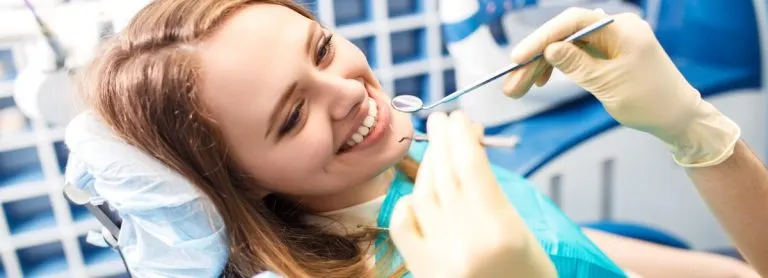
While the thought of getting dental implants may induce some trepidation, it is essential to understand the truth behind the pain involved in the process. Contrary to popular belief, dental implant surgery is not inherently painful; instead, discomfort can vary depending on individual thresholds and the complexity of each case. By utilizing local anesthesia and sedation techniques, oral surgeons strive to minimize any potential pain or discomfort during the procedure. In fact, many patients report feeling only mild soreness and slight swelling afterward.
One factor contributing to a relatively painless experience is that tooth implants are surgically placed into the jawbone where there are few nerve endings. As a result, most patients do not encounter significant pain during this stage of treatment. Moreover, advancements in technology have enabled shorter surgical times and reduced post-operative discomfort. Additionally, dental professionals often prescribe appropriate pain management medications following surgery to ensure patient comfort throughout their recovery.
- ✓Review the official Dental Implants exam content outline
- ✓Take a diagnostic practice test to identify weak areas
- ✓Create a study schedule (4-8 weeks recommended)
- ✓Focus on your weakest domains first
- ✓Complete at least 3 full-length practice exams
- ✓Review all incorrect answers with detailed explanations
- ✓Take a final practice test 1 week before exam day
The Ultimate Guide to Painless Dental Implants
If you're considering dental implants but are worried about the pain and discomfort that may come with the procedure, fear not. Thanks to advancements in dental technology, there is now an ultimate guide to painless dental implants.
One of the key reasons why dental implant procedures can now be virtually pain-free is the use of anesthesia. Local anesthesia is used to numb the area where the implant will be placed, ensuring that you won't feel any pain during the surgery. In some cases, conscious sedation or general anesthesia can also be used for patients who experience anxiety or have a low pain threshold.
Another factor contributing to painless dental implants is modern surgical techniques. Dentists today use minimally invasive methods that involve smaller incisions and fewer sutures, resulting in faster healing times and less discomfort after the procedure. Additionally, materials like titanium used for dental implants are biocompatible and seamlessly integrate with your jawbone over time, reducing any post-surgery discomfort.
- +Industry-recognized credential boosts your resume
- +Higher earning potential (10-20% salary increase on average)
- +Demonstrates commitment to professional development
- +Opens doors to advanced career opportunities
- −Exam preparation requires significant time investment (4-8 weeks)
- −Certification fees can be $100-$400+
- −May require continuing education to maintain
- −Some employers may not require certification
Sample Dental Implants Practice Questions
Try these questions from our free Dental Implants practice tests. The correct answer and an explanation follow each question.
Peri-implantitis is distinguished from peri-implant mucositis by the presence of:
- A. Only soft tissue inflammation
- B. Progressive marginal bone loss with inflammation
- C. Suppuration only without bone changes
- D. Pain as the primary symptom
Answer: B. Progressive marginal bone loss with inflammation
Peri-implantitis involves active, progressive destruction of the supporting bone around a functioning implant in addition to soft tissue inflammation.
In the All-on-4 concept, the two posterior implants are tilted at approximately what angle?
- A. 10 degrees
- B. 30 degrees
- C. 45 degrees
- D. 60 degrees
Answer: C. 45 degrees
Posterior implants in the All-on-4 protocol are tilted at approximately 45 degrees to avoid anatomical structures (sinus/nerve) while maximizing bone contact and reducing cantilever length.
The 'A-line' concept in full-arch implant planning refers to:
- A. The alveolar nerve path
- B. The anticipated position of the restoration to guide implant angulation
- C. An antibiotic protocol line
- D. The attachment level of gingival tissue
Answer: B. The anticipated position of the restoration to guide implant angulation
Prosthetically driven planning uses the desired tooth position (A-line) to determine ideal implant angulation and placement, ensuring the restoration dictates surgery.
Which type of GBR membrane requires a planned second surgical procedure for removal?
- A. Collagen membrane
- B. Polylactic acid membrane
- C. Polyglycolic acid membrane
- D. Expanded polytetrafluoroethylene (e-PTFE) membrane
Answer: D. Expanded polytetrafluoroethylene (e-PTFE) membrane
Non-resorbable e-PTFE (Gore-Tex) membranes provide superior space maintenance but must be surgically retrieved in a second procedure; collagen, polylactic acid, and polyglycolic acid membranes are all bioresorbable and degrade without additional surgery.
About the Author

Dentist & Dental Licensing Exam Specialist
University of Michigan School of DentistryDr. Patricia Chen is a licensed dentist with a DDS and a Master of Science in Periodontics from the University of Michigan School of Dentistry. She has 14 years of clinical practice and academic instruction experience, specializing in helping dental school graduates prepare for the NBDE, INBDE, regional clinical boards, and dental hygiene licensure examinations.