

QMA Insulin Practice Test
Updated October 2026Facts verified Oct 20, 2026 against Indiana Department of Health
As a Qualified Medication Aide (QMA), you play a key role in managing diabetes. The QMA Insulin Administration Certification helps you learn how to give insulin safely and right. This training covers everything from the endocrine system to the practical skills needed for certification. Practice with the free Qualified Medication Aides Insulin practice test on PracticeTestGeeks (7 questions with answer explanations).
Free Qualified Medication Aides Insulin Study Tools
Interactive Qualified Medication Aides Insulin resources on PracticeTestGeeks, free to start:
- QMA Insulin Injection Sites and Site Rotation 1 — 7 questions with answer explanations
- Qualified Medication Aides Insulin flashcards — review key terms and concepts card by card
- Qualified Medication Aides Insulin study guide — topic-by-topic overview of what the exam covers
- Qualified Medication Aides Insulin cheat sheet — one-page printable summary for last-minute review
- The Indiana QMA Insulin written exam has 25 multiple-choice questions. (ivytech.edu)
- Candidates get 30 minutes to complete the Indiana QMA Insulin written exam. (ivytech.edu)
- To pass the Indiana QMA Insulin written exam, a candidate may miss no more than 3 of the 25 questions, a score of 88%. (ivytech.edu)
- The Indiana QMA-Insulin written competency exam costs $75 at Ivy Tech Community College Testing Services. This fee has applied since January 1, 2025. (ivytech.edu)
- The Indiana Department of Health allows up to four attempts at the QMA insulin written test, and the skills test must be passed with 100% accuracy. (Indiana Department of Health (IDOH), Aide Training, Certification and Registry. The written exam is run by Ivy Tech Comm)
- The Indiana QMA insulin certification has no separate expiry. It is renewed together with the QMA certification each two-year renewal period. (Indiana Department of Health (IDOH), Aide Training, Certification and Registry. The written exam is run by Ivy Tech Comm)
- Indiana QMAs with the insulin certification must complete one additional hour of insulin-related in-service training each two-year renewal period, on top of the six hours required for the QMA. (Indiana Department of Health (IDOH), Aide Training, Certification and Registry. The written exam is run by Ivy Tech Comm)
- The Indiana QMA Insulin written exam is taken in person at Ivy Tech Community College testing centers across the state, after applying and paying online. (ivytech.edu)
- To take the Indiana QMA Insulin exam, a candidate must already be a Qualified Medication Aide on the Indiana Aides Registry and have completed the state-approved Insulin Administration module. (ivytech.edu)
Facts verified Oct 20, 2026 against Indiana Department of Health (IDOH), Aide Training, Certification and Registry. The written exam is run by Ivy Tech Comm. Dates that have passed are removed automatically.
QMA Insulin Exam at a Glance
| Item | Detail | Official source |
|---|---|---|
| Number of questions | 25 multiple-choice questions | ivytech.edu |
| Time limit | 30 minutes | ivytech.edu |
| Passing score | 88% (no more than 3 questions missed) | ivytech.edu |
| Exam fee | $75 per exam | ivytech.edu |
| Retake policy | Up to 4 attempts at the written test. The skills test must be passed with 100% accuracy. | Indiana Department of Health (IDOH), Aide Training, Certification and Registry. The written exam is run by Ivy Tech Comm |
| Validity | Renews together with the QMA certification (two-year renewal period) | Indiana Department of Health (IDOH), Aide Training, Certification and Registry. The written exam is run by Ivy Tech Comm |
| Renewal | One extra hour of insulin-related in-service training per two-year renewal (on top of the 6 QMA hours); renewal is free | Indiana Department of Health (IDOH), Aide Training, Certification and Registry. The written exam is run by Ivy Tech Comm |
| Delivery | In person at Ivy Tech campus testing centers statewide | ivytech.edu |
| Eligibility | Must be a QMA on the Indiana Aides Registry and have completed the Insulin Administration module | ivytech.edu |
Facts verified Oct 20, 2026 against Indiana Department of Health (IDOH), Aide Training, Certification and Registry. The written exam is run by Ivy Tech Comm. Dates that have passed are removed automatically.
QMA Insulin Practice Test Questions
Prepare for the QMA Insulin - Qualified Medication Aides Insulin exam with our free practice test modules. Each quiz covers key topics to help you pass on your first try.
QMA Insulin Injection Sites and Site Rotation
QMA Insulin Questions and Answers on Injection Sites and Site Rotation. Free QMA Insulin practice for exam readiness.
QMA Insulin Legal and Ethical Considerations
QMA Insulin Mock Test covering Legal and Ethical Considerations. Online QMA Insulin Test practice with instant feedback.
QMA Insulin Monitoring and Documentation
Free QMA Insulin Quiz on Monitoring and Documentation. QMA Insulin Exam prep questions with detailed explanations.
QMA Insulin Patient Education and Communic...
QMA Insulin Practice Questions for QMA Insulin Patient Education and Communication. Build confidence for your QMA Insulin certification exam.
QMA Insulin Storage and Handling
QMA Insulin Test Online for QMA Insulin Storage and Handling. Free practice with instant results and feedback.
QMA Insulin - Qualified Medication Aides I...
Free QMA Insulin Test covering - Qualified Medication Aides Insulin Blood Glucose Monitoring. Practice and track your QMA Insulin exam readiness.
QMA Insulin - Qualified Medication Aides I...
QMA Insulin Exam Questions covering - Qualified Medication Aides Insulin Documentation and Reporting. Master QMA Insulin Test concepts for certification prep.
QMA Insulin - Qualified Medication Aides I...
Free QMA Insulin Practice Test featuring - Qualified Medication Aides Insulin Hypoglycemia and Hyperglycemia. Improve your QMA Insulin Exam score with mock test prep.
QMA Insulin - Qualified Medication Aides I...
QMA Insulin Mock Exam on - Qualified Medication Aides Insulin Insulin Administration Technique. QMA Insulin Study Guide questions to pass on your first try.
QMA Insulin - Qualified Medication Aides I...
QMA Insulin Test Prep for - Qualified Medication Aides Insulin QMA Scope of Practice. Practice QMA Insulin Quiz questions and boost your score.
QMA Insulin - Qualified Medication Aides I...
QMA Insulin Questions and Answers on - Qualified Medication Aides Insulin Safety and Emergency Procedures. Free QMA Insulin practice for exam readiness.
QMA Insulin - Qualified Medication Aides I...
QMA Insulin Mock Test covering - Qualified Medication Aides Insulin Sliding Scale Insulin. Online QMA Insulin Test practice with instant feedback.
QMA Insulin - Qualified Medication Aides I...
Free QMA Insulin Quiz on - Qualified Medication Aides Insulin Understanding Diabetes and Insulin. QMA Insulin Exam prep questions with detailed explanations.
Key Takeaways
Free QMA Insulin Practice Test Online
- The QMA Insulin Administration Certification is a specialized training program for Qualified Medication Aides to administer insulin safely.
- The training includes 4-8 hours of classroom education and 2-4 hours of practical training with a registered nurse.
- Certification requires passing a written exam and a practical exam with 100% competency.
- QMAs are not allowed to administer non-insulin injectable medications for diabetes or other conditions.
- The training must be completed at an approved Indiana State Department of Health Qualified Medication Aide Training Program.
Educational Prerequisites and Training Hours
Understanding QMA Insulin (Qualified Medication Aides Insulin) Test Requirements
In long-term care and senior care, QMAs are key in giving insulin safely. To give insulin, they need to pass certain tests and training. This ensures they can do it right.
To take the QMA Insulin test, you must be on the QMA registry or finish the 100-hour QMA Training Program. The Insulin Module adds 4-8 hours of class and 2-4 hours of hands-on practice with an RN.
- ✓Confirm your exam appointment and location
- ✓Bring required identification documents
- ✓Arrive 30 minutes early to check in
- ✓Read each question carefully before answering
- ✓Flag difficult questions and return to them later
- ✓Manage your time — don't spend too long on one question
- ✓Review flagged questions before submitting
Certification Process Overview
To get certified, you must pass a written and practical test with 100% success. QMAs need to be watched by an RN or have their tasks given by an RN. Facilities must have clear rules for giving insulin and how to do it for each resident.
| Requirement | Details |
|---|---|
| Training Hours | 4-8 hours of classroom training and 2-4 hours of practical training with an RN |
| Certification Exams | Written examination and practical examination with 100% competency |
| Supervision | QMAs must be supervised by an RN or have the responsibility delegated by an RN based on competency assessment |
| Health Facility Procedures | Established procedures for delegation and resident-specific clinical parameters for insulin administration |
Essential Knowledge for Insulin Administration
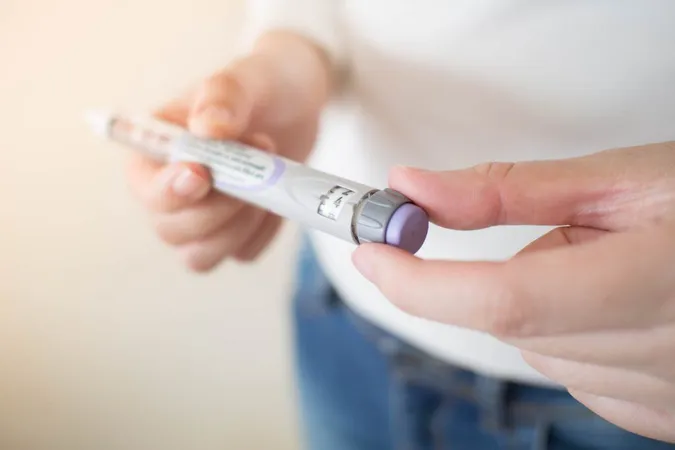
Administering insulin safely and effectively requires a deep understanding of the endocrine system. This includes the pancreas and its functions. The pancreas produces hormones like insulin and glucagon, and enzymes like lipase, protease, and amylase. Insulin plays a crucial role in moving glucose from the bloodstream into cells, providing energy. Glucagon is released when blood sugar levels drop too low.
QMAs (Qualified Medication Aides) must recognize diabetes signs and symptoms. These include frequent thirst, frequent urination, and extreme hunger. There are two main types of diabetes: Type I, where the pancreas doesn't produce insulin, and Type II, where the body produces insulin but doesn't use it effectively.
Understanding Insulin and Blood Glucose Levels
Normal fasting blood glucose levels range from 70 to 110 mg/dL. QMAs must know how to monitor and manage blood sugar levels. They also need to learn how to give insulin injections properly. The training for insulin administration includes classroom and practical training under a licensed nurse.
Before giving insulin, QMAs must pass written and practical exams with 100% competency. They must be supervised by a registered nurse or have insulin administration responsibility delegated to them. Facilities must have procedures for delegating insulin administration and reassessment requirements.
Conclusion
The QMA Insulin Administration Certification is key for medication safety and quality care in long-term care. Qualified Medication Aides (QMAs) need to finish training, pass exams, and keep their certification up to date. This ensures they can give insulin safely and correctly.
Health facilities must have strong procedures and check QMAs' skills in insulin use. It's important for QMAs to learn about the endocrine system, diabetes types, and how to use insulin. This knowledge helps them give top-notch care to residents with diabetes.
By training and certifying QMAs well, long-term care facilities can improve patient safety and outcomes. The QMA Insulin Administration Certification is vital for safe and effective diabetes care in these settings.

The QMA Insulin Administration Certification is for Qualified Medication Aides who want to give insulin. It includes 4-8 hours of classroom learning and 2-4 hours of hands-on practice with a nurse.
What are the prerequisites for the QMA Insulin Administration Certification?
To get the QMA Insulin Administration Certification, you need to be on the QMA registry. Or, you can finish the QMA 100-hour Training Program.
What does the QMA Insulin Administration Certification training involve?
The training has 4-8 hours of classroom learning and 2-4 hours of practical training with a nurse. You must pass a written and practical exam with 100% accuracy.
How are QMAs supervised for insulin administration?
QMAs need to be supervised by an RN. Or, an RN can delegate tasks based on their skills. Facilities must have clear rules for delegation and specific guidelines for insulin use.
What essential knowledge is required for insulin administration?
You need to know about the endocrine system, especially the pancreas. You should also recognize diabetes signs and know the difference between Type I and Type II diabetes.
Why is the QMA Insulin Administration Certification important?
The QMA Insulin Administration Certification is key for safe insulin use in long-term care. QMAs must finish the training, pass exams, and keep their certification up to date through ongoing education.

- +Validates your knowledge and skills objectively
- +Increases job market competitiveness
- +Provides structured learning goals
- +Networking opportunities with other certified professionals
- −Study materials can be expensive
- −Exam anxiety can affect performance
- −Requires dedicated preparation time
- −Retake fees apply if you don't pass
Sample Qualified Medication Aides Insulin Practice Questions
Try these questions from our free Qualified Medication Aides Insulin practice tests. The correct answer and an explanation follow each question.
How often must a QMA renew their certification to continue administering insulin?
- A. Every 5 years
- B. Every 2 years
- C. Every year
- D. Certification renewal is not required
Answer: B. Every 2 years
To maintain their certification and continue administering insulin, Qualified Medication Aides (QMAs) are typically required to renew their certification every two years. This regular renewal ensures that QMAs remain current with best practices, regulations, and any updates in medication administration protocols. It helps maintain a high standard of care and patient safety.
A QMA with an insulin certification is preparing to administer insulin to a resident. The resident's blood glucose level is within the range specified on the sliding scale order. What is the immediate next step for the QMA?
- A. Administer the insulin dose as indicated on the sliding scale.
- B. Contact the licensed nurse to get permission to administer the dose.
- C. Recalculate the dose based on the resident's meal intake.
- D. Administer half the dose and recheck the blood glucose in 15 minutes.
Answer: A. Administer the insulin dose as indicated on the sliding scale.
According to the QMA scope of practice for insulin administration, if the physician's order includes a sliding scale and the resident's blood glucose level falls within a specific range on that scale, the QMA is authorized to administer the exact amount of insulin ordered for that range. No additional authorization from the nurse is required for each administration as long as it follows the physician's specific order.
Under what circumstances must a QMA with insulin certification NOT administer insulin, even if there is a physician's order?
- A. The resident expresses a fear of needles.
- B. The facility's policy on insulin administration by a QMA is not available for review.
- C. The supervising RN is on a scheduled lunch break within the facility.
- D. The blood glucose reading is at the higher end of the prescribed range.
Answer: B. The facility's policy on insulin administration by a QMA is not available for review.
It is the responsibility of the QMA to understand and review the facility's policies and procedures related to insulin administration. If the facility does not have these policies available, the QMA must not administer insulin. This is a critical safety measure to ensure the QMA is acting within the facility's established guidelines which are based on state regulations.
Which of the following topics is generally not included in a QMA’s insulin administration certification training?
- A. The different types of insulin and their effects
- B. Proper subcutaneous injection techniques
- C. Recognizing signs of insulin overdose
- D. Determining insulin dosage based on blood sugar readings
Answer: D. Determining insulin dosage based on blood sugar readings
While QMAs are trained to administer insulin, their scope of practice generally does not include determining insulin dosages. Dosage determination is a complex medical decision typically made by a licensed nurse or physician based on a patient's blood sugar readings, diet, and other medical factors. QMAs follow prescribed orders for insulin administration.
Take the full Qualified Medication Aides Insulin practice test
(QMA Insulin) Qualified Medication Aides Insulin Questions and Answers
How this page was made: written with AI tools and published by Nathan Beja, founder of Practice Test Geeks, who is responsible for its content. Exam facts are checked against the official sources listed below. Not reviewed by a subject-matter expert. Editorial policy
Sources & references
Exam facts on this page (fees, format, dates, passing scores) are checked against these official sources; the date is our last check. Editorial policy
- in.gov — Renewal, retake policy, score validity · verified Oct 2026
- ivytech.edu — Test delivery, eligibility, fees, exam format, passing score, time limit · verified Oct 2026