
Probation Surveillance Officer: Complete Career Overview, Duties, and Requirements
Probation surveillance officer duties, salary, requirements & exam prep. Everything you need to launch your career. 🎯

A probation surveillance officer plays a critical role in the criminal justice system by monitoring individuals who have been placed on probation by a court. Unlike traditional desk-based case managers, surveillance officers spend a significant portion of their time in the field — conducting home visits, checking in with employers, coordinating with law enforcement, and verifying that probationers are complying with the conditions of their supervision. This active, community-embedded role makes it one of the most dynamic positions in corrections and community justice.
The responsibilities of a probation surveillance officer extend well beyond simply checking in on offenders. These professionals are trained to assess behavioral changes, identify early warning signs of non-compliance, and intervene before minor violations escalate into serious criminal activity. They work closely with treatment providers, social service agencies, and other stakeholders to build a comprehensive supervision network around each individual under their watch. This wraparound approach to community supervision has been shown to reduce recidivism rates significantly.
Candidates interested in this career path will find that requirements vary somewhat by state and jurisdiction, but most agencies require at minimum a bachelor's degree in criminal justice, social work, psychology, or a related field. Some jurisdictions will accept an associate's degree paired with substantial relevant experience. Physical fitness standards are commonly enforced because surveillance work demands agility, situational awareness, and the capacity to respond quickly in potentially dangerous field environments.
Salary figures for probation surveillance officers are competitive within the public safety sector. Entry-level positions in most states start between $38,000 and $48,000 annually, while experienced officers with specialized certifications or supervisory responsibilities can earn $60,000 to $75,000 or more. States like California, New York, and Washington tend to offer the highest compensation packages, particularly when pension benefits, overtime pay, and health coverage are factored into total compensation.
One of the most common pathways into this role is through a written civil service examination, which typically covers areas such as criminal justice procedures, behavioral assessment, report writing, and situational judgment. Strong performance on this exam is often the deciding factor in competitive hiring pools. Those who want to learn more about career pathways can explore opportunities as a probation surveillance officer at the federal level, where the U.S. Probation and Pretrial Services System offers some of the most comprehensive roles in the country.
Working as a probation surveillance officer carries a profound sense of civic purpose. Every day, these professionals contribute to public safety by ensuring that court-ordered conditions are upheld, while simultaneously helping individuals navigate reintegration into society. The job demands empathy, firmness, sharp judgment, and an ability to remain calm under pressure — qualities that can be cultivated through both training and real-world experience. The field continues to grow as jurisdictions expand alternatives to incarceration and lean more heavily on community supervision models.
Whether you are just beginning to explore this career or are actively preparing for a civil service exam, understanding the full scope of what a probation surveillance officer does — and what it takes to succeed — is the essential first step. This guide walks through every major aspect of the role, from daily duties and hiring requirements to exam preparation strategies and long-term career advancement opportunities in the supervision field.
Probation Surveillance Officer by the Numbers

Core Duties and Responsibilities of a Probation Surveillance Officer
Surveillance officers conduct unannounced home visits to verify living conditions, check for prohibited items, and confirm compliance with curfew requirements. These visits are a frontline tool for early detection of non-compliance and provide valuable insight into an offender's home environment.
Officers regularly contact employers, treatment programs, and educational institutions to confirm that probationers are meeting court-ordered participation requirements. This verification process ensures accountability and supports offender rehabilitation through structured engagement.
Administering urinalysis and breathalyzer tests is a routine function for surveillance officers monitoring offenders with substance abuse conditions. Officers must follow strict chain-of-custody protocols and document results accurately for court records and case files.
Probation surveillance officers routinely collaborate with local police departments, parole agencies, and federal authorities to share information about high-risk individuals. This interagency cooperation enhances public safety and streamlines responses to violations or new criminal activity.
When probationers breach the terms of their supervision, officers prepare detailed violation reports and may testify before a judge. Accurate, well-documented reports are essential for fair judicial review and appropriate modification or revocation of probation status.
Meeting the educational and hiring requirements for a probation surveillance officer position requires careful planning and often a multi-year investment in education, experience, and professional development. Most county and state agencies post openings through civil service portals, and competitive applicants will have both academic credentials and demonstrated relevant work history before submitting an application. Understanding exactly what agencies look for at each stage of the hiring process gives candidates a meaningful competitive advantage.
The educational baseline for most surveillance officer positions is a bachelor's degree in a relevant discipline. Criminal justice programs are the most directly applicable, but degrees in social work, psychology, sociology, public administration, and even counseling are frequently accepted. The key is that the curriculum should have equipped the candidate with knowledge of human behavior, legal systems, documentation practices, and ethical decision-making. Some agencies also value coursework in substance abuse, mental health, or community corrections specifically.
Beyond education, prior work experience in corrections, law enforcement, social services, or related fields significantly strengthens an application. Many candidates gain this experience through internships during their undergraduate programs, through positions as correctional officers or case aides, or through volunteer work with reentry organizations. Some jurisdictions offer cadet programs that allow candidates to begin working in a supervised capacity while they complete their degrees, providing an accelerated path into full officer status.
Background investigations are a critical and often underestimated part of the hiring process. Applicants undergo thorough criminal history checks, credit assessments, reference interviews, and in many cases polygraph examinations. Any prior felony convictions are typically disqualifying, and even misdemeanor records can raise red flags depending on their nature. Candidates should be fully transparent throughout this process — agencies place enormous weight on integrity, and any attempt to conceal information is viewed as a disqualifying character flaw regardless of the underlying incident.
Physical fitness requirements vary by jurisdiction, but many agencies require candidates to pass a standardized fitness evaluation that may include timed runs, push-ups, sit-ups, and agility courses. The rationale is straightforward: surveillance work takes place in the field, sometimes in unpredictable or physically demanding situations, and officers must be capable of protecting themselves and others. Candidates should begin conditioning well in advance of their application rather than scrambling to meet standards at the last minute.
Written civil service exams are administered at various points in the hiring process depending on the agency. These exams typically assess reading comprehension, report writing, situational judgment, basic arithmetic, and knowledge of probation and parole law. Preparation through practice tests and study guides is strongly recommended. Many candidates find that structured test prep over a period of eight to twelve weeks substantially improves their scores. Resources like those available on PracticeTestGeeks.com are tailored specifically to the content areas tested in these evaluations.
After passing written exams and background checks, candidates typically advance to oral interviews conducted by a panel of current officers and administrators. These interviews probe not just knowledge but decision-making ability, emotional intelligence, and professional demeanor. Interviewers want to see that a candidate can navigate complex interpersonal situations with both firmness and compassion — precisely the balance required when working with individuals on supervision. Thorough preparation, including mock interviews and review of common scenario-based questions, is highly recommended for this stage.
Probation Surveillance Officer Salary, Benefits, and Job Outlook
Probation surveillance officer salaries span a wide range depending on jurisdiction, experience level, and local cost of living. Entry-level positions typically start between $38,000 and $48,000 per year in most states, while mid-career officers with five to ten years of experience commonly earn between $52,000 and $68,000 annually. High-cost states such as California, New York, and New Jersey pay significantly more, with experienced officers in those states often exceeding $80,000 when overtime is included.
Federal probation officers, who operate under the U.S. Courts system, generally earn more than their state and county counterparts. Federal positions are classified under the Judicial Salary Plan, and officers with several years of experience can reach $90,000 or more. Total compensation at the federal level is further enhanced by access to the Federal Employees Retirement System, premium health insurance options, and robust leave programs — making federal roles among the most financially attractive in the supervision field.

Is a Career as a Probation Surveillance Officer Right for You?
- +Strong job security as a public sector position with consistent demand across all 50 states
- +Meaningful work that directly contributes to public safety and individual rehabilitation
- +Competitive salary with predictable step increases and opportunities for overtime pay
- +Comprehensive benefits including health insurance, pension plans, and paid leave
- +Varied daily work combining office documentation with active field operations
- +Clear career advancement pathways into supervisory, specialized, or federal roles
- −High caseloads in many jurisdictions can lead to stress and risk of burnout over time
- −Field work exposes officers to potential physical danger, particularly with high-risk offenders
- −Irregular hours including evening and weekend shifts required for effective surveillance coverage
- −Emotionally demanding work dealing regularly with trauma, addiction, and recidivism
- −Extensive background investigation process can be lengthy and invasive for applicants
- −Documentation and administrative burdens can consume a large share of working hours
Probation Surveillance Officer Exam and Career Preparation Checklist
- ✓Confirm the specific educational requirements for your target jurisdiction before enrolling in or completing a degree program.
- ✓Obtain a bachelor's degree in criminal justice, social work, psychology, or an approved equivalent field of study.
- ✓Gain relevant work or volunteer experience in corrections, social services, law enforcement, or community reentry programs.
- ✓Register for civil service exam notifications through your county or state human resources portal.
- ✓Complete at least 8–12 weeks of structured exam preparation using practice tests and study guides.
- ✓Prepare a comprehensive, honest disclosure of all background information before submitting your application.
- ✓Begin a physical fitness training program to meet agency-mandated fitness evaluation standards.
- ✓Research your specific jurisdiction's hiring timeline and plan your application submission accordingly.
- ✓Prepare for the oral panel interview by reviewing common scenario-based questions and practicing responses.
- ✓Obtain any required certifications such as first aid, CPR, or firearm certification if mandated by your agency.
Situational Judgment Questions Are the Deciding Factor
On most probation officer civil service exams, situational judgment questions carry the greatest weight and pose the steepest learning curve for first-time test-takers. These questions present realistic field scenarios and ask you to select the most appropriate response from a set of plausible options. Consistent practice with scenario-based question banks — ideally mimicking your specific jurisdiction's exam format — is the most effective preparation strategy available.
Understanding what a typical day looks like for a probation surveillance officer helps candidates determine whether the role aligns with their professional goals and personal temperament. The job is rarely uniform — no two days are exactly alike — but there are consistent patterns that define the rhythm of surveillance work. Officers typically split their time between field operations and office-based documentation, with the balance shifting depending on their caseload composition, supervisor directives, and any active violations or emergencies.
Morning routines often begin in the office with a review of alerts, new court orders, and any overnight law enforcement contacts involving supervised individuals. Officers check electronic monitoring systems for GPS violations, missed curfews, or exclusion zone alerts. If a probationer triggered an alert overnight, the officer must respond promptly — which might mean scheduling an emergency home visit, contacting the supervising court, or coordinating with local police. This morning review phase sets the operational priorities for the rest of the day.
Field visits typically occupy the middle portion of the day. Officers travel to probationers' homes, workplaces, treatment programs, and schools, using unmarked or marked vehicles depending on agency policy. During home visits, they observe living conditions, speak with household members, conduct searches when legally authorized, and collect any required documentation such as employment verification letters or treatment attendance records. Officers are trained to remain alert and professional throughout these interactions, balancing a supportive stance with clear enforcement authority.
Documentation is a constant obligation throughout the day. Every contact — whether in person, by phone, or through electronic monitoring — must be recorded in the case management system with accurate timestamps, observed conditions, and any actions taken. Courts rely on these records to evaluate compliance and make decisions about modification or revocation of probation. Officers who maintain thorough, well-organized case files are far better positioned when cases come before a judge, and their documentation quality is frequently evaluated during performance reviews.
Collaboration is a defining feature of the role. Throughout the day, surveillance officers communicate with substance abuse counselors, mental health therapists, housing case managers, and victim advocates. This network of professionals forms the support system around each probationer, and the officer serves as the central coordinator of that network. When one part of the network identifies a concern — say, a treatment counselor noticing increased substance use — the surveillance officer receives that information and decides how to respond within the framework of the court's supervision plan.
Officers working with higher-risk populations may be assigned to specialized units such as gang supervision teams, sex offender management units, or electronic monitoring programs. These assignments require additional training and often involve closer collaboration with law enforcement agencies, more frequent field contacts, and stricter documentation protocols. While more demanding, specialized unit assignments also offer accelerated professional development and often lead to faster career advancement within the agency hierarchy.
The end of the shift usually involves final documentation, case note entry, and briefings with supervisors about significant events. Officers on rotating schedules may hand off active monitoring responsibilities to a colleague covering evening or overnight hours. Even after signing off, many surveillance officers remain reachable for emergency contacts involving their highest-risk cases — a reflection of the around-the-clock nature of effective community supervision and the professional commitment the role demands from its practitioners.

Probation surveillance officer applicants are subject to among the most thorough background investigations in public sector hiring. Any attempt to omit, minimize, or misrepresent prior incidents — even minor ones — is treated as a disqualifying integrity failure, separate from and often more serious than the underlying event itself. Disclose everything and let the hiring agency make its determination; concealment almost always ends the candidacy permanently.
Career advancement opportunities for experienced probation surveillance officers are broader than many people realize when they first enter the field. The most immediate pathway is promotion to Senior Officer or Lead Officer status within the same agency, typically requiring a minimum of three to five years of experience and demonstrated excellence in case management and field operations. These senior roles come with higher pay, mentoring responsibilities, and first priority on specialized unit assignments that align with the officer's skills and interests.
Supervisory positions represent the next major step for officers with leadership potential. A Probation Supervisor manages a team of officers, oversees caseload assignments, reviews violation reports before they are submitted to the court, and serves as the primary point of escalation when field situations become complex. Supervisory roles require strong administrative skills in addition to field competence, and most agencies require candidates to pass a separate supervisory exam or complete a leadership development program before being eligible for promotion.
Some experienced officers transition into training and curriculum development roles, where they design and deliver academy coursework for new hires. This path is particularly well-suited for officers who have accumulated broad field experience, possess strong communication skills, and have a genuine interest in shaping the next generation of supervision professionals. Training roles are typically located at the agency's central administration and involve less field time, which appeals to officers seeking a transition away from intensive street-level supervision.
Federal positions represent one of the most sought-after advancement destinations for state-level surveillance officers. The U.S. Probation and Pretrial Services System operates in each of the 94 federal judicial districts and offers compensation packages, job stability, and professional development resources that surpass most state-level equivalents. Officers applying for federal positions must meet additional requirements set by the Administrative Office of the U.S. Courts, including age restrictions at hiring and specific educational criteria. Detailed information about these roles is available through the federal courts hiring portal and through career guides focused on federal employment.
Academic advancement is another route that some officers pursue in parallel with their field careers. Earning a master's degree in criminal justice, public administration, social work, or a related discipline opens doors to management-track positions, policy analyst roles within correctional agencies, and teaching positions at community colleges and universities. Some agencies offer tuition reimbursement that makes graduate education financially accessible for working officers, particularly when programs offer evening or online course formats compatible with shift work schedules.
Specialization in emerging areas of the field — such as restorative justice facilitation, risk-needs-responsivity assessment, trauma-informed supervision, and electronic monitoring technology — positions officers as subject matter experts whose skills are in increasing demand as agencies modernize their supervision approaches. Officers who invest in these specializations through workshops, certifications, and professional association memberships often find themselves consulted at the agency, district, or even national policy level on best practices in community supervision.
Long-term, the probation surveillance field offers a career that evolves meaningfully over time. Officers rarely feel static — caseload compositions shift, laws change, community needs transform, and new supervision tools are regularly introduced. The combination of frontline human contact, analytical problem-solving, legal knowledge, and community partnership makes this one of the most intellectually engaging careers available in the public safety sector. For candidates with the right disposition, the career offers decades of rewarding, purposeful work with real impact on individuals and communities alike.
Effective preparation for a probation surveillance officer career requires a strategic approach that combines academic study, practical experience, and targeted exam preparation. Candidates who treat the hiring process as a long-term project — beginning preparation one to two years before their target start date — consistently outperform those who begin cramming only after a job posting appears. Building a strong foundation early gives you time to address any gaps in your background, accumulate relevant experience, and practice exam skills without the pressure of an imminent deadline.
One of the most effective preparation strategies is to network with current probation officers in your target jurisdiction. Many experienced officers are willing to speak informally with aspiring candidates about what the job actually involves day-to-day, what the agency looks for in new hires, and what aspects of the civil service exam tend to trip up first-time test-takers. These conversations can yield practical intelligence that no study guide can provide, including information about specific topics that are weighted heavily in local exams and common mistakes made during the oral interview panel.
Practice testing is the single most evidence-backed method for improving civil service exam performance. Research on test preparation consistently shows that active recall through practice questions produces better retention and score gains than passive review of notes or textbooks. Candidates should begin with diagnostic practice tests to identify their weakest subject areas, then focus their study time disproportionately on those areas while maintaining proficiency in areas where they are already strong. Retesting regularly throughout the preparation period helps track progress and adjust the study plan as needed.
Physical preparation deserves as much attention as academic preparation for candidates entering agencies with fitness requirements. A well-designed fitness program implemented six months before the evaluation date allows the body adequate time to adapt and improve without the injury risk that comes from sudden intense training. Cardiovascular endurance, muscular strength, and functional agility should all be trained systematically. Working with a certified personal trainer who has experience preparing law enforcement or corrections candidates can accelerate progress significantly.
Resume and application preparation is often underestimated as a preparation task. Civil service applications are highly standardized but require careful attention to detail — specific formatting, precise job code references, and comprehensive documentation of qualifications. Omitting relevant experience or failing to match your qualifications to the stated requirements in the job posting can result in disqualification before your application is even reviewed. Having a professional career services advisor or an experienced mentor review your application materials before submission is time well spent.
Interview preparation should begin at least four to six weeks before the scheduled oral panel. Practice answering behavioral and situational questions aloud — not just in your head — because verbal fluency under pressure is a skill that must be practiced. Record yourself responding to common interview questions and review the recordings critically. Pay attention to filler words, response length, clarity of logic, and the degree to which your answers reflect the specific values the agency has communicated in its job posting and mission statement.
Finally, take care of your mental and emotional readiness throughout the hiring process. The timeline from initial application to conditional job offer can span six months to over a year in some jurisdictions, and the uncertainty can be stressful.
Maintaining a regular study and fitness schedule, continuing to grow professionally in your current role, and staying connected to a network of peers pursuing similar goals will help sustain your motivation through the long process. The candidates who succeed are rarely the most naturally talented — they are the ones who prepared most consistently and persisted through the process with professionalism and patience.
Probation Officer Questions and Answers

Federal Probation Officer Jobs: Complete Career Guide, Salary, Requirements, and How to Get Hired in 2026

Federal Probation Officer: Complete Career Guide & Requirements

Probation Officer Salary by State: A Comprehensive 2026 Compensation Guide

NYC Probation Officer Exam: Complete Study Guide & Prep Hub 2026

Probation Officer Practice Test PDF (Free Printable 2026)
About the Author
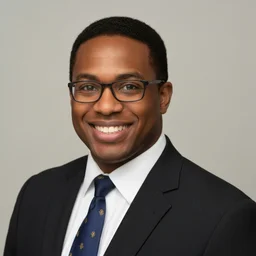
Law Enforcement Trainer & Civil Service Exam Specialist
John Jay College of Criminal JusticeMarcus B. Thompson earned his Master of Arts in Criminal Justice from John Jay College of Criminal Justice and served 12 years as a law enforcement officer before transitioning to full-time academy instruction. He is a POST-certified instructor who has prepared candidates for police entrance exams, firefighter assessments, and civil service examinations across dozens of agencies.