
Private Investigation Companies: How They Work, What They Cost, and How to Choose One in 2026 September
🆕 Compare private investigation companies, learn what a private investigator costs, how licensing works, and how to choose a trusted local PI firm in 2026 September.

When most people search for a private investigator near me, they quickly discover that private investigation companies vary enormously in size, specialty, and price. Some are solo operators working out of a home office, while others are multi-state firms with surveillance teams, forensic accountants, and former law-enforcement consultants. Understanding how these companies are structured, what services they legally provide, and how they bill clients is the first step toward hiring the right firm. This guide breaks down the entire landscape so you can choose with confidence and avoid costly mistakes.
Private investigation companies exist to gather facts that individuals, attorneys, insurance carriers, and corporations cannot easily collect on their own. A reputable firm operates within strict legal boundaries, documenting every observation in a way that holds up in court. The best agencies combine field surveillance with database research, background checks, and interviews. Whether you are dealing with a cheating-spouse suspicion, a workers' compensation fraud claim, or a missing-person case, the agency you hire should match its expertise to the specific outcome you need to reach.
The industry has grown steadily as data has become both more abundant and harder to interpret. Modern firms blend traditional stakeout work with digital forensics, social-media analysis, and skip tracing. A santa monica private investigator serving Los Angeles County, for example, may specialize in entertainment-industry disputes, while a Midwest firm might focus on insurance defense. Recognizing these specialties helps you filter dozens of search results into a short list of agencies actually equipped to solve your particular problem efficiently.
Cost is usually the first question clients ask, and the honest answer is that it depends on scope. Hourly rates in the United States commonly range from $75 to $200, with surveillance-heavy cases costing more because they require multiple investigators and vehicles. Flat-fee packages exist for standardized work like basic background checks. A transparent company will explain its retainer, hourly structure, and expense pass-throughs before you sign anything, so you never face a surprise invoice halfway through your active case.
Licensing and bonding separate legitimate agencies from amateurs. Nearly every state requires a private investigator license, and many also mandate liability insurance or surety bonds that protect clients if something goes wrong. Before you hire, you should verify the company's license number with the appropriate state regulatory board. A firm that hesitates to share its credentials, references, or written engagement terms is a firm to avoid, no matter how impressive its website appears at first glance to you.
This article walks through company types, services, pricing, licensing, and the exact questions to ask during a consultation. It also explains how to verify credentials, what red flags signal an untrustworthy operator, and how the career path works for anyone considering becoming an investigator themselves. By the end, you will understand the industry well enough to evaluate any agency you encounter and to recognize when a firm is genuinely qualified to handle your sensitive, time-critical case with skill.
Private Investigation Companies by the Numbers

Types of Private Investigation Companies
Independent, licensed investigators who handle cases personally. Often affordable and highly responsive, they suit straightforward background checks, locate work, and single-subject surveillance where one experienced operator is genuinely enough for the job.
Small firms of three to ten investigators specializing in a niche such as infidelity, child custody, or insurance defense. They balance personal attention with the manpower needed for multi-investigator surveillance assignments.
Large companies offering surveillance, forensic accounting, digital forensics, corporate due diligence, and expert testimony. They serve law firms and corporations needing scale, multi-state reach, and documented chain-of-custody evidence.
Companies focused on computer forensics, cell-phone extraction, and fraud analytics. They support attorneys with technical evidence and often partner with field-investigation firms on complex litigation matters that demand certified examiners.
In-house or contracted units handling employee misconduct, intellectual-property theft, and supply-chain investigations. They emphasize confidentiality, compliance, and the ability to coordinate closely with legal and HR departments.
The services a private investigation company offers define whether it is the right fit for your case. Surveillance is the most recognizable service, involving discreet observation of a subject's movements, contacts, and routines. Skilled investigators document everything with time-stamped video and detailed logs, building an evidentiary record that attorneys can use. Surveillance is labor-intensive, frequently requiring two or more investigators rotating to avoid detection, which is why it dominates the cost of many infidelity and insurance-fraud cases that clients bring forward.
Background investigations form the backbone of pre-employment screening, tenant vetting, and relationship due diligence. A thorough background check verifies identity, criminal history, civil litigation, professional licenses, and financial liens. Reputable companies pull from court records, proprietary databases, and public filings rather than relying solely on cheap online lookups. The difference matters because automated services miss aliases, sealed records, and out-of-state filings that a trained investigator knows how to surface and confirm through reliable primary sources.
Locate and skip-tracing services help reunite families, serve legal papers, and find debtors or witnesses. Investigators combine database access with old-fashioned legwork, contacting neighbors, employers, and relatives within legal limits. If you need to find private investigators near me who specialize in locating people, ask specifically about their skip-tracing success rate and the databases they use, since access to premium data providers dramatically affects results on difficult, cold-trail cases that have stalled.
Corporate and fraud investigations protect businesses from internal theft, workers' compensation abuse, and intellectual-property leaks. These engagements demand investigators who understand documentation standards, employment law, and the importance of an unbroken chain of custody. A single procedural mistake can render evidence inadmissible, so corporations gravitate toward firms with paralegal support and courtroom experience rather than generalists who primarily handle domestic matters with no exposure to litigation.
Digital forensics has become indispensable as cases increasingly hinge on electronic evidence. Specialized teams recover deleted texts, trace email headers, analyze metadata, and authenticate social-media activity. This work requires certified examiners and validated software so that findings survive cross-examination. When you interview a company, ask whether forensic work is handled in-house or subcontracted, because the quality and accountability of subcontracted labs varies widely across the industry from one provider to the next.
Process serving and courthouse research round out the menu for many firms, especially those tied to legal clients. While these tasks seem mundane, reliable service of process keeps litigation on schedule, and accurate courthouse retrieval uncovers filings that databases miss. A versatile agency that bundles these services can save you from juggling multiple vendors, but only if each service is performed by genuinely qualified staff rather than a single overextended generalist stretched too thin.
Finally, consultation and expert testimony are services that distinguish seasoned firms. Experienced investigators advise attorneys on case strategy, explain surveillance findings to juries, and authenticate evidence on the stand. If your matter is headed for trial, prioritize companies whose investigators have testified before, because courtroom poise and credibility under hostile questioning are skills that only develop through repeated real-world experience inside actual litigation settings over many years.
How Much Does a Private Investigator Cost
Most private investigation companies bill hourly, with rates commonly between $75 and $200 depending on location, experience, and case complexity. Major metro markets and specialized work like forensic accounting sit at the high end, while routine background checks fall lower. Always ask whether the quoted rate is per investigator, since multi-operator surveillance multiplies the cost quickly across a single eight-hour shift.
Beyond the base rate, expect to pay for mileage, equipment, database access fees, and travel time. A reputable firm itemizes these expenses in writing so you can forecast the total. Clarify the minimum billing increment too, because some agencies bill in full-hour blocks while others bill in fifteen-minute units that better reflect the actual time spent working on your matter.

Hiring a Private Investigation Company: Pros and Cons
- +Access to surveillance skills and equipment most people lack
- +Evidence documented to courtroom standards by trained professionals
- +Database access unavailable to the general public
- +Discretion and legal compliance that protect you from liability
- +Time savings on complex locate and background work
- +Expert testimony available if your case goes to trial
- +Objective, third-party findings that strengthen legal claims
- −Hourly rates and retainers can add up quickly
- −Surveillance outcomes are never guaranteed
- −Quality varies widely between licensed and unlicensed operators
- −Some findings may be inadmissible if procedures are flawed
- −Sensitive personal information is shared with a third party
- −Unscrupulous firms may pad hours or hide expenses
Vetting a Private Investigator Near Me: Checklist
- ✓Verify the company's state license number with the regulatory board.
- ✓Confirm liability insurance and any required surety bond are active.
- ✓Ask how many years the lead investigator has worked in the field.
- ✓Request references from past clients or partnering attorneys.
- ✓Get the hourly rate, retainer, and expense terms in writing.
- ✓Clarify whether unused retainer funds are refundable.
- ✓Ask whether forensic work is handled in-house or subcontracted.
- ✓Confirm the investigator has testified in court if trial is likely.
- ✓Check online reviews and Better Business Bureau standing.
- ✓Ensure a written engagement contract defines scope and deliverables.
Always verify the license before sharing case details
An unlicensed operator can render your evidence inadmissible and expose you to liability. Every legitimate firm will provide its license number on request and welcome verification. Treat any hesitation to share credentials as a decisive red flag and move on to a properly licensed agency without delay.
Licensing is the single most important credential separating professional investigation companies from amateurs. Forty-four states plus the District of Columbia regulate private investigators, and the requirements differ significantly. Some states demand thousands of hours of supervised experience, a written exam, fingerprinting, and a background check before issuing a private investigator license. Others maintain lighter requirements but still mandate registration. Hiring an unlicensed operator in a regulated state can jeopardize your case and even expose you to legal consequences as the client who retained them.
Surety bonds and liability insurance add another layer of protection for clients. Many states require investigators to carry private investigator bonds, which guarantee that the investigator operates lawfully and provide a financial remedy if misconduct causes harm. A bond is not the same as insurance; it protects the public, while liability insurance protects the firm. Before hiring, confirm both are current. If you want to understand how bonding works in practice, research private investigator bonds and what they cover in your state.
The licensing process itself reveals a lot about a company's competence. Earning a private investigator license typically involves documenting investigative or law-enforcement experience, passing a jurisprudence exam, and submitting to a criminal-history review. Firms that have navigated this process demonstrate baseline professionalism and accountability. When a company employs multiple licensed investigators, it signals depth and the ability to staff multi-operator surveillance without subcontracting to unvetted freelancers who may not meet the same rigorous standards.
State regulatory boards maintain public databases where you can verify a license in minutes. Searching by the company name or license number confirms the license is active, unexpired, and free of disciplinary actions. This single step filters out a surprising number of fly-by-night operators. If your state publishes complaint histories, review them too, because a pattern of consumer complaints often predicts the kind of service and billing problems you would much rather avoid entirely from the start.
Insurance coverage matters most when surveillance goes wrong. If an investigator causes a car accident while following a subject, or is accused of trespassing or invasion of privacy, adequate liability insurance shields you from being dragged into the fallout. Reputable firms carry errors-and-omissions and general liability policies and will name coverage limits on request. A company that cannot produce a certificate of insurance is asking you to absorb risks that a professional operation would never expect a client to bear.
Continuing education and professional affiliations further distinguish serious firms. Membership in organizations like state PI associations or national investigator bodies indicates a commitment to ethics and ongoing training. While membership alone does not guarantee quality, it correlates with investigators who stay current on changing privacy laws, evolving surveillance technology, and admissibility standards. In a field where the legal landscape shifts constantly, that ongoing learning translates directly into evidence that survives challenges in court.
Finally, understand the boundaries of what a licensed investigator may legally do. Even credentialed professionals cannot wiretap phones, access protected financial records without authorization, impersonate law enforcement, or trespass. A trustworthy company explains these limits up front and declines requests that cross legal lines. If an agency promises results that sound too good to be true, such as guaranteed phone records or bank balances, it is either lying or breaking the law, and either way you should walk away immediately.
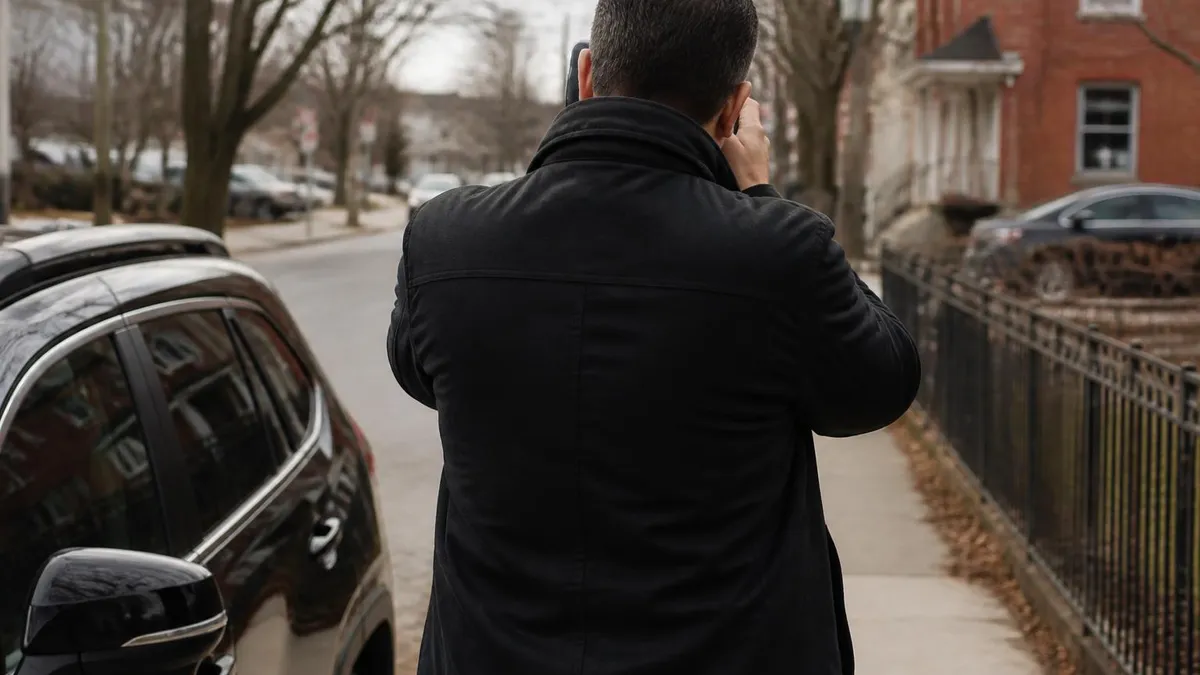
Hiring an unlicensed investigator in a regulated state can make your evidence inadmissible and expose you to civil liability. Always confirm an active license and current insurance before sharing any case details or paying a retainer. When in doubt, contact your state board directly to verify the firm's standing.
Choosing the right private investigation company comes down to matching expertise to your specific need rather than picking the firm with the flashiest website. Start by defining your objective precisely: do you need surveillance, a background check, asset location, or digital forensics? A firm that excels at domestic surveillance may be mediocre at corporate fraud, and vice versa. The most efficient way to narrow your search is to ask each candidate how many cases like yours they have handled in the past year.
Responsiveness during the consultation predicts responsiveness during your case. A professional company returns calls promptly, listens carefully, and asks clarifying questions before quoting a price. Be wary of any firm that quotes a flat fee or guarantees results before understanding your situation. The best investigators set realistic expectations, explain what surveillance can and cannot prove, and decline cases that fall outside their competence rather than overpromising simply to win your business and your retainer.
Geographic coverage matters more than many clients realize. A subject who travels frequently or lives near a state line may require investigators licensed in multiple jurisdictions. National firms or those with reciprocal partnerships handle this seamlessly, while a single-state operator may have to subcontract, adding cost and reducing accountability. Ask explicitly how the company handles cross-jurisdictional work and whether the same investigator stays on your case throughout to preserve continuity and consistent quality of reporting.
Transparency around cost is the clearest signal of integrity. A trustworthy firm walks you through its hourly rate, retainer structure, and expense pass-throughs without prompting, and puts everything in a written contract. If you are weighing whether the investment makes sense, research how much does a private investigator cost for cases similar to yours so you can recognize whether a quote is reasonable or inflated relative to the prevailing market.
Communication style and reporting cadence should suit your needs. Some clients want daily updates; others prefer a single comprehensive report. Clarify how often you will hear from the investigator, in what format findings are delivered, and whether you receive raw video and logs or only a summary. Detailed, well-organized reporting is not just convenient; it is essential if your findings will be used in legal proceedings where documentation quality can ultimately determine the outcome of your matter.
Finally, trust your instincts during the initial conversation. The investigator will handle sensitive, personal information and represent your interests discreetly. If something feels off, if the firm dodges questions about licensing, or if the pricing seems evasive, keep looking. There are thousands of qualified investigation companies across the country, and the few minutes spent vetting two or three candidates will pay off in better evidence, cleaner billing, and far greater peace of mind overall.
Once you have selected a company, a few practical steps make the engagement smoother and more productive. Gather everything you already know about the subject before the first meeting: full legal name, known aliases, last known address, vehicle details, workplace, daily routine, and recent photographs. The more accurate information you provide upfront, the less billable time the investigator spends on basic identification, and the faster they can focus on the surveillance or research that actually answers your central question.
Set clear, written objectives with your investigator so both sides measure success the same way. Vague goals like finding out what is going on waste hours and money. Instead specify outcomes such as documenting whether the subject works while collecting disability, or confirming the subject's residential address for service of process. Concrete objectives let the firm allocate the right number of investigators, choose the appropriate surveillance windows, and tell you honestly whether your goal is achievable within your stated budget.
Understand the legal limits of what your evidence can accomplish. Surveillance can establish patterns and capture behavior, but it cannot read minds or guarantee a confession. In family-law matters, a judge weighs documented behavior, not speculation. Discuss with your attorney and investigator how findings will be used so the work product meets evidentiary standards. Coordinating early prevents the disappointment of collecting compelling footage that ultimately cannot be introduced because of a small but fatal procedural misstep.
Maintain realistic timelines and budgets. Good surveillance often requires several sessions across different days to capture meaningful patterns, since a single shift may yield nothing if the subject stays home. Ask the firm for an estimated range of hours based on similar past cases, and agree on a checkpoint where you reassess progress. This prevents both runaway costs and the frustration of stopping just before the breakthrough that one additional session might have finally delivered for you.
Protect confidentiality on your end as carefully as the firm protects it on theirs. Avoid discussing the investigation on social media, with mutual friends, or anywhere the subject might learn they are being watched. A tipped-off subject changes behavior, destroying the value of surveillance and wasting your retainer. Treat the engagement as strictly need-to-know, and follow your investigator's guidance about what you should and should not do publicly while the case remains active.
If you are considering this field as a career rather than hiring a firm, the path is well defined. Learning how to become a private investigator usually involves gaining investigative experience, meeting your state's licensing requirements, passing an exam, and building a specialty. Private investigator salary figures vary by region and niche, with corporate and legal work generally paying more than domestic cases. Studying for the licensing exam with realistic practice questions is one of the most reliable ways to enter the profession confidently and competitively.
Whether you are hiring a firm or building a career, knowledge is your best protection. Clients who understand pricing, licensing, and procedure get better results and avoid scams, while aspiring investigators who master the fundamentals pass their exams and earn client trust faster. Use the free practice quizzes throughout this guide to test your understanding, and revisit the vetting checklist before you sign any engagement so that every dollar you spend buys genuine, admissible, and actionable results every time.
Private Investigator Questions and Answers

Private Investigator License Requirements by State

Private Investigator Near Me: How to Find, Hire, and Verify a Local PI in 2026

Private Investigator License Florida: Complete 2026 Guide to Class C, CC, and M Licensing Requirements

Private Investigator Jobs: Career Paths and Specializations

Private Investigator License: Requirements, Process and States
About the Author

Educational Psychologist & Academic Test Preparation Expert
Columbia University Teachers CollegeDr. Lisa Patel holds a Doctorate in Education from Columbia University Teachers College and has spent 17 years researching standardized test design and academic assessment. She has developed preparation programs for SAT, ACT, GRE, LSAT, UCAT, and numerous professional licensing exams, helping students of all backgrounds achieve their target scores.