

PMU Practice Test
Updated November 2026Facts verified Nov 1, 2026 against Society of Permanent Cosmetic Professionals (SPCP) — Certified Permanent Cosmetic Professional (CPCP®) exam
The beauty industry has seen a significant shift towards more permanent solutions for cosmetic procedures. One of the most notable trends in recent years is the increasing popularity of Permanent Makeup (PMU). This technique allows individuals to achieve long-lasting cosmetic enhancements such as eyebrow tattoos, eyeliner, and lip shading. However, like any beauty procedure, becoming proficient in PMU requires formal training and certification. In this guide, we’ll explore everything you need to know about Permanent Makeup Certification, including the training, certification process, costs, and online options available for aspiring professionals. Whether you're considering entering the world of PMU or looking to expand your existing skills, this article will help you make informed decisions.
The PMU has 100 questions, takes about 1.5 hours and costs $300[1] (Society of Permanent Cosmetic Professionals (SPCP) — Certified Permanent Cosmetic Professional (CPCP®) exam, verified Oct 21, 2026).
- The SPCP CPCP permanent makeup certification exam has 100 multiple-choice questions.[1]
- Candidates get 90 minutes to complete the SPCP CPCP permanent makeup certification exam.[1]
- A score of 81% is required to pass the SPCP CPCP permanent makeup certification exam.[2]
- The SPCP CPCP permanent makeup certification exam has a $300 USD non-refundable application fee, which also covers the 2-year certification if the candidate passes.[1]
- A candidate who fails the SPCP CPCP permanent makeup certification exam twice must wait a full calendar year before starting the process again.[2]
- The SPCP CPCP permanent makeup certification is valid for two years and must then be renewed.[2]
- To renew the SPCP CPCP permanent makeup certification every two years, holders need a current bloodborne pathogens certificate and at least 12 hours of continuing education in permanent cosmetics.[1]
- The SPCP CPCP permanent makeup certification exam is taken online with a live proctor at flexible times that candidates schedule themselves.[2]
- Candidates for the SPCP CPCP permanent makeup certification exam must show 100 hours of permanent cosmetic education, with at least 65 of them in a classroom, and hold a current SPCP-approved bloodborne pathogens certificate.[1]
Numbers in brackets link to the official sources listed under Sources & last verified. Dates that have passed are removed automatically.
PMU Exam at a Glance
According to Society of Permanent Cosmetic Professionals (SPCP) — Certified Permanent Cosmetic Professional (CPCP®) exam, “The CPCP exam is a 100-question multiple-choice exam and the candidate has 90 minutes to complete it.”[1]
PMU content outline and where to practise each area
The content areas below are copied from the official PMU content outline published by Society of Permanent Cosmetic Professionals (SPCP) — Certified Permanent Cosmetic Professional (CPCP®) exam. The right-hand column shows which of our practice sets covers it.
| Official content area | Practice on this site |
|---|---|
| Anatomy & Physiology[3] | PMU Facial Anatomy & Mapping Learn facial landmarks, muscle movement and how measurements guide placement. |
| Client Management/Documentation[3] | PMU Client Consultation & Aftercare Practise intake, consent, record keeping and the aftercare instructions you give clients. |
| Diseases & Disorders[3] | PMU Skin Types & Pigment Behavior Recognise skin conditions and types that change healing or mean a procedure should be delayed or declined. |
| Infection Control[3] | PMU Sterilization & Infection Control Drill cross-contamination prevention, sterilization, disinfection and handling of sharps. |
| Legal[3] | PMU Business & Legal Compliance Review consent forms, scope of practice, liability and record retention. |
| Pigments/Inks[3] | PMU Color Theory & Pigment Selection Work through undertones, color theory and how pigments change as they heal. |
| Regulations[3] | PMU Sanitation & Safety Practise workplace sanitation and safety rules, then confirm your own local requirements with the authority. |
| Technical Application[3] | PMU Needle Configuration & Machines Practise needle choice, machine settings, depth and technique across brows, eyeliner and lips. |
PMU Practice Test Questions
Prepare for the PMU - Permanent Makeup Certification exam with our free practice test modules. Each quiz covers key topics to help you pass on your first try.
PMU Client Consultation & Aftercare
PMU Exam Questions covering Client Consultation & Aftercare. Master PMU Test concepts for certification prep.
PMU Color Theory & Pigment Selection
Free PMU Practice Test featuring Color Theory & Pigment Selection. Improve your PMU Exam score with mock test prep.
PMU Equipment & Techniques
PMU Mock Exam on Equipment & Techniques. PMU Study Guide questions to pass on your first try.
PMU Eyebrow Design & Microblading
PMU Test Prep for Eyebrow Design & Microblading. Practice PMU Quiz questions and boost your score.
PMU Eyeliner Procedures & Safety
PMU Questions and Answers on Eyeliner Procedures & Safety. Free PMU practice for exam readiness.
PMU Facial Anatomy & Mapping
PMU Mock Test covering Facial Anatomy & Mapping. Online PMU Test practice with instant feedback.
PMU Lip Blush & Liner Techniques
Free PMU Quiz on Lip Blush & Liner Techniques. PMU Exam prep questions with detailed explanations.
PMU Needle Configuration & Machines
PMU Practice Questions for Needle Configuration & Machines. Build confidence for your PMU certification exam.
PMU Pigment Removal Techniques
PMU Test Online for Pigment Removal Techniques. Free practice with instant results and feedback.
PMU Business & Legal Compliance
PMU Study Material on PMU Business & Legal Compliance. Prepare effectively with real exam-style questions.
PMU Touch-Up & Correction Procedures
Free PMU Test covering PMU Touch-Up & Correction Procedures. Practice and track your PMU exam readiness.
PMU Sanitation & Safety
PMU Exam Questions covering Sanitation & Safety. Master PMU Test concepts for certification prep.
PMU Skin Anatomy & Color Theory
Free PMU Practice Test featuring Skin Anatomy & Color Theory. Improve your PMU Exam score with mock test prep.
Worked examples: how to reason through PMU questions
These are practice questions written for this site, not questions from the real exam. Each explanation shows why the right answer is right and why the others are wrong.
Example 1
Question: What type of disinfectant should be used on PMU work surfaces?
- Window cleaner
- Hospital-grade disinfectant
- Alcohol wipes only
- Essential oil spray
Answer: B. Hospital-grade disinfectant
Explanation:
Hospital-grade disinfectant is correct because it is formulated to kill a broad range of bacteria, viruses and fungi, which is what a surface that may meet blood or body fluids needs.
Window cleaner removes dirt and smears but is not made to disinfect. Alcohol wipes alone are a limited choice and do not cover the full range of pathogens a treatment area can carry. Essential oil spray may smell clean, but it makes no reliable disinfecting claim.
The rule to remember: cleaning removes visible soil, disinfecting uses a product labelled for the pathogens of concern, and PMU surfaces call for a healthcare-grade product used as its label directs, between every client.
Example 2
Question: When a conflict arises between standard procedures and a unique situation in Needle Configuration & Machines, what should a PMU professional prioritize?
- Safety and ethical obligations while seeking expert consultation
- Strict adherence to written procedures without exception
- The most cost-effective solution available
- The preference of the client or stakeholder
Answer: A. Safety and ethical obligations while seeking expert consultation
Explanation:
Safety and ethical obligations, with expert input where needed, is correct because a situation the written procedure does not cover is exactly when client wellbeing matters most.
Strict adherence without exception is wrong because a procedure written for usual cases can fail in an unusual one. The most cost-effective solution is wrong because cost must never outrank harm prevention. The client's preference alone is wrong because a client may ask for something that is unsafe or outside your professional standards.
The rule to remember: when procedure and circumstance conflict, pause, put safety and ethics first, and seek advice from someone with relevant experience before continuing.
Example 3
Question: Why is it important to assess a client's skin undertone (warm, cool, neutral) before selecting a lip blush pigment?
- It determines machine speed settings
- Skin undertone affects how pigment heals and the final visible color result
- It has no effect on lip PMU outcomes
- It only matters for skin tones darker than medium
Answer: B. Skin undertone affects how pigment heals and the final visible color result
Explanation:
The correct answer is that undertone affects how pigment heals and the final visible color. The same pigment can look different once healed over a warm undertone than over a cool one, because the skin's own color shows through and blends with the pigment.
Machine speed settings relate to technique and equipment, not undertone. Saying undertone has no effect on lip results is wrong, since lips are strongly influenced by their natural color. Saying it only matters for darker skin is wrong because undertone applies to every client.
The rule to remember: assess undertone and natural lip color before choosing a pigment, and expect the healed result to differ from how the pigment looks fresh.
How to use these practice tests
Begin with the official SPCP pages, so you know the format, the eligibility rules and the content areas. Then use the table above to see which of our sets match each area.
Take one practice set cold, without notes, and record which topics you miss. Do not chase a score at this stage. The aim is to find weak areas. Then spend your study time on those topics using your course material, and retake the sets after a few days to see whether the gaps have closed.
Give extra time to infection control, sanitation and legal questions, since these rest on rules you can learn and apply consistently. For color theory and pigment questions, practise explaining out loud why an undertone changes a healed result.
Read each explanation, including for questions you got right, and note the general rule behind it. Our questions are written by us for practice, so treat them as a way to test understanding, not as a preview of real exam wording.
Close to test day, work in timed conditions that match the 90-minute limit, and aim to be consistently above the 81% pass mark on mixed practice. Check your proctored setup and scheduling details with the SPCP.
Key Takeaways
Free Permanent Makeup Practice Test Online
Permanent Makeup (PMU) is a growing field that offers long-lasting cosmetic enhancements through tattooing techniques.
Proper training and certification are essential for safety and professional credibility in PMU.
Certification courses range in cost, typically between $1,500 to $5,000, depending on the program’s features.
Online certification programs are available, but they must be evaluated for accreditation and hands-on training opportunities.
With proper training, PMU professionals can offer services that enhance clients' features with lasting results.
What Is Permanent Makeup?
Permanent Makeup (PMU) refers to cosmetic tattooing that mimics the look of makeup. PMU can be used to enhance the eyebrows, eyelids, lips, and other areas of the face, offering a long-lasting alternative to traditional cosmetics.
The process involves using a tattooing machine to implant pigments into the skin, typically in the dermal layer, which ensures that the makeup stays in place for an extended period. While results can last between one to three years, touch-ups may be required to maintain the appearance.
Common PMU procedures include:
Eyebrow Tattooing: Defining the shape and enhancing the fullness of the brows.
Eyeliner Tattooing: Creating the appearance of eyeliner along the lash line.
Lip Blushing: Adding color and definition to the lips, creating the look of a soft lipstick.
These procedures offer convenience and a polished look without the need for daily makeup application.
- ✓Review the official PMU exam content outline
- ✓Take a diagnostic practice test to identify weak areas
- ✓Create a study schedule (4-8 weeks recommended)
- ✓Focus on your weakest domains first
- ✓Complete at least 3 full-length practice exams
- ✓Review all incorrect answers with detailed explanations
- ✓Take a final practice test 1 week before exam day
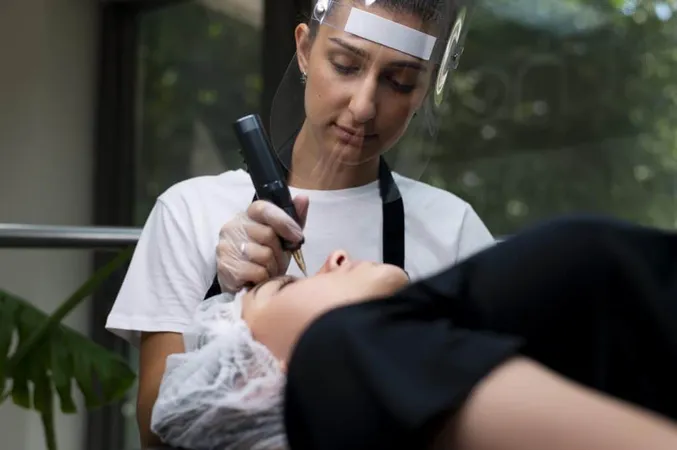
Permanent Makeup Certification Classes: What You Need to Know
Permanent Makeup certification classes are specifically designed to ensure that professionals have the skills and knowledge necessary to perform cosmetic tattooing safely and effectively.
Certification classes typically involve:
Understanding of legal and health regulations: Laws governing PMU practices vary by location, so certification classes often cover essential regulatory knowledge.
Hands-on practice: Instructors guide students in real-world techniques using models, ensuring that students can perform the procedures with precision and confidence.
Safety and sterilization standards: Since PMU involves tattooing, maintaining strict hygiene practices is crucial to avoid infections and complications. Certification programs emphasize infection control measures, such as proper sterilization of tools and disposal of materials.
Graduates of these classes receive certification that verifies their competence in the field, increasing their credibility with clients and employers.
Permanent Makeup Training: The First Step Towards Certification
Before you can become certified in permanent makeup, it's essential to undergo proper training. PMU training programs offer a comprehensive curriculum that covers the technical skills and safety practices required to perform permanent cosmetic procedures. These programs are typically provided by licensed professionals or beauty schools.
Training often includes both theoretical learning and hands-on practice. Instructors will guide students on topics such as:
-
Anatomy and skin types
-
Hygiene and sanitation procedures
-
Techniques for applying makeup (eyebrows, eyeliner, lips)
-
Client consultation and color theory
-
Troubleshooting common issues
Many PMU training programs also include an exam that assesses both knowledge and practical skills. Completing a certified training program is essential for ensuring that you meet industry standards and can safely perform PMU procedures.
Permanent Makeup Certification Cost: How Much Does It Really Cost?
The cost of Permanent Makeup certification can vary depending on several factors, such as the program's length, location, and level of expertise required. On average, you can expect to pay anywhere from $1,500 to $5,000 for a comprehensive certification course.
Factors that influence the cost include:
Location: Programs in large cities or high-demand areas may cost more due to increased operating expenses.
Training duration: Some courses are short-term, while others span several weeks or months, affecting the overall price.
Instructor reputation: Well-known or highly experienced instructors may charge premium rates for their expertise.
Materials and equipment: Some programs include the cost of supplies, while others may charge separately for these materials.
While the upfront cost may seem high, obtaining a PMU certification can be a lucrative investment, given the growing demand for permanent makeup artists.
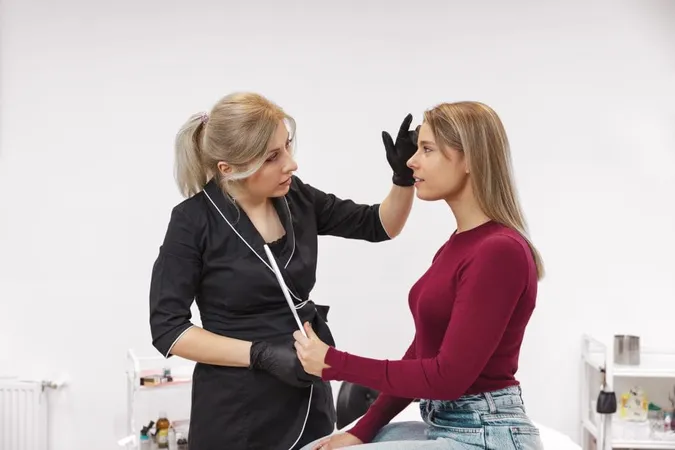
Permanent Makeup Certification Online: Is It a Viable Option?
With the rise of online learning, many aspiring PMU artists are wondering if they can obtain certification through online courses. While online certification programs are available, it’s important to carefully evaluate their quality and accreditation.
Here are some points to consider when opting for online PMU certification:
Accreditation and Legitimacy: Not all online programs are accredited or recognized by state boards. Before enrolling in an online course, make sure it is recognized by relevant industry bodies and complies with local regulations.
Hands-on training: Permanent Makeup requires practical, hands-on experience. While some online programs may offer video tutorials and virtual instruction, they may not provide the same level of hands-on experience as in-person training.
Flexibility and Convenience: Online PMU courses offer flexibility for those with busy schedules or those who live in areas without access to local training programs.
For those who are committed to learning the skills needed to become a certified PMU artist, a hybrid approach (combining online learning with in-person workshops) may be an excellent option.

Conclusion
Pursuing a Permanent Makeup Certification is an investment in your future as a professional in the beauty industry. Whether you’re interested in enhancing your skills or entering the field for the first time, gaining the appropriate training and certification ensures that you are equipped to provide safe, high-quality services to your clients. As the demand for permanent makeup continues to rise, becoming certified offers a unique opportunity to build a rewarding career in the beauty industry.
PMU: Pros and Cons
- +PMU certification validates expertise recognized by employers nationwide
- +Certified professionals typically earn 15-20% higher salaries
- +Opens doors to advanced positions and leadership roles
- +Demonstrates commitment to professional standards and ethics
- +Builds a strong professional network through certification communities
- −Exam preparation typically requires 2-4 months of dedicated study
- −Certification and exam fees can range from $150-$500+
- −Must complete continuing education to maintain active certification
- −Pass rates vary — thorough preparation is essential for success
- −Some certifications require prerequisite experience or education
Pros and Cons at a Glance
| Pros | Cons |
|---|---|
| PMU certification validates expertise recognized by employers nationwide | Must complete continuing education to maintain active certification |
| Opens doors to advanced positions and leadership roles | Pass rates vary — thorough preparation is essential for success |
| Demonstrates commitment to professional standards and ethics | Some certifications require prerequisite experience or education |
Sample Permanent Makeup Certification Practice Questions
Try these questions from our free Permanent Makeup Certification practice tests. The correct answer and an explanation follow each question.
Which facial nerve branch is most at risk during eyebrow PMU procedures due to its proximity to the supraorbital region?
- A. Zygomatic branch
- B. Temporal branch
- C. Buccal branch
- D. Marginal mandibular branch
Answer: B. Temporal branch
The temporal branch of the facial nerve runs through the supraorbital area and can be affected by trauma during eyebrow procedures.
Which standard of practice is MOST important for ensuring quality in Eyebrow Design & Microblading?
- A. Following evidence-based protocols while adapting to specific circumstances
- B. Strictly adhering to the same procedure in every situation
- C. Using the most advanced technology available regardless of need
- D. Minimizing documentation to focus on practical work
Answer: A. Following evidence-based protocols while adapting to specific circumstances
Evidence-based protocols provide a foundation of proven practices, but effective Permanent Makeup professionals must also adapt their approach based on specific circumstances and individual case needs within Eyebrow Design & Microblading.
In Color Theory & Pigment Selection, what is the FIRST step a PMU professional should take when encountering a new case or situation?
- A. Conduct a comprehensive assessment and gather all relevant information
- B. Implement an immediate solution based on past experience
- C. Consult with a supervisor before taking any action
- D. Document the situation and wait for further instructions
Answer: A. Conduct a comprehensive assessment and gather all relevant information
In Color Theory & Pigment Selection, a thorough initial assessment ensures all relevant factors are identified before deciding on an appropriate course of action. This systematic approach is fundamental to Permanent Makeup practice.
Which layer of the skin is responsible for producing new skin cells through mitosis?
- A. Stratum granulosum
- B. Stratum spinosum
- C. Stratum basale
- D. Stratum lucidum
Answer: C. Stratum basale
The stratum basale (basal layer) contains stem cells and keratinocytes that continuously divide to regenerate the epidermis.
Take the full Permanent Makeup Certification practice test
(PMU) Permanent Makeup Certification Questions and Answers
Sources & last verified
- Society of Permanent Cosmetic Professionals (SPCP) — Certified Permanent Cosmetic Professional (CPCP®) exam — number of questions, time limit, exam fee, renewal (official source). “The CPCP exam is a 100-question multiple-choice exam and the candidate has 90 minutes to complete it.” Verified Oct 21, 2026 · source checked Oct 21, 2026.
- Society of Permanent Cosmetic Professionals (SPCP) — Certified Permanent Cosmetic Professional (CPCP®) exam — passing score, retake policy, validity, delivery (official source). “A pass of 81% is required for certification” Verified Oct 22, 2026 · source checked Oct 22, 2026.
- Society of Permanent Cosmetic Professionals (SPCP) — Certified Permanent Cosmetic Professional (CPCP®) exam — other (official source). “anatomy & physiology” Verified Nov 1, 2026.
How we verify: editorial & fact-checking policy. Report an error: contact us.
How this page was made: written with AI tools and published by Nathan Beja, founder of Practice Test Geeks, who is responsible for its content. Exam facts are checked against the official sources listed below. Not reviewed by a subject-matter expert. Editorial policy
Sources & references
Exam facts on this page (fees, format, dates, passing scores) are checked against these official sources; the date is our last check. Editorial policy
- spcp.org — Test delivery, passing score, retake policy, score release, score validity, exam information · verified Nov 2026
- join.spcp.org — Eligibility, fees, exam format, renewal, time limit · verified Oct 2026