

Photosynthesis Practice Test
Updated for September 2026Photosynthesis is key to most life on Earth. This guide explores photosynthesis tests, vital for learning about plants and cells. We’ll cover the basics and advanced ideas in photosynthesis. It’s perfect for students and researchers in plant science.
Photosynthesis Practice Test Questions
Prepare for the Photosynthesis exam with our free practice test modules. Each quiz covers key topics to help you pass on your first try.
Photosynthesis Applications and Implications
Photosynthesis Exam Questions covering Applications and Implications. Master Photosynthesis Test concepts for certification prep.
Photosynthesis Basic Concepts
Free Photosynthesis Practice Test featuring Basic Concepts. Improve your Photosynthesis Exam score with mock test prep.
Photosynthesis Calvin Cycle
Photosynthesis Mock Exam on Calvin Cycle. Photosynthesis Study Guide questions to pass on your first try.
Photosynthesis Carbon Fixation
Photosynthesis Test Prep for Carbon Fixation. Practice Photosynthesis Quiz questions and boost your score.
Photosynthesis Cellular Respiration
Photosynthesis Questions and Answers on Cellular Respiration. Free Photosynthesis practice for exam readiness.
Photosynthesis Chloroplast Structure
Photosynthesis Mock Test covering Chloroplast Structure. Online Photosynthesis Test practice with instant feedback.
Photosynthesis Determinants of Photosynthe...
Free Photosynthesis Quiz on Determinants of Photosynthetic Rate. Photosynthesis Exam prep questions with detailed explanations.
Photosynthesis Energy Conversion
Photosynthesis Practice Questions for Energy Conversion. Build confidence for your Photosynthesis certification exam.
Photosynthesis Environmental Factors
Photosynthesis Test Online for Environmental Factors. Free practice with instant results and feedback.
Photosynthesis Light Reactions
Photosynthesis Study Material on Light Reactions. Prepare effectively with real exam-style questions.
Photosynthesis Photorespiration and C4/CAM...
Free Photosynthesis Test covering Photorespiration and C4/CAM Pathways. Practice and track your Photosynthesis exam readiness.
Photosynthesis Electron Transport Chain
Photosynthesis Exam Questions covering Photosynthesis Electron Transport Chain. Master Photosynthesis Test concepts for certification prep.
Photosynthesis Pigments and Absorption
Free Photosynthesis Practice Test featuring Photosynthesis Pigments and Absorption. Improve your Photosynthesis Exam score with mock test prep.
Key Takeaways
Free Photosynthesis Practice Test Online
- Photosynthesis turns light into chemical energy, like glucose, in plants.
- Chloroplasts and chlorophyll are vital for photosynthesis.
- Photosynthesis has two stages: light reactions in chloroplasts and dark reactions (Calvin cycle) in the stroma.
- Important molecules include carbon dioxide, water, ATP, and NADPH.
- Photosystem I and II, and the electron transport chain, are crucial for light reactions.
- The Calvin cycle, NADPH, and carbon fixation in C3 and C4 plants are advanced topics.
The Fundamentals of Photosynthesis Test and Its Components
Photosynthesis is a key process that supports most life on Earth. At its core are the chloroplasts, tiny parts inside plant cells. These chloroplasts have a special pigment called chlorophyll, which catches light energy from the sun.
Photosynthesis Study Tips
What's the best study strategy for Photosynthesis?
Focus on weak areas first. Use practice tests to identify gaps, then study those topics intensively.
How far in advance should I start studying?
Most successful candidates begin 4-8 weeks before the exam. Create a structured study schedule.
Should I retake practice tests?
Yes! Take each practice test 2-3 times. Focus on understanding why answers are correct, not memorizing.
What should I do on exam day?
Arrive 30 min early, bring required ID, read questions carefully, flag difficult ones, and review before submitting.
Role of Chloroplasts and Chlorophyll
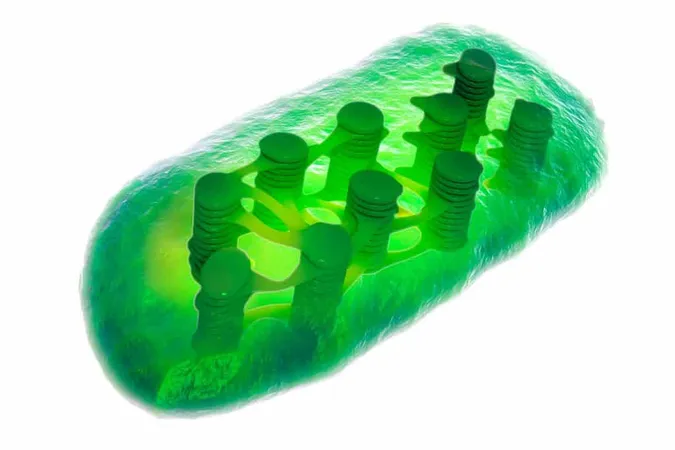
Chloroplasts are where photosynthesis happens, with the thylakoid membrane system inside. Chlorophyll, the green pigment, absorbs sunlight and starts photosynthesis. It turns sunlight into chemical energy for the plant to make glucose.
Understanding Light and Dark Reactions
Photosynthesis has two main parts: the light reactions and the dark reactions, or Calvin cycle. The light reactions happen in the thylakoid membrane and use sunlight to make ATP and NADPH. These are key for the dark reactions.
The dark reactions occur in the stroma of the chloroplast. They use ATP and NADPH from the light reactions to fix carbon dioxide and make glucose.
Key Molecules in Photosynthesis
Many important molecules are part of the photosynthesis equation. These include chloroplasts, chlorophyll, ATP, and NADPH. Together, they turn light energy into chemical energy, making glucose for plant growth and survival.
Photosystem Mechanisms and Electron Transport Chain
At the heart of photosynthesis are the photosystems and the electron transport chain. These parts are key in turning light energy into chemical energy. This process leads to oxygen production and energy storage in ATP and NADPH.
The photosystems are special protein complexes in chloroplasts’ thylakoid membranes. Photosystem I and Photosystem II work together to capture sunlight energy. This energy drives the electron transport chain, a series of reactions that create a proton gradient. This gradient powers ATP synthesis.
When chlorophyll molecules in photosystems get excited by light, they start a chain of electron transfers. This chain ends in oxygen production. This oxygen evolution is vital for life on Earth, as it replenishes our atmosphere’s oxygen.
Studying photosystems and the electron transport chain helps us understand photosynthesis better. This knowledge is not just fascinating. It also opens doors to new energy sources and sustainable farming methods.
| Photosystem Mechanism | Role in Photosynthesis |
|---|---|
| Photosystem I | Responsible for the light-driven excitation of chlorophyll and the generation of high-energy electrons |
| Photosystem II | Involved in the splitting of water molecules, leading to the release of electrons, protons, and oxygen |
Electron Transport ChainFacilitates the flow of electrons, creating a proton gradient that powers the synthesis of ATP
By understanding the intricate mechanisms of photosystems and the electron transport chain, we can gain valuable insights into the energy conversion processes that occur within plant cells during photosynthesis.
Advanced Concepts in Carbon Dioxide Fixation and ATP Synthesis
Photosynthesis is a complex process that plants use to make food from sunlight, water, and carbon dioxide. The Calvin Cycle is a key part of this process. It happens in the dark and uses energy from the light reactions to turn carbon dioxide into organic compounds.
The Calvin Cycle Process
The Calvin Cycle is a series of steps that change carbon dioxide into three-carbon sugar molecules. These molecules are important for plant growth. The enzyme RuBisCO plays a big role in this process, helping plants fix carbon dioxide.
NADPH Production and Utilization
The light reactions of photosynthesis create NADPH, a vital energy source. NADPH helps the Calvin Cycle by providing the energy needed to turn carbon dioxide into organic compounds. This balance of energy is crucial for photosynthesis to work well.
Carbon Fixation in C3 and C4 Plants
Plants have different ways to fix carbon, leading to C3 and C4 plants. C3 plants, like rice and wheat, use the basic Calvin Cycle. C4 plants, such as maize and sugarcane, have a special mechanism to capture more carbon dioxide. This helps them thrive in hot, dry places.
FAQs
What is the role of chloroplasts and chlorophyll in photosynthesis?
What are the light and dark reactions in photosynthesis?

What are the key molecules involved in photosynthesis?
How do photosystems and the electron transport chain contribute to photosynthesis?
What is the Calvin cycle, and how does it contribute to carbon dioxide fixation?
How does NADPH production and utilization contribute to photosynthesis?
- +Validates your knowledge and skills objectively
- +Increases job market competitiveness
- +Provides structured learning goals
- +Networking opportunities with other certified professionals
- −Study materials can be expensive
- −Exam anxiety can affect performance
- −Requires dedicated preparation time
- −Retake fees apply if you don't pass
What are the differences in carbon fixation between C3 and C4 plants?
About the Author

Educational Psychologist & Academic Test Preparation Expert
Columbia University Teachers CollegeDr. Lisa Patel holds a Doctorate in Education from Columbia University Teachers College and has spent 17 years researching standardized test design and academic assessment. She has developed preparation programs for SAT, ACT, GRE, LSAT, UCAT, and numerous professional licensing exams, helping students of all backgrounds achieve their target scores.