

PAP Practice Test
Updated for September 2026The Papanicolaou (PAP) test, commonly known as the PAP smear, is a vital tool in the early detection and prevention of cervical cancer and other abnormalities. It plays a crucial role in women's health by helping healthcare professionals identify potential issues before they develop into serious health conditions. This article will explore key aspects of the PAP test, including HPV testing, cervical cancer screening, and considerations about getting a PAP smear during your period.
PAP Practice Test Questions
Prepare for the PAP - Papanicolaou Test exam with our free practice test modules. Each quiz covers key topics to help you pass on your first try.
PAP Anatomy and Physiology
PAP Exam Questions covering Anatomy and Physiology. Master PAP Test concepts for certification prep.
PAP Prevention of Cervical Cancer
Free PAP Practice Test featuring Prevention of Cervical Cancer. Improve your PAP Exam score with mock test prep.
PAP Research and Advances
PAP Test Prep for Research and Advances. Practice PAP Quiz questions and boost your score.
PAP Applied Methods and Techniques
PAP Questions and Answers on Applied Methods and Techniques. Free PAP practice for exam readiness.
PAP Assessment and Evaluation
PAP Mock Test covering Assessment and Evaluation. Online PAP Test practice with instant feedback.
PAP Communication and Documentation
Free PAP Quiz on Communication and Documentation. PAP Exam prep questions with detailed explanations.
PAP Continuing Education Requirements
PAP Practice Questions for Continuing Education Requirements. Build confidence for your PAP certification exam.
PAP Core Concepts and Principles
PAP Test Online for Core Concepts and Principles. Free practice with instant results and feedback.
PAP Industry Best Practices
PAP Study Material on Industry Best Practices. Prepare effectively with real exam-style questions.
PAP Cytology Interpretation and Reporting
Free PAP Test covering PAP Cytology Interpretation and Reporting. Practice and track your PAP exam readiness.
PAP Specimen Collection and Preparation
PAP Exam Questions covering PAP Specimen Collection and Preparation. Master PAP Test concepts for certification prep.
PAP Professional Standards and Ethics
Free PAP Practice Test featuring Professional Standards and Ethics. Improve your PAP Exam score with mock test prep.
Key Takeaways
Free PAP Practice Test Online
- PAP Smear Essentials: A PAP smear is a diagnostic test that detects changes and abnormalities in cervical cells, which can help prevent cervical cancer.
- HPV Testing Integration: Modern cervical cancer screenings often combine PAP smears with HPV testing for comprehensive evaluation.
- Screening Scheduling Considerations: It’s best to avoid getting a PAP smear during your period to ensure accurate test results.
- Preventive Health Benefits: Regular cervical cancer screening allows for early intervention and treatment, which can save lives.
What Is a PAP Smear?
A PAP smear, or Papanicolaou test, is a diagnostic procedure used to detect abnormalities in the cervix. It analyzes cells collected from the cervix during a pelvic exam to identify signs of cervical cancer, precancerous changes, and other abnormalities. The test is one of the most important preventive measures for women's health and can save lives through early detection and treatment.
PAP Study Tips
What's the best study strategy for PAP?
Focus on weak areas first. Use practice tests to identify gaps, then study those topics intensively.
How far in advance should I start studying?
Most successful candidates begin 4-8 weeks before the exam. Create a structured study schedule.
Should I retake practice tests?
Yes! Take each practice test 2-3 times. Focus on understanding why answers are correct, not memorizing.
What should I do on exam day?
Arrive 30 min early, bring required ID, read questions carefully, flag difficult ones, and review before submitting.
- ✓Confirm your exam appointment and location
- ✓Bring required identification documents
- ✓Arrive 30 minutes early to check in
- ✓Read each question carefully before answering
- ✓Flag difficult questions and return to them later
- ✓Manage your time — don't spend too long on one question
- ✓Review flagged questions before submitting
Purpose of the PAP Smear
- Early Detection of Cervical Cancer: By identifying abnormal cells before they turn into cancer, treatment can be more effective.
- Identification of Precancerous Conditions: Detecting abnormalities early enables preventive measures.
- HPV Infection Detection: HPV (Human Papillomavirus) is a significant cause of cervical cancer, and a PAP smear often includes HPV testing.
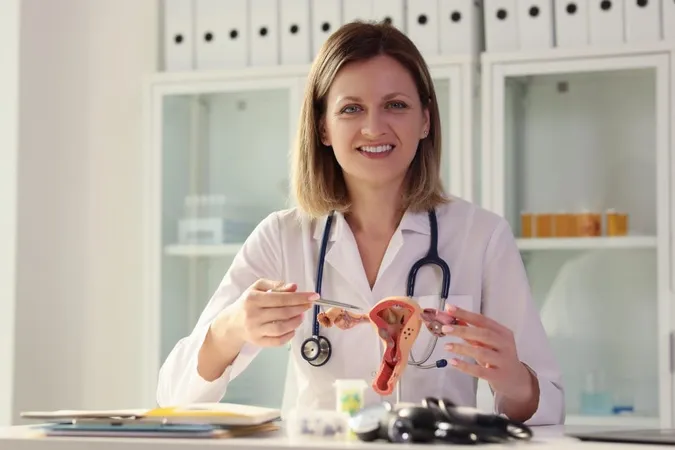
The Importance of HPV Testing in Women’s Health
HPV testing is an essential complement to the PAP smear. The Human Papillomavirus is the primary cause of cervical cancer and can also cause other infections. HPV testing determines the presence of high-risk HPV strains that are linked to cervical cancer.
Why HPV Testing Matters
- Prevention of Cervical Cancer: Early identification of high-risk HPV strains allows for appropriate preventive action.
- Comprehensive Screening Approach: Many PAP smear tests now incorporate HPV testing for better accuracy.
Cervical Cancer Screening: Why It’s Necessary
Cervical cancer screening through a PAP smear is a fundamental aspect of gynecological care & screening, helping detect any abnormal changes in cervical cells before they become cancerous. Screening is not just about early detection—it’s about prevention."
Key Components of Cervical Cancer Screening
- Routine Screening Recommendations: Regular PAP smear tests are typically recommended every 3-5 years depending on age and health history.
- Combination of Tests: Often, cervical cancer screening includes both a PAP smear and HPV testing to ensure comprehensive evaluation.
Healthcare professionals recommend cervical cancer screening as part of routine women's health exams to reduce the risk of cervical cancer significantly. For reliable data and guidelines, visit the National Cancer Institute.
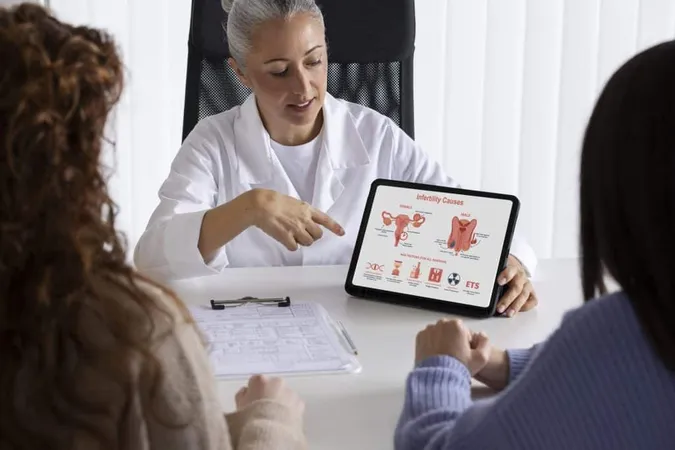
Can You Get a PAP Smear on Your Period?
Many women wonder if they can undergo a PAP smear during their period. While it is usually best to avoid scheduling a PAP smear during menstruation, it is not impossible to do so.
Considerations for Getting a PAP Smear During Your Period
- Accurate Results Might Be Affected: Blood can potentially interfere with the cell collection process, leading to less accurate test results.
- Recommended Scheduling: If possible, healthcare providers recommend scheduling a PAP smear when you are not menstruating (ideally a few days after your period ends).
If you're in doubt about your situation, communicate openly with your healthcare provider. They will offer guidance tailored to your specific health needs and circumstances.

Benefits of Regular PAP Screening
Getting a PAP smear regularly offers multiple advantages for women’s health. Here are some notable benefits:
- Early Detection of Abnormal Cells: Enables effective treatment and minimizes health risks.
- Prevention of Cervical Cancer: Early detection and intervention significantly reduce the risk of developing cervical cancer.
- Improved Health Awareness: Routine screenings promote proactive healthcare and education about women’s reproductive health.
Healthcare professionals often advise women to adhere to screening schedules based on age, sexual activity, and family history. Regular screenings ensure overall reproductive and general health.
Conclusion
The PAP (Papanicolaou) test remains an indispensable tool in women’s health, offering a proactive means to detect and prevent cervical cancer and other reproductive health issues. Understanding its components—such as HPV testing and cervical cancer screening—can empower women to make informed decisions about their health. Scheduling regular PAP screenings and discussing any concerns with healthcare providers ensure optimal health outcomes and long-term well-being.
By prioritizing preventive healthcare through regular screenings and education, women can take control of their health and well-being while reducing the risk of cervical cancer significantly. Don’t hesitate to consult healthcare professionals, ask questions, and access trustworthy health resources to make informed health choices.
- +Validates your knowledge and skills objectively
- +Increases job market competitiveness
- +Provides structured learning goals
- +Networking opportunities with other certified professionals
- −Study materials can be expensive
- −Exam anxiety can affect performance
- −Requires dedicated preparation time
- −Retake fees apply if you don't pass
(PAP) Papanicolaou Test Questions and Answers
About the Author

Certified Professional Development Expert & Niche Certification Advisor
University of Pennsylvania Graduate School of EducationDr. Alexandra Kim holds a PhD in Professional Studies from the University of Pennsylvania and is a Certified Professional in Learning and Performance (CPLP) and Certified Professional in Talent Development (CPTD). With 17 years of corporate training and professional certification advisory experience, she helps professionals navigate specialized, emerging, and cross-industry certification programs.