
OSHA Lead Abatement Regulations: Permissible Exposure Limits, Employer Requirements, and Worker Protections
Learn OSHA lead abatement regulations, permissible exposure limits, employer requirements, and worker protections under 29 CFR 1926.62 and 1910.1025. 🗨️

OSHA lead abatement regulations protect millions of workers across construction, manufacturing, and renovation industries from the serious health hazards associated with lead exposure. Lead remains one of the most tightly regulated substances in the American workplace, and understanding these rules is essential for employers and employees alike. Whether you work in demolition, painting, plumbing, or battery manufacturing, federal standards dictate how lead must be handled, monitored, and controlled on every job site throughout the United States.
The Occupational Safety and Health Administration first established comprehensive lead standards in the late 1970s, and these regulations have been refined multiple times since then. Today, two primary standards govern lead exposure in the workplace. The general industry standard, codified at 29 CFR 1910.1025, applies to manufacturing and other non-construction settings. The construction standard, found at 29 CFR 1926.62, addresses the unique challenges of construction activities where lead disturbance is common, such as bridge rehabilitation and building renovation projects.
Lead poisoning is a cumulative condition, meaning that repeated low-level exposures can build up in the body over time and eventually cause serious damage to multiple organ systems. Health effects range from headaches, fatigue, and joint pain at lower exposure levels to kidney damage, neurological impairment, and reproductive harm at higher concentrations. OSHA has determined that no level of lead exposure is entirely without risk, which is why the permissible exposure limit has been set at a deliberately conservative threshold of 50 micrograms per cubic meter of air.
Employers bear the primary responsibility for ensuring that workers are not exposed to lead above established limits. This includes conducting initial exposure assessments whenever there is reason to believe airborne lead may be present, implementing engineering controls such as ventilation and wet methods to reduce exposure, and providing appropriate respiratory protection when controls alone cannot bring exposure below the action level of 30 micrograms per cubic meter. The cost of compliance is significant, but it pales in comparison to the financial and human cost of lead-related illness.
Workers in the construction industry face particularly high risks because their tasks frequently disturb lead-based paint and other lead-containing materials found in older structures. Activities such as abrasive blasting, torch cutting, welding, and sanding painted surfaces can generate extremely high airborne lead concentrations in a matter of minutes. OSHA recognizes these improved risks by including specific trigger tasks in the construction lead standard that automatically require certain protective measures, regardless of whether air monitoring has been conducted at the site.
Beyond federal OSHA requirements, many states operate their own OSHA-approved state plans that may impose additional or more stringent lead regulations on employers. California, for example, has adopted lower permissible exposure limits and more aggressive medical surveillance requirements through its Cal/OSHA program. Workers and employers should always check their state-specific regulations to ensure full compliance with all applicable standards. Understanding both the federal baseline and any state-level additions is critical for maintaining a safe and legally compliant workplace environment.
This guide covers every aspect of OSHA lead abatement regulations that workers and employers need to understand in detail. From permissible exposure limits and monitoring requirements to medical surveillance programs and recordkeeping obligations, you will find detailed explanations of each regulatory component. We also address common compliance challenges, describe the penalties for violations, and offer practical strategies for creating effective lead exposure control programs that protect workers and satisfy all regulatory requirements simultaneously.
OSHA Lead Regulations by the Numbers
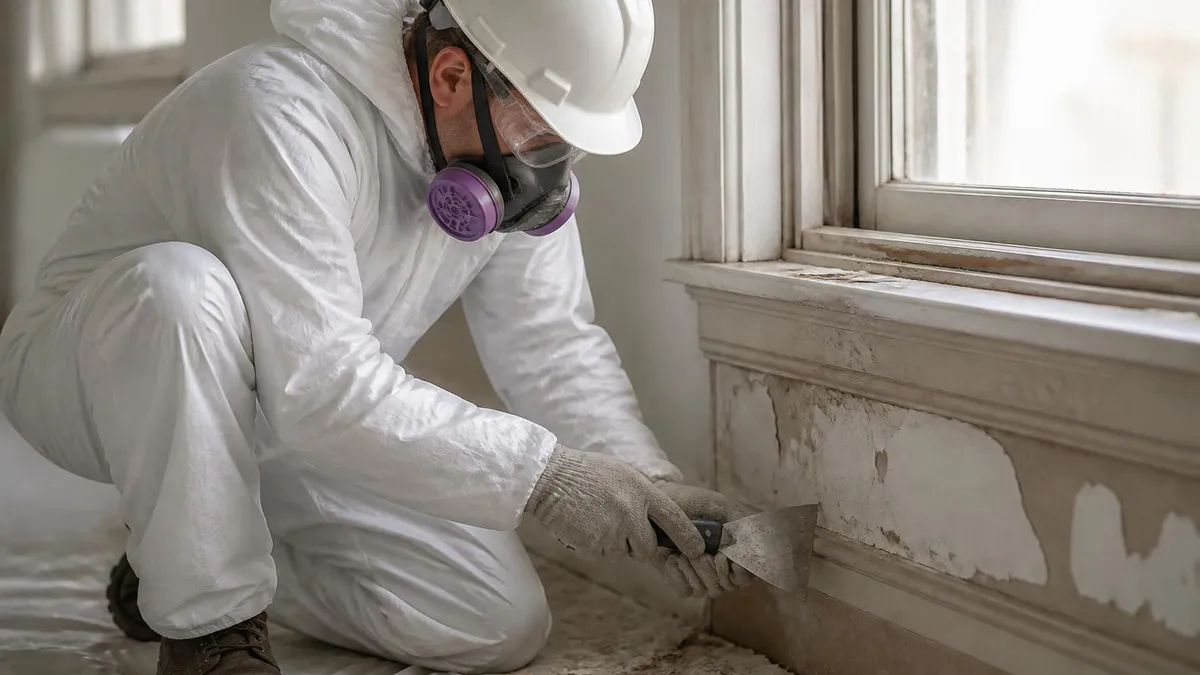
Key OSHA Lead Standards and Their Core Requirements
Governs all construction activities involving lead exposure including demolition, renovation, and bridge rehabilitation. Includes trigger task provisions that presume high exposure levels and mandate immediate protections for workers on site without requiring initial monitoring.
Applies to manufacturing, smelting, battery production, and other non-construction workplaces where lead is processed or handled. Requires comprehensive exposure monitoring programs, medical surveillance, and engineering controls tailored to permanent facility operations.
Works alongside both lead standards to establish respirator selection, fit testing, maintenance, and training requirements. Employers must develop written respiratory protection programs whenever workers need respirators to control lead exposure below permissible limits.
Requires blood lead level testing, zinc protoporphyrin measurements, and comprehensive medical examinations for all workers exposed above the action level for more than 30 days annually. Physicians must issue written fitness opinions for each exposed employee.
Mandates a documented plan describing exposure sources, engineering controls, work practices, respiratory protection, medical surveillance, and emergency procedures. Must be reviewed and updated at least every six months to reflect current workplace conditions and control effectiveness.
OSHA's permissible exposure limit for lead is set at 50 micrograms per cubic meter of air, measured as an eight-hour time-weighted average. This PEL applies to both general industry and construction settings, though the regulatory frameworks differ in how employers must achieve and maintain compliance with this threshold. When airborne lead concentrations exceed this limit, employers must immediately implement corrective actions including enhanced engineering controls, work practice modifications, and mandatory respiratory protection for all affected employees working in the exposure area.
The action level for lead is 30 micrograms per cubic meter, also measured as an eight-hour time-weighted average concentration. This lower threshold triggers important employer obligations even though it falls below the PEL. Once the action level is reached, employers must initiate employee exposure monitoring programs, provide medical surveillance for exposed workers, and begin maintaining detailed exposure records. The action level serves as an early warning system designed to catch rising exposure trends before they reach the more dangerous PEL and cause potential health harm to workers.
Initial exposure determinations are a foundational requirement under both OSHA lead standards that every employer must fulfill. Whenever a workplace process or activity has the potential to generate airborne lead, the employer must conduct an initial assessment to determine each employee's exposure level. In construction, OSHA has simplified this process somewhat by identifying specific trigger tasks that are presumed to create exposures above the PEL unless the employer can demonstrate otherwise through objective data or air monitoring results that show concentrations at lower levels.
Employee exposure monitoring must follow specific protocols established by OSHA to ensure accuracy and legal defensibility. Personal air samples must be collected in the breathing zone of each exposed worker during a full shift, and the samples must be analyzed by laboratories using methods approved by OSHA or equivalent accredited procedures. If initial monitoring reveals exposures at or above the action level, employers must continue periodic monitoring at least every six months. If exposures are at or above the PEL, the monitoring frequency increases to at least every two months until controls bring the levels down.
Medical surveillance is one of the most detailed requirements in the OSHA lead standards and represents a significant employer obligation. Employers must make medical examinations and biological monitoring available to all employees exposed at or above the action level for more than 30 days per year. These examinations must include blood lead level testing, blood zinc protoporphyrin measurements, and a thorough medical history with emphasis on reproductive health, neurological symptoms, and gastrointestinal complaints. The examining physician must provide a written medical opinion addressing fitness for work.
Medical removal protection is a unique feature of the OSHA lead standards that provides significant financial protections for affected workers. When an employee's blood lead level reaches the medical removal trigger of 50 micrograms per deciliter, the employer must remove that worker from lead-exposed duties immediately. During the removal period, the employer must maintain the worker's earnings, seniority, and other employment rights and benefits for up to 18 months while the blood lead level returns to safe concentrations that allow the worker to resume normal duties.
Recordkeeping obligations under the lead standards are extensive and carry unusually long retention periods compared to other OSHA standards. Employers must maintain exposure monitoring records for at least 30 years, and medical surveillance records must be kept for the duration of employment plus an additional 30 years. These long retention requirements reflect the cumulative and long-latency nature of lead-related health effects. Workers and their designated representatives have the right to access these records at any time, and OSHA inspectors may review them during compliance inspections of the workplace.
OSHA Practice Test Questions
Prepare for the OSHA - Safety Certificate exam with our free practice test modules. Each quiz covers key topics to help you pass on your first try.
OSHA Basic OSHA Practice
OSHA Exam Questions covering Basic OSHA Practice. Master OSHA Test concepts for certification prep.
OSHA Confined Space Entry
Free OSHA Practice Test featuring Confined Space Entry. Improve your OSHA Exam score with mock test prep.
OSHA Fall Protection
OSHA Mock Exam on Fall Protection. OSHA Study Guide questions to pass on your first try.
OSHA - Safety Certificate Electrical Safet...
Free OSHA Quiz on OSHA - Safety Certificate Electrical Safety Standards Questions and Answers. OSHA Exam prep questions with detailed explanations.
OSHA - Safety Certificate Emergency Action...
OSHA Practice Questions for OSHA - Safety Certificate Emergency Action and Fire Plans Questions and Answers. Build confidence for your OSHA certification exam.
OSHA - Safety Certificate Hazard Communica...
OSHA Test Online for OSHA - Safety Certificate Hazard Communication Standard Questions and Answers. Free practice with instant results and feedback.
OSHA - Safety Certificate Introduction to ...
OSHA Study Material on OSHA - Safety Certificate Introduction to OSHA Questions and Answers. Prepare effectively with real exam-style questions.
OSHA - Safety Certificate Lockout/Tagout P...
Free OSHA Test covering OSHA - Safety Certificate Lockout/Tagout Procedures Questions and Answers. Practice and track your OSHA exam readiness.
OSHA - Safety Certificate Machine Guarding...
OSHA Exam Questions covering OSHA - Safety Certificate Machine Guarding Requirements Questions and Answers. Master OSHA Test concepts for certification prep.
OSHA - Safety Certificate OSHA Recordkeepi...
Free OSHA Practice Test featuring OSHA - Safety Certificate OSHA Recordkeeping and Reporting Questions and Answers. Improve your OSHA Exam score with mock test prep.
OSHA - Safety Certificate Personal Protect...
OSHA Mock Exam on OSHA - Safety Certificate Personal Protective Equipment (PPE) Questions and Answers. OSHA Study Guide questions to pass on your first try.
OSHA - Safety Certificate Walking and Work...
OSHA Test Prep for OSHA - Safety Certificate Walking and Working Surfaces Questions and Answers. Practice OSHA Quiz questions and boost your score.
OSHA - Safety Certificate Electrical Safet...
OSHA Mock Test covering - Safety Certificate Electrical Safety Standards. Online OSHA Test practice with instant feedback.
OSHA - Safety Certificate Emergency Action...
Free OSHA Quiz on - Safety Certificate Emergency Action and Fire Plans. OSHA Exam prep questions with detailed explanations.
OSHA - Safety Certificate Hazard Communica...
OSHA Practice Questions for - Safety Certificate Hazard Communication Standard. Build confidence for your OSHA certification exam.
OSHA - Safety Certificate Introduction to ...
OSHA Test Online for - Safety Certificate Introduction to OSHA. Free practice with instant results and feedback.
OSHA - Safety Certificate Lockout/Tagout P...
OSHA Study Material on - Safety Certificate Lockout/Tagout Procedures. Prepare effectively with real exam-style questions.
OSHA - Safety Certificate Machine Guarding...
Free OSHA Test covering - Safety Certificate Machine Guarding Requirements. Practice and track your OSHA exam readiness.
OSHA - Safety Certificate OSHA Recordkeepi...
OSHA Exam Questions covering - Safety Certificate OSHA Recordkeeping and Reporting. Master OSHA Test concepts for certification prep.
Lead Standards: Construction vs. General Industry vs. Residential
The construction lead standard at 29 CFR 1926.62 addresses the unique and often unpredictable nature of lead exposure during construction activities. Unlike general industry where processes are relatively stable, construction workers may encounter unexpected lead-based paint, lead piping, or lead-contaminated soil during demolition, renovation, and earthmoving operations. OSHA established specific trigger tasks including manual demolition, abrasive blasting, torch cutting of painted metal, and heat gun paint removal that automatically require full protective measures regardless of initial monitoring results.
Interim protection requirements distinguish the construction standard from its general industry counterpart and provide critical safeguards during the assessment period. Until the employer has completed an initial exposure determination, workers performing trigger tasks must receive respiratory protection at the level specified for each task category. The standard also requires employers to provide protective clothing, change areas, hand-washing facilities, and shower facilities when exposures exceed the PEL. Construction employers must additionally ensure that lunch areas are free from lead contamination and located away from active work zones where lead dust may be present.
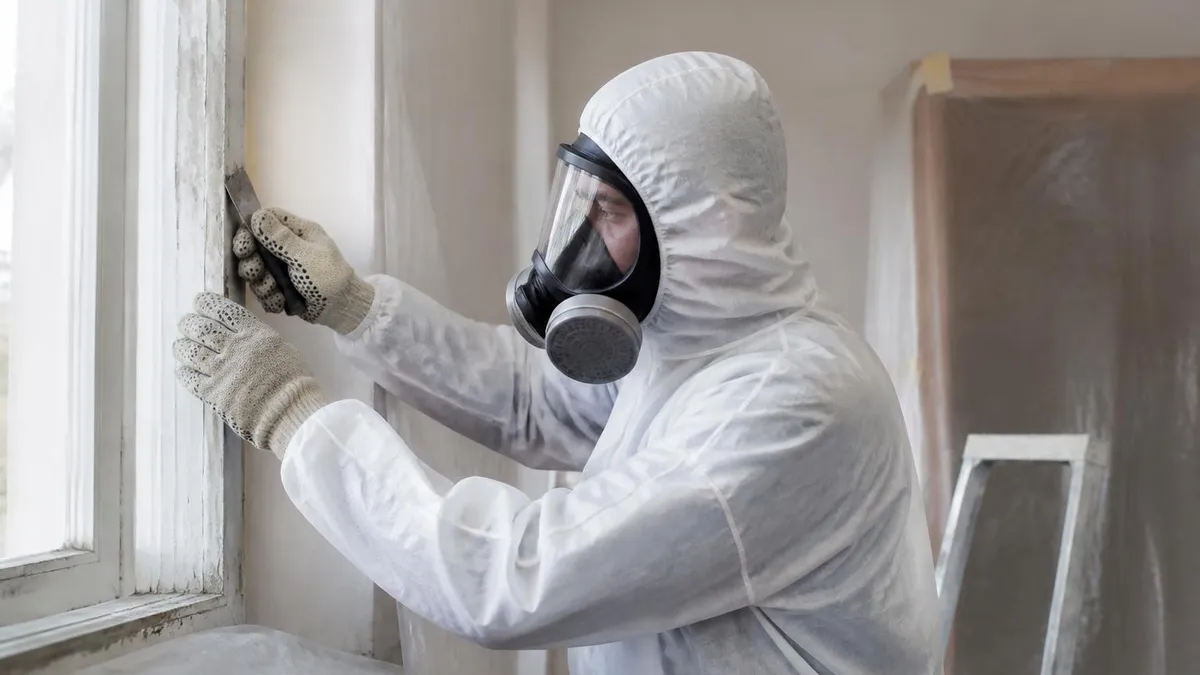
Benefits and Challenges of OSHA Lead Compliance Programs
- +Dramatically reduces worker lead exposure and prevents serious long-term health effects including kidney disease and neurological damage
- +Medical surveillance catches rising blood lead levels early, enabling intervention before clinical symptoms develop
- +Comprehensive recordkeeping creates defensible documentation that protects employers during litigation and regulatory inspections
- +Worker training programs increase awareness and improve voluntary compliance with protective measures across the entire workforce
- +Engineering controls provide permanent exposure reductions that benefit all current and future employees in the work area
- +Medical removal protection ensures workers do not suffer financial hardship while recovering from improved lead levels
- −Initial compliance costs for engineering controls, monitoring equipment, and medical surveillance programs can be substantial for small businesses
- −Extensive recordkeeping requirements for 30-plus years create significant administrative burden and long-term storage challenges
- −Medical removal protection obligations can strain workforce capacity when multiple employees require simultaneous removal from lead-exposed duties
- −Frequent monitoring and fit testing schedules can interrupt production workflows and reduce overall operational efficiency
- −Navigating overlapping federal OSHA, state OSHA, and EPA regulations creates confusion and increases compliance complexity for employers
- −Respiratory protection programs require ongoing investment in equipment, training, fit testing, and medical clearance evaluations
Pros and Cons at a Glance
| Pros | Cons |
|---|---|
| Dramatically reduces worker lead exposure and prevents serious long-term health effects including kidney disease and neurological damage | Initial compliance costs for engineering controls, monitoring equipment, and medical surveillance programs can be substantial for small businesses |
| Medical surveillance catches rising blood lead levels early, enabling intervention before clinical symptoms develop | Medical removal protection obligations can strain workforce capacity when multiple employees require simultaneous removal from lead-exposed duties |
| Comprehensive recordkeeping creates defensible documentation that protects employers during litigation and regulatory inspections | Frequent monitoring and fit testing schedules can interrupt production workflows and reduce overall operational efficiency |
| Worker training programs increase awareness and improve voluntary compliance with protective measures across the entire workforce | Navigating overlapping federal OSHA, state OSHA, and EPA regulations creates confusion and increases compliance complexity for employers |
| Engineering controls provide permanent exposure reductions that benefit all current and future employees in the work area | Respiratory protection programs require ongoing investment in equipment, training, fit testing, and medical clearance evaluations |
OSHA Lead Compliance Checklist for Employers
- ✓Conduct initial exposure determination for all employees who may encounter airborne lead during work activities.
- ✓Implement engineering controls such as local exhaust ventilation, wet methods, and process enclosures to reduce lead exposure.
- ✓Establish a personal air monitoring program using breathing zone samples analyzed by accredited laboratories.
- ✓Develop a written lead compliance program describing all exposure sources, controls, and protective measures.
- ✓Provide medical surveillance including blood lead level testing for all workers exposed above the action level.
- ✓Select, fit test, and maintain appropriate respiratory protection for workers whose exposure exceeds permissible limits.
- ✓Supply protective clothing including coveralls, gloves, and shoe covers and arrange for proper laundering services.
- ✓Designate clean eating and break areas separated from lead-contaminated work zones with adequate washing facilities.
- ✓Train all lead-exposed workers on health hazards, protective measures, and employee rights before initial assignment.
- ✓Maintain exposure monitoring and medical surveillance records for a minimum of 30 years as required by OSHA.
Know Your Medical Removal Triggers
OSHA mandates medical removal when a worker's blood lead level reaches 50 µg/dL. The return-to-work criteria require levels to drop below 40 µg/dL on two consecutive tests. Employers must maintain full earnings, seniority, and benefits during the removal period for up to 18 months. Tracking blood lead trends quarterly allows early intervention before removal becomes necessary.
Engineering controls represent the first line of defense against lead exposure in the workplace, and OSHA requires employers to implement these controls before resorting to respiratory protection or administrative measures. Common engineering controls for lead abatement operations include local exhaust ventilation systems that capture lead dust and fumes at the point of generation, wet methods that suppress dust during activities such as cutting, grinding, and demolition, and enclosed or automated processes that physically separate workers from lead-contaminated environments throughout the duration of the work activity.
Ventilation systems used for lead control must be designed, installed, and maintained by qualified professionals to ensure they provide adequate air movement and filtration efficiency. High-efficiency particulate air filters, commonly known as HEPA filters, are the standard for lead dust collection because they can capture particles as small as 0.3 microns with 99.97 percent efficiency. Employers must establish regular maintenance schedules for ventilation equipment and document all inspections, filter changes, and performance testing to demonstrate ongoing compliance with OSHA requirements and maintain system effectiveness over time.
Respiratory protection programs for lead exposure must comply with both the specific lead standard and OSHA's general respiratory protection standard at 29 CFR 1910.134. Employers must conduct a hazard assessment to select the appropriate type of respirator based on the measured or estimated airborne lead concentration at the work site. Half-face air-purifying respirators with P100 filters are sufficient for exposures up to 10 times the PEL, while higher concentrations may require powered air-purifying respirators, full-facepiece respirators, or supplied-air systems depending on the assigned protection factor needed.
Proper respirator fit testing is mandatory for all workers who must wear tight-fitting respirators during lead abatement work and related activities. OSHA requires either quantitative or qualitative fit testing using approved protocols before the initial use of a respirator, whenever a different size or model is selected, and at least annually thereafter. Workers with facial hair that interferes with the respirator seal are prohibited from wearing tight-fitting devices, and employers must provide alternatives such as loose-fitting powered air-purifying respirators or supplied-air hoods for these individuals to ensure adequate protection.
Protective work clothing and equipment requirements are detailed in the OSHA lead standards and serve to prevent the take-home contamination that can expose family members, particularly children, to lead dust carried on work clothing. Employers must provide and launder protective clothing including coveralls, gloves, shoe covers, and face shields when lead exposure exceeds the PEL. Workers are strictly prohibited from wearing contaminated clothing outside the workplace, and employers must provide change areas and adequate washing facilities to support proper decontamination procedures at the end of each shift.
Housekeeping requirements in lead-exposed work areas are specific and stringent under both OSHA lead standards. OSHA prohibits dry sweeping and compressed air cleaning in areas where lead is present because these methods can re-suspend settled lead dust into the breathable air column. Instead, employers must use HEPA-filtered vacuum cleaners or wet cleaning methods to remove lead contamination from floors, surfaces, and equipment. All surfaces in lead work areas must be maintained as free as practicable of accumulated lead dust, and cleaning schedules must be thoroughly documented as part of the compliance program.
Administrative controls complement engineering measures and include work practice changes such as job rotation to limit individual exposure duration, scheduling high-exposure tasks during periods when fewer workers are present in the area, and implementing rigorous hand-washing requirements before eating, drinking, or smoking. OSHA requires that eating, drinking, smoking, and applying cosmetics be prohibited in lead-contaminated areas, and employers must designate clean break areas where workers can safely consume food and beverages without risk of lead ingestion from contaminated hands or surfaces in the environment.

OSHA can issue willful violation penalties of up to $161,323 per instance for employers who knowingly fail to comply with lead standards. Repeat violations carry the same maximum penalty. In cases where worker death or serious injury results from lead exposure, criminal prosecution and imprisonment of up to six months are possible under the OSH Act. Employers should treat lead compliance as an urgent priority.
OSHA enforcement of lead standards has resulted in some of the largest penalties in the agency's history, reflecting the serious health consequences associated with lead exposure violations in the workplace. In recent years, OSHA has conducted targeted inspection programs focused on industries with historically high lead exposure rates, including battery manufacturing, lead smelting, brass and bronze foundries, and construction demolition operations. Willful violations of the lead standards can result in penalties of up to $161,323 per violation, while serious violations carry maximum penalties of $16,131 each under current federal guidelines.
Compliance inspections for lead typically involve multiple components that can extend over several days or even weeks at larger facilities. OSHA compliance officers will review the employer's written lead compliance program, examine exposure monitoring records and medical surveillance documentation, observe work practices and engineering controls in actual operation, and collect independent air samples to verify the employer's monitoring results. The inspector may also interview workers confidentially to determine whether they have received required training and whether the employer has implemented all mandatory protective measures consistently.
The written lead compliance program is a mandatory document that serves as the foundation of an employer's entire lead exposure control strategy. This program must describe the specific operations and activities that involve lead exposure, identify the engineering controls and work practices that will be used to reduce exposure, specify the respiratory protection measures in place, and outline the medical surveillance program for exposed workers. The program must be reviewed and updated at least every six months to reflect any changes in processes, controls, or exposure conditions at the worksite.
Worker training requirements under the OSHA lead standards are comprehensive and must be provided before initial assignment to lead-exposed work and at least annually thereafter. Training must cover the health effects of lead exposure, the specific operations in the workplace that could generate lead exposure, the purpose and description of the medical surveillance program, the engineering controls and work practices currently in use, the purpose, proper selection, fitting, use, and limitations of respiratory protection, and the contents of the applicable OSHA lead standard itself including all appendices that explain employee rights.
Employee rights under the OSHA lead standards are extensive and include the right to access exposure monitoring results and medical records, the right to observe any monitoring or measuring conducted pursuant to the standard, the right to receive medical examinations and blood lead level testing at no cost, and protection from discrimination or retaliation for exercising these rights. Workers who believe their employer is not complying with lead standards can file a confidential complaint with OSHA, which may trigger an unannounced inspection of the workplace to verify compliance status.
The relationship between OSHA lead standards and EPA lead regulations creates a complex regulatory landscape that employers must navigate carefully to avoid penalties from multiple agencies. While OSHA focuses on worker protection during lead-related activities, the EPA regulates lead-based paint in housing and child-occupied facilities through the Renovation, Repair, and Painting Rule. Contractors who perform both residential renovation and commercial construction must comply with both sets of regulations simultaneously, which often requires separate training certifications, different work practice standards, and distinct recordkeeping systems for each framework.
State OSHA plans may impose additional requirements beyond the federal lead standards that employers must identify and follow. California requires employers to notify Cal/OSHA before beginning any lead abatement project and maintains a lower blood lead level trigger for medical removal than the federal standard specifies. Washington State requires specific lead awareness training for all construction workers, regardless of their expected exposure levels on the job. Employers operating in multiple states should develop compliance programs that meet the most stringent applicable standards to avoid citations and ensure consistent worker protection across all their job sites.
Creating an effective lead exposure control program begins with a thorough assessment of all workplace operations that could generate airborne lead or lead-containing dust in any concentration. Walk through every work area and identify each task, material, and process that involves lead, from obvious sources like lead-based paint removal to less apparent ones such as soldering operations, stained glass work, and electronics recycling activities. Document the frequency and duration of each activity, the number of workers involved, and any existing controls already in place, because this baseline assessment will drive every subsequent decision in your compliance program.
Investing in proper air monitoring equipment and training is essential for maintaining ongoing compliance with OSHA lead standards throughout the year. While many employers rely on third-party industrial hygiene consultants for initial exposure assessments, having in-house monitoring capability allows for more frequent checks and faster response to changing conditions on the ground. Personal air sampling pumps, calibration equipment, and laboratory analysis contracts represent a relatively modest investment compared to the potential costs of OSHA citations, worker compensation claims, and medical removal obligations that can result from undetected overexposures at the worksite.
Developing strong relationships with occupational medicine physicians who understand lead toxicology is a critical but often overlooked aspect of lead compliance programs. The examining physician plays a central role in the medical surveillance program, interpreting blood lead levels, identifying early signs of lead-related health effects, and making recommendations about worker fitness for continued lead-exposed duties. Choose physicians who have specific experience with lead exposure cases and who understand the unique requirements of the OSHA lead standard, including the medical removal protection provisions and the specific return-to-work criteria that must be met.
Training programs for lead-exposed workers should go beyond the minimum OSHA requirements to include practical demonstrations of proper work techniques, hands-on practice with respiratory protection equipment, and clear explanations of why each protective measure matters for long-term health. Workers who understand the biological mechanisms of lead poisoning and can see the direct connection between their daily work practices and their blood lead levels are significantly more likely to follow protective procedures consistently. Consider supplementing annual training with brief toolbox talks before high-exposure tasks and quarterly refresher sessions on critical safety topics.
Maintaining careful records is not merely a regulatory requirement but a powerful tool for evaluating the effectiveness of your lead control program over time and identifying emerging problems early. Track exposure monitoring results, blood lead levels, engineering control performance data, and respiratory protection usage in a centralized database that allows for trend analysis across workers, tasks, and time periods. When blood lead levels begin to rise or air monitoring shows upward trends in certain areas, these records enable early intervention before exposures reach levels that trigger medical removal or invite OSHA enforcement action.
Communication between employers, workers, and their representatives is fundamental to successful lead exposure management in any workplace setting. Establish regular channels for reporting concerns about lead exposure, including anonymous reporting options for workers who may fear retaliation from supervisors. Conduct periodic program reviews that include worker feedback on the effectiveness and practicality of engineering controls, respiratory protection, and hygiene practices. The most effective lead compliance programs treat workers as active partners in exposure control rather than passive recipients of employer-imposed rules and restrictions throughout the work process.
Planning for emergencies and unexpected high-exposure events is an important element of comprehensive lead management that many employers unfortunately overlook until a crisis occurs. Develop specific procedures for responding to situations such as unexpected disturbance of lead-containing materials during renovation or demolition, failure of ventilation or other engineering controls during active lead work, and accidental releases of lead-containing materials in occupied areas. Emergency procedures should include immediate evacuation protocols, post-incident exposure assessment procedures, and communication plans for notifying affected workers and OSHA when required by regulation.
Sample OSHA Safety Certificate Practice Questions
Try these questions from our free OSHA Safety Certificate practice tests. The correct answer and an explanation follow each question.
What does the term 'permissible exposure limit' (PEL) refer to in OSHA regulations?
- A. The maximum allowable concentration of a substance in workplace air
- B. The maximum number of hours an employee can work per shift
- C. The minimum ventilation rate required in enclosed spaces
- D. The required distance from hazardous machinery
Answer: A. The maximum allowable concentration of a substance in workplace air
A PEL is the legal limit for a worker's exposure to a chemical substance or physical agent in workplace air.
An employer discovers that employees are exposed to silica dust above the permissible exposure limit. What is the employer's FIRST obligation?
- A. Provide respirators immediately and take no further action
- B. Implement engineering controls to reduce exposure
- C. File a report with the EPA
- D. Terminate the affected employees' assignments
Answer: B. Implement engineering controls to reduce exposure
OSHA's hierarchy of controls requires employers to first implement engineering controls such as ventilation or wet methods before relying on PPE.
If a worker provides their own PPE, what remains the employer's duty?
- A. Nothing further
- B. Ensuring the PPE is adequate and properly maintained
- C. Refunding the worker
- D. Banning personal PPE
Answer: B. Ensuring the PPE is adequate and properly maintained
Even with employee-owned PPE, the employer must ensure it is adequate, maintained, and sanitary.
An employee is initially trained on the company's Emergency Action Plan (EAP) when hired. A year later, they are promoted to a new role which includes responsibilities for shutting down critical equipment during an evacuation. According to 29 CFR 1910.38(f), what must the employer do?
- A. Provide a written copy of the updated plan to the employee.
- B. Review the EAP with the employee to cover their new responsibilities.
- C. Wait for the annual company-wide EAP review session.
- D. Verbally confirm the employee has read the EAP on their own.
Answer: B. Review the EAP with the employee to cover their new responsibilities.
OSHA 29 CFR 1910.38(f)(2) requires an employer to review the Emergency Action Plan with each employee when that employee's responsibilities under the plan change. Simply providing a copy or waiting for an annual review is not sufficient; the employer must actively review the plan and the new duties with the employee.
OSHA Questions and Answers

OSHA Approved Hard Hats: Complete 2026 Guide to ANSI Z89.1 Compliance, Types, and Workplace Requirements

OSHA Logo: What It Means and How to Spot the Real Thing

OSHA.gov: Your Complete Guide to the Official OSHA Website

OSHA 510: Course Content, Path to Trainer, and Realistic Path

How to Get OSHA 10 Certified: Complete 2026 Guide to Enrolling, Passing, and Receiving Your DOL Card
About the Author

Certified Safety Professional & OSHA Compliance Expert
Indiana University of Pennsylvania Safety SciencesDr. William Foster holds a PhD in Safety Science from Indiana University of Pennsylvania and is a Certified Safety Professional (CSP) and Certified Hazardous Materials Manager. With 20 years of occupational health and safety management experience across construction, manufacturing, and chemical industries, he coaches safety professionals through OSHA certification, CSP, CHST, and safety management licensing programs.
Join the Discussion
Connect with other students preparing for this exam. Share tips, ask questions, and get advice from people who have been there.
View discussion (8 replies)