
OSHA Heat Requirements: Complete Guide to Workplace Heat Safety Standards, Employer Obligations, and Worker Protections
OSHA heat requirements explained: employer obligations, heat illness prevention, water/rest/shade rules & worker protections. ✅ Full 2026 September guide.
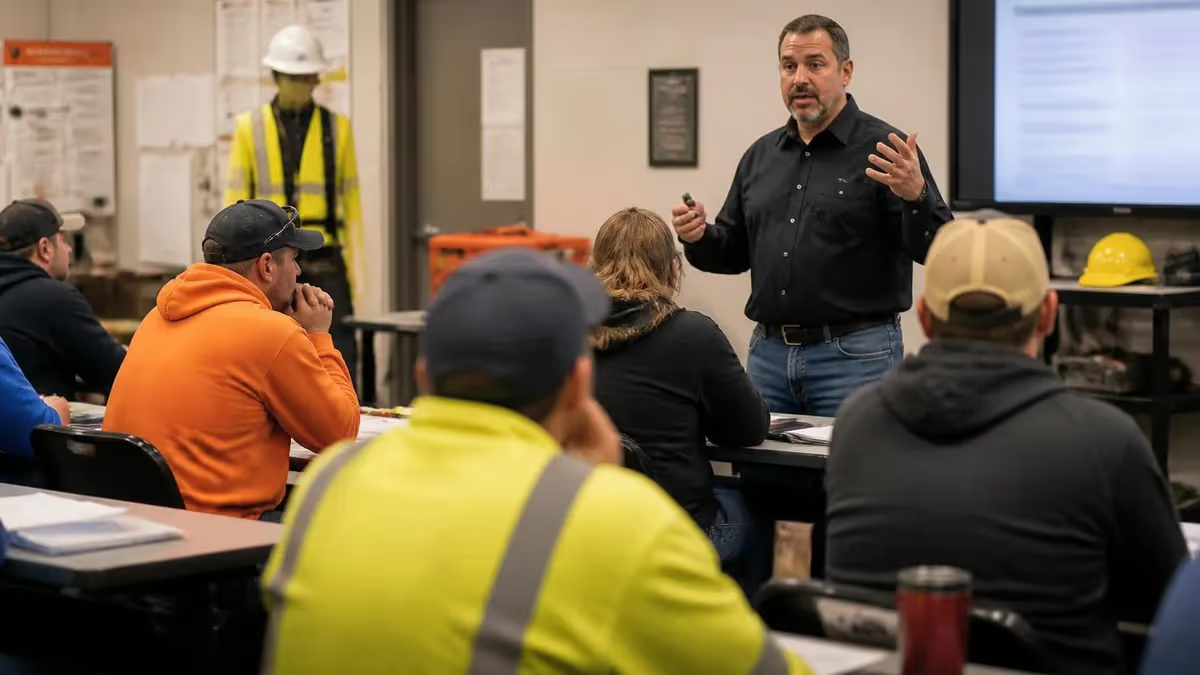
Understanding OSHA heat requirements is essential for every employer and worker operating in high-temperature environments across the United States. Heat illness is one of the most preventable occupational hazards, yet the Bureau of Labor Statistics reports dozens of heat-related worker fatalities and thousands of serious injuries every year. OSHA has developed a robust framework of heat safety guidance that applies to outdoor worksites, indoor manufacturing floors, kitchens, foundries, and any environment where elevated temperatures threaten worker health. Knowing these requirements keeps workers safe and helps employers avoid costly citations.
The foundation of OSHA's approach to heat safety rests on the General Duty Clause of the Occupational Safety and Health Act, which requires every employer to furnish a workplace free from recognized hazards likely to cause death or serious physical harm. Although OSHA has been developing a dedicated heat illness prevention rule — officially proposed in 2024 — existing enforcement authority already gives inspectors broad power to cite employers who fail to protect workers from dangerous heat exposure. This regulatory momentum makes heat compliance more urgent than ever before.
OSHA's heat illness prevention campaign centers on three core pillars: water, rest, and shade. Every worker exposed to high heat conditions must have access to cool drinking water at no cost, regular rest breaks in cooler environments, and shaded areas when working outdoors. These simple interventions dramatically reduce the risk of heat cramps, heat exhaustion, and the life-threatening condition known as heat stroke. Employers who implement these measures consistently see measurable reductions in heat-related incidents and associated workers' compensation costs.
The risk of heat illness does not affect all workers equally. New employees and workers returning from extended absences are especially vulnerable because their bodies have not yet adapted to working in the heat — a physiological process called acclimatization that takes seven to fourteen days. Responsible employers build structured acclimatization schedules into their onboarding plans, gradually increasing new workers' exposure to heat over the first two weeks on the job. Skipping this step is a leading cause of heat fatalities among construction and agricultural workers each summer.
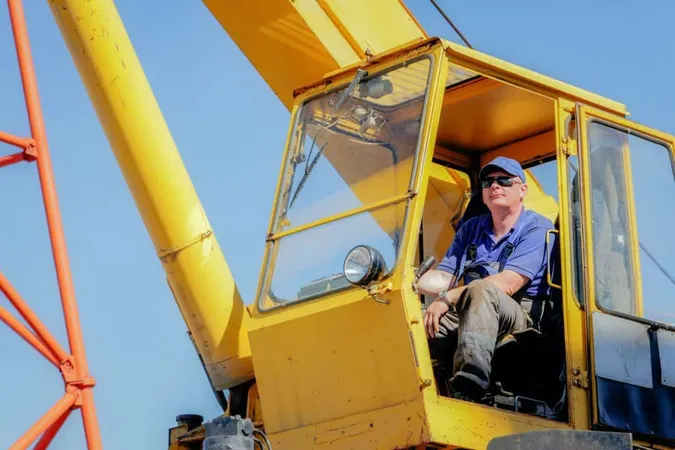
For crane operators and other heavy equipment professionals, heat safety carries an added dimension of risk. Operating heavy machinery in extreme heat impairs concentration, reaction time, and decision-making — all critical cognitive functions for safe crane operation. Cab temperatures can exceed outdoor ambient temperatures by 20 degrees Fahrenheit or more when air conditioning fails or is absent.
OSHA inspectors evaluating construction sites increasingly assess heat hazards alongside standard equipment safety checks, so crane operators must understand heat requirements as thoroughly as load chart calculations and signal communication protocols. Crane professionals interested in broader osha heat requirements across different industries will find significant overlap in the core prevention strategies.
Heat-related illness progresses rapidly and can become fatal within minutes if not recognized and treated promptly. Heat cramps are the mildest form, characterized by painful muscle spasms usually in the legs or abdomen. Heat exhaustion follows, with symptoms including heavy sweating, weakness, cold or pale skin, a fast and weak pulse, nausea, and possible fainting. Heat stroke is the most severe stage, marked by a body temperature above 103 degrees Fahrenheit, hot and red skin, rapid and strong pulse, and potential loss of consciousness. Every worker must be trained to recognize these signs and know when to call emergency services.
OSHA's enforcement data consistently shows that heat-related citations cluster around a handful of preventable failures: no access to drinking water, no shade or cooling areas, inadequate worker training, absence of an emergency response plan, and failure to monitor new workers during acclimatization. Employers who proactively address each of these areas not only protect their workers but also significantly reduce their exposure to OSHA penalties, which can reach $16,131 per serious violation and $161,323 per willful or repeated violation under current penalty schedules. Building a comprehensive heat illness prevention program is both a moral obligation and sound financial management.
OSHA Heat Requirements by the Numbers

Core OSHA Heat Safety Requirements Every Employer Must Meet
Employers must provide cool, potable drinking water at no cost to workers. OSHA recommends at least one quart of water per worker per hour. Water stations must be located close to the work area so workers can drink frequently without disrupting operations.
Workers must receive adequate rest breaks in cool or shaded environments. The frequency and duration of breaks should increase as heat index rises. Employers cannot penalize workers who take necessary breaks to prevent heat illness symptoms from worsening.
Outdoor workers must have access to shade whenever the temperature exceeds 80 degrees Fahrenheit. Indoor workers in hot environments need access to cooling stations. OSHA inspectors verify that shaded areas are large enough to accommodate all workers during breaks.
New and returning workers must be gradually introduced to heat over seven to fourteen days. A structured acclimatization schedule reduces the risk of heat stroke during the period when the body is most vulnerable. Supervisors must monitor new workers closely throughout this phase.
Every employer must have a written emergency response plan for heat illness, including procedures for calling 911, providing first aid, and contacting emergency services. Workers must be trained on this plan before beginning work in hot environments each season.
Employer obligations under OSHA heat requirements extend well beyond simply providing water and shade. A fully compliant heat illness prevention program begins with a formal written plan that identifies heat hazards specific to each worksite, establishes monitoring protocols, assigns responsibilities to supervisors, and outlines training requirements for all employees. OSHA's Heat Illness Prevention campaign provides free templates and resources to help employers build these plans, but the employer bears ultimate responsibility for implementation and ongoing verification that the plan is actually being followed in the field.
One of the most critical employer obligations is conducting regular worksite assessments using the Heat Index — a combined measure of temperature and relative humidity that reflects how hot conditions actually feel to the human body.
OSHA's Heat Index Risk Levels classify conditions as lower risk (below 91°F), moderate risk (91–103°F), high risk (103–115°F), and very high to extreme risk (above 115°F). At each level, specific precautions are required, ranging from basic hydration reminders at the lower end to mandatory work-rest schedules, buddy systems, and continuous monitoring at the extreme end. Using a calibrated thermometer and a heat index chart or OSHA's free mobile app is a straightforward way to stay compliant.
Supervisor training is a non-negotiable component of any OSHA-compliant heat safety program. Supervisors must be able to recognize all stages of heat illness, understand the factors that increase risk (including medications, medical conditions, and substance use), know when to remove a worker from a hot environment, and understand how to administer basic first aid while awaiting emergency services. OSHA expects supervisors to actively observe workers throughout the day, not merely post a sign reminding workers to drink water. A supervisor who notices a worker exhibiting confusion, slurred speech, or loss of coordination must treat that as a medical emergency immediately.
Worker training is equally important and must be conducted before workers are exposed to heat hazards, not after an incident occurs. Effective heat safety training covers how to recognize the warning signs of heat illness in oneself and coworkers, the importance of acclimatization, how to use any personal protective equipment such as cooling vests or reflective clothing, and the right to report symptoms without fear of retaliation. OSHA's anti-retaliation provisions under Section 11(c) of the OSH Act protect workers who refuse to work in conditions they reasonably believe pose imminent danger, including extreme heat situations where appropriate safeguards are absent.
Recordkeeping requirements apply to heat-related illnesses just as they do to other occupational injuries. Employers covered by OSHA's recordkeeping rule must record heat-related illnesses on their OSHA 300 Log when the illness results in days away from work, restricted work or job transfer, medical treatment beyond first aid, or loss of consciousness. These records help OSHA identify patterns and target enforcement resources toward industries and employers with elevated heat illness rates. Accurate recordkeeping also protects employers by demonstrating a good-faith effort to track and address workplace health hazards systematically.
Personal protective equipment (PPE) for heat is an often-overlooked layer of protection. While engineering controls (air conditioning, ventilation, insulated equipment cabs) and administrative controls (break schedules, acclimatization) take precedence, PPE including cooling vests, moisture-wicking clothing, wide-brimmed hats, and sunscreen can meaningfully reduce heat stress. Employers must assess the PPE needs of their workers based on job tasks and environmental conditions. Heavy PPE such as chemical-resistant suits dramatically increases heat burden, and workers wearing such gear require shorter work cycles and more frequent breaks than workers in standard clothing.
Monitoring weather forecasts is a proactive compliance measure that leading employers incorporate into their daily operations. When a National Weather Service heat advisory or excessive heat warning is issued for a region, employers should activate the high-risk or very high-risk level protocols from their heat illness prevention plan immediately.
Pre-planning for hot weather events — including pre-positioning extra water, verifying that cooling areas are functional, and confirming that supervisors are trained and in place — makes the difference between a well-managed hot day and a preventable fatality. OSHA inspectors increasingly ask for evidence of proactive weather monitoring when investigating heat illness incidents.
Heat Illness Types, Symptoms, and OSHA-Recommended Responses
Heat cramps are the earliest and mildest form of heat illness, typically presenting as painful muscle spasms in the legs, arms, or abdomen. They occur when workers sweat heavily and lose significant amounts of sodium and other electrolytes without adequate replacement. OSHA guidance recommends that workers experiencing heat cramps stop all physical activity immediately, move to a cool location, drink water or a sports beverage containing electrolytes, and avoid returning to strenuous work for several hours. Most workers recover fully with rest and rehydration.
Employers should take heat cramp incidents seriously as an early warning signal that heat conditions on the worksite may be exceeding worker tolerance. When multiple workers report cramping on the same day, supervisors should reassess work-rest schedules, verify that water and electrolyte supplies are adequate, and consider modifying job assignments to reduce exertion during the hottest part of the day. Workers with a history of heart problems should seek medical evaluation before returning to heavy work after any heat illness episode, including cramps.
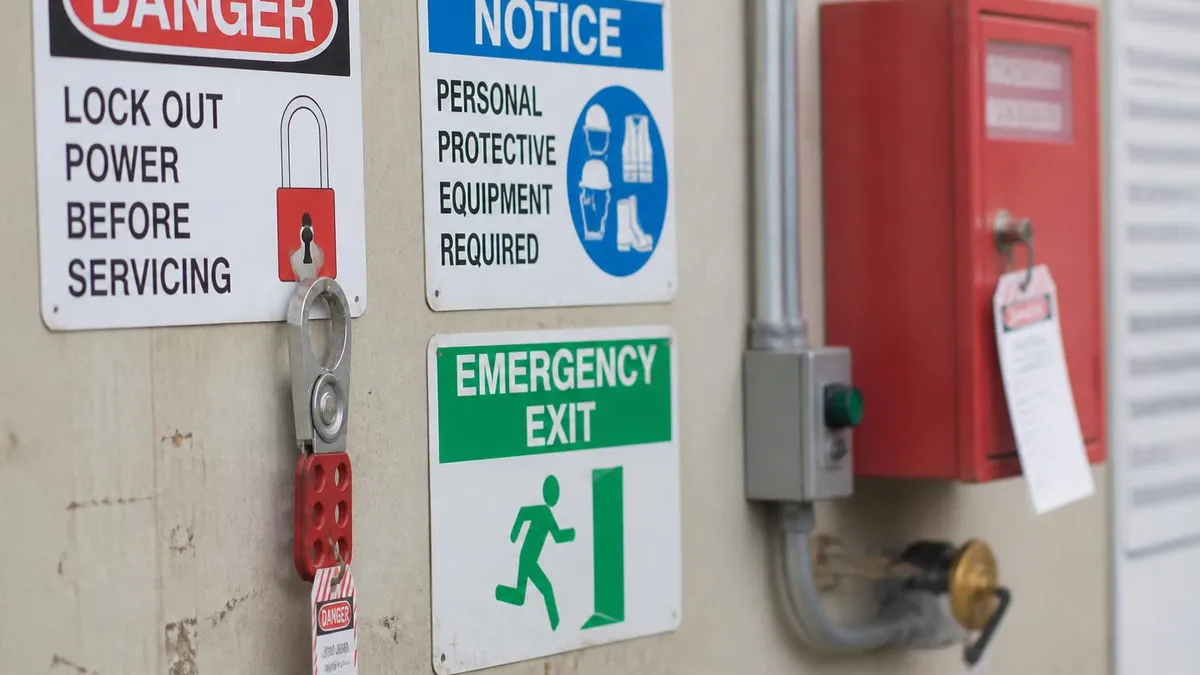
Implementing a Formal OSHA Heat Illness Prevention Program: Benefits and Challenges
- +Dramatically reduces worker heat illness incidents, injuries, and fatalities through systematic prevention
- +Protects employers from OSHA citations and financial penalties that can reach $161,323 per willful violation
- +Reduces workers' compensation claims and associated insurance premium increases over time
- +Improves worker morale, productivity, and retention by demonstrating genuine commitment to employee safety
- +Positions the employer favorably if OSHA conducts an inspection following a heat-related incident
- +Creates a documented compliance record that demonstrates good-faith efforts to address heat hazards
- −Requires upfront investment in water stations, cooling equipment, shade structures, and PPE supplies
- −Demands dedicated supervisor training time that temporarily reduces operational productivity
- −Acclimatization schedules slow onboarding of new workers and may create short-term labor gaps
- −Requires ongoing monitoring and plan updates as heat index forecasts and worksite conditions change daily
- −Small employers may struggle to fund comprehensive programs without dedicated safety personnel
- −Workers may resist mandatory rest breaks if paid on piece-rate or productivity-based compensation structures
OSHA Heat Safety Compliance Checklist for Employers and Supervisors
- ✓Provide cool, potable drinking water at no cost — at least one quart per worker per hour in high-heat conditions.
- ✓Establish shaded or air-conditioned rest areas accessible to all workers when outdoor temperatures exceed 80°F.
- ✓Implement and document a structured acclimatization schedule for all new and returning workers over 14 days.
- ✓Train all employees to recognize symptoms of heat cramps, heat exhaustion, and heat stroke before the season begins.
- ✓Train all supervisors to monitor workers, authorize emergency breaks, and administer heat illness first aid.
- ✓Develop a written Heat Illness Prevention Plan specific to each worksite and keep it accessible on-site.
- ✓Monitor the daily Heat Index using OSHA's app or a calibrated thermometer and humidity gauge before each shift.
- ✓Activate high-risk protocols immediately when a National Weather Service heat advisory is issued for your region.
- ✓Post the emergency response plan prominently and verify all supervisors know how to call 911 and apply first aid.
- ✓Record all heat-related illnesses on the OSHA 300 Log and report hospitalizations or fatalities within required timeframes.
New Workers Face the Highest Risk
OSHA data consistently shows that the majority of heat fatalities occur within the first three to five days of a worker's exposure to a hot environment. The body needs seven to fourteen days to fully acclimatize to heat stress. Employers who skip structured acclimatization schedules for new hires — even temporarily to meet production deadlines — dramatically increase their legal exposure and put their workers at life-threatening risk.
For crane operators working on construction sites, shipyards, and industrial facilities, OSHA heat requirements intersect directly with equipment safety obligations in ways that create compounding risks. An overheated crane operator experiences reduced cognitive function, slower reaction times, impaired judgment, and potentially blurred vision — all of which are catastrophic deficits in a profession where a delayed response or miscalculation can drop a multi-ton load onto workers below. Heat stress effectively compromises the very competencies that the OSHA crane operator certification exam tests, making heat safety not merely a wellness concern but a core operational safety requirement.
The crane cab environment presents unique thermal challenges that set it apart from general outdoor work. Even on a day with a moderate ambient temperature of 85 degrees Fahrenheit, a metal crane cab exposed to direct sunlight can reach interior temperatures of 100 to 115 degrees Fahrenheit within an hour.
Hydraulic system heat, engine radiant heat, and the greenhouse effect of cab glass all compound the problem. OSHA expects employers and equipment operators to assess cab temperature as part of the pre-operational safety inspection, and a malfunctioning air conditioning unit should be treated as a serious safety defect that grounds the crane until repairs are complete.
Communication failures represent a secondary heat-related hazard for crane operations. As heat exhaustion sets in, workers on the ground struggle to concentrate on signaling duties, may forget standardized hand signal sequences, or may misread signals from an overheated signal person. Radio communication quality can also deteriorate as heat-fatigued workers become less precise and deliberate in their verbal instructions. OSHA's signal communication requirements assume a baseline level of cognitive function in all personnel involved in a lift — a baseline that extreme heat can erode quickly and without obvious warning signs until an incident occurs.
Pre-shift safety briefings on hot days should explicitly cover heat-related risks alongside standard hazard reviews. A competent person on a crane operation site should assess weather conditions, identify workers at elevated risk (new employees, those with known medical conditions, workers in heavy PPE), and adjust the day's work schedule to move heavy lifts to the cooler morning hours where possible. Scheduling flexibility is often the single most effective heat control measure available to supervisors, as it eliminates the hazard rather than merely managing it. OSHA inspectors view evidence of proactive scheduling adjustments favorably when investigating heat incidents.
Buddy systems are particularly valuable in crane operations during hot weather because crane operators and signal persons often work in relative isolation from other crew members. A buddy system ensures that each worker has a designated colleague who checks in at regular intervals, watches for early heat illness symptoms, and is authorized to call for a break or emergency assistance. This simple administrative control costs nothing to implement and directly addresses one of the most dangerous aspects of heat illness — the impaired self-awareness that prevents affected workers from recognizing their own deteriorating condition and seeking help.
Engineering controls for crane cab heat include aftermarket air conditioning systems, ventilation fans, reflective cab covers, and window tinting. Where these are not available or not functioning, administrative controls become more critical: shorter work cycles, frequent cab exits for cooling breaks in a shaded rest area, and prohibition on operating the crane once cab temperatures exceed safe thresholds.
OSHA does not specify a precise cab temperature limit in current standards, but enforcement under the General Duty Clause applies whenever cab conditions are severe enough to impair safe operation. Employers who document their heat monitoring and control measures are better positioned to demonstrate compliance during inspections.
Riggers, signal persons, and ground crew supporting crane operations are at least as vulnerable to heat illness as the crane operator, and in many cases more so because they are working under direct sun exposure without the partial shelter of a cab. These workers must be integrated into the site's heat illness prevention plan with equal attention to water access, rest breaks, and training.
A signal person who collapses from heat exhaustion mid-lift creates an immediate operational crisis that could result in an unguided load — a scenario that has contributed to crane fatalities in OSHA incident reports. Comprehensive heat safety planning treats all members of the lift team as equally critical to the safe completion of the operation.

OSHA published a proposed Heat Illness Prevention in Outdoor and Indoor Work Settings rule in 2024, which would create specific mandatory requirements for water, rest breaks, shade, acclimatization, heat monitoring, and emergency response plans. While the final rule has not yet been published, OSHA continues to enforce heat hazards aggressively under the General Duty Clause. Employers who build compliant programs now will face minimal disruption when the final rule takes effect and will have documentation demonstrating their proactive commitment to worker safety.
OSHA's proposed Heat Illness Prevention rule, if finalized, would mark the most significant expansion of heat safety regulation in the agency's history. The proposed rule would apply to all employers under OSHA jurisdiction whose workers are exposed to heat at or above an initial heat trigger of 80 degrees Fahrenheit and a high heat trigger of 90 degrees Fahrenheit.
At the initial trigger, employers would be required to provide water, rest, and shade along with a basic heat illness prevention plan. At the high heat trigger, additional measures including mandatory rest breaks, a buddy system, and supervisor monitoring would kick in. Understanding these proposed thresholds helps employers plan compliance investments now.
Indoor workplaces are explicitly included in OSHA's proposed heat rule — a significant expansion from the outdoor-focused enforcement that has historically dominated heat illness cases. Warehouses, bakeries, laundries, foundries, commercial kitchens, and glass manufacturing facilities are among the indoor environments where ambient temperatures routinely exceed the proposed triggers. Employers in these sectors who have not historically prioritized heat safety will need to conduct comprehensive hazard assessments, install engineering controls such as ventilation and spot cooling, and implement administrative controls including flexible scheduling and mandatory hydration breaks. The compliance investments required are substantial but predictable with advance planning.
The proposed rule also includes provisions for heat illness and injury recordkeeping, training documentation, and emergency response planning that go beyond current General Duty Clause enforcement expectations. Employers would be required to document their heat monitoring data, training completion records, and any heat illness incidents in a format accessible to OSHA during inspections.
Digital logging systems that capture daily temperature readings, worker sign-off on hydration breaks, and incident reports will likely become standard compliance tools once the rule is finalized. Employers who invest in these systems before the rule takes effect will have a significant head start on competitors who wait.
State-plan states have the authority to adopt heat standards that are at least as protective as the federal OSHA standard. California, for example, has had mandatory heat illness prevention regulations for outdoor workers since 2005 under Title 8, Section 3395 of the California Code of Regulations, and extended those regulations to indoor workers in 2024. Washington state also has comprehensive outdoor heat rules. Workers in these states benefit from more detailed and strictly enforced requirements. Employers operating across multiple states should benchmark their programs against the strictest applicable state standard to ensure uniform protection and simplified compliance management.
The economic argument for heat safety investment is compelling and well-documented. Research published by the National Institute for Occupational Safety and Health (NIOSH) estimates that heat-related productivity losses cost U.S. employers billions of dollars annually in reduced output, increased error rates, higher absenteeism, and elevated turnover. Workers in high-heat environments who are well-hydrated, appropriately rested, and acclimatized consistently outperform their peers on measures of physical output, cognitive accuracy, and job satisfaction. The return on investment from a comprehensive heat illness prevention program typically exceeds its costs within a single season of implementation for high-heat industries like construction, agriculture, and manufacturing.
International comparisons offer useful benchmarks for U.S. employers seeking to exceed minimum compliance thresholds. The European Union's Framework Directive on Safety and Health at Work requires member states to address heat as a physical risk factor, and countries including Germany, France, and Sweden have established workplace cooling entitlements that include mandatory air conditioning thresholds and paid cooling breaks during heat waves.
While U.S. federal standards have historically lagged behind European requirements, the proposed OSHA heat rule signals a convergence toward international best practices. Forward-thinking U.S. employers who adopt European-style heat management now are positioned as employers of choice in a competitive labor market where worker safety culture increasingly influences job-seeker decisions.
For workers who want to review broader osha heat requirements that apply in food service and hospitality settings — where kitchen heat, high humidity, and fast-paced work create a perfect storm of heat illness risk — OSHA's guidance materials provide industry-specific checklists and training resources. Restaurant employers, hotel kitchen managers, and catering operators face the same General Duty Clause obligations as construction and manufacturing employers, and the same structured approach to water, rest, cooling areas, acclimatization, and emergency response applies equally across all sectors.
Building a practical, day-to-day heat safety culture requires more than writing a plan and checking compliance boxes. The most effective employers treat heat safety as a dynamic, real-time management responsibility rather than an annual training obligation. This means equipping supervisors with smartphone access to OSHA's Heat Safety Tool app, which provides real-time heat index readings and risk level classifications based on current weather data for any U.S. location. Supervisors who start each shift by checking the app can make immediate, informed decisions about work scheduling, hydration reminders, and rest break frequency before conditions deteriorate.
Peer-to-peer heat safety accountability is one of the most powerful cultural interventions available to employers. When experienced workers actively look out for their newer colleagues — offering water, prompting rest breaks, and watching for early symptoms — the burden of monitoring shifts from being exclusively a supervisor responsibility to a shared team value.
Employers can reinforce this culture by recognizing workers who report heat illness concerns early, by ensuring that no worker faces any form of retaliation for slowing down during heat stress, and by publicly sharing data on heat illness prevention successes. Transparent communication about safety outcomes builds trust and encourages open reporting.
Personal risk factor awareness is an often-neglected component of heat safety training. Certain common medications significantly increase heat illness risk by impairing sweating, reducing thirst sensation, or affecting cardiovascular function. These include antihistamines, diuretics, beta-blockers, antidepressants, and antipsychotic medications. Workers taking these medications may not recognize their elevated vulnerability. OSHA guidance recommends that employers include medication awareness in heat safety training without requiring workers to disclose private medical information — framing it as a general health and safety consideration that each worker should discuss with their healthcare provider before working in high-heat conditions.
Physical fitness and heat acclimatization work synergistically to reduce heat illness risk. Workers with higher cardiovascular fitness acclimatize more quickly and maintain safer core temperatures during exertion. Employers who provide access to fitness resources, encourage workers to stay active in the off-season, and support return-to-work programs after illness are investing in their workforce's baseline heat tolerance.
Hydration habits outside of work hours also matter significantly: workers who arrive at the job site already mildly dehydrated — a common condition after consuming alcohol, caffeine, or insufficient fluids the prior evening — face substantially higher heat illness risk from the first hour of their shift.
Heat safety planning must account for the specific tasks and microclimates within a worksite, not just the overall ambient conditions. A worker shoveling asphalt in direct sunlight faces dramatically different heat stress than a worker in the same facility operating equipment in a shaded area with cross-ventilation.
Worksite heat maps — informal assessments of which specific locations and tasks generate the highest heat exposure — help supervisors allocate rest breaks, rotate workers through hot and cooler assignments, and prioritize placement of water stations and shade structures. This granular approach to heat management is characteristic of high-performing safety programs and is increasingly what OSHA compliance officers look for during comprehensive inspections.
Hydration strategy deserves more sophisticated attention than the standard reminder to drink water. Workers should begin each shift fully hydrated, which means consuming adequate fluids in the hours before work begins. During work, OSHA recommends drinking approximately one cup (8 ounces) of water every 20 minutes rather than consuming large quantities all at once.
Sports drinks containing sodium and potassium can be valuable supplements during prolonged sweating, as pure water consumption without electrolyte replacement can paradoxically dilute sodium levels and cause a condition called hyponatremia. Supervisors should be aware of this risk and ensure that a variety of hydration options are available during extended high-heat operations.
Documentation and continuous improvement complete the heat safety management cycle. After each heat event or near-miss, employers should conduct a structured review that answers five key questions: What were the conditions at the time? What controls were in place? What failed or was insufficient? What corrective action will be taken? And when will the corrective action be verified as effective?
These post-incident reviews, when consistently documented and acted upon, transform individual incidents into organizational learning. Employers who maintain this discipline over multiple seasons develop increasingly sophisticated and effective heat illness prevention programs, ultimately achieving the goal of zero heat-related worker injuries on their sites.
OSHA Questions and Answers
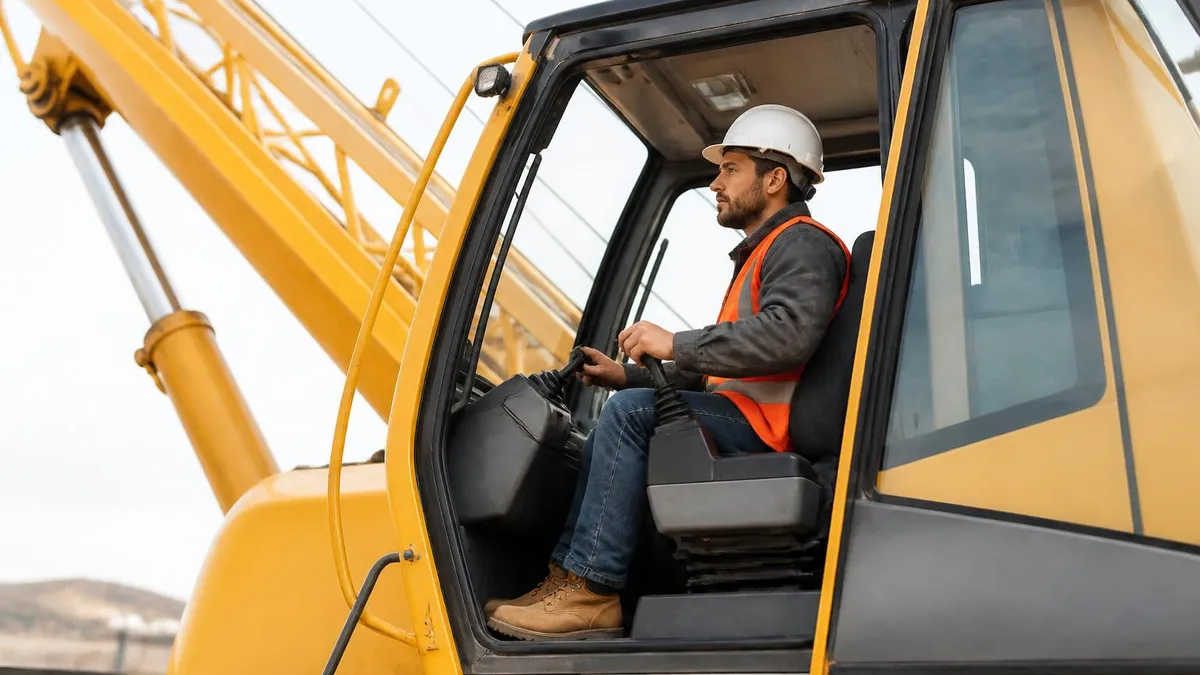
OSHA Restaurant Safety: Complete Guide to Workplace Compliance, Hazard Prevention, and Employee Training for Food Service Operations
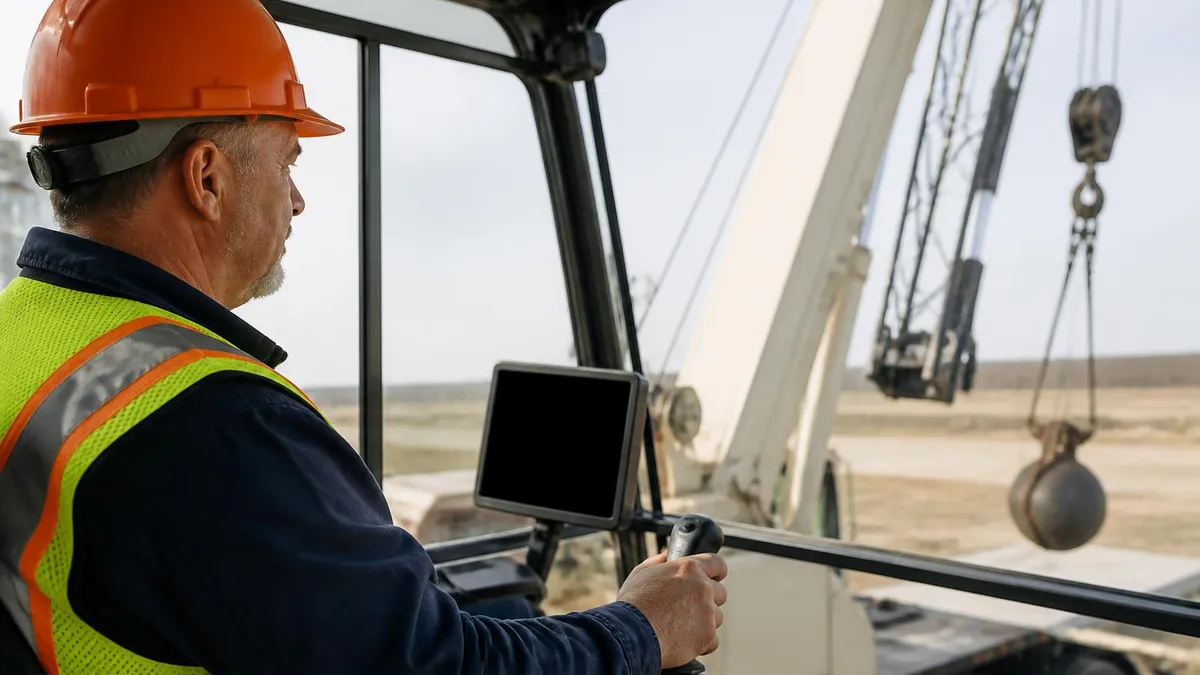
360 Training OSHA 10: Complete Guide to Online OSHA 10-Hour Construction and General Industry Certification Courses
OSHA (OSHA Certified Crane Operator) Test Guide

OSHA 100: Complete Guide to Crane Safety Awareness Training and Certification

OSHA Safety Training Answers: Complete Guide to Crane Operator Certification Prep
About the Author

Certified Safety Professional & OSHA Compliance Expert
Indiana University of Pennsylvania Safety SciencesDr. William Foster holds a PhD in Safety Science from Indiana University of Pennsylvania and is a Certified Safety Professional (CSP) and Certified Hazardous Materials Manager. With 20 years of occupational health and safety management experience across construction, manufacturing, and chemical industries, he coaches safety professionals through OSHA certification, CSP, CHST, and safety management licensing programs.
Join the Discussion
Connect with other students preparing for this exam. Share tips, ask questions, and get advice from people who have been there.
View discussion (8 replies)