
Andy Biggs OSHA Legislation: Congressional Activity & Workplace Safety
Background on Congressman Andy Biggs's OSHA-related legislation, regulatory context, and broader workplace safety policy debates in Congress. 📗
Andy Biggs OSHA relates to Congressional activity by U.S. Representative Andy Biggs (R-AZ) involving the Occupational Safety and Health Administration. As a member of Congress, Biggs has sponsored or co-sponsored various bills affecting OSHA's regulatory authority and enforcement scope. His legislative actions reflect a generally critical perspective toward expanded OSHA authority, aligning with broader conservative legislative themes around regulatory restraint. Understanding the specific bills, the broader political context, and how OSHA's regulatory authority is shaped by Congressional action helps citizens, workers, and policy advocates engage with workplace safety legislation effectively.
OSHA was established by the Occupational Safety and Health Act of 1970 and operates within the U.S. Department of Labor. The agency's mission is ensuring safe and healthful working conditions through standard-setting, enforcement, training, and consultation. Congressional oversight of OSHA happens through committee hearings, budget appropriations, and specific legislation that can expand, restrict, or modify OSHA's regulatory authority. Individual members of Congress sponsor bills reflecting their political perspectives on workplace safety and regulatory scope. Andy Biggs is one of many members who have introduced OSHA-related legislation over the years.
Specific bills sponsored by Representative Biggs related to OSHA have included measures affecting OSHA's emergency temporary standards process, citizens' rights regarding OSHA inspections, and various other aspects of OSHA's authority. The political context for these bills typically involves broader debates about federal regulatory reach versus state authority, business compliance burdens versus worker safety, and various other tensions inherent to workplace safety regulation. Members of both political parties sponsor legislation reflecting their respective perspectives on these tensions. Biggs's legislative activity is one of many viewpoints contributing to ongoing Congressional debate about OSHA's appropriate scope.
This guide covers Andy Biggs OSHA-related Congressional activity, the broader context of OSHA regulatory authority and Congressional oversight, and how workplace safety legislation evolves through Congressional action. Whether you're researching specific legislative initiatives, understanding the political context for OSHA regulation, or just learning about how workplace safety policy is shaped, you'll find informational background here.
Specific committees in Congress that affect OSHA most directly include the House Education and the Workforce Committee in the House and the Senate Health, Education, Labor, and Pensions (HELP) Committee in the Senate. These committees have jurisdiction over OSHA-related legislation. Members serving on these committees have particular influence over OSHA legislative activity. Following the activity of these committees through their websites and committee hearings provides better insight into legislative dynamics affecting OSHA than just tracking individual bills.
Who: U.S. Representative Andy Biggs (R-AZ), serving Arizona's 5th Congressional District
Context: Has sponsored legislation affecting OSHA regulatory authority
OSHA basics: Established 1970, operates within Department of Labor
Congressional role: Members can sponsor bills affecting OSHA scope and authority
Broader context: Ongoing political debate about federal regulatory reach in workplace safety
The Occupational Safety and Health Act of 1970 created OSHA with broad authority to set workplace safety standards, conduct inspections, issue citations and penalties for violations, require records keeping, and provide training and consultation. The act covers most private-sector workers in the U.S. (some industries like rail and air transportation are covered by other agencies). State plans approved by federal OSHA can administer state-level workplace safety programs that meet or exceed federal standards. The framework has been refined through various amendments and regulations since 1970 but the basic structure remains.
Congressional oversight of OSHA happens through several mechanisms. Annual budget appropriations determine OSHA's funding levels and indirectly affect what the agency can accomplish. Authorization legislation periodically reauthorizes OSHA's underlying legal framework. Specific bills can modify OSHA authority — adding new requirements (worker protections, training mandates) or restricting authority (limiting penalties, restricting inspection authority). Committee hearings provide forums for examining OSHA decisions and policy directions. The combination of these mechanisms means OSHA's actual authority and effectiveness depend significantly on Congressional choices over time.
The political tensions inherent in OSHA regulation reflect broader debates about federal regulation. Supporters of strong OSHA authority emphasize worker safety, the demonstrated value of regulatory protections, and the inability of individual workers to negotiate effectively with large employers about safety concerns. Critics of expansive OSHA authority emphasize compliance costs for businesses, concerns about regulatory overreach into business operations, and preferences for state-level or industry-specific approaches. Both perspectives have legitimate elements; the appropriate balance is genuinely contested through democratic political processes.
Specific Congressional initiatives affecting OSHA in recent years have included debates over OSHA's authority to issue Emergency Temporary Standards (especially during the COVID-19 pandemic), penalty structures for violations, application of OSHA standards to specific industries, and various other dimensions of regulatory authority. Members from both parties have sponsored various bills reflecting their constituents' interests and party positions. The legislation that becomes law versus the bills that don't reflects broader political dynamics about which OSHA initiatives have sufficient support to pass through both chambers and avoid presidential veto.
For workers seeking to engage with OSHA-related Congressional activity, several pathways exist. Contacting your Congressional representatives directly through their offices supports your perspective being heard. Engaging through worker advocacy organizations (AFL-CIO, NCOSH and similar) supports collective voice on workplace safety issues. Following Congressional committee activity that affects OSHA helps stay informed about legislative developments. Public records of legislative votes on OSHA-related bills indicate where your representatives stand on specific issues. Active engagement with the political process supports better workplace safety outcomes than passive observation. The OSHA meaning resources cover the broader OSHA framework that legislative debates affect.
For people researching specific Andy Biggs OSHA-related quotes, statements, or specific positions, primary source research through his official Congressional website (biggs.house.gov), press releases, and Congressional Record statements provides authoritative information. News coverage often paraphrases or selectively quotes; primary sources reveal complete context. Critical evaluation of all sources — including primary sources, mainstream news coverage, and partisan media — supports balanced understanding of any specific Congressional member's positions and activity.
OSHA Regulatory Process Overview
OSHA develops and updates workplace safety standards through formal rulemaking processes. Standards cover specific hazards (chemicals, machinery, fall protection, etc.) with detailed requirements. Process involves stakeholder input, scientific review, and Office of Management and Budget review. Standards have legal force binding employers covered by OSHA.
OSHA conducts workplace inspections triggered by accidents, complaints, programmed inspections of high-hazard industries, or referrals from other agencies. Citations issued for violations carry penalties scaling with violation severity. Employers can contest citations through OSHA Review Commission. Enforcement varies by region and industry focus.
Annual appropriations determine OSHA budget and indirectly its enforcement capability. Authorization legislation periodically reauthorizes OSHA framework. Specific bills can expand or restrict OSHA authority. Committee hearings examine OSHA policy decisions. Members of Congress sponsor legislation reflecting their political perspectives on workplace safety.
About half of U.S. states operate OSHA-equivalent programs that must meet or exceed federal standards. State plans handle inspections and enforcement within their jurisdictions. Federal OSHA covers states without state plans plus federal employees in all states. State plan operation provides some flexibility but maintains baseline workplace safety protections.
For citizens interested in tracking specific OSHA-related legislation, several resources help. Congress.gov provides searchable database of all bills introduced in Congress with sponsor information, status, and full text. GovTrack.us provides additional context including likelihood of passage and member voting records. Specialized policy organizations track workplace safety legislation specifically. Following these resources helps citizens understand both specific bills and the broader pattern of legislative activity affecting workplace safety. Most legislation introduced in Congress doesn't pass; tracking which bills move forward versus which stall provides insight into political dynamics.
For workers in specific industries with significant OSHA implications (construction, manufacturing, healthcare, agriculture), legislative changes may directly affect job conditions. Industries with strong worker advocacy organizations (United Steelworkers, AFL-CIO Building Trades, others) typically have legislative priorities related to OSHA enforcement in their industries. Following industry-specific legislative activity through union or trade association resources helps workers stay informed about issues affecting their specific work conditions. Generic OSHA news may not address industry-specific concerns relevant to your specific workplace.
For employers in regulated industries, OSHA legislative activity affects compliance landscape and operational costs. Industry associations (NAM, Chamber of Commerce, sector-specific groups) lobby Congress on OSHA-related legislation typically aligned with reducing regulatory burden. Active engagement with these associations supports business voice in legislative debates. Compliance costs and benefits for proposed legislation are typically analyzed extensively during regulatory rulemaking processes; similar analysis applies to legislative proposals affecting OSHA authority. The OSHA practice test resources cover the actual safety standards that legislation affects.
For policy advocates supporting either expansion or restriction of OSHA authority, effective engagement requires understanding both the substantive issues and the political dynamics. Substantive engagement involves understanding what specific changes proposed legislation would actually make, not just whether the proposed changes are pro-worker or pro-business in framing. Political engagement involves understanding which Congressional members and committees affect specific bills, how broader political dynamics affect specific legislative debates, and how the legislative calendar affects what's possible in given sessions. Combining substantive and political engagement produces more effective advocacy than either alone.
For people interested in becoming workplace safety professionals (CSP — Certified Safety Professional, CIH — Certified Industrial Hygienist, etc.), understanding legislative context for OSHA helps support the broader role these professionals play. Workplace safety professionals interpret OSHA regulations for employers, design compliance programs, and serve as bridges between regulatory requirements and operational reality. Understanding both the technical requirements and the political context for those requirements supports effectiveness in this work. Professional development includes both technical safety knowledge and broader regulatory and policy awareness.
Engaging with OSHA Policy
Channels for worker engagement with OSHA policy:
- Contact your Congressional representatives about OSHA-related bills affecting your workplace
- Engage through unions or worker advocacy organizations for collective voice
- Follow OSHA whistleblower protections if you face retaliation for reporting concerns
- Use OSHA's complaint process when you observe specific workplace hazards
- Stay informed about industry-specific legislation through union or association resources
The history of OSHA legislation includes various major adjustments to the underlying 1970 act over the decades. The Occupational Safety and Health Reform Act in various proposed forms has aimed at modifying enforcement authority. Various industry-specific exemptions have been added through legislation. Recordkeeping requirements have evolved through both legislation and regulation. The general trajectory has been toward maintaining OSHA's basic authority while adjusting specific provisions in response to specific concerns from various stakeholders. Major restructuring of OSHA's underlying authority is rare; specific modifications happen more frequently.
For specific legislative initiatives that have moved through Congress affecting OSHA in recent years, the patterns reflect broader political dynamics. Bills with strong support from industry groups often pass when supportive party controls Congress. Bills with strong support from labor and worker advocacy groups often pass when supportive party controls Congress. Divided government typically produces legislative gridlock around OSHA-related issues, with status quo persisting. Major shifts in OSHA authority typically require unified party control of Congress and presidency, which happens periodically but not frequently.
For COVID-19 pandemic era legislation affecting OSHA specifically, debates about OSHA's authority to issue Emergency Temporary Standards (ETS) regarding COVID-19 workplace requirements were significant. The OSHA ETS for COVID-19 vaccination/testing requirements was eventually blocked by Supreme Court ruling in early 2022. The aftermath included various Congressional debates about the appropriate scope of OSHA emergency authority. These debates continue affecting how OSHA operates and what it can do in future emergency situations. The OSHA 30 training references for general industry knowledge help workers understand the regulatory framework these debates affect.
For workers and employers wondering how legislative activity actually affects their daily work, the answer is typically gradual rather than dramatic. Major OSHA regulations developed over years through formal rulemaking processes affect workplaces noticeably. Specific Congressional appropriations and legislation affect OSHA enforcement capability over time. Individual bills introduced by individual members rarely become law as proposed; the legislative process modifies most bills substantially before passage. Direct daily impact on workers and employers is typically through OSHA standards and enforcement actions rather than directly through Congressional bills.
For political engagement with OSHA-related issues specifically, the broader pattern of political polarization affects this area like many others. Bipartisan support for specific workplace safety initiatives still exists in some areas. Other areas reflect deep partisan division. Engaging substantively with the actual regulatory and legislative content rather than just political framing supports more effective participation in democratic processes. Both pro-worker and pro-business perspectives have legitimate elements; finding common ground around specific issues sometimes produces better outcomes than purely adversarial advocacy.
Current OSHA standards remain enforceable regardless of ongoing legislative debates about OSHA authority. Workers facing workplace safety hazards should report concerns through OSHA's complaint process. Employers must comply with current standards regardless of their political views about whether those standards should exist. Legislative debates affect future regulatory authority but don't change current enforcement obligations. Whistleblower protections shield workers from retaliation for reporting safety concerns or participating in OSHA inspections. Use the regulatory framework that exists while engaging in democratic processes about its future shape.
For people researching specific Andy Biggs OSHA-related legislation, accessing primary sources produces better understanding than just reading news coverage. Congress.gov provides full text of all bills sponsored by any Congressional member. Government databases track voting records and committee activity. Direct examination of specific bill texts reveals what legislation would actually do versus what's claimed in political messaging. Independent analysis from non-partisan organizations (Congressional Research Service, GAO) often provides more balanced perspective than partisan messaging from either side of debates.
For OSHA's broader context within federal workplace safety regulation, related agencies include MSHA (Mine Safety and Health Administration) for mining, FRA (Federal Railroad Administration) for railroads, FAA for aviation workers, and various other industry-specific safety agencies. The interaction between these agencies and OSHA reflects historical patterns of federal regulatory development across different industries. Specific bills sometimes affect interagency coordination or transfer authority between agencies. The full federal workplace safety landscape extends beyond OSHA to encompass these various specialized agencies.
For state-level workplace safety regulation, state-plan states (California Cal/OSHA, Washington L&I, others) operate their own programs meeting or exceeding federal OSHA standards. State legislative activity can affect workplace safety in state-plan states alongside federal Congressional activity. For workers in state-plan states, state legislative activity may matter as much or more than federal Congressional activity for direct workplace safety implications. Engaging with both state and federal political processes supports comprehensive workplace safety advocacy in these states.
Looking forward, OSHA-related legislative activity will continue as workplace safety remains a politically contested area. New industries (gig economy work, AI-affected workplaces, etc.) raise new questions about OSHA authority that will shape future legislation. Climate change impacts on workplace safety (heat illness, severe weather exposure) generate new policy debates. Continued evolution of pandemic response capabilities reflects ongoing tensions about emergency authority. Various other emerging issues will shape future legislative activity. Citizens interested in workplace safety policy benefit from ongoing engagement with these evolving debates rather than treating any single legislative session or political moment as decisive.
For broader context on workplace safety advocacy, organizations including the AFL-CIO, NCOSH (National Council for Occupational Safety and Health), United Steelworkers, and various other unions provide worker-perspective advocacy on OSHA-related issues. Industry associations including the National Association of Manufacturers, the U.S. Chamber of Commerce, and various sector-specific trade associations provide business-perspective advocacy. Both perspectives have legitimate elements and are part of healthy democratic engagement with workplace safety policy. Citizens benefit from understanding both sets of perspectives rather than just one.
The combination of broad citizen engagement, organized worker and business advocacy, and informed Congressional decision-making produces the best workplace safety policy outcomes possible within democratic processes. Workplace safety affects all of us at some point — engaging thoughtfully with the policies that shape it is part of being an engaged citizen.OSHA Quick Facts
OSHA Regulation Considerations
- +Provides baseline workplace safety protections for tens of millions of U.S. workers
- +Specific standards reduce identifiable workplace hazards substantively
- +Worker right to safe workplace not dependent on individual negotiation with employer
- +Standardized approach across employers reduces race-to-bottom safety competition
- +Consultation services support employer compliance without enforcement risk
- −Compliance costs for businesses can be substantial, especially for small employers
- −One-size-fits-all federal approach may not fit all industries and contexts well
- −Enforcement varies regionally affecting consistency of worker protections
- −Some regulations may impose costs exceeding their actual safety benefits
- −Political debates about OSHA scope create ongoing uncertainty for both workers and employers
OSHA Legislative Questions and Answers
About the Author
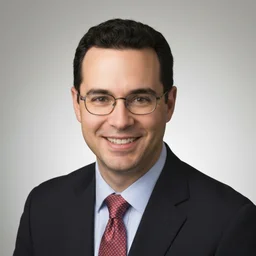
Certified Safety Professional & OSHA Compliance Expert
Indiana University of Pennsylvania Safety SciencesDr. William Foster holds a PhD in Safety Science from Indiana University of Pennsylvania and is a Certified Safety Professional (CSP) and Certified Hazardous Materials Manager. With 20 years of occupational health and safety management experience across construction, manufacturing, and chemical industries, he coaches safety professionals through OSHA certification, CSP, CHST, and safety management licensing programs.
Join the Discussion
Connect with other students preparing for this exam. Share tips, ask questions, and get advice from people who have been there.
View discussion (8 replies)