

OFA Practice Test
Updated for September 2026Emergencies can strike at any moment—whether it's a minor injury on a construction site or a sudden cardiac arrest in a corporate office. Quick and competent first aid response often determines whether an injury becomes fatal or manageable. For employers and workers alike, Occupational First Aid Certification is a vital component of workplace safety and legal compliance.
This certification equips individuals with the knowledge and skills necessary to respond effectively to injuries and health emergencies in occupational settings. Recognized by health and labor authorities worldwide, Occupational First Aid Certification not only saves lives but also minimizes the impact of workplace accidents and reduces downtime.
OFA Practice Test Questions
Prepare for the OFA - Occupational First Aid Certification exam with our free practice test modules. Each quiz covers key topics to help you pass on your first try.
OFA Clinical Procedures & Techniques
OFA Exam Questions covering Clinical Procedures & Techniques. Master OFA Test concepts for certification prep.
OFA CPR Techniques & Automated External De...
Free OFA Practice Test featuring CPR Techniques & Automated External Defibrillation (AED). Improve your OFA Exam score with mock test prep.
OFA Documentation & Legal Standards
OFA Mock Exam on Documentation & Legal Standards. OFA Study Guide questions to pass on your first try.
OFA Emergency Response & Scene Assessment
OFA Test Prep for Emergency Response & Scene Assessment. Practice OFA Quiz questions and boost your score.
OFA Injury Management & Workplace Safety P...
OFA Questions and Answers on Injury Management & Workplace Safety Procedures. Free OFA practice for exam readiness.
OFA Environmental & Toxicological Emergencies
OFA Mock Test covering OFA Environmental & Toxicological Emergencies. Online OFA Test practice with instant feedback.
OFA Musculoskeletal Injuries & Fracture Ma...
Free OFA Quiz on OFA Musculoskeletal Injuries & Fracture Management. OFA Exam prep questions with detailed explanations.
OFA Patient Assessment & Care Planning
OFA Practice Questions for Patient Assessment & Care Planning. Build confidence for your OFA certification exam.
OFA Respiratory Emergencies & Airway Manag...
OFA Test Online for Respiratory Emergencies & Airway Management. Free practice with instant results and feedback.
Key Takeaways
Free OFA Practice Test Online
Occupational First Aid Certification trains individuals to handle workplace health emergencies until professional medical help arrives.
It is often a legal requirement in industries such as construction, manufacturing, and transportation.
The training includes CPR, wound care, emergency response, and managing shock or unconsciousness.
Certification ensures compliance with Occupational Safety and Health standards (e.g., OSHA, ISO, local labor laws).
Employers benefit from improved safety culture, lower injury costs, and legal protection.
What is Occupational First Aid Certification?
Occupational First Aid Certification is a formal credential that validates an individual's ability to provide first aid treatment in workplace environments. Unlike general first aid training, occupational certification is tailored to address health emergencies that are more likely to occur on the job based on industry-specific risks.
The certification is regulated by occupational health and safety authorities and is aligned with national and international standards, such as:
OSHA (Occupational Safety and Health Administration) guidelines in the U.S.
ISO 45001 for occupational health and safety management systems
Regional laws from organizations like the Health and Safety Executive (HSE) in the UK or WorkSafe in Canada and Australia
Occupational First Aid training ensures that designated personnel are equipped to manage critical incidents while maintaining composure and ensuring scene safety.
OFA Study Tips
What's the best study strategy for OFA?
Focus on weak areas first. Use practice tests to identify gaps, then study those topics intensively.
How far in advance should I start studying?
Most successful candidates begin 4-8 weeks before the exam. Create a structured study schedule.
Should I retake practice tests?
Yes! Take each practice test 2-3 times. Focus on understanding why answers are correct, not memorizing.
What should I do on exam day?
Arrive 30 min early, bring required ID, read questions carefully, flag difficult ones, and review before submitting.

Who Needs Occupational First Aid Certification?
The certification is recommended—and often required—for professionals in high-risk and physically demanding industries. It is particularly important for:
Construction Workers
Warehouse and Logistics Personnel
Factory and Manufacturing Employees
Security and Safety Officers
Field Engineers and Technicians
Supervisors and Shift Managers
School and Daycare Staff
Office First Aid Coordinators
In many workplaces, regulatory compliance mandates a minimum number of certified first aiders per employee count or shift, depending on the type of work and inherent risks.
Levels of Occupational First Aid Certification
Different levels of Occupational First Aid Certification exist, based on the workplace risk level and regulatory requirements. Common levels include:
Ideal for low-risk environments such as offices or retail
Duration: 6–8 hours
Focus: Basic life support, CPR, wound care, minor injuries
For medium-risk environments like warehouses or schools
Duration: 16 hours
Includes: Fracture management, burns, asthma, diabetic emergencies
For high-risk industries such as construction or oil & gas
Duration: 24–40 hours
Includes: Advanced CPR, spinal injuries, multiple casualty management
Employers should assess workplace hazards to determine which level of certification is appropriate for their staff.
Core Curriculum and Training Topics
The Occupational First Aid Certification course is designed to provide both theoretical knowledge and practical skills through interactive sessions and simulations. Key topics typically include:
Assessing dangers and prioritizing safety
Calling for emergency services
Triage and casualty assessment
Cardiopulmonary Resuscitation (CPR)
Use of Automated External Defibrillator (AED)
Choking and airway management
Wound and bleeding control
Fractures and sprains
Burns, bites, and stings
Shock management
Seizures, strokes, and heart attacks
Diabetic and asthma attacks
Allergic reactions and anaphylaxis
Chemical exposure
Electrical injuries
Confined space incidents
Eye injuries and first-aid response
Incident documentation
Legal duties of first aiders
Confidentiality and consent
Certification Process and Validity
Offered by accredited organizations (e.g., Red Cross, American Heart Association, St. John Ambulance)
Delivered through a mix of classroom sessions, hands-on practice, and assessments
Multiple-choice test
Practical skills assessment (e.g., CPR demonstration)
Scenario-based drills
Most certifications are valid for 2 to 3 years
Refresher courses and recertification exams are required before expiration to stay compliant
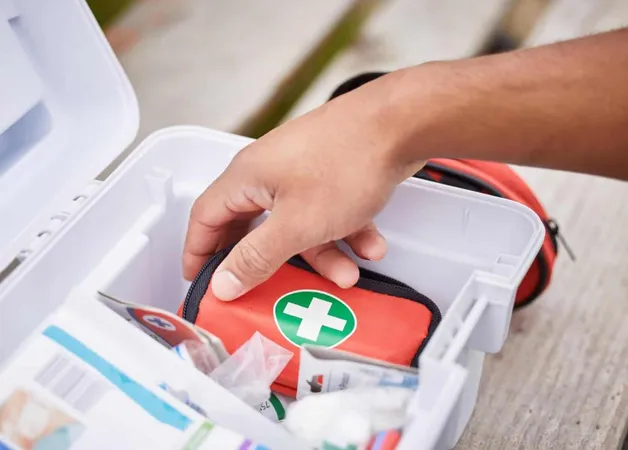
Benefits of Occupational First Aid Certification
Life-Saving Skills: Confidence to respond effectively in emergencies
Professional Development: Enhances employability and workplace value
Legal Readiness: Awareness of legal responsibilities and best practices
Regulatory Compliance: Meets OSHA or local labor requirements
Risk Reduction: Lowers workplace injury rates and insurance costs
Emergency Preparedness: Builds a safety-first culture
Improved Morale: Employees feel safer and more valued
Having certified first aiders on-site can significantly improve response times during emergencies, often making the difference between life and death.
Conclusion
The Occupational First Aid Certification is a critical asset in any workplace safety program. It empowers individuals with the ability to respond calmly and competently in emergencies, ensuring immediate care for injured employees and contributing to a safer work environment.
As regulatory standards tighten and organizational accountability increases, investing in first aid training is not just smart—it's essential. Whether you're working on a construction site or managing an office floor, this certification enhances your readiness to act when every second counts.
- +Validates your knowledge and skills objectively
- +Increases job market competitiveness
- +Provides structured learning goals
- +Networking opportunities with other certified professionals
- −Study materials can be expensive
- −Exam anxiety can affect performance
- −Requires dedicated preparation time
- −Retake fees apply if you don't pass
(OFA) Occupational First Aid Certification Questions and Answers
About the Author

Enrolled Agent & Tax Certification Preparation Expert
NYU School of Professional StudiesMichael Chen is a Certified Public Accountant, IRS Enrolled Agent, and holds a Master of Science in Taxation from NYU School of Professional Studies. With 16 years of individual, corporate, and estate tax practice experience, he coaches candidates through the EA Special Enrollment Examination, CPA tax sections, VITA certification, and state tax preparer licensing programs.
Join the Discussion
Connect with other students preparing for this exam. Share tips, ask questions, and get advice from people who have been there.
View discussion (8 replies)