

OEC Practice Test
Updated October 2026Facts verified Oct 21, 2026 against National Ski Patrol System, Inc. (NSP) — National OEC Program Committee
When emergencies strike in remote and high-risk environments like mountains, trails, or ski slopes, Outdoor Emergency Care (OEC) Certified professionals are often the first responders. These trained individuals possess the specialized skills necessary to assess, stabilize, and treat patients in outdoor settings where traditional emergency services may not be immediately accessible. The Outdoor Emergency Care Certification (OEC) is a respected credential for individuals looking to work or volunteer in ski patrol, outdoor recreation safety, or wilderness rescue. Practice with the free Outdoor Emergency Care Certification practice test on PracticeTestGeeks (9 questions with answer explanations).
Developed by the National Ski Patrol (NSP), the OEC program is widely recognized across the United States as a benchmark for non-urban emergency care. It prepares individuals with foundational medical knowledge, decision-making skills, and physical readiness to act in unpredictable terrain and weather conditions. Whether you're a ski patroller, mountain guide, or outdoor enthusiast, this certification could save lives—and improve your role in outdoor risk management.
- Candidates for NSP Outdoor Emergency Care certification need at least 80 percent on the written final exam, and at least 80 percent on each practical skill or scenario station while passing all critical performance indicators. (National Ski Patrol System, Inc. (NSP) — National OEC Program Committee)
- The National Ski Patrol charges NSP members a $150 national fee for the Outdoor Emergency Care (OEC) course, challenge or modified challenge, plus an optional division fee of up to $10 and any local costs. (National Ski Patrol System, Inc. (NSP) — National OEC Program Committee)
- Under the NSP refresher system that took effect in summer 2026, an OEC Technician is current if they completed a refresher in the current or previous calendar year and becomes expired after missing two or more annual refreshers. (National Ski Patrol System, Inc. (NSP) — National OEC Program Committee)
- OEC Technicians keep their certification by completing an annual OEC refresher with an online module and an in-person skills module; NSP charges no national fee for it. (National Ski Patrol System, Inc. (NSP) — National OEC Program Committee)
- The NSP Outdoor Emergency Care final is taken in person: a printed written exam plus a practical skills exam, administered by OEC instructors and quality-assured by an OEC instructor trainer. (National Ski Patrol System, Inc. (NSP) — National OEC Program Committee)
- To take the NSP Outdoor Emergency Care course, a candidate must be 15 years old by December 31 of the course year and must be an NSP member (Traditional or Associate). (National Ski Patrol System, Inc. (NSP) — National OEC Program Committee)
Facts verified Oct 22, 2026 against National Ski Patrol System, Inc. (NSP) — National OEC Program Committee. Dates that have passed are removed automatically.
OEC Exam at a Glance
| Item | Detail | Official source |
|---|---|---|
| Passing score | 80% on the written final; 80% on each practical station plus all CPIs | National Ski Patrol System, Inc. (NSP) — National OEC Program Committee |
| Exam fee | $150 national fee (NSP member) + optional $10 division fee + local costs | National Ski Patrol System, Inc. (NSP) — National OEC Program Committee |
| Validity | Current if a refresher was completed in the current or previous calendar year; expired after 2+ missed refreshers | National Ski Patrol System, Inc. (NSP) — National OEC Program Committee |
| Renewal | Annual OEC refresher (online + in-person skills); no national fee | National Ski Patrol System, Inc. (NSP) — National OEC Program Committee |
| Delivery | In-person course with a printed written final and a hands-on practical exam | National Ski Patrol System, Inc. (NSP) — National OEC Program Committee |
| Eligibility | Age 15 by December 31 of the course year; must be an NSP member | National Ski Patrol System, Inc. (NSP) — National OEC Program Committee |
Facts verified Oct 22, 2026 against National Ski Patrol System, Inc. (NSP) — National OEC Program Committee. Dates that have passed are removed automatically.
Free Outdoor Emergency Care Certification Study Tools
Interactive Outdoor Emergency Care Certification resources on PracticeTestGeeks, free to start:
- Outdoor Emergency Care Certification flashcards — review key terms and concepts card by card
- Outdoor Emergency Care Certification study guide — topic-by-topic overview of what the exam covers
- Outdoor Emergency Care Certification cheat sheet — one-page printable summary for last-minute review
OEC Practice Test Questions
Prepare for the OEC - Outdoor Emergency Care Certification exam with our free practice test modules. Each quiz covers key topics to help you pass on your first try.
OEC Case Analysis & Practical Application
OEC Exam Questions covering Case Analysis & Practical Application. Master OEC Test concepts for certification prep.
OEC Communication & Client Relations
Free OEC Practice Test featuring Communication & Client Relations. Improve your OEC Exam score with mock test prep.
OEC Environmental Emergencies & Rescue Tec...
OEC Mock Exam on Environmental Emergencies & Rescue Techniques. OEC Study Guide questions to pass on your first try.
OEC Medical Conditions & Ongoing Care
OEC Test Prep for Medical Conditions & Ongoing Care. Practice OEC Quiz questions and boost your score.
OEC Musculoskeletal Injuries & Splinting
OEC Questions and Answers on Musculoskeletal Injuries & Splinting. Free OEC practice for exam readiness.
OEC Airway Management & Respiratory Emerge...
OEC Mock Test covering OEC Airway Management & Respiratory Emergencies. Online OEC Test practice with instant feedback.
OEC Cardiovascular Emergencies & Shock Man...
Free OEC Quiz on OEC Cardiovascular Emergencies & Shock Management. OEC Exam prep questions with detailed explanations.
OEC Patient Evaluation & Emergency Response
OEC Practice Questions for Patient Evaluation & Emergency Response. Build confidence for your OEC certification exam.
OEC Professional Standards & Competencies
OEC Test Online for Professional Standards & Competencies. Free practice with instant results and feedback.
OEC Quality Control & Process Improvement
OEC Study Material on Quality Control & Process Improvement. Prepare effectively with real exam-style questions.
OEC Regulatory Compliance & Legal Framework
Free OEC Test covering Regulatory Compliance & Legal Framework. Practice and track your OEC exam readiness.
OEC Research Methods & Evidence-Based Prac...
OEC Exam Questions covering Research Methods & Evidence-Based Practice. Master OEC Test concepts for certification prep.
OEC Risk Assessment & Mitigation
Free OEC Practice Test featuring Risk Assessment & Mitigation. Improve your OEC Exam score with mock test prep.
Key Takeaways
Free OEC Practice Test Online
The Outdoor Emergency Care Certification is designed for individuals operating in remote and high-risk outdoor environments.
The certification equips candidates with first responder medical skills tailored to wilderness and alpine settings.
It is often required or preferred for ski patrollers, mountain rescue volunteers, and outdoor event medics.
OEC training includes classroom instruction, practical skills labs, and field scenario assessments.
Becoming certified enhances employability and contributes to safer outdoor recreation environments.
The OEC program is managed by the National Ski Patrol and adheres to national emergency care standards.
Costs vary but typically include registration fees, materials, and practical testing.
What Is Outdoor Emergency Care Certification?
The Outdoor Emergency Care Certification (OEC) is a nationally recognized first responder-level credential focused on non-urban, alpine, and wilderness emergencies. It is the standard of care for ski patrollers and is accepted by many organizations that operate in remote or challenging outdoor environments.
The certification covers a broad range of emergency care topics, including:
Patient assessment and triage
Airway and breathing management
Musculoskeletal injuries and splinting
Cold-weather and altitude-related illnesses
Cardiopulmonary resuscitation (CPR) and AED use
Spinal immobilization and trauma care
What makes the OEC unique is its emphasis on wilderness-specific challenges—like limited equipment, evacuation logistics, and weather conditions. Candidates are trained to act independently, adaptively, and under pressure, often with only the gear they carry on hand.
- ✓Confirm your exam appointment and location
- ✓Bring required identification documents
- ✓Arrive 30 minutes early to check in
- ✓Read each question carefully before answering
- ✓Flag difficult questions and return to them later
- ✓Manage your time — don't spend too long on one question
- ✓Review flagged questions before submitting
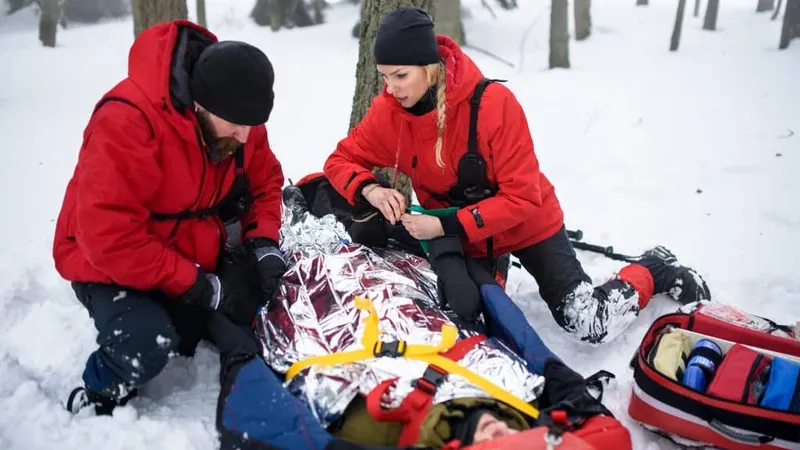
How to Become a Outdoor Emergency Care Professional
Becoming certified in Outdoor Emergency Care involves several steps, typically spread across a 3 to 4-month training course. Here’s how to begin:
1. Meet Basic Prerequisites:
Be at least 18 years old (in most cases).
Have a strong interest or experience in outdoor sports or wilderness activities.
Possess basic physical fitness due to the demands of real-life scenarios.
2. Enroll in an OEC Course:
Courses are often hosted by ski patrol units, outdoor safety organizations, or wilderness medicine groups affiliated with the National Ski Patrol.
Instruction typically includes over 80 hours of classroom lessons, practical skills labs, and field practice.
3. Complete the Curriculum:
Coursework includes anatomy and physiology, emergency care principles, patient packaging, lifting and moving techniques, and scenario-based drills.
CPR and AED certification is usually integrated into the course.
4. Pass the Certification Exam:
The exam involves both a written portion and a hands-on practical evaluation.
Candidates must demonstrate competence in key emergency care techniques and decision-making under pressure.
5. Maintain Certification:
The OEC certificate requires periodic refresher training.
Continuing education is encouraged to stay current with updated protocols and field techniques.
This process ensures that OEC-certified professionals are well-prepared to handle medical emergencies in extreme and remote environments.
Job Description: Outdoor Emergency Care
An Outdoor Emergency Care-certified professional is trained to serve as a first responder in outdoor or backcountry environments. Their duties often include:
Performing emergency medical care during ski accidents or mountain mishaps
Assisting with the transport of injured individuals in rugged terrain
Communicating with rescue teams, EMTs, or medical staff for coordinated care
Monitoring weather, terrain, and environmental factors that could affect patient safety
Educating the public on outdoor safety and injury prevention
OEC professionals are commonly employed or volunteer with:
Ski patrol units
Outdoor adventure companies
Wilderness therapy programs
National and state parks
Mountain or backcountry rescue teams
They are required to stay calm under pressure, operate with limited resources, and make life-saving decisions quickly.
Salary: Outdoor Emergency Care
Salaries for professionals holding the Outdoor Emergency Care Certification can vary significantly depending on their role, location, and whether the position is full-time or seasonal.
Volunteer Ski Patrollers: Typically unpaid but may receive lift pass benefits and equipment discounts.
Seasonal Professionals (e.g., resort patrollers): $15 – $25 per hour, depending on experience and location.
Full-Time Rescue Personnel: $40,000 – $60,000 annually for those working in national parks, wilderness EMS, or outdoor medical services.
While many OEC roles are volunteer-based, the skills gained often lead to higher-paying roles in search and rescue, EMS, or outdoor safety management.
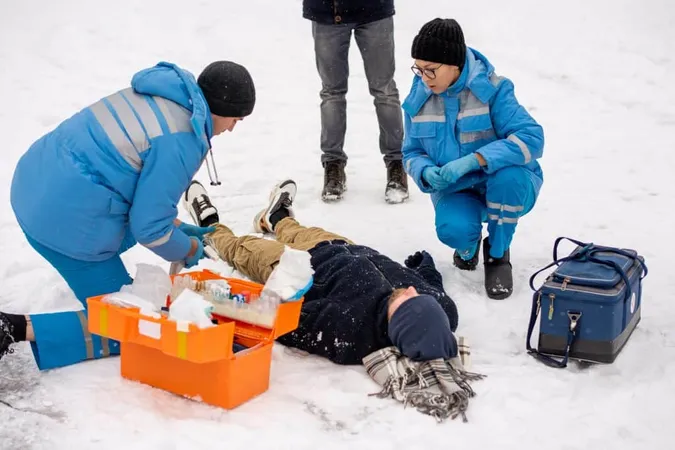
Exam Cost: Outdoor Emergency Care Certification
The cost of earning an Outdoor Emergency Care Certification can vary depending on the training provider, location, and included materials. Typical costs include:
Course Registration Fee: $250 – $400
National Ski Patrol Enrollment Fee (if applicable): $60 – $80
Books and Materials: $50 – $100
CPR/AED Certification (if not included): $40 – $60
Many ski resorts and patrol units subsidize or reimburse training costs for volunteers. Scholarships and group discounts may also be available through the National Ski Patrol or affiliated organizations.

Conclusion
The Outdoor Emergency Care Certification offers more than a credential—it provides a life-saving skill set that enables individuals to take action when it matters most. Whether you are a ski patroller, outdoor educator, or wilderness guide, the OEC equips you with the medical and situational readiness needed to manage emergencies in the backcountry.
With comprehensive training, real-world application, and strong professional support, OEC-certified individuals are trusted stewards of safety in outdoor recreation. Pursuing this certification not only enhances personal confidence and responsibility but also contributes to safer outdoor spaces for everyone.
- +Validates your knowledge and skills objectively
- +Increases job market competitiveness
- +Provides structured learning goals
- +Networking opportunities with other certified professionals
- −Study materials can be expensive
- −Exam anxiety can affect performance
- −Requires dedicated preparation time
- −Retake fees apply if you don't pass
Pros and Cons at a Glance
| Pros | Cons |
|---|---|
| Validates your knowledge and skills objectively | Study materials can be expensive |
| Increases job market competitiveness | Exam anxiety can affect performance |
| Provides structured learning goals | Requires dedicated preparation time |
| Networking opportunities with other certified professionals | Retake fees apply if you don't pass |
Sample Outdoor Emergency Care Certification Practice Questions
Try these questions from our free Outdoor Emergency Care Certification practice tests. The correct answer and an explanation follow each question.
What is a corrective action in Outdoor Emergency Care Certification quality systems?
- A. Punishing individuals for errors
- B. A systematic response to eliminate causes of nonconformity and prevent recurrence
- C. Ignoring minor quality deviations
- D. Implementing only temporary fixes
Answer: B. A systematic response to eliminate causes of nonconformity and prevent recurrence
Corrective actions address root causes of quality issues to prevent recurrence, going beyond temporary fixes to create lasting improvement.
What is the benefit of interdisciplinary collaboration in Outdoor Emergency Care Certification practice?
- A. It creates confusion and inefficiency
- B. It brings diverse expertise and perspectives that improve outcomes
- C. It is only relevant for complex or unusual projects
- D. It significantly slows down decision-making processes
Answer: B. It brings diverse expertise and perspectives that improve outcomes
Interdisciplinary collaboration enhances Outdoor Emergency Care Certification practice by combining diverse expertise, perspectives, and skills for more comprehensive and effective outcomes.
What is reflective practice in Outdoor Emergency Care Certification professional growth?
- A. Simply avoiding past mistakes
- B. Systematically examining experiences to gain insight and improve future practice
- C. Reflecting only on positive outcomes and successes
- D. Maintaining a personal journal unrelated to work
Answer: B. Systematically examining experiences to gain insight and improve future practice
Reflective practice involves systematically examining both successes and failures to extract insights that improve future professional performance.
What is a risk register used for in Outdoor Emergency Care Certification practice?
- A. Recording employee attendance
- B. Tracking identified risks with their status, controls, and owners
- C. Filing regulatory complaints
- D. Managing project budgets
Answer: B. Tracking identified risks with their status, controls, and owners
A risk register is a comprehensive tool that documents all identified risks, their assessments, mitigation strategies, responsible parties, and current status.
Take the full Outdoor Emergency Care Certification practice test
(OEC) Outdoor Emergency Care Certification Questions and Answers
How this page was made: written with AI tools. Exam facts are checked against the official sources listed below. Not reviewed by a subject-matter expert. Editorial policy
Sources & references
Exam facts on this page (fees, format, dates, passing scores) are checked against these official sources; the date is our last check. Editorial policy
- nsp.org — Score validity, test delivery, eligibility, fees, passing score, renewal · verified Oct 2026